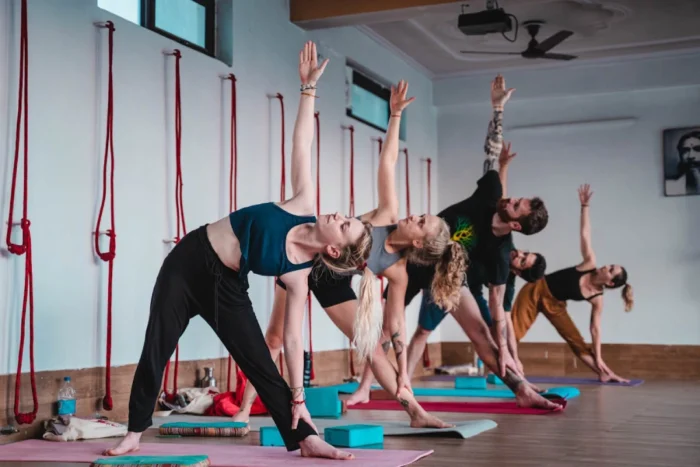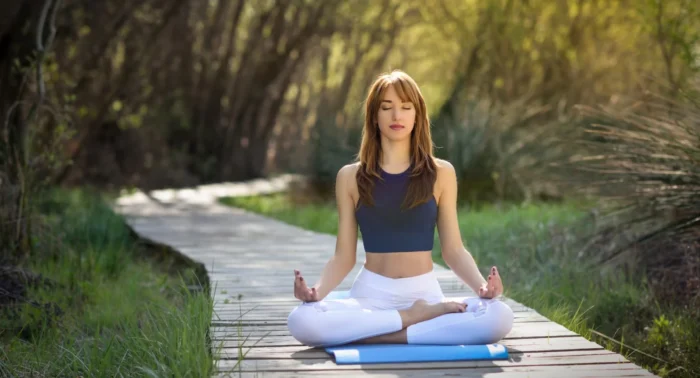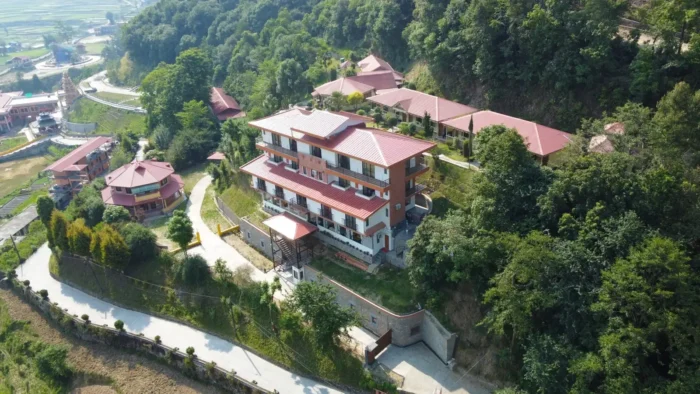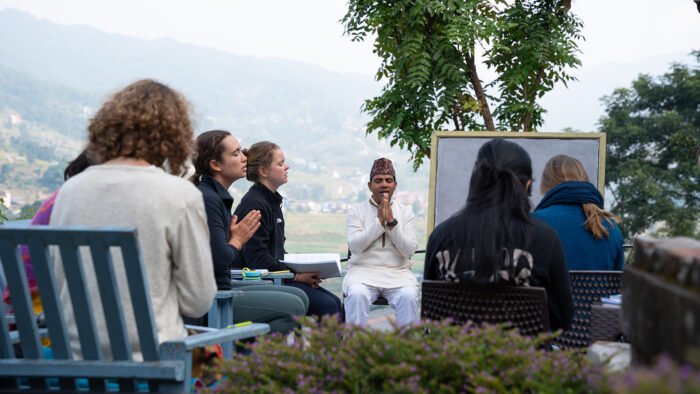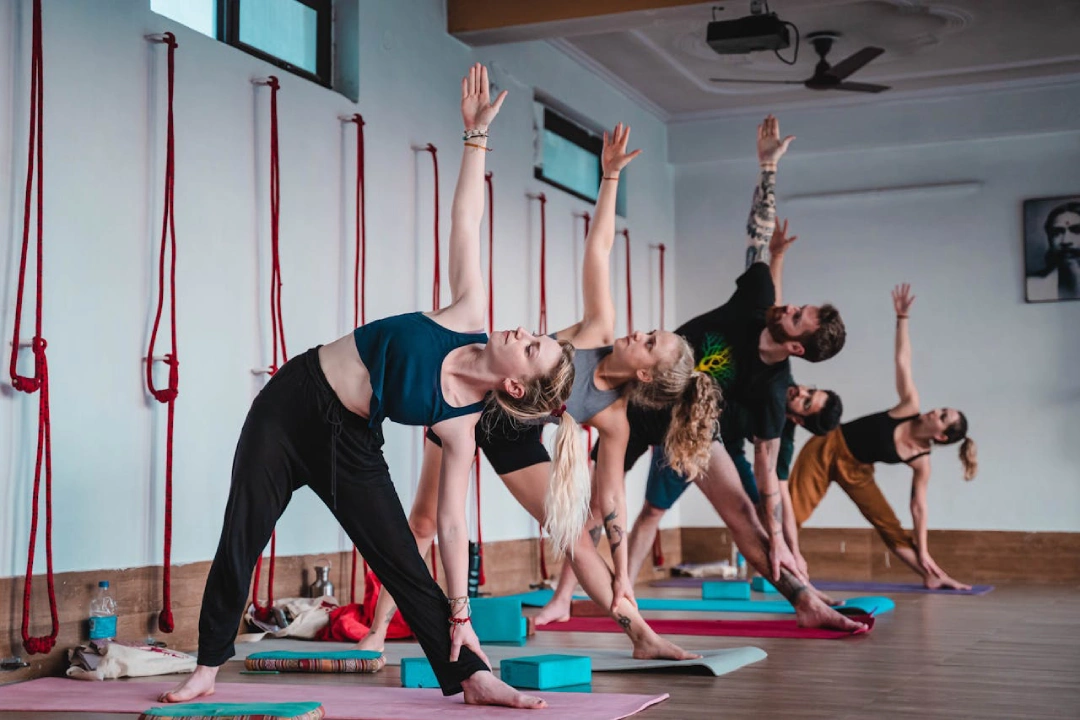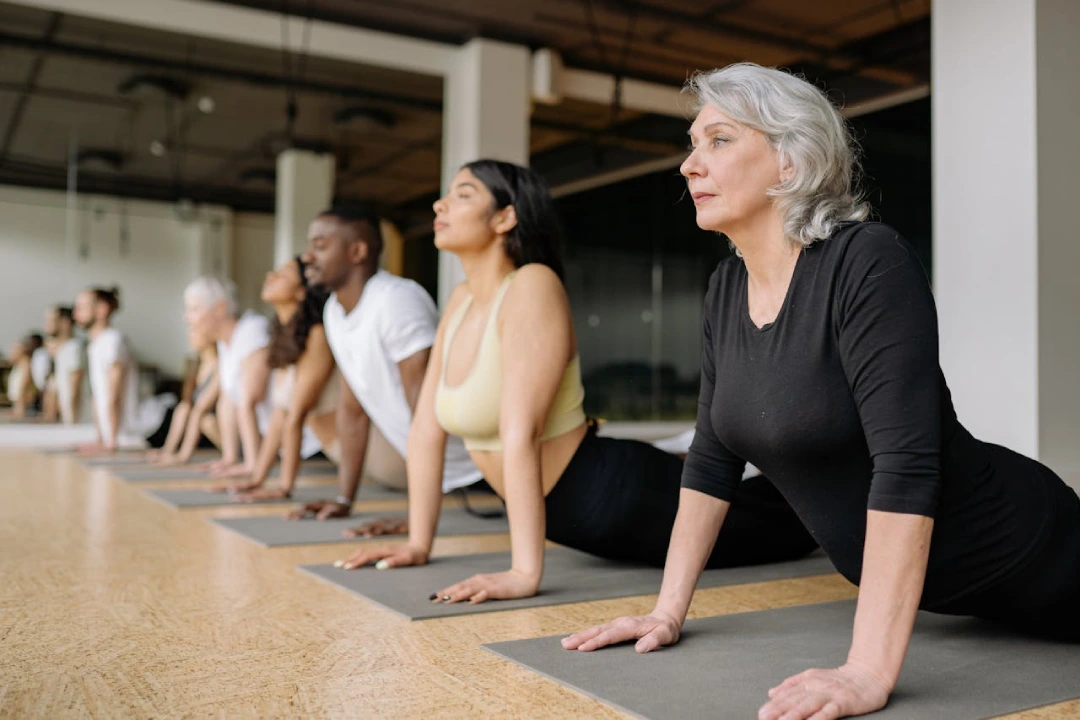

Yoga Teacher Training for Beginners: Your Step-by-Step Guide to the 200-Hour TTC

In recent years, yoga has grown beyond a wellness trend, it has become a way of life for many. If you are new to the practice and considering taking your first step toward becoming a yoga teacher. You may wonder whether yoga teacher training for beginners is possible, the simple answer is: yes, it absolutely is.

Yoga teacher training is not limited to advanced practitioners or those who can perform complex postures and asanas. In fact, many certified teachers today began their journeys with little or no experience at all with Yoga. If you want to start your practice, share your knowledge with others, or simply believe in a journey of personal growth. Then, beginner-friendly yoga teacher training can be the perfect beginning.

This course guide will walk you through everything you need to know to become a Yoga Teacher. From course structure and requirements to benefits and preparation tips to support your decision. Furthermore, ensure you’re well-informed and confident about taking the next step.

Can Beginners Join a Yoga Teacher Training Course?

One of the most frequently asked questions is, “Can I do yoga teacher training with no experience?” The answer is a simple ‘yes’. Many yoga courses for beginners are designed with inclusivity in mind, welcoming individuals of all levels, ages, and body types.

These beginner-friendly programs emphasize that yoga is a personal journey. Whether you are just getting started or have practiced rarely, you can still participate and grow. You don’t need to be flexible, physically fit, or familiar with Sanskrit phrases. What matters is your willingness to learn and grow.

Look for yoga teacher training that does not require any prior yoga experience, since these programs include core education in asana, anatomy, philosophy, and other topics, making them excellent for beginners.

What to Expect in a Beginner Yoga Teacher Training Program

When you enroll in a 200-hour yoga teacher training course, commonly known as RYT 200, you’ll receive extensive training in multiple aspects of yoga. Here’s an overview of what a beginner-level curriculum normally includes:

1. Asana Practice (Postures)

You will learn the fundamental yoga poses, focusing on proper alignment, adjustments, and how to properly guide others safely through them.

2. Yoga Philosophy

Explore the ancient roots of yoga, including the Yoga Sutras, Eight Limbs of Yoga, and essential moral principles like yamas and niyamas.

3. Anatomy and Physiology

Understanding the body is important for safe teaching. You’ll study muscles, joints, breath, and how they interact during movement.

4. Teaching Methodology

Gain practical skills in signaling, sequencing, adjusting students, and maintaining space during classes.

5. Pranayama and Meditation

Learn breathing techniques and mindfulness practices to deepen your connection to yourself and your students.

This structured and supportive syllabus ensures a holistic learning experience that aligns with the standards of Yoga Alliance certification.

Types of Yoga Teacher Training for Beginners

200-Hour Yoga Teacher Training

The 200-hour course is widely recognized as the first professional milestone in yoga education that provides the foundation for certified yoga instructors. It is widely recognized, especially when offered by Yoga Alliance-registered schools.

Online Yoga Teacher Training

For those maintaining jobs, families, or other duties, online yoga teacher training for beginners can be a flexible alternative. Many programs now offer high-quality virtual modules, live sessions, and recorded materials, allowing you to study at your own pace.

Intensive vs. Part-Time Options

You can choose between intensive (3–4 weeks full-time) and part-time (spanning 2–6 months) formats. Both are equally effective, but the best option depends on your schedule and learning style.

These diverse structures make it possible to find a beginner yoga TTC that aligns with your personal needs and lifestyle.

Where to Do Your Training: Top Locations for Beginners

For those seeking a transformative retreat experience, some locations are especially beginner-friendly:

🇳🇵 Nepal

Destinations like Pokhara and Kathmandu are growing in popularity for yoga TTC for beginners in Nepal, thanks to their beautiful mountain settings and professional teachers.

🇮🇩 Bali

A favorite among international students, Bali combines natural beauty with world-class yoga training in a relaxed, mild atmosphere.

🇮🇳 Rishikesh, India

Known as the birthplace of yoga, Rishikesh offers advanced programs steeped in spiritual tradition and affordability.

Choosing the right environment can significantly enhance your learning experience, especially when paired with a nurturing community.

Benefits of Yoga Teacher Training for Beginners

You do not need to have a teaching certificate as your end goal to benefit from a yoga teacher training course. For many, the personal growth and self-awareness that gain during training are even more valuable than the certification itself.

Key Benefits:

  • Enhanced self-discipline and mindfulness
  • Improved posture, flexibility, and breath control
  • Deep understanding of yoga beyond physical postures
  • Confidence to guide others on their wellness journey
  • Potential career opportunities as a certified yoga teacher

These programs are not just about yoga—they’re about reconnecting with yourself on all levels.

How to Prepare for Your First Yoga Teacher Training

If you’re nervous or not sure, that’s normal. Here are a few ways you can start preparing for your beginner yoga teacher training journey:

  1. Begin a Regular Practice: Join beginner yoga classes or follow reputable online tutorials.
  2. Read Yoga Books: ‘Light on Yoga or The Heart of Yoga’.
  3. Start Journaling: Reflecting on your personal motivations and expectations can provide clarity.
  4. Practice Breathing Techniques: Simple pranayama exercises that are easy to practice will help you to begin basic yoga.


By preparing mentally and physically, you will arrive at your training ready to receive and absorb the experience fully.

How to Choose the Right Training Program

When searching for the best yoga teacher training for beginners, consider the following:


  • Accreditation: Is the program recognized by the Yoga Alliance?
  • Reviews and Testimonials: What do previous students say about the course?
  • Support Structure: Does the course offer mentorship, personalized feedback, and resources tailored for beginners?
  • Affordability: Look for affordable yoga teacher training for beginners, but follow the basics deeply.
  • Curriculum Clarity: Ensure the course outlines everything you’ll learn, especially if you’re a beginner.


Quality training will leave you feeling empowered, not overwhelmed.

Cost and Duration: What You Should Expect

The cost of training varies significantly depending on format and location:

  • Online training: Ranges from $300 – $800
  • In-person training: Ranges from $1200 – $3000 (including food and lodging in some cases)

Program durations typically range from 21–30 days for intensive courses to several months for part-time options. Always check what’s included in the package before joining.

Final Thoughts: You Are Ready to Begin

If you’ve been wondering whether you’re ready for yoga teacher training, let this article serve as a gentle affirmation: you are ready, just as you are. The most important ingredient isn’t flexibility or experience, but a sincere desire to learn and grow.

Lightning on a yoga teacher training course for beginners is more than an educational experience. It’s a life-changing journey that enlightens you with your inner self while empowering you to support others. Whether you plan to teach or deepen your practice, this is your invitation to step confidently into the world of yoga.

Top 5 Yoga Breathing Techniques Unlocking Wellness and Stress Relief

In our fast-paced, stress-filled modern lives, the simple act of breathing is often overlooked. Yet, breath is the most vital function of life. It is the bridge between the body and mind, and learning to harness it can profoundly transform your health, emotional balance, and overall well-being. In this comprehensive guide, we’ll explore powerful breathing techniques—especially yoga breathing techniques—and how you can use them for stress relief, mental clarity, physical health, and even weight loss.

What Are Breathing Techniques?

Breathing techniques, often called breathwork, refer to conscious control of inhalation and exhalation patterns. While breathing is an involuntary function, learning to guide it intentionally can influence your nervous system, emotions, and physiological health.

In yogic tradition, these are known as pranayama yoga breathing techniques. “Prana” means life force, and “ayama” means expansion. So, pranayama isn’t just breath control—it’s about expanding your life energy through the breath.

Benefits of Yoga Breathing Techniques

Incorporating yoga breathing techniques into your daily routine can offer a wide range of benefits:

Stress Relief: Calms the nervous system and reduces cortisol.

Improved Focus: Boosts oxygen flow to the brain for better concentration.

Enhanced Lung Capacity: Strengthens respiratory muscles.

Emotional Stability: Regulates mood and reduces anxiety.

Better Sleep: Helps quiet the mind before bed.

Boosted Immunity: Supports lymphatic drainage and detoxification.

Weight Management: Activates metabolic processes.

Let’s dive into the different types of yoga breathing techniques that you can practice based on your goals.

5 Yoga Breathing Techniques to Transform Your Health

Here are 5 yoga breathing techniques that are beginner-friendly and highly effective:

1. Ujjayi Yoga Breathing Technique (Victorious Breath)

Ujjayi is a signature technique used in many vinyasa and ashtanga classes. It involves slightly constricting the back of the throat while breathing in and out through the nose, creating an oceanic sound.

Benefits:

  • Enhances focus during meditation or asana
  • Increases oxygenation
  • Helps with thyroid and throat chakra balance

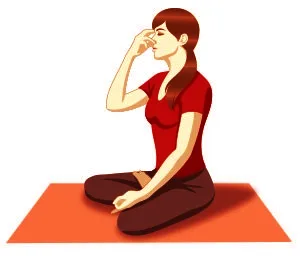
2. Nadi Shodhana (Alternate Nostril Breathing)

This balancing breath clears energy channels and harmonizes the hemispheres of the brain.

Benefits:

  • Deeply calming
  • Clears the mind
  • Great for anxiety and emotional balance

3. Kapalabhati (Skull Shining Breath)

Often practiced in kriya yoga breathing techniques, Kapalabhati involves forceful exhalations and passive inhalations. It’s energizing and purifying.

Kapalabhati

Benefits:

  • Detoxifies the lungs
  • Stimulates digestion
  • Supports for weight loss

4. Bhramari (Bee Breath)

Bhramari involves humming during exhalation and is ideal for yoga breathing techniques for stress and emotional release.

Benefits:

  • Reduces anger, anxiety, and insomnia
  • Activates the parasympathetic nervous system
  • Aids for asthma as it calms the bronchial muscles

5. Dirga Pranayama (Three-Part Breath)

This full yogic breath involves inhaling deeply into the abdomen, ribcage, and chest.

Benefits:

  • Improves breathing patterns
  • Induces relaxation
  • Effective as a yoga relaxation breathing technique

6. 4-7-8

This involves inhaling for 4 seconds, holding the breath for 7 seconds, and exhaling for 8 seconds. It is effective for stress relief and promoting relaxation.

7. Sitali Breath:

This involves curling the tongue and inhaling through the mouth, then closing the mouth and exhaling through the nose. It helps to lower body temperature and promote relaxation.

Yoga Breathing Techniques for Specific Conditions

1. Yoga Breathing Techniques for Stress

Breath is the most accessible tool to shift from a fight-or-flight state to rest-and-digest. Techniques like Nadi Shodhana, Bhramari, and Dirga Pranayama soothe the nervous system and reduce cortisol levels, making them ideal for stress management.

2. Yoga Breathing Techniques for Anxiety

When anxiety strikes, the breath often becomes shallow and rapid. Slow, deep breathing such as Ujjayi or Three-Part Breath restores rhythm and provides a grounding effect.

Pair your practice with mindfulness or meditation for best results.

3. Yoga Breathing Techniques for Asthma

While asthma is a medical condition that should be managed under the supervision of a doctor, certain pranayama practices like Bhramari, Anulom Vilom, and Ujjayi have been shown to reduce symptoms by strengthening lung function and improving oxygen uptake.

Yoga Breathing Techniques for Asthma

Avoid forceful techniques like Kapalabhati during asthma flare-ups.

4. Yoga Breathing Techniques for Weight Loss

Although it may seem surprising, breathwork can aid weight management. Techniques such as Kapalabhati, Bhastrika, and even Agnisar Kriya (a part of kriya yoga breathing techniques) activate the abdominal area, boost metabolism, and support detoxification.

Combine breathwork with asana and a balanced diet for optimal results.

Deep Dive into Yogic Traditions and Breathing Styles

Hatha Yoga Breathing Techniques

Hatha yoga emphasizes a balance of the solar and lunar energies in the body. Breathwork is used to prepare the body for meditation and higher consciousness.

Common techniques:

  • Nadi Shodhana
  • Bhastrika
  • Ujjayi

Hatha Yoga Breathing Techniques

Hatha yoga techniques are perfect for beginners and aim to bring balance and stillness.

Iyengar Yoga Breathing Techniques

In Iyengar yoga, breath is aligned with precise postural cues. Props are often used to support the body, allowing the practitioner to access deeper breathing.

Popular practices include:

  • Viloma (interrupted breathing)
  • Ujjayi
  • Three-Part Breath

Iyengar breathing techniques are subtle, focused, and promote mindfulness and alignment.

Kriya Yoga Breathing Techniques

Kriya yoga is a deeply spiritual practice involving breath control, energy channeling, and mantra. It’s more advanced and is often taught in structured settings.

Core techniques:

  • Kapalabhati
  • Agnisar Kriya
  • Kriya Pranayama (with internal locks and visualizations)

Kriya yoga aim to awaken higher consciousness and purify the energy body.

How to Start Practicing Yoga Breathing Techniques

If you’re new to pranayama yoga breathing techniques, here are some simple steps to get started:

  1. Find a Quiet Space: Distraction-free environments help deepen awareness.
  2. Use a Comfortable Posture: Sit cross-legged or on a chair with your spine erect.
  3. Start with 5 Minutes a Day: Consistency matters more than intensity.
  4. Observe Without Judgement: If the mind wanders, gently bring it back to the breath.
  5. Seek Guidance if Needed: Consider a class or online tutorial for proper technique.

Pro Tips for Enhancing Your Breathwork Practice

  • Morning Ritual: Begin your day with 5–10 minutes of breathwork to energize your body and set a positive tone.
  • Post-Yoga Practice: Pranayama after asana deepens the meditative state.
  • Before Sleep: Use calming yoga relaxation breathing techniques to promote deep rest.
  • Track Your Mood: Note how you feel before and after your practice to observe patterns and benefits.

Conclusion: Breathe to Heal, Live, and Thrive

Whether you are looking to reduce stress, lose weight, improve your lung capacity, or simply feel more grounded, yoga breathing techniques offer a powerful, natural solution. From Hatha to Iyengar and Kriya, each breathing style offers unique benefits and pathways to health.

Start with these 5 yoga breathing techniques, and tailor your practice based on your body’s needs. Remember: breath is not just a function; it’s a gateway to transformation.

FAQs on Breathing Techniques

Can I practice yoga breathing techniques daily?

Absolutely. Just 5–15 minutes a day can yield noticeable results.

Are there any risks?

While most techniques are safe, always practice within your limits. Avoid forceful breathwork if you have respiratory issues unless advised by a healthcare professional.

What’s the best time to do breathwork?

Early morning or late evening in a quiet space works best. Choose a time you can consistently commit to.

Ashta Siddhi: The Eight Divine Powers of Hanuman Ji

Ashta Siddhi refers to the eight supernatural powers or perfections mentioned in ancient Hindu scriptures. These divine abilities give the possessor extraordinary control over nature and the self. Deeply rooted in yogic and spiritual traditions, the Ashta Siddhis are often heard about in the context of Hanuman Chalisa or devotional bhajans of Lord Ganesha and Lord Hanuman.
For many devotees, the first exposure to the term Ashta Siddhi comes while chanting the Hanuman Chalisa, where it is stated that Hanuman Ji not only possesses these eight siddhis but also blesses his true devotees with them.

What Are the Ashta Siddhis? Meaning and Overview

The word Ashta means “eight” in Sanskrit, and Siddhi refers to spiritual power or accomplishment. The Ashta Siddhis are:

  1. Anima – Ability to become as small as an atom
  2. Mahima – Ability to become infinitely large
  3. Garima – Ability to become infinitely heavy
  4. Laghima – Ability to become weightless or levitate
  5. Prapti – Ability to obtain anything, anywhere
  6. Prakamya – Ability to fulfill any desire or live under any condition
  7. Ishitva – Supreme control over nature
  8. Vashitva – Control over the minds of others and beings

These siddhis are described in several Hindu texts, including the Patanjali Yoga Sutras, the Bhagavata Purana, and commentaries on Hanuman’s divine character.

Ashta Siddhi in Hanuman Chalisa

In the famous devotional hymn, Hanuman Chalisa, it is mentioned:

“Ashta Siddhi Nau Nidhi Ke Data, Asa Bar Din Janki Mata.”

This means: “You (Hanuman Ji) are the bestower of the eight siddhis and nine types of wealth, a blessing granted by Mother Sita.”
Hanuman Ji is the embodiment of these mystical powers and uses them selflessly in the service of Lord Rama. Importantly, he remained humble despite having immense capabilities, setting an example for all devotees.

Detailed Meaning of Each Ashta Siddhi

1. Anima Siddhi – Power to Shrink

This siddhi gives the ability to reduce one’s body size to a microscopic level. Lord Hanuman used Anima to enter Lanka unnoticed while searching for Sita Mata.
Spiritual Symbolism: Teaches humility and ego-reduction.

2. Mahima Siddhi – Power to Expand

Mahima allows one to grow to an enormous size. Hanuman Ji used this when carrying the Sanjeevani Parvat to save Lakshman.
Spiritual Symbolism: Encourages expansive thinking and confidence.

3. Garima Siddhi – Power of Heaviness

This siddhi grants the power to become so heavy that one becomes immovable. Angad used this to challenge Ravana’s court, and Hanuman Ji used it to humble Bheema.
Spiritual Symbolism: Teaches us to stay grounded in our values.

4. Laghima Siddhi – Power of Lightness

Laghima gives the ability to become light as air, enabling flight or levitation. Lord Hanuman used this to soar across oceans.
Spiritual Symbolism: Signifies letting go and mental lightness.

5. Prapti Siddhi – Power to Access Anything

With Prapti, one can instantly acquire any object or knowledge. Gods and sages used this to manifest boons or gifts.
Spiritual Symbolism: Develop resourcefulness and focus.

6. Prakamya Siddhi – Power to Fulfill Desires

This siddhi allows one to adapt to any situation, live underwater, or extend life. Many rishis and chiranjeevis (eternal beings) had this power.
Spiritual Symbolism: Be adaptable and truthful in your pursuits.

7. Ishitva Siddhi – Lordship Over Nature

This siddhi grants total control over natural forces—earth, air, water, and fire. Sages could make it rain or grow trees instantly.
Spiritual Symbolism: Leadership, vision, and ethical command.

8. Vashitva Siddhi – Control Over Minds

This siddhi gives the power to influence the minds of humans and animals. Lord Vishnu and other avatars used it to calm enemies and creatures.
Spiritual Symbolism: Emotional mastery and leadership through love.

How to Attain Ashta Siddhi? According to the Yoga Sutras

The ancient sage Patanjali, in his Yoga Sutras, outlines five methods to attain siddhis:

  • Janma (By Birth) – Born with siddhis due to past-life karma or spiritual parents
  • Aushadhi (Through Herbs) – Using sacred herbs for higher consciousness
  • Mantra (Chanting) – Repeating mantras with devotion and precision
  • Tapah (Austerity) – Practicing intense self-discipline and penance
  • Samadhi (Meditative Absorption) – Union with universal consciousness

Symbolic and Modern Interpretation of Ashta Siddhi

SiddhiInner Meaning
AnimaHumility and ego-surrender
MahimaThink big and dream beyond limits
GarimaStay rooted in your values
LaghimaLet go of attachments and burdens
PraptiSharpen your focus to achieve your goals
PrakamyaSpeak your truth with courage
IshitvaLead with vision and integrity
VashitvaInfluence others through love and calmness

Relevance of Ashta Siddhi in Modern Life

Though supernatural, the Ashta Siddhis also serve as spiritual and psychological virtues for daily living:

  • Adapt and stay humble – Anima and Mahima
  • Stay resilient and grounded – Garima and Laghima
  • Be resourceful and goal-oriented – Prapti and Prakamya
  • Develop compassion and emotional strength – Ishitva and Vashitva

Modern Devotion Tip:

Chanting the Hanuman Chalisa, Bajrang Baan, or Hanuman Mantras regularly can help devotees tap into these virtues. Through sincere devotion, one finds courage, protection, and purpose.

Final Thoughts: Living the Ashta Siddhi Path

The Ashta Siddhis of Hanuman Ji are not just mystical powers but powerful life principles. Hanuman Ji, despite possessing immense divine capabilities, remained a humble and devoted servant of Shri Ram. His life is a model of devotion, discipline, strength, and selflessness.

By understanding and embodying these eight siddhis in our thoughts and actions, we can unlock higher consciousness, live with purpose, and serve society with grace.

Kundalini Yoga: Definition, Benefits & How to Get Started

Kundalini Yoga is often referred to as the “Yoga of Awareness.” It is a spiritual and physical practice that seeks to awaken the sleeping energy coiled at the base of the spine, known as Kundalini Shakti.

Kundalini Yoga goes far beyond physical flexibility, it taps into the hidden potential within, aiming to awaken a dormant spiritual energy called Kundalini.

This practice combines postures (āsanas), breath control (prāṇāyāma), chanting (mantra), meditation (dhyāna), and specific hand gestures (mudrā) to systematically unlock and elevate the Kundalini energy through the chakras — the energy centers of the body.

What is Kundalini Yoga?

The word “Kundalini” originates from the Sanskrit term kundal, meaning “coiled” or “spiraled.” Ancient yogic scriptures describe Kundalini as a coiled snake lying dormant at the base of the spine, within the Muladhara Chakra (Root Chakra).

The awakening of this energy initiates a powerful spiritual transformation, leading to higher states of consciousness, inner peace, and ultimate union with the Divine.

Practitioners aim to uncoil this powerful energy through specific kriya practices, allowing it to rise through the chakras and eventually merge with the universal consciousness at the crown chakra (Sahasrara).

Unlike other forms of yoga that primarily emphasize physical postures (asanas), Kundalini Yoga integrates a comprehensive system involving:

  • Pranayama (breath control)
  • Mantras (sacred chants)
  • Mudras (hand gestures)
  • Bandhas (energy locks)
  • Meditation

Origins and History

Kundalini Yoga has its roots in ancient India, deeply connected to Tantra, Shaktism, and early forms of Hatha Yoga. Ancient yogis believed that the knowledge of Kundalini was so potent that it should be shared only with the worthy, after years of rigorous spiritual practice.

References to Kundalini energy can be found in texts such as:

  • The Upanishads (particularly the Yoga Kundalini Upanishad)
  • The Hatha Yoga Pradipika
  • Various Tantric scriptures

However, Kundalini Yoga as a distinct, organized practice became more systematized in modern times, notably through Yogi Bhajan, who introduced it to the Western world in 1969. He emphasized Kundalini Yoga not just as a spiritual practice, but as a tool for everyday empowerment, health, and balance.


How does Kundalini Yoga work?

Kundalini yoga helps the body recover on a deeper level.  It is structured, purposeful, and dynamic. A typical session (called a kriya) often includes:

  1. Tuning In
  • Practitioners begin by chanting a mantra to connect with their higher self and the lineage of teachers:

“Ong Namo Guru Dev Namo”
Meaning: “I bow to the Creative Wisdom, I bow to the Divine Teacher within.”

  1. Prāṇāyāma (Breathwork)
  • Special breathing techniques like Breath of Fire (rapid, rhythmic breathing) are used to energize the body, detoxify the blood, and prepare for the movement of Kundalini energy.
  1. Asanas (Postures)
  • Dynamic movements and static poses focus on strengthening the nervous system, balancing the endocrine glands, and unblocking the chakras.
  1. Mudras (Hand Gestures)
  • Specific hand positions direct energy flow and stimulate different brain areas.
  1. Mantras (Sacred Sound Vibrations)
  • Chanting mantras such as Sat Nam (“Truth is my identity”) or Wahe Guru (“Ecstatic experience of Divine wisdom”) elevate the frequency of consciousness.
  1. Meditation
  • Focused attention and sound currents guide the mind toward transcendence, allowing the practitioner to experience higher states of awareness.
  1. Relaxation
  • A deep relaxation period integrates the effects of the practice, often accompanied by gong sound therapy.


The Chakras and Kundalini Awakening

Kundalini energy rises through the seven major chakras:

ChakraLocationQualities
Muladhara (Root)Base of spineSurvival, grounding
Svadhisthana (Sacral)Lower abdomenEmotions, creativity
Manipura (Solar Plexus)Navel areaPower, will, confidence
Anahata (Heart)Center of chestLove, compassion
Vishuddha (Throat)ThroatCommunication, truth
Ajna (Third Eye)Between eyebrowsIntuition, wisdom
Sahasrara (Crown)Top of headSpiritual connection, enlightenment

When Kundalini energy ascends successfully, it purifies each chakra, unlocking different dimensions of physical health, emotional balance, and spiritual insight.

Kundalini Yoga for Beginners

Beginning a kundalini practice may uncover a plethora of advantages, but it should be done with the direction of an experienced instructor. Visit your local studio or take one of YogaToday’s online kundalini sessions. The practice can then be done independently once you have a solid understanding of the subject.

We adore this beginner’s practice on Yoga Today for getting you started with these benefits!

Kundalini poses for beginners

If you want to attempt Kundalini yoga, start with these beginner-friendly positions.

Lotus pose

Lotus is a basic seated pose. It helps to expand your hips, therefore, it may be tough if you have tension in this area. If you suffer from hip difficulties, move gently and avoid this posture.

To do the lotus pose:

  • Sit on the floor with your legs extended. Maintain a neutral spine.
  • Bend your knees outward and bring your feet closer to your torso, similar to a cross-legged stance.
  • Position your left foot on top of your right thigh. Then, position your right foot on top of your left thigh.
  • Deeply inhale and exhale when in Lotus, unless instructed otherwise.

Cobra pose

This stance is thought to stimulate the Kundalini energy. Here’s how to do it:

  • Lie on your stomach, pressing your legs and feet together. Rest the tops of your feet on the floor.
  • Position your palms underneath your shoulders. Make sure your fingers point forward and your elbows are parallel to one another.
  • Raise your head and torso, then put your lower body on the floor.
  • Lift your chest and stomach as you straighten your arms. Bring your shoulders down and backward.
  • Hold Cobra for up to 30 seconds while inhaling deeply. Exhale and return to your starting posture.


Archer pose

Archer is thought to make you feel confident, like a warrior. To do this pose:

  • Stand up straight, with your feet together. Rotate your right foot outward, about 45 degrees.
  • Step your right foot back, straightening your leg. Bend your left knee, but make sure it doesn’t go past your left foot.
  • Extend your arms to shoulder height. Curl both hands into fists and point your thumbs up.
  • Rotate your upper body to the left. Bend your right elbow and bring your right fist to your right armpit.
  • Look ahead and take deep breaths while holding this position for 2 to 3 minutes.
  • Then switch sides, keeping your left leg back and your left arm bent, and hold for another 2 to 3 minutes while breathing deeply.

Benefits of Kundalini Yoga

The benefits of Kundalini Yoga are profound and multifaceted, impacting not just the body but also the mind and spirit.

  1. Physical Benefits
  • Improves flexibility and strength: Dynamic movements and kriyas strengthen the muscles and joints.
  • Enhances respiratory health: Powerful breathing techniques improve lung capacity and oxygenate the body.
  • Boosts the immune system: Regular practice enhances the body’s defense mechanisms.
  • Increases vitality and energy: Awakening Kundalini energy rejuvenates the entire system.
  1. Mental and Emotional Benefits
  • Reduces stress and anxiety: Deep breathing and meditation techniques calm the nervous system.
  • Promotes emotional healing: Chanting mantras and meditative practices help release suppressed emotions.
  • Enhances mental clarity and focus: Mindfulness increases, leading to better decision-making and creativity.
  1. Spiritual Benefits
  • Facilitates Kundalini awakening: Connecting with your divine energy brings profound spiritual experiences.
  • Deepens meditation: Accessing deeper states of consciousness becomes easier with practice.
  • Promotes a sense of purpose: Many practitioners find greater meaning and purpose in life after consistent practice.


Potential Challenges and Precautions

While Kundalini Yoga is transformative, it is also potent. Without proper guidance, premature or forced awakening can cause emotional imbalance, physical discomfort, or mental confusion. That’s why traditional wisdom strongly advises:

  • Working with an experienced teacher.
  • Approach the practice with respect and patience.
  • Prioritizing grounding and integration techniques.

Kundalini Yoga Today

Today, Kundalini Yoga is practiced worldwide, known both for its powerful spiritual impact and its practical health benefits. It appeals to people seeking personal transformation, emotional healing, and a deeper connection to their soul.

Modern scientific research has even begun to validate its effects, linking regular Kundalini Yoga practice to:

  • Reduced anxiety and depression
  • Improved cognitive function
  • Strengthened immune response
  • Greater emotional regulation


Integrating Kundalini Yoga into Daily Life

Kundalini Yoga is not only a discipline; it is a way of life. Incorporating its ideas throughout everyday activities can result in a more attentive, balanced, and harmonious life. Kundalini Yoga promotes conscious living, attentive eating, and supportive relationships.
By incorporating these practices, you may take the benefits of Kundalini Yoga beyond the mat, bringing its transformational power into all aspects of your life.

Is Kundalini Yoga Safe?

Generally, Kundalini Yoga is safe for most people when practiced mindfully. However, because of the intense energetic shifts that can occur, it’s important to proceed with awareness. Those with serious mental health issues should consult healthcare providers before engaging deeply in energy-awakening practices.

Final Thoughts

Kundalini Yoga is more than simply a physical practice, it is a road to inner enlightenment.  It holds the key to unleashing the infinite potential within, leading practitioners to greater wisdom, health, creativity, and spiritual fulfillment. Approached with humility and devotion, it is a transformative journey toward realizing the Divine Self.

Kundalini Yoga is a route to empowerment, well-being, and spiritual enlightenment. Whether you’re just starting or looking to enhance your practice, Kundalini Yoga provides a rich, transforming experience.

Kundalini yoga is more spiritual than other types of yoga. While other styles of yoga follow the breath, Kundalini yoga blends chanting, singing, movements, and breathing in precise sequences. The goal is to foster spiritual enlightenment.

FAQs About Kundalini Yoga

Q1. How is Kundalini Yoga different from Hatha Yoga?

Kundalini Yoga focuses more on awakening spiritual energy through kriyas, breathwork, and mantra chanting, whereas Hatha Yoga emphasizes physical postures for bodily purification and balance.

Q2. Can anyone practice Kundalini Yoga?

Yes, but beginners should start slow and seek guidance from qualified teachers to ensure a safe experience.

Q3. How long does it take to awaken Kundalini energy?

It varies. Some may feel subtle shifts within weeks, while for others, it could take months or years.

Q4. What should I feel during Kundalini awakening?

You might experience sensations like heat along the spine, emotional release, visions, or a deep sense of peace.

Q5. Is Kundalini Yoga religious?

No, Kundalini Yoga is a spiritual practice that transcends religious boundaries, although it uses sacred Sanskrit and Gurmukhi mantras.

Types of Yoga & Styles: Which One Suits You?

Yoga has evolved significantly in recent years. Many types of yoga are available at every yoga school, including ashtanga, kundalini, aerial, and Bikram yoga.

What is Yoga?

Yoga is an ancient practice that combines meditation, breathwork, and movement to improve physical, mental, and spiritual health. It is still performed in many parts of the world as a spiritual practice.

Yoga originated in northern India about 5,000 years ago and was first described in the Rig Veda, an ancient sacred scripture. It is one of the six schools of philosophy in Hinduism and is also an important part of Buddhism.

Yoga is a series of movements and breathing exercises designed to strengthen the body and calm the mind. The word “yoga” is derived from Sanskrit and means “to join” or “to unite,” representing the integration of body and awareness.

Today, it is known not just as a type of exercise, but also as a lifestyle that embraces a concept of emphasizing balance.

Asanas (poses) are the foundation of yoga, with each one focusing on flexibility and breathing, especially when you go from one pose to the next (in a flow). This typically relieves both physical and emotional strain, making it an invaluable tool to have in your everyday routine.

From its origins in ancient India to its broad acceptance in current fitness trends, Yoga has maintained the standard of comprehensive well-being for thousands of years. Moreover, different types of yoga have made it possible to practice in modern times.

Key characteristics of yoga

Yoga’s physical postures (Asanas) are meant to increase strength, flexibility, and balance. They are supposed to help open up the body’s energy pathways, which promotes physical wellness and mental calm.


Breathing methods (Pranayama):
Pranayama, or breath management, is a method of regulating the flow of energy (prana) throughout the body. This practice focuses on learning to manage one’s breath to impact the body’s energy flow and mental state.

Meditation and awareness: Meditation, or dhyana, is an important aspect of yoga that promotes attention and focus. It promotes mental tranquility and clarity, resulting in increased awareness and inner serenity.


Philosophy and ethics:
Yoga is founded on ethical ideals. These principles include nonviolence (ahimsa), honesty (Satya), and self-discipline (tapas), which lead practitioners to a life of harmony, respect, and compassion.

Overview:  Types of Yoga

1. Hatha Yoga

Hatha yoga is named from the Sanskrit terms for sun and moon, because it restores the body’s equilibrium. In hatha yoga, balance can be achieved by strength and flexibility, physical and mental energy, or breath and body.

Hatha yoga techniques are slow and methodical, with an emphasis on strength, flexibility, relaxation, and awareness. It is also recognized as the basis of all Yoga practices. It is a wide phrase that includes the physical activities of Yoga.

However, there are other types of yoga, such as kriya, raja, and karma yoga, that are distinct from physical yoga practice. The most common type of yoga is physical-based, and there are several varieties.

2. Ashtanga Yoga

Ashtanga yoga is a rigorous type of yoga that follows a set sequence of poses. It can help you enhance your attention and discipline while also reducing stress.

In Sanskrit, ashtanga translates as “Eight Limb Path.” In Mysore, India, people assemble to do this kind of yoga at their own pace—if you see Mysore-led ashtanga, you should be familiar with the sequence.

Ashtanga Yoga is a traditional and highly structured Yoga practice that involves synchronizing the breath with a series of postures.

3. Vinyasa yoga

Vinyasa yoga is typically regarded as the most athletic yoga technique, having evolved from Ashtanga yoga in the 1980s. Vinyasa yoga is sometimes known as “flow yoga” or “vinyasa flow”. Vinyasa means “to place in a special way,” which in this context refers to yoga poses.

Vinyasa yoga is similar to dancing in that it uses fluid and dynamic movements, with one position effortlessly flowing to the next. Synchronizing breath with activity can assist in increasing body awareness, reducing tension, and improving attention and concentration.

For individuals new to yoga, it is critical to grasp the distinction between Hatha Yoga and Vinyasa. Vinyasa is a faster-paced yoga style that includes flowing from one posture to the next.

4. Kundalini Yoga

Kundalini Yoga, also known as “Yoga of Awareness,” aims to awaken the Kundalini energy at the base of the spine. This type of yoga includes the following to enhance the flow of energy through the seven chakras (energy centers) of the body.

In Sanskrit, “Kundalini” means “life force energy” (also known as prana or chi in the yoga community), and it is supposed to be tightly coiled near the base of the spine. These yoga sequences have been deliberately developed to increase or unleash this energy while also reducing stress and negative thoughts.

A kundalini session typically begins with a mantra (the class’s emphasis), followed by breathing exercises, warmups to get the body moving, progressively hard postures, and a final relaxation and meditation.

Kundalini yoga is a deeper spiritual practice that aims to awaken the energy at the base of the spine. It combines chanting, meditation, and precise positions to improve self-awareness and inner tranquility.

5. Sivananda yoga

Sivananda yoga is a hatha yoga practice based on the teachings of Hindu spiritual leader Swami Sivananda. This practice is a comprehensive combination of conventional yoga principles.

Sivananda yoga combines asanas, pranayama, and meditation to promote general well-being. This approach, which is based on spiritual principles, promotes inner peace, physical energy, and mental clarity.

Sivananda begins with posture, then moves on to breathing exercises, sun salutations, and 12 fundamental asanas.

6. Iyengar Yoga

B.K.S. Iyengar invented Iyengar yoga, which emphasizes both alignment and thorough and exact movements. It is a yoga style that emphasizes accuracy and alignment when doing poses. It uses a range of props to assist students in doing the asanas properly.

Precision and alignment are characteristics of Iyengar yoga, which frequently uses props such as blocks, straps, and bolsters to preserve appropriate alignment. It can help you develop patience, awareness, and mental clarity.

7. Yin Yoga

Yin yoga is a slow-paced kind of yoga that emphasizes sitting postures sustained for extended periods of time. Yin may also be a contemplative yoga practice that promotes inner calm.

Yin yoga addresses deep connective tissues by requiring you to maintain positions for long periods of time. It can assist in developing patience and flexibility.

Yang yoga, the sister discipline of yin yoga, focuses on the muscles. Yin yoga postures are passive, long floor positions that primarily address the lower body, namely the hips, pelvis, lower spine, and inner thighs.

These positions are held for up to five minutes, or even longer, with great care used to relax the muscles and prevent spasms.

8. Bikram Yoga

Bikram Choudhury established Bikram Yoga. It’s a sort of hot yoga. Bikram yoga, which is performed in a heated environment and consists of 26 postures, is designed to detoxify the body. It is difficult, but it may help develop determination and mental toughness.

These lessons, like ashtanga classes, consist of a predetermined series of positions done in the same order, with stringent guidelines.

Each session lasts 90 minutes and includes 26 postures and two breathing exercises. The room temperature must be 105° Fahrenheit with 40% humidity.

9. Power Yoga

Power Yoga is a high-intensity, fitness-based approach to Vinyasa-style yoga that stresses strength and flexibility. It is based on Ashtanga Yoga, but does not follow the same rigid asana sequence.

Instead, teachers differ widely in their Power Yoga programs, which emphasize fluid movement and position transitions. It is physically challenging and vigorous, yet individual teachers can design the flow of poses on their own rather than following a predetermined sequence of postures.

Power Yoga is ideal for individuals seeking a difficult workout that combines the advantages of muscle growth and conditioning with the mindfulness and flexibility that Yoga encourages.

10. Aerial Yoga

Aerial yoga, often known as anti-gravity yoga, is a relatively new practice that is swiftly gaining popularity. It combines basic yoga positions with the extra support of a sturdy, silky hammock suspended from the ceiling.

The hammock serves as a supporting prop in postures such as pigeon or downward dog, and it makes it easier to accomplish inverted poses (such as headstands and handstands) that may be beyond your ability or comfort level.

It is appropriate for both experienced and inexperienced individuals. It helps to develop toned and lean muscles.

In contrast to conventional yoga, aerial yoga combines additional workouts while defying gravity. It combines the benefits of yoga with aerobic workouts such as swimming or running.

Understanding Different Yoga Styles 

The first step in determining the best Yoga style for you is to learn the qualities and focus of each style. Here’s a quick introduction to several common yoga styles:

yoga style

What are the benefits of yoga?

Yoga may benefit both your physical and mental health, as well as your general feeling of well-being. Yoga can help you enhance your quality of life by lowering stress, boosting physical health, and increasing emotional well-being. The practice may also include:

  1. Reduce anxiety and promote relaxation by reducing stress chemicals such as cortisol.
  2. Improve emotional well-being and, for some, alleviate symptoms of despair and anxiety.
  3. Improve sleep quality by calming your mind and body.
  4. Improve physical health and fitness by increasing flexibility, muscular strength, endurance, and respiratory and cardiovascular function. Yoga may also alleviate symptoms of chronic illnesses such as arthritis, and specific yoga positions can even aid digestion.
  5. Help reduce your blood pressure and heart rate. It may help reduce risk factors for heart disease, such as high blood pressure and stress.
  6. Meditation can help increase focus and memory.

Embarking on the Yoga Odyssey

As practitioners navigate the labyrinthine paths of yoga, they embark on an introspective journey of self-discovery and empowerment. Choosing a certain yoga style breaks down barriers and encourages people to follow their natural instincts and goals.

From spiritual searchers to fitness aficionados, each person’s journey develops through the many disciplines of yoga, improving physical health, cultivating meaningful relationships, and igniting personal transformation. Each practice revealed a new layer of understanding and experience, confirming that yoga is more than just a physical exercise, but a transformational journey of the mind, body, and soul.

Types of yoga FAQs

What are the 4 types of yoga?

Karma yoga (yoga of action) is a path of altruistic service in which practitioners seek spiritual freedom by helping others.

Bhakti yoga (devotion yoga) is based on devotion and adoration for a particular god or heavenly being. It involves chanting, singing, and praying.

Jnana yoga (yoga of knowledge) is often regarded as the most arduous route, as it entails attaining spiritual enlightenment via meditation, self-study, and reflection.

Raja yoga (meditation yoga) is a kind of yoga that focuses on mind control via meditation. It is based on Patanjali’s Yoga Sutras and contains activities for focus, meditation, and mental mastery.

What are the 9 forms of yoga?

Hatha yoga is a gentle introduction to the most fundamental yoga poses.

Vinyasa yoga is a sequence of poses that flow seamlessly into one another.

Iyengar yoga is a kind of yoga that makes use of props like belts and blocks.

Ashtanga yoga is a rigorous and sometimes challenging type of yoga that follows a set sequence of poses.

Bikram Yoga: Performed in a heated chamber to help cleanse the body via perspiration.

Kundalini Yoga: Combines postures, breathing techniques, and mantra chanting to activate Kundalini energy.

Yin yoga is a slow-paced kind of yoga that holds poses for prolonged periods of time.

Restorative yoga is a soothing type of yoga that uses supports to help you maintain postures longer.

Anusvara yoga: A modern version of hatha yoga with a cheerful, heart-centered approach


What is the hardest yoga style?

There are various hard yoga methods. The “hardest” yoga varies depending on your physical ability and personal preferences.

Ashtanga yoga is a fast-paced set of poses that requires great endurance and flexibility.

Bikram yoga, which is done in extreme heat and humidity, might demand energy and resolve.

Kundalini yoga can be difficult owing to its emphasis on internal energy and spiritual enlightenment.

Hatha Yoga

Hatha yoga is a type of yoga that focuses on physical postures, breathing techniques, and mindfulness to improve physical and mental well-being. It is one of the most well-known and widely performed branches of yoga.

The term “Hatha” itself is taken from Sanskrit, where “Ha” represents the sun and “Tha” represents the moon. So, Hatha Yoga symbolizes the union of opposites—solar and lunar energies, physical and mental, masculine and feminine, all aiming for inner balance and spiritual awakening.

Hatha Yoga is often considered a foundational branch of yoga, a term for many common styles practiced in the West. The practice aims to align the body, mind, and spirit, promoting flexibility, balance, strength, and stress reduction.

Hatha yoga may be defined as a collection of deliberate and active practices aimed at achieving harmony and balance. This kind of yoga, known as “the forceful path,” combines physical postures with breathing methods.

Modern Hatha Yoga emphasizes physical yoga techniques over most of these esoteric systems.

The Origins of Hatha Yoga

Hatha Yoga originated in ancient India, with roots dating back over a thousand years. The Amrtasiddhi is the earliest Hatha yoga treatise, dating back to 11th century India. It does not mention the phrase directly, yet it is nevertheless regarded as a source for the style. In the 15th century, Svātmārāma wrote the Haṭha Yoga Pradīpikā, which compiled older Hatha Yoga literature.

The Hatha Yoga Pradipika is the oldest and most popular ancient treatise on Hatha Yoga’s physical techniques. Swami Swatamarama wrote this book in the 15th century CE, drawing on ancient Sanskrit writings, the teachings of well-known masters, and his own yogic experiences. The primary purpose of this literature is to enlighten Hatha Yoga’s physical disciplines and practices while integrating them with Raja Yoga’s higher spiritual aspirations.

Swatamarama continues by discussing the link between the two, noting that Hatha is a prerequisite for Raja Yoga. He explains that acquiring self-control and self-discipline is much simpler when we start with the physical and energy body, rather than trying to directly manage the mind as in  Raja Yoga.

Six Principles of Hatha Yoga

Hatha Yoga is the six-limb yoga (Shatanga Yoga). The six limbs in Hatha Yoga are:

  1. Asana – steady, comfortable state of body and mind
  2. Pranayama – expansion of capacity to retain prana
  3. Pratyahara – withdrawal from the sensory input
  4. Dharana – bringing the mind to one single point
  5. Dhyana – observing the self
  6. Samadhi – becoming free from Maya

Hatha Yoga excludes the first two limbs of Raja Yoga (Yamas and Niyamas).

Key Aspects of Hatha Yoga:

1. Asanas (आसन) Postures:
In Hatha Yoga, asana is not just about flexibility or exercise. It’s about mastering stillness in body and mind to prepare for meditation and pranayama. Common poses include:

  • Tadasana (Mountain Pose)
  • Trikonasana (Triangle Pose)
  • Paschimottanasana (Seated Forward Bend)
  • Bhujangasana (Cobra Pose)

The goal is a firm, steady, and comfortable posture. Hatha mentions 84 classic asanas.

2. Pranayama (प्राणायाम) Breathing Techniques:
Pranayama is the control of the vital force through breath techniques. It stabilizes the mind and removes energetic blockages in the nadis (energy channels). Common techniques include:

  • Nadi Shodhana (Alternate Nostril Breathing)
  • Bhastrika (Bellows Breath)
  • Kapalabhati (Skull-Shining Breath)

Leads to mental clarity, emotional balance, and spiritual awakening.

3. Shatkarma (शट्कर्म)  Cleansing Techniques
Shatkarma refers to the six yogic purification techniques that cleanse the body’s systems, particularly the respiratory, digestive, and energy channels (nadis). Common techniques

  • Neti (nasal cleansing)
  • Dhauti (cleansing of the digestive tract)
  • Nauli (abdominal massage)
  • Basti (colon cleansing)
  • Kapalabhati (frontal brain cleansing)
  • Trataka (gazing technique)

4.  Mudras (मुद्रा) – Gestures to Direct Energy
Mudras are symbolic hand gestures, body seals, or attitude-based practices that redirect the flow of energy and consciousness inward. Common mudras include:

  • Jnana Mudra (gesture of wisdom)
  • Khechari Mudra (tongue lock for awakening)
  • Viparita Karani Mudra (inversion for energy reversal)

Mudras are symbolic hand motions, body seals, or attitude-based rituals that channel energy and consciousness inward.

5. Bandha (बन्ध) – Energy Locks
Bandhas are muscle and energetic locks that conduct and conserve prana in the body. The three primary bandhas are: Three main bandhas are:

  • Mula Bandha (root lock)
  • Uddiyana Bandha (abdominal lock)
  • Jalandhara Bandha (throat lock)

They are often combined with pranayama and mudras to awaken kundalini shakti and bring about inner transformation.

6.  Dhyana (ध्यान)  Meditation
Meditation is the heart of Hatha Yoga. After physical and breath control, the body is prepared for deeper concentration and stillness, leading to inner awareness and enlightenment.

  • The practitioner transcends the body and mind.
  • The awareness becomes one with the object of meditation or the formless Self.
  • Leads to Samadhi—a state of spiritual enlightenment or union with the Divine.

Dhyana is both a practice and a state of being—effortless awareness and inner silence.

Hatha Yoga Poses

The Hatha Yoga Pradipika describes fifteen physical poses. Some of the names of these postures have changed over time and the instructions and alignment details have also shifted in modern yoga. It’s noteworthy to note that several of these traditional asanas are sitting meditation postures, with some being highly advanced and hard.

  1. Svastikasana – Auspicious Pose
  2.  Gomukhasana – Cow-Facing Pose
  3. Virasana – Hero’s Pose
  4. Kurmasana – Tortoise Pose
  5. Kukkutasana – Cockerel or Rooster Pose
  6. Uttana Kurmasana – Tortoise Pose
  7. Dhanurasana – Bow Pose
  8. Matsyendrasana – Seated Twisting Pose
  9. Paschimatanasana – Seated Forward Bending Pose
  10. Mayurasana – Peacock Pose
  11. Shavasana – Corpse Pose
  12. Siddhasana – Accomplished Pose
  13. Padmasana – Lotus Pose
  14. Simhasana – Lion Pose
  15. Bhadrasana – Throne Pose

Styles of Hatha Yoga:

Classical Hatha Yoga: Traditional practice based on ancient writings such as the Hatha Yoga Pradipika, with an emphasis on cleansing and balance.
Modern Hatha Yoga: Adaptations that combine classic Hatha Yoga with current forms, emphasizing fitness, stress alleviation, and overall well-being.

Classical Hatha Yoga

Classical Hatha Yoga is an ancient form of yoga that focuses on physical techniques to align the body and mind, aiming to enhance energy flow and improve overall well-being. It’s often associated with a slower, more meditative approach compared to more active styles like Vinyasa. Classical Hatha Yoga practices include asanas (postures), pranayama (breathing techniques), and mudras (hand gestures).

Modern Hatha Yoga

Modern Hatha Yoga refers to the contemporary practice of Hatha Yoga that emphasizes asana (physical postures), breathing techniques, mindfulness, and sometimes meditation, but in a way that is adapted for modern lifestyles. It is the foundation of most yoga styles taught in studios around the world today.

While Classical Hatha Yoga is deeply rooted in spiritual discipline and purification of the subtle body to awaken Kundalini energy, Modern Hatha Yoga focuses more on:

  • Physical health
  • Mental well-being
  • Stress reduction
  • Flexibility, strength, and posture alignment

Benefits of Hatha Yoga

Scientists and academics have discovered various advantages of Hatha Yoga. The following are the primary physical and mental advantages of this practice:

Physical Benefits:

a. Improves Flexibility and Mobility

  • Asanas gradually stretch and elongate muscles, tendons, and ligaments.
  • Reduces joint stiffness and increases range of motion.

b. Builds Strength and Endurance

  • Holding postures (like Plank, Warrior, etc.) increases muscular strength, especially in the core, back, arms, and legs.
  • Boosts stamina and balance.

c. Enhances Posture and Spinal Alignment

  • Strengthens back muscles and corrects misalignments.
  • Reduces strain in the neck, shoulders, and lower back caused by incorrect posture.

d. Supports Cardiovascular and Respiratory Health

  • Breathing exercises like Nadi Shodhana and Bhastrika improve lung capacity and oxygen delivery.
  • Helps regulate blood pressure and heart rate.

e. Boosts Immunity and Energy Levels

    • Stimulates the lymphatic system, which boosts the body’s natural defensive systems.
    • Regular practice increases vitality (prana) and overall energy.
    • f. Aids in Better Sleep
    • Reduces hyperactivity of the mind and promotes deeper, more restful sleep.
    • Practices like Yoga Nidra or gentle evening asanas are especially effective.

Mental Benefits:

a. Reduces Stress and Anxiety

  • The combination of slow, mindful movements, deep breathing, and relaxation techniques calms the nervous system.
  • Lowers cortisol (stress hormone) levels.
  • Encourages a parasympathetic response (rest and digest), helping the mind relax.
  • b. Improves Emotional Balance
  • Regular practice cultivates emotional resilience.
  • Enhances awareness and helps process difficult emotions with more stability and presence.
  • c. Increases Mental Clarity and Focus
  • Techniques like pranayama and dharana (concentration) enhance brain function and cognitive sharpness.
  • Helps clear mental fog and improves memory and decision-making.
  • d. Promotes Inner Peace
  • Meditative aspects of Hatha Yoga lead to a calmer and more grounded inner state.
  • Encourages mindfulness and presence in everyday life.

Digestive and Internal Organ Health

  • Twisting asanas massage the abdominal organs, which aids digestion, metabolism, and elimination.
  • Breathing techniques like Kapalabhati stimulate the digestive fire (Agni) and aid in detoxification.
  • Helps manage bloating, constipation, and irritable bowel symptoms.

Psychological and Behavioral Benefits

a. Encourages Discipline and Self-Awareness

  • Regular practice cultivates self-discipline and intentional living.
  • Increases awareness of habits, thoughts, and behaviors.

b. Enhances Self-Esteem and Confidence

  • Achieving balance and strength in postures provides a sense of accomplishment and self-worth.
  • Connects the practitioner to their true inner self.

c. Promotes Compassion and Patience

  • Hatha Yoga teaches us to listen to the body, respect limitations, and be kind to ourselves.
  • Builds empathy toward others through practices rooted in Ahimsa (non-violence) and contentment (Santosha).

Scientific Research of Hatha Yoga

  • Yogis have long praised the calming and health benefits of practicing yoga. Today, research supports many of these claims. The National Institutes of Health’s National Center for Complementary and Integrative Health examined hundreds of peer-reviewed studies, and while the majority of the research was conducted on small numbers of subjects, they found evidence to suggest yoga may be beneficial for the following conditions.
  • Anxiety and depression: Yoga can help relieve everyday anxiety and depressive symptoms, however, it may not be effective for clinically diagnosed mental health conditions. The NCCIH examined 68 published studies on yoga and found no clear evidence to support its usefulness in treating anxiety disorders, depression, or PTSD.
  • Arthritis and fibromyalgia: According to the NCCIH, there is limited evidence to support that yoga is beneficial for osteoarthritis, rheumatoid arthritis, and fibromyalgia.
  • Back pain: The American College of Physicians promotes yoga as a non-drug treatment for back pain. According to an Agency for Healthcare Research and Quality analysis of eight studies, yoga improves lower-back pain and function in the short and intermediate term, and its effects are comparable to those of other forms of exercise.
  • Balance: According to 11 of 15 research assessed by the National Institutes of Health, yoga improves balance in healthy individuals.
  • Emotional health: Yoga has a favorable influence on mental health and has been demonstrated to improve resilience or overall mental well-being in ten of the fourteen research assessed by NCCIH.
  • Menopause: According to an NCCIH evaluation of over 1,300 trial participants, yoga can help improve physical and psychological symptoms of menopause, including hot flashes.
  • Mindfulness: In a survey of 1,820 young adults published in the International Journal of Behavioral Nutrition and Physical Activity, individuals connected increased mindfulness to motivation to participate in various types of physical exercise and healthy eating as well as the effect of a health-conscious yoga community on regular yoga practice.
  • Multiple sclerosis: Yoga has been demonstrated to offer short-term advantages on mood and exhaustion in patients with multiple sclerosis, but it was not found to alter muscular function or cognitive performance, or quality of life, the NCCIH reports.
  • Neck pain: A meta-analysis published in the journal Medicine, which included 10 research studies and a total of 686 patients, discovered that yoga can lower the severity and impairment from pain while also improving the range of motion in the neck.
  • Sleep: Several research assessed by the NCCIH revealed that yoga can enhance sleep quality and duration. Yoga has been shown to enhance sleep in cancer patients, elderly persons, people with arthritis, pregnant women, and women with menopausal symptoms.
  • Stress management: According to the NCCIH, 12 of the 17 research assessed found that yoga improved physical or psychological stress measurements.

Final Thought

Hatha’s spirit extends beyond yoga poses and pervades many aspects of our daily existence. It’s about being solid in our goals, both on and off the yoga mat, while being accepting and comfortable with our genuine selves. This realization might be yoga’s greatest gift to us, the opportunity to achieve peace with who we are and our place in the world.
Hatha Yoga is more than a workout—it’s a way of life. It brings together the body, breath, and mind into a harmonious state, making you more resilient, joyful, and conscious.
Whether you’re starting for fitness, stress relief, or spiritual growth, the benefits of Hatha Yoga unfold layer by layer as you stay consistent with the practice.

Ashtanga Vinyasa Yoga

Ashtanga Vinyasa Yoga is a traditional form of yoga that combines all forms of breath, movement, and discipline. Thus helping to create a deeply transformative experience. Rooted in the ancient tradition of Patanjali’s Yoga Sutras, which later codified by Sri K. Pattabhi Jois in the 20th century. 

Ashtanga Yoga follows a certain series of postures that are practiced in a flow. Whether you’re a beginner or an experienced yogi, learning about Ashtanga Vinyasa Yoga can help you understand how to create a strong and balanced yoga routine.

History of Ashtanga Vinyasa Yoga

Ashtanga Vinyasa Yoga comes from the ancient yoga teachings of India. The word “Ashtanga” means “eight limbs” in Sanskrit. These eight limbs are like steps that guide a person to live a meaningful and peaceful life, as described in the Yoga Sutras by Patanjali.

While yoga has a history of more than 5000 years, Ashtanga yoga was first referenced around ( 500 – 300 ) BC by the great sage Patanjali. He organized yoga into eight branches, which is why it is known as eight-limbed yoga or Ashtanga Yoga. It is a collection of 196 Sanskrit sutras and is outlined in the Yoga Sutras.

In the mid-1920s, Krishnamacharya, along with his young disciple, K. Pattabi Jois, visited the Calcutta Library, where they found the lost yogic text of Yoga Korunta, written by the sage Vamana Rishi.

Pattabi Jois then devoted his life to teaching this form of yoga and spreading it far and wide across the globe. In the 1970s, Jois traveled along with his son to spread awareness of Ashtanga Vinyasa Yoga in the Western world.

What are the eight limbs of Ashtanga Yoga?

Patanjali said that Ashtanga Yoga is divided into eight divisions or limbs. It is a form of conscious life linked with spiritual practice that leads to self-awareness, liberation, and improved physical health.

The eight limbs are as follows:

  1. Yama (Moral values) – Being honest, kind, and respectful to others.
  2. Niyama (Self-discipline) – Keeping yourself clean, happy, and focused.
  3. Asana (Postures) – Practicing physical poses to keep your body strong and healthy.
  4. Pranayama (Breath control) – Learning to control your breath to calm your mind.
  5. Pratyahara (Sense control) – Turning your attention inward instead of being distracted by the outside world.
  6. Dharana (Concentration) – Focusing on one thing at a time.
  7. Dhyana (Meditation) – Sitting calmly and being aware of the present moment.
  8. Samadhi (Union) – A deep state of peace and connection with your true self.

Asanas – Asanas are the yogic postures that one can hold for a certain period while at the same time staying relaxed, comfortable, balanced, and motionless.

Pranayama – Pranayama is yogic breathing. Prana means breath, and Ayama means to lengthen. Thus, the term refers to the yoga of breath lengthening.

Pratyahara – It is a withdrawal of the senses. It teaches one to withdraw within one’s own awareness and to separate the external objects from the internal sensory experiences.

Dharana – Concentration. It means to concentrate and focus with single-mindedness on a singular object.

Dhyan – Means meditation. It reaches to contemplate and reflect with a profound meditation on the abstract.

Samadhi – Or salvation and unified consciousness. It teaches the science of trance meditation to be in union with and to combine oneself as a harmonious whole with the Universe.


The eight limbs of Ashtanga Yoga were given in the Yoga Sutras, which were composed by the great sage Patanjali circa 400 BC.

Ashtanga Vinyasa Yoga training in Nepal

Key Principles of Ashtanga Yoga Vinyasa

Ashtanga yoga vinyasa is founded on many essential concepts that lead practitioners to a complete and transformational experience. Understanding and adopting these concepts is critical to mastering the practice and getting the full rewards.

Tristhana: The Three Pillars

The basis of Ashtanga yoga vinyasa is Tristhana, which consists of three important elements: breath (Ujjayi Pranayama), posture (Asana), and gaze (Drishti). These pillars work in harmony to create a balanced and focused practice.

Breathe (Ujjayi Pranayama): The Ujjayi breath, which has a smooth, oceanic sound, is synced with each action. This focused breathing method raises internal temperatures, detoxifies the body, and relaxes the mind.

Posture (Asana): The practice consists of a set of postures done in a certain order. Each asana is intended to prepare the body for the next, resulting in a complete and balanced workout that improves strength, flexibility, and endurance.

Gaze (Drishti): Each posture is associated with a specific focal point, or Drishti, which helps to direct the practitioner’s attention inward. This concentrated gaze improves attention, induces a meditative state, and deepens the practice.

Vinyasa: Breath and Movement Synchronization

Vinyasa includes the harmonious integration of breath and movement. Each transition between postures is timed with an inhale or exhale, resulting in a fluid and dynamic flow. This continual movement creates internal heat, cleanses the body, and improves the meditative nature of the exercise.

Bandhas: Energy Locks

Bandhas, also known as energy locks, are tiny muscle contractions that assist in governing the flow of energy throughout the body. Ashtanga yoga vinyasa includes three basic bandhas:

Mula Bandha(Root Lock): Mula Bandha works the pelvic floor muscles to stabilize the core and support the spine.

Uddiyana Bandha (Upward Abdominal Lock): Drawing the lower abdomen inward and upward, Uddiyana Bandha enhances core strength and supports the breath.

Jalandhara Bandha (chin lock): Jalandhara Bandha which involves tucking the chin slightly towards the chest, balances the flow of energy to the brain while also calming the mind.

Drishti: Focused Gaze

Drishti includes directing the sight to precise areas while in each pose. This concentrated attention promotes concentration, deepens the meditative state, and improves the whole practice experience.

Daily practice and Discipline

Ashtanga yoga vinyasa stresses the value of regular and rigorous practice. Regular practice, ideally six days per week, promotes physical, mental, and spiritual development, resulting in significant and enduring transformations.

By following these basic principles, practitioners may tap into the full potential of Ashtanga yoga vinyasa, experiencing its transformational force and reaching a harmonious balance of body, mind, and spirit.

What are the three levels of Ashtanga Vinyasa Yoga?

Ashtanga Vinyasa yoga system consists of three powerful sets of asana sequences in rising order of difficulty that successfully cleanse, strengthen, and open the body in preparation for advanced yoga and meditation. 

These three groups of Asana in sequences are referred to as series. The lines of asanas function like a combination lock. When performed correctly, with correct alignment and in the proper order, the body and the mind open. They have been described in Yoga Mala by Shri Pattabi Jois. 

  • The primary series is known as Yoga Chikitsa, or Yoga Therapy, because of the cleansing effect it has on the body. It begins with Surya Namaskaras and progresses to standing, sitting, twisting, backbending, and inverted positions. It realigns the spine, builds strength, and detoxifies the whole body.
  • The intermediate series is known as the Nadi Shodhana. It cleanses and strengthens the nervous system. It has a series of backbends, headstands, and hip-opening poses that open the energy channels of your body. It is taught only after the first series and is more intense. Completing this series with a lengthy Shavasana is advised.
  • The advanced series of Ashtanga Vinyasa Yoga has four stages, and they are called the Sthira Bhaga. It means Divine Stability. It requires higher levels of endurance and flexibility and is recommended for advanced students only.

The third series combines the lessons of the previous two series. It integrates the power and grace of the Ashtanga practice into divine balance, which requires high levels of determination and humility. The sequential order of each asana is to be followed systematically within the series, developing the appropriate strength, balance, and openness before moving further to the next asana. 

The series should also be practiced in sequential order, ideally with the guidance of a teacher. Before moving on to the next series, the practitioner should thoroughly incorporate the energy and physical lessons from each one, which frequently calls for years of steady practice.

What are the benefits of Ashtanga Vinyasa Yoga?

Ashtanga Vinyasa yoga improves physical strength, balance, muscle tone, flexibility, stamina, and vitality. At the same time, it reduces fat, cholesterol, blood sugar level, stress, and anxiety.

It also improves cardiovascular fitness and reduces blood pressure. Its breathing techniques increase your lung capacity. It brings the hormonal levels of the body into balance and leads you to greater happiness and improved relationships.

Improve your daily life with Ashtanga Vinyasa Yoga.

Ashtanga Vinyasa Yoga is a discipline that tests your physical and mental limits. Ashtanga yoga is hands-on and may be tailored to your specific needs. You can look forward to a high-performing life by practicing this form of yoga, which focuses on strengthening your upper and lower body. It also tones your abdominal muscles.

Ashtanga yoga enhances not only your physical strength but also your mental determination, willpower, and stamina. Yoga Guru Dr. Chintamani Gautam, one of the renowned Yoga Teachers in Nepal, is best known as an Ashtang Yoga Teacher.

Is Ashtanga for Everyone?

While Ashtanga is physically demanding, it is adaptable. Beginners often start with the Half Primary Series and gradually build up. Mysore-style classes—named after the Indian city where this style was born—allow practitioners to move at their own pace under the guidance of a teacher.

Final Thoughts

If you’re looking for a yoga practice that brings physical strength, mental clarity, and spiritual growth, Ashtanga Vinyasa Yoga is a great path to explore. It is a complete system that works on your body and helps calm your mind and improve your lifestyle.

It is more than just a workout—it’s a moving meditation that reveals the connection between body, breath, and mind. Through dedication and daily practice, it invites transformation from the inside out.

Practice Yoga in Bhaktapur: Best Retreats and Wellness

Yoga in Bhaktapur combines ancient practices with the calm atmosphere of this historic city. This ancient city in Nepal offers a perfect setting for those seeking to deepen their practice of Yoga. 

Bhaktapur offers a peaceful environment for yoga enthusiasts to escalate their practice. Surrounded by serene landscapes and spiritual energy, the place offers the perfect backdrop for spiritual growth. Whether you are a beginner or an experienced yogi, it’s the best choice for you.

If you’re looking for a transformational yoga retreat in Bhaktapur or simply want to immerse yourself in traditional yoga practices. This guide will help you explore top retreats, traditional yoga styles, and the integration of Ayurveda for complete well-being.

Why Choose Bhaktapur for Yoga?

Unlike the crowded streets of Kathmandu, Bhaktapur provides a silent and undisturbed atmosphere for practicing yoga. The city’s rich culture, ancient temples, and breathtaking views of the Himalayas create a unique backdrop for inner peace and self-discovery.

Practicing yoga in such a spiritual environment can enhance your connection to both your physical and your inner self.

Best yoga retreats

Key Reasons to Practice Yoga in Bhaktapur:

Spiritual Environment:

Bhaktapur is home to ancient temples and spiritual landmarks that create a peaceful atmosphere for deep meditation and reflection. The city’s sacred sites, such as temples and Places, invite self-observation and connect practitioners to timeless wisdom.

Traditional Yoga Practices:

Bhaktapur has a strong tradition of Sanatan Yoga, Hatha Yoga, and other ancient practices compared to others. Many retreats stay true to these traditional forms, which emphasize the physical, mental, and spiritual aspects of yoga. Practitioners in Bhaktapur learn the true essence of yoga as it has been passed down through generations, establishing an authentic experience.

Affordable Retreats:

Compared to others, Bhaktapur offers yoga retreats at more affordable rates. This makes it a great option for people who want to experience yoga and wellness tourism without breaking the bank. Many centers offer a range of accommodation options, from basic stays to luxurious accommodations, catering to various budgets.

Ayurveda and Holistic Healing:

Many yoga retreats in Bhaktapur combine Ayurveda and Yoga, creating a holistic approach to wellness. Ayurveda, with its herbal treatments and personalized diets, works alongside yoga to detoxify the body, calm the mind and the spirit. This blend allows for a more complete healing experience, promoting not just physical health but also mental and emotional well-being.

Nepal Yoga Academy: A Hub for Traditional Yoga in Bhaktapur

Nepal Yoga Academy offers traditional yoga in Bhaktapur, focusing on Hatha Yoga, Pranayama, and Meditation. It is one of the premier yoga retreat centers located just outside the bustling heart of Bhaktapur. 

Yoga School offers a beautiful environment, ideal for those seeking profound practice and immersing themselves in traditional yogic teachings. Founded by Lead yoga guru Dr Chintamani Gautam, the academy specializes in offering Sanatan Yoga.  Whether you’re a beginner or an experienced yogi, every course is designed with care.

The academy provides a holistic approach to wellness, integrating not only yoga but also Ayurveda, meditation, and spiritual practices. The daily schedules at Nepal Yoga Academy are designed to balance physical and mental well-being, allowing students to practice yoga. Thus boost, engage in self-reflection, and restore their inner peace. 

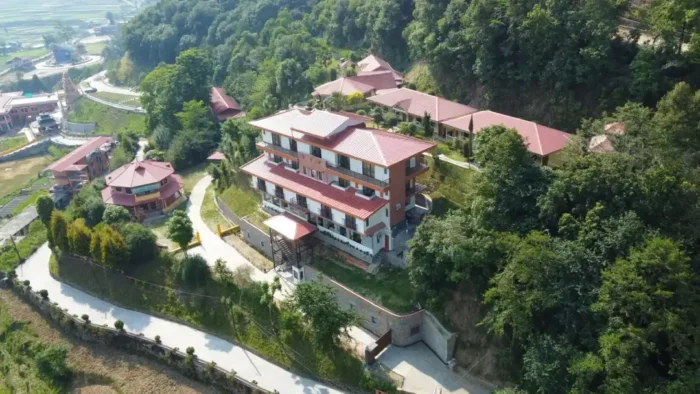
Its location, surrounded by greenery and peaceful mountain views, enhances the experience, making it the perfect spot for yoga practice.

Nepal Yoga Academy

Key Features of Nepal Yoga Academy:

Traditional Yoga Practices:

Nepal Yoga Academy follows authentic yoga practices passed down through generations for the purity of Yoga. Hatha Yoga, Pranayama (breathing exercises) are taught by experienced and certified instructors of the academy. Further ensures that students not only master the physical postures but also understand the deep spiritual and philosophical aspects of yoga.

Comprehensive Programs:

The academy offers various programs, including Yoga Teacher Training and Yoga Retreats. The Yoga Teacher Training program is recognized worldwide and attracts international students who wish to become certified yoga teachers. Retreats typically range from a week to a month, catering to different needs such as detox, stress relief, and spiritual awakening.

Ayurvedic Healing:

For a more integrated experience, the academy provides Ayurvedic treatments, which use natural herbs to increase overall health. Students can enjoy personalized therapies that complement their yoga practice, aiming for mental clarity and physical rejuvenation.

Cultural Immersion:

Nepal Yoga Academy is not just about yoga, it’s about cultural immersion. Students have the opportunity to explore Nepal’s rich heritage and spirituality, including visits to ancient temples, engaging in traditional meditation practices, and participating in local cultural activities.

The Rise of Yoga and Wellness Tourism in Bhaktapur

Over the years, yoga and wellness tourism in Bhaktapur has been growing rapidly. More travelers are choosing Bhaktapur over crowded yoga destinations because of its authentic spiritual vibe, affordable retreats, and deeper connection with nature.

The peaceful environment, away from crowded cities like Kathmandu, allows yoga practitioners to immerse themselves fully in their practice. As yoga continues to grow globally, more people are seeking authentic destinations to disconnect from the stresses of modern life. 

Bhaktapur’s traditional yoga retreats, Ayurveda treatments, and wellness programs provide just that—offering a perfect escape into nature while promoting holistic well-being.

Yoga enthusiasts are drawn not only to the city’s peaceful surroundings but also to the depth of its spiritual practices. Many retreats in Bhaktapur combine yoga with Ayurvedic healing, offering personalized treatments tailored to the individual’s needs. 

These retreats focus on detoxification, stress management, and mental clarity, providing a comprehensive approach to wellness that many tourists find transformative.

In addition to its authentic yoga offerings, Bhaktapur’s rich cultural heritage provides an added dimension to the wellness experience. Visitors can explore ancient temples, participate in local ceremonies, and experience the spiritual energy that permeates the city. 

This combination of yoga, Ayurveda, and cultural immersion makes Bhaktapur a truly transformational destination for wellness travelers.

Embrace the peace and tranquility of this sacred city and embark on a life-changing yoga retreat. Book your wellness getaway in Bhaktapur today and take the first step toward inner peace and rejuvenation!

yogic life

How to Plan Your Yoga Retreat in Bhaktapur

If you’re planning to visit Bhaktapur for a yoga and wellness retreat, here are some tips to make the most of your trip:

  1. Choose the Right Retreat
  • Decide whether you want a traditional yoga experience, an Ayurveda-integrated retreat, or a mix of both.
  • Look for reviews and testimonials to find a reputable yoga center.
  1. Best Time to Visit
  • The ideal time for yoga retreats in Bhaktapur is September to May, when the weather is pleasant.
  • Avoid the monsoon season (June to August) as heavy rains can make traveling difficult.
  1. What to Pack
  • Comfortable yoga clothing.
  • A personal yoga mat (if not provided by the retreat).
  • Ayurvedic supplements (if required for detox programs).
  • Journal for writing reflections and insights during your retreat.

Final Thoughts on Experiencing Yoga in Bhaktapur

Practicing yoga in Bhaktapur is more than just a physical activity—it’s a journey of self-discovery, inner peace, and transformation. Whether you choose a traditional yoga retreat, Hatha Yoga practice, or an Ayurveda-infused program, Bhaktapur offers an experience that nourishes your mind, body, and soul.

If you’re ready to embark on a life-changing wellness journey, Bhaktapur awaits you with open arms. Book your retreat today and embrace the magic of yoga in Nepal’s most spiritual city!

Things you should know before taking a yoga teacher training course

The global market for yoga has skyrocketed in recent years. With the advent of social media and other internet platforms, the craze for yoga teacher training Course has boomed. Yoga is not limited to being a physical activity. It is the divine art of connecting the mind and soul. To emphasize the buzz that yoga has generated, consider that Americans now spend more than $11 billion per year on yoga.

Yoga is often seen as a mere hobby and a means to escape the hustle of modern life. Some people want to escape their boring 9 to 5 job and develop a career in Yoga. If you are one of those people, then you should try yoga in Nepal.

There are plenty of yoga retreats and yoga academies in Nepal that will help you achieve your goal of becoming a full-fledged yoga teacher. However, being a yoga teacher in Nepal is easier said than done. Some facts and figures need to be considered before heading out on this milestone journey.

This blog shall help to cast some light into some things that you need to understand before taking the yoga teacher training course.

YTT- Course

Preparing for Yoga Teacher Training Course.

  • Let go of your expectations

For a novice, yoga can mean only asanas. This can leave them confused and worried as their inner demons tell them that they are not perfect in this pose or that pose. There is also the fear of ‘what others will say?’ They fear that teacher training will be difficult and don’t know if they are ‘good’ enough at yoga for it.

Once people show up to train, they realize that the reality is way different from their expectations. To free yourself from the unnecessary shackle of worry, we advise you to let go of expectations and just give your best. Don’t fret over the result, just enjoy the journey.

  • Leave your ego at the door

Once you have been practicing yoga for a certain amount of time, you’re bound to be adept at some asanas. During the training course, you may have to do the same asanas. Instead of saying ‘I know how to do this’, you should focus on its spiritual aspects. This course is not only about asanas, its about concentration, spirituality, and discipline.

Absorb the knowledge imparted by the Yoga teacher and use it to further expand your horizon of knowledge. A popular Yoga teacher in Nepal believes that little knowledge does more harm than no knowledge.  

  • Make books your companion

A yoga teacher training course is not only limited to asanas and breathing. What many people don’t realize is that training usually involves a lot of reading. For instance, if you take a Yoga training in Kathmandu, you will have to read about prayers, mantras, Vedas, Dhyana, and physiology.

After reading these materials, you will understand about asana. These are merely one aspect of a much more complicated system of health and wellness. A solid grasp on the concepts and facts is needed. Remember that it is the depth of knowledge that separates a good yoga teacher from a great one.

  • Feel free to explore

As you first dive into the subject of Yoga, you’ll feel overwhelmed by the sheer volume and variety of tasks that need to be done. There will be moments where you’ll feel that it is going way over your head. Fear not! You are not the only one that is going through this state of confusion. Everyone else is too. Give it some time and slowly, things will make sense. If you get lost, the mentors are there to guide you. The feeling of not-knowing is amusing so enjoy it while it lasts.

yoga teacher training program

  • Take care of yourself

Yoga teacher training courses demand that you sit in a certain position for few hours and practice different postures. A popular Yoga school in Nepal sees students practice asanas for at least 4 hours a day. These 4 hours comprise solely of stretching, breathing, stretching, and breathing again. Practicing these postures can be difficult and can cause injuries too. Before you practice the asanas, make sure to do some light warm-up and if some sprains occur, be sure to have it checked.

  • Understand the purpose of this yoga training

Before you start a yoga teacher training course or any other type of training course. It is of utmost importance that you understand your purpose. This purpose forms the bedrock of the class and will help you to achieve what you need. For some, this course is a way to escape reality while for some, it is a stepping stone on their journey to become a yoga teacher. As you take this course, you will find new objectives and horizons to conquer which will change you. After completing a Yoga training in Kathmandu, you can be a yoga teacher.

  • Take care of your diet

During your yoga training, it is important to feed yourself healthy, high energy, but light food. At any good residential program, you will be fed a healthy vegetarian food. Before the training course, you can prepare yourself by taking a plant-based diet. A vegetarian diet will help you energize your body and prepare for the yoga.

A yoga teacher training course will not only transform you physically, but it will give you a broader perspective on life. You will meet new people and make new friends. Yoga teacher training will be one of the best decisions that you will ever make and you will have a splendid time and life-altering experience

  • Yoga teacher training courses teach self-awareness

gaining self-awareness is one of the most beneficial aspects of taking a yoga teacher training course.

We are frequently so busy that we do not have time to dwell about our day or our lives, or who we are at our most basic level as humans. Instead, we are parents, partners, spouses, friends, children, and colleagues. We are characterized by what we accomplish rather than who we are.

Introducing new habits, experiences, information, and activities into our life is how we develop. Becoming conscious of ourselves as people, separate from our responsibilities and connections. This is how we improve in all we do and in all aspects of our life.

You will not only learn the skills and strategies for developing self-awareness, but also how to continue thereafter.

  • Confronting different personalities

When dealing with the nature of other people, it is critical to recognize that everyone is unique. Everyone has different priorities and peculiarities. Other people’s egos might be tough to cope with, but keep in mind that most of the problems we have with one another stem from ourselves.

Whether you have a problem with a fellow student or a teacher. You investigate why you are feeling that way in the first place rather than react. Learning more about the various doshas may be a tremendous help in realizing that other people’s actions are due to their nature.

  • This is only the beginning

Teaching yoga is more than just turning up, doing some poses, drinking coconut water, and then going shopping for new yoga clothes… sorry!

Remember your objective, educate from the heart, share your knowledge, and keep growing.

Study and self-reflection (Svadhyaya) are vital components of teaching yoga. After you complete your first yoga teacher training course, you’ll realize that this is the beginning of a lifelong journey. There’s no limit to where it can lead you, and it’s all about practice.

yoga-in-Nepal

Frequently Asked Questions:

How does Yoga accommodate different learning styles in the training?

Include hands-on practice, lectures, discussions, and group work, to cater learning styles.

What are the key components of Yoga?

Asanas, pranayama, meditation, yoga philosophy, anatomy, teaching methodology, and practical teaching experience.

Can I balance my job/studies with the yoga teacher training schedule?

Yes, it is practical to accommodate working professionals and students, offering a flexible schedule that allows you to balance your commitments.

Yoga Classes in Kathmandu: Embrace Authentic Yogic Traditions

Yoga classes in Kathmandu offer an unique opportunity to experience the essence of authentic yogic traditions within a city. 

Nestled in the heart of the Himalayas, Kathmandu stands as a prime place for those seeking inner peace. With a rich heritage rooted in ancient wisdom, this vibrant city is a haven for yoga enthusiasts of all. 

Whether you are a local resident looking to enhance your practice or an international traveler searching for a transformative. Yoga classes in Kathmandu provide a profound and immersive experience. 

From traditional Hatha Yoga to specialized therapeutic sessions, yoga classes cater to diverse needs while allowing you to embrace a holistic lifestyle. Admire the environment and the guidance of experienced yoga gurus. Moreover, you can rejuvenate your body, mind, and spirit in a truly meaningful way.

best yoga retreats in Nepal

Types of Yoga Classes in Kathmandu

1. Traditional Yoga Classes

Kathmandu is home to some of the most authentic and classical yoga teachings. Here, you can immerse yourself in traditional practices that have been passed down through generations:

  • Hatha Yoga: Focuses on physical postures (asanas) and breathing techniques (pranayama) to promote balance and flexibility.
  • Ashtanga Yoga: A dynamic and physically demanding practice involving a fixed series of postures performed in a flowing sequence.
  • Classical Sanatan Yoga: Rooted in ancient Vedic scriptures, this practice emphasizes spiritual growth alongside physical and mental discipline.

2. Specialized Yoga Classes

For those seeking tailored experiences, Kathmandu offers a variety of specialized classes to suit different needs:

  • Yoga for Beginners: Gentle introductions focusing on foundational poses and breathing techniques.
  • Advanced Yoga Practice: Designed for experienced practitioners looking to deepen their practice and explore advanced postures.
  • Therapeutic Yoga: Customized sessions that address specific health conditions. Those conditions such as stress, anxiety, or chronic pain.

3. Yoga for Different Age Groups

Yoga is for everyone and in Kathmandu there are classes tailored to different age demographics:

  • Children’s Yoga: Fun and engaging sessions that introduce yoga through storytelling, games, and playful poses. Further, fostering mindfulness and physical coordination.
  • Youth Yoga: Dynamic and empowering classes that focus on building strength, resilience, and mental clarity.
  • Yoga for the Elderly: Gentle and restorative practices designed to enhance mobility, relieve joint pain, and improve overall health.

4. Lifestyle and Holistic Yoga

Beyond physical postures, there is holistic programs that nurture the mind and spirit:

  • Meditation and Mindfulness Sessions: Cultivate inner peace through guided meditation and mindfulness practices.
  • Pranayama and Breathwork: Harness the power of breath to enhance physical vitality and mental clarity.
  • Yoga Philosophy and Bhagavad Gita Teachings: Dive into the spiritual and philosophical foundations of yoga through ancient scriptures.

Top Yoga Studios and Academies in Kathmandu

Kathmandu provides a diverse range of yoga institutions renowned for their authenticity and expert guidance. Among these, Nepal Yoga Academy stands out as a leading center dedicated to preserving and imparting the wisdom of Sanatan Yoga. With highly experienced instructors and a curriculum rooted in ancient teachings, it offers a transformative learning experience.

Other reputable yoga centers in Kathmandu provide a variety of styles and programs. Thus ensuring that every practitioner finds a class aligned with their goals and preferences.

employees wellness yoga program

Yoga Teacher Training Programs (YTT)

For those aspiring to become certified yoga instructors, Kathmandu offers comprehensive Yoga Teacher Training (YTT) programs. These programs are meticulously designed to provide in-depth knowledge and hands-on experience:

  • 200-Hour YTT: Ideal for beginners, covering fundamental yoga practices and teaching methodologies.
  • 300-Hour YTT: An advanced course for sharpening  your practice and refining teaching skills.
  • 500-Hour YTT: A comprehensive training combining both foundational and advanced studies.

Most YTT programs in Kathmandu are accredited by international organizations like Yoga Alliance, ensuring global recognition of your certification.

These programs delve into the philosophical and anatomical aspects of yoga. Participants receive guidance on class structuring, effective communication, and ethical teaching practices. 

Many programs also offer immersive retreats, allowing trainees to experience holistic living while perfecting their skills. With small class sizes and personalized mentorship, gain the confidence and competence needed to teach yoga globally.

Benefits of Joining Yoga Classes in Kathmandu

  1. Authentic Teachings: Learn from seasoned yoga gurus who uphold the timeless traditions of classical yoga. The deep-rooted spiritual environment of Kathmandu enhances the authenticity of the teachings, allowing you to immerse yourself fully in the yogic lifestyle.
  2. Personalized Experience: Small class sizes allow for individualized attention and guidance. Many studios offer tailored programs to meet specific needs, whether you’re seeking therapeutic benefits, advanced training, or philosophical understanding.
  3. Environment: Practice in tranquil spaces surrounded by the natural beauty of the Himalayas. Many yoga centers are located in peaceful, nature-rich environments that foster relaxation and deep meditation.
  4. Spiritual Growth: Engage with philosophical teachings that nurture both spiritual and personal development. Classes often incorporate ancient texts like the Bhagavad Gita, offering profound insights into self-realization and a balanced life.
  5. Community and Cultural Exchange: Joining yoga classes in Kathmandu provides an opportunity to connect with like-minded individuals from around the world. This shared journey fosters a sense of community, encouraging collective growth and cultural exchange.
  6. Holistic Well-being: Beyond physical fitness, yoga in Kathmandu emphasizes mental clarity, emotional balance, and spiritual awakening, providing a comprehensive approach to overall well-being.

How to Choose the Right Yoga Class

When selecting a yoga class in Kathmandu, consider the following factors:

  • Instructor Expertise: Look for experienced teachers with authentic training backgrounds and certifications, such as those accredited by Yoga Alliance or other reputable bodies. Reading reviews and testimonials can also provide insight into the instructor’s teaching style and effectiveness. Dr. Chintamani Gautam is one of the expert yoga guru.
  • Class Style: Choose a style that aligns with your physical ability and personal goals. Whether you’re a beginner seeking foundational practices or an advanced practitioner aiming for a deeper spiritual journey, Kathmandu offers a diverse range of yoga styles.
  • Location and Accessibility: Consider studios that are conveniently located and offer a peaceful environment conducive to practice. Some studios are situated in serene areas outside the city, offering a retreat-like experience.
  • Budget and Schedule: Evaluate class fees and timings to find a suitable option. Many yoga centers offer flexible packages, ranging from drop-in sessions to comprehensive training programs.
  • Language Accessibility: For international visitors, ensure the yoga studio provides classes in a language you understand. Many reputed studios in Kathmandu offer sessions in English to cater to global practitioners.
  • Specialized Offerings: If you have specific health concerns or seek a particular focus like meditation or pranayama, choose a studio with specialized programs that meet your needs.


For international visitors, check for studios that offer classes in English and provide assistance with logistics such as accommodation and transportation.

Yoga teacher training school
Nepal Yoga Academy

Unique Yoga Experiences in Kathmandu

Kathmandu offers more than just conventional yoga classes. Unique experiences include:

  • Yoga and Trekking Retreats: Combine spiritual practice with breathtaking Himalayan treks, allowing participants to harmonize with nature while deepening their yoga practice.
  • Ayurvedic Healing and Yoga Integration: Experience holistic healing through the combination of yoga and Ayurvedic therapies, offering personalized wellness programs tailored to individual needs.
  • Seasonal Yoga Retreats: Engage in immersive retreats during auspicious times of the year, such as solstices and equinoxes, which align yoga practice with natural rhythms for enhanced spiritual connection.

“Start Your Yogic Journey in Kathmandu – Find the Perfect Class for You!”

Testimonials and Success Stories

Students from around the world have shared profound experiences from their time in Kathmandu. Many recount life-changing journeys, finding not only physical improvement but also mental clarity and spiritual awakening. From seasoned practitioners to complete beginners, these testimonials highlight the transformative power of yoga in this sacred city. While joining Yoga Classes in Kathmandu.

Practical Information

  • Class Schedules and Fees: Most yoga centers offer flexible schedules, with both drop-in classes and long-term programs. Fees range from $10 for a single session to $1,500 for immersive teacher training programs.
  • Booking a Class: Many institutions provide online registration, while others welcome walk-in participants.
  • Best Time to Visit: The ideal months to join yoga classes in Kathmandu are March-May and September-November, offering pleasant weather and clear skies.

Conclusion

Yoga classes in Kathmandu offer a unique blend of ancient wisdom, holistic healing, and personal transformation. Whether you seek physical wellness, spiritual growth, or a comprehensive yoga education, Kathmandu provides an authentic and immersive environment. Take the first step today and immerse yourself in the timeless wisdom of yoga. Embrace the timeless teachings of Sanatan Yoga and embark on a journey that nourishes your body, mind, and soul amidst the serene beauty of the Himalayas.

chat-in-website
Need Help? Chat with us
chat-in-website
Need Help? Chat with us