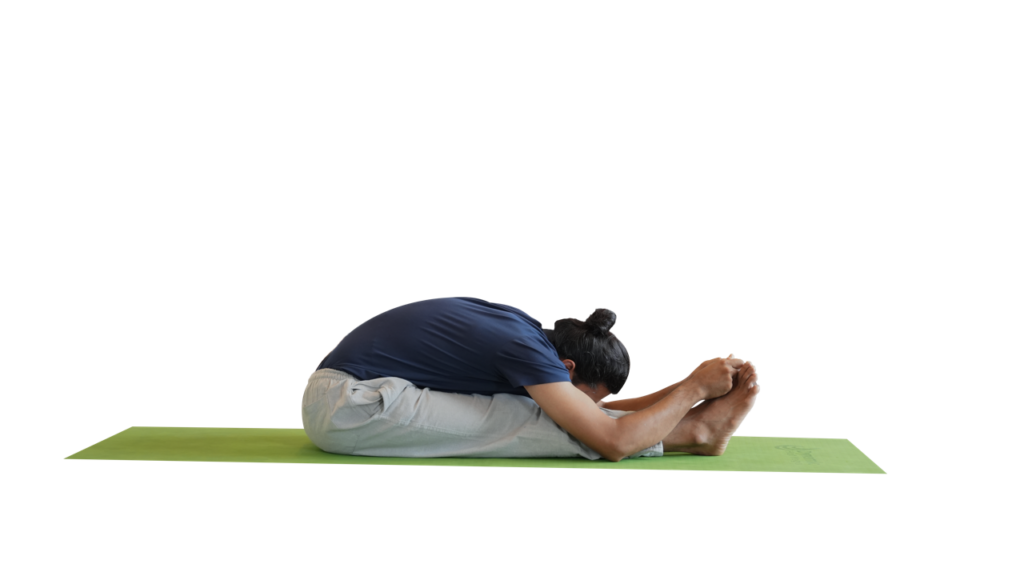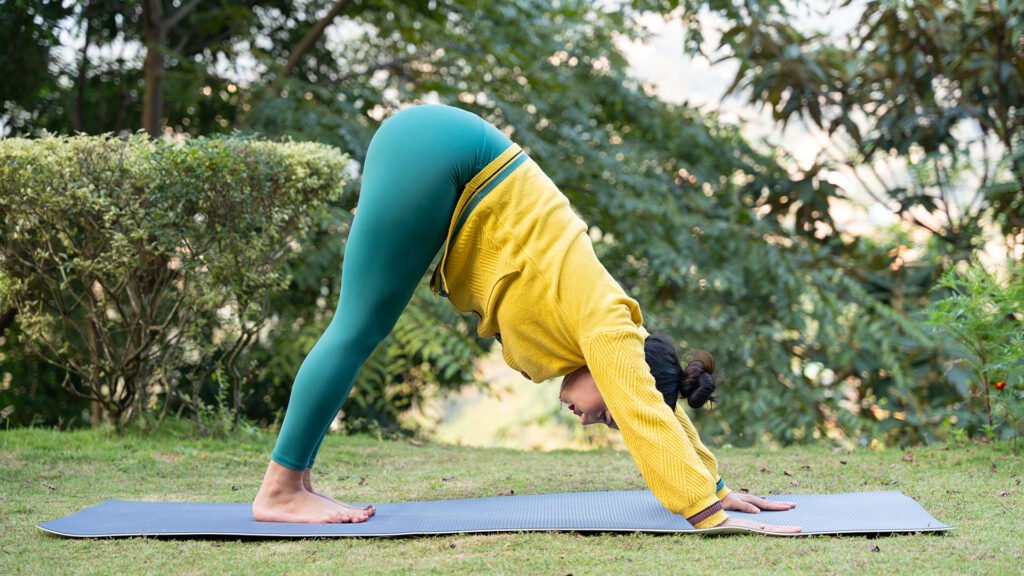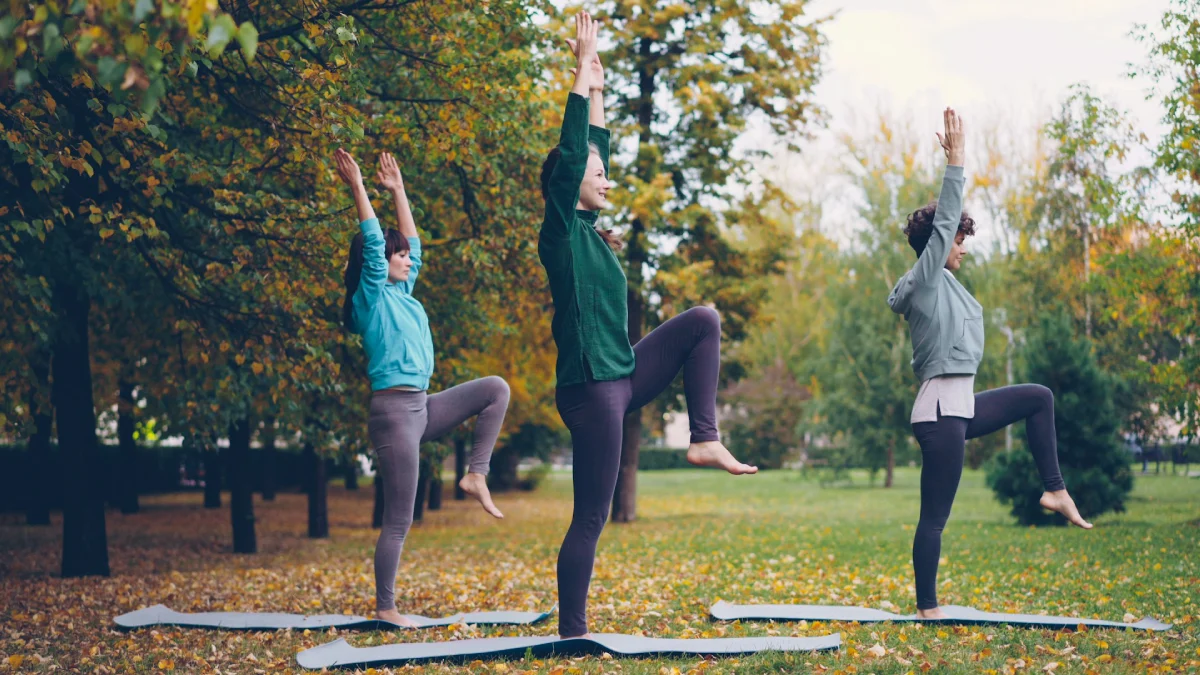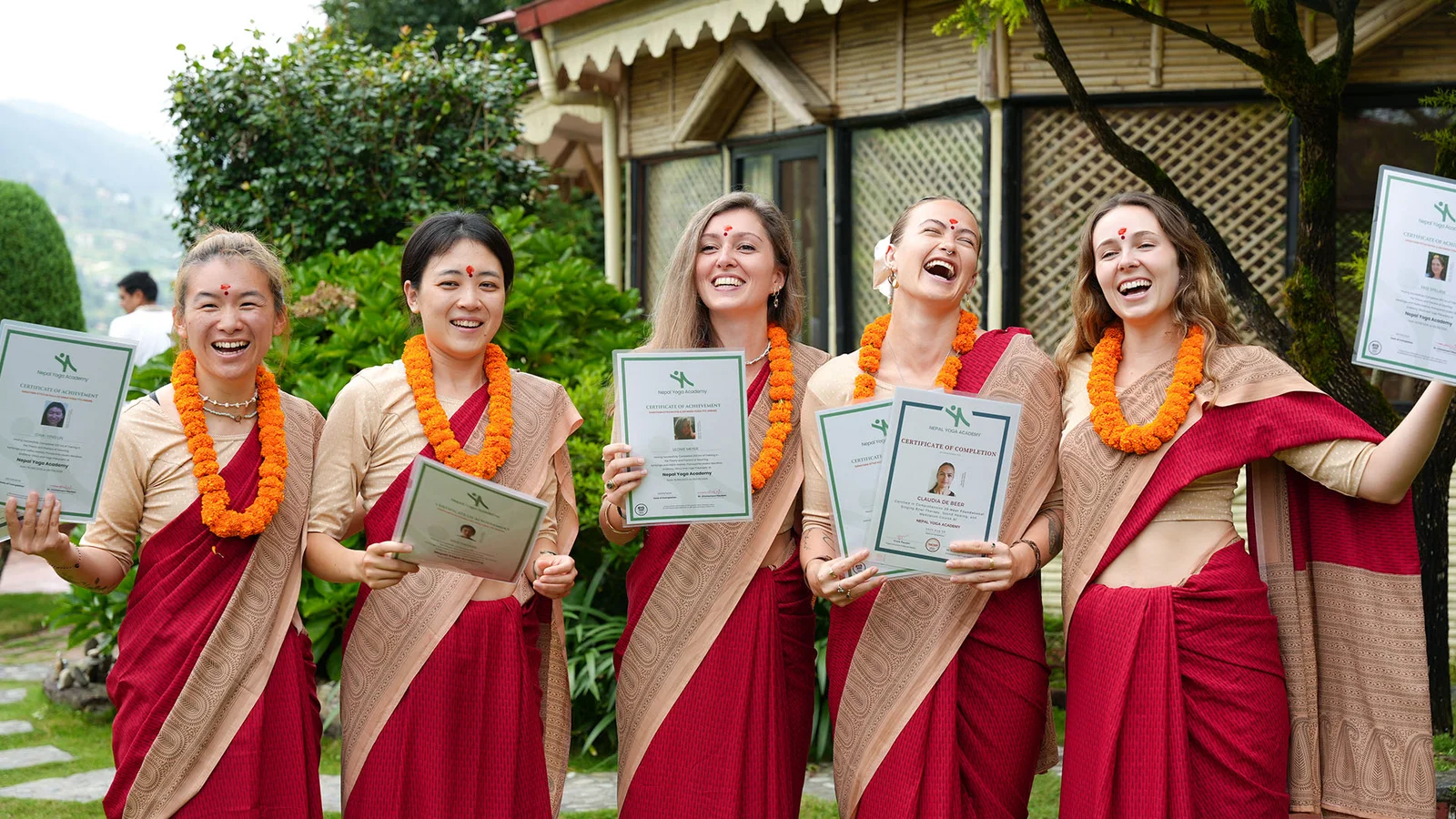
Yoga for Stress Relief: Best Poses to Calm Your Mind

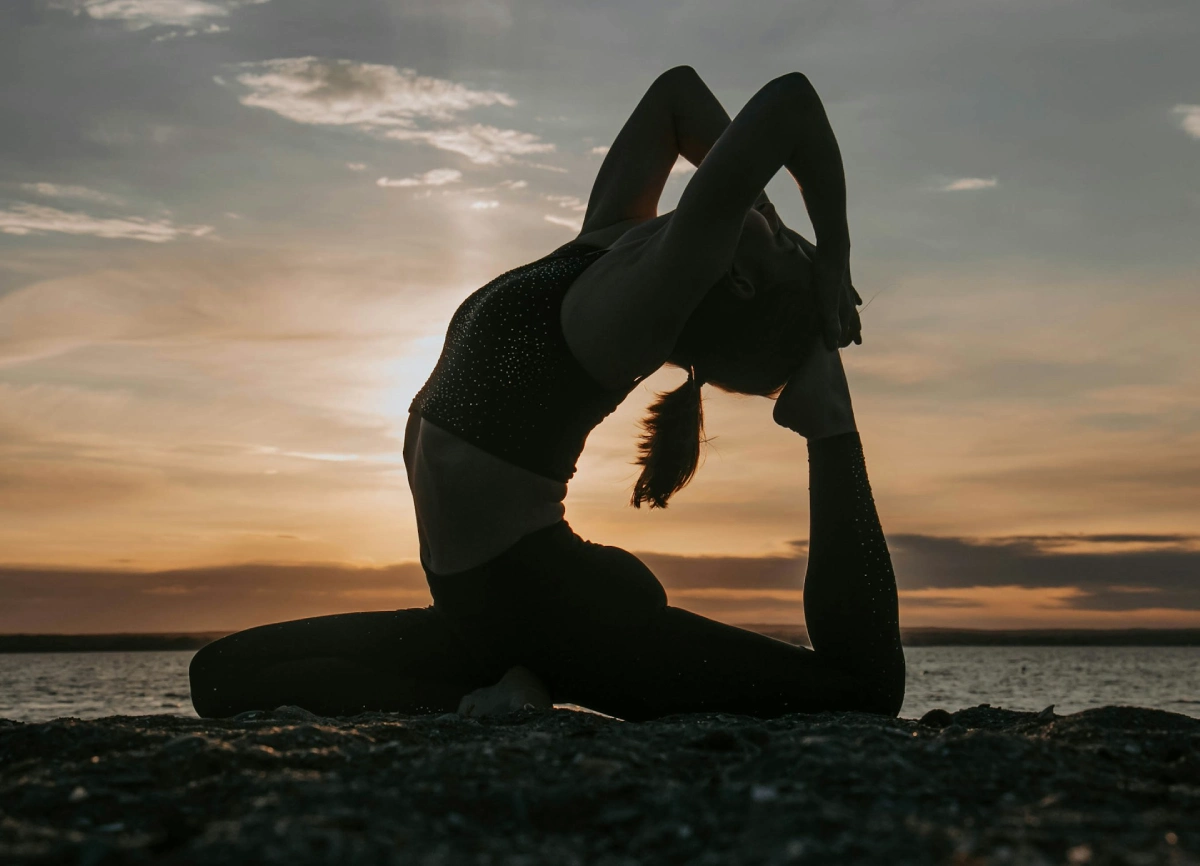
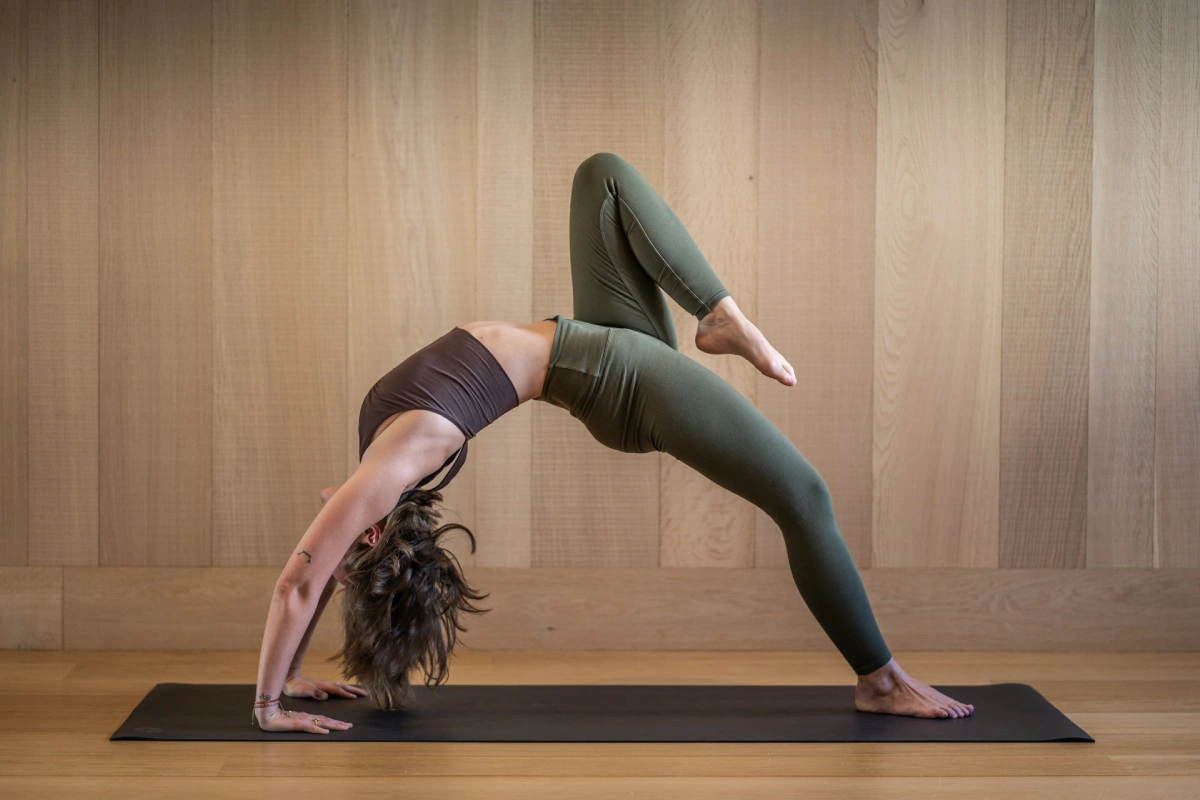
Stress has become part of our daily lives. Between work, family, and constant notifications, it’s hard to find a moment of peace. Yoga for stress relief is a natural and straightforward way to ease that tension. By moving gently and focusing on your breath, you can relax your body, quiet your mind, and restore a sense of calm and balance. In this article, we’ll explore how yoga helps relieve stress and highlight some of the best yoga poses to help you feel peaceful and centered.

Suppose you’re passionate about learning yoga deeply. In that case, you can also consider yoga teacher training, which can enhance your knowledge and help you teach others how to manage stress through mindful practice.

Understanding the Connection Between Yoga and Stress Relief

Yoga is much more than physical exercise. It’s a holistic practice that unites the body, mind, and spirit through poses (asanas), breathing techniques (pranayama), and meditation.

When you practice yoga regularly, it triggers the body’s relaxation response — reducing cortisol levels, slowing down the heart rate, and lowering blood pressure. Yoga also encourages mindfulness, which helps you stay present rather than worry about the past or future.

Scientific studies continue to show that yoga can genuinely help reduce anxiety, depression, and everyday stress. It makes you feel better, helps you sleep better, and provides your mind the space it needs to relax. Yoga is one of the best ways to manage stress in a natural, steady way.

The Benefits of Yoga for Stress Relief

  1. Yoga soothes your nervous system. Just slowing down, stretching, and focusing on your breath can help your body relax and your mind feel lighter.
  2. It clears your head. Paying attention to the present moment during practice makes it easier to think clearly and handle challenges without feeling overwhelmed.
  3. It keeps your emotions steady. Regular yoga helps you notice your feelings without getting caught up in them, so you can respond with calm rather than react impulsively.
  4. It takes care of your body. Stretching, moving gently, and holding poses strengthen your muscles, improve flexibility, and relieve stress-related tension.

Taking a yoga teacher training lets you dive deeper into how yoga works and why it helps. You’ll also learn how to guide others so they can feel the same calm, clarity, and balance in their own lives.
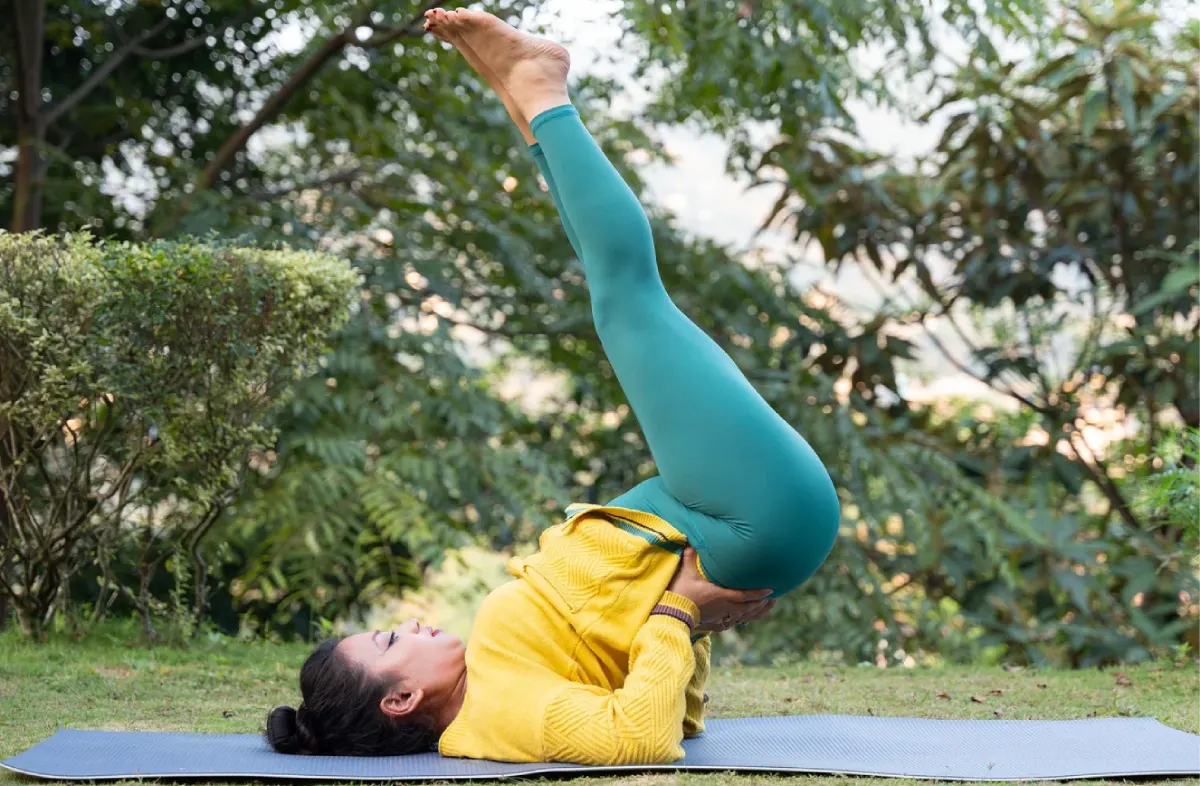
yoga for stress relief info

Best Yoga Poses for Stress Relief

Here are some simple and effective yoga poses to help you relax your mind and body. They are beginner-friendly and can easily be done at home, even in a small space.

1.  Balasana (Child’s Pose )

This gentle resting pose helps release tension in your lower back, shoulders, and neck — common areas where stress accumulates.

How to Do It:

  • Kneel on the floor and bring your big toes together.
  • Sit back on your heels and stretch your arms forward, lowering your forehead to the mat.
  • Take slow, deep breaths and stay 1–2 minutes in the pose.

This will help calm the nervous system, relieve fatigue, and encourage deep relaxation.

2. Marjaryasana-Bitilasana (Cat-Cow Pose)

This gentle pose links your breath with movement, easing stiffness in the spine and helping you tune in to your body. Moving slowly between the two positions encourages flexibility, warms up the back, and brings a sense of calm.

Steps:

  • Begin on all fours, with your hands under your shoulders and knees under your hips.
  • Inhale and gently arch your back, lifting your chest and tailbone toward the ceiling (Cow Pose).
  • Exhale and round your spine, drawing your chin toward your chest (Cat Pose).
  • Exercise gently and attentively for 5-10 rounds.

This basic stance reduces back stress, increases flexibility, and helps restore emotional equilibrium.

3.  Uttanasana (Standing Forward Bend)

This pose encourages deep relaxation by increasing blood flow to the brain and relieving anxiety.

Steps:

  • Stand with feet hip-width apart.
  • Exhale and bend forward from your hips, letting your head hang naturally.
  • You can bend your knees slightly for comfort.
  • Hold for 30–60 seconds, breathing deeply.

This pose soothes the mind, stretches hamstrings, and releases physical stress.

4.  Viparita Karani (Legs-Up-the-Wall Pose)

This gentle inversion pose is among the most restorative in yoga. It helps your body unwind and brings an immediate sense of calm to your mind.

Steps:

  • Sit with one hip close to a wall, then gently lie down on your back.
  • Swing your legs up the wall, keeping your hips as close as feels comfortable.
  • Let your arms rest softly by your sides and close your eyes.
  • Stay here for 5–10 minutes, allowing your breath to slow and your body to fully relax.

This pose improves circulation, reduces fatigue, and promotes deep relaxation.

5.  Savasana (Corpse Pose)

Savasana is usually done at the end of a yoga practice, and for good reason. It gives your body and mind a chance to settle, breathe, and fully take in the benefits of everything you’ve just worked through. It’s a quiet moment of rest that helps you finish your practice feeling grounded and refreshed.

Steps:

  • Lie flat on your back with arms and legs comfortably apart.
  • Close your eyes and focus on your breath.
  • Stay still for 5–10 minutes.

This pose helps calm the mind, reduce anxiety, and relieve insomnia.

Breathing Techniques for Stress Relief

Besides poses, breathing is equally essential in yoga. Knowing specific breathing techniques, or pranayama, helps reduce stress and makes you feel more grounded.

  • Deep Belly Breathing: Breathe deeply into your abdomen instead of shallow chest breathing.
  • Alternate Nostril Breathing (Nadi Shodhana): Balances both sides of the brain and calms the mind.
  • Box Breathing: Inhale for four counts, hold for 4, exhale for 4, and hold for four again, and repeat several times.

So, you should include all the breathing exercises discussed above in your daily routine to bring instant peace and clarity.

How Yoga Teacher Training Deepens Stress Relief Practice

If you genuinely want to understand how yoga works for stress relief, enrolling in a yoga teacher training program is highly beneficial.

Such training provides in-depth knowledge of:

  • Yoga philosophy and mindfulness
  • Anatomy and physiology
  • Meditation and breathing practices
  • Sequencing and teaching techniques

Even if you don’t plan to teach professionally, yoga teacher training can be a life-changing experience. It helps you develop self-awareness, discipline, and a deeper connection to your inner peace. Additionally, you’ll learn how to create customized stress-relieving practices for both yourself and other people.

Tips to Make the Most of Your Yoga Practice

  1. Consistency matters. Even just 10 minutes yoga routine daily can make a noticeable difference in how you feel.
  2. Try to create a calm, uncluttered space for your practice. A peaceful environment naturally helps your mind settle.
  3. Listen to your body as you move. Go gently, ease into each pose, and avoid pushing yourself beyond your comfort zone.
  4. Pair your practice with a few minutes of meditation. It deepens the sense of relaxation and helps your mind feel clearer and more grounded.
  1. Be patient: Stress alleviation is a long process. With frequent practice, you will gradually feel more relaxed.

In the end

Almost everyone carries some level of stress, worry, or emotional weight these days. Yoga offers one of the simplest and most natural ways to soften those feelings. When movement, breath, and awareness flow together, they create a quiet space within you; one where things feel a little lighter, a little more grounded. With time and steady practice, these poses and breathing exercises start to shape how you feel each day. Your mind settles more easily, your focus slowly becomes clearer, and you begin to handle stress with a little more softness.

Isn’t this sound interesting? You should get yourself ready and plan for the program.

If you ever feel drawn to deepen your understanding of yoga or share its benefits with others, taking a yoga teacher training can be a significant step forward. And at the heart of it all, yoga is simply about showing up as you are, listening to yourself, and creating a little calm and clarity in your life, one practice at a time.

Benefits of Yoga Teacher Training in Nepal for Global Yoga Practitioners

Yoga teacher training is more than learning poses or teaching skills. It is a journey that strengthens the body, calms the mind, and nurtures the soul. Find benefits of yoga teacher training through practice, students connect with themselves, find balance, and experience a deeper sense of peace and happiness.

For centuries, people have come to the Himalayas to learn yoga in its most authentic form. They come not just for physical fitness, but to gain clarity, inner wisdom, and a chance to discover themselves truly.

Today, Yoga Teacher Training in Nepal has become one of the most meaningful paths for those who wish to deepen their personal practice or become certified yoga instructors. Nepal offers a rare and inspiring learning environment where nature, tradition, and spirituality come together. Surrounded by the serene Himalayan mountains, students naturally feel energized, focused, and open to growth.

Benefits of Yoga Teacher Training in Nepal

Yoga training in Nepal is a journey, not just a course. Teachers work closely with small groups, guiding each student with care so they can learn proper alignment, breathing, and meditation. Alongside the physical practice, students explore yoga philosophy and mindful living, learning how to bring yoga into everyday life.

But it’s not all classroom work. Students also get to experience Nepal’s culture and spirituality firsthand, visiting ancient temples, meeting local communities, and practicing yoga in serene natural spots by rivers, in forests, or with mountains all around. It’s a mix that makes learning meaningful, peaceful, and truly transformative.

In the end, yoga teacher training in Nepal is more than a certificate. It’s a chance to grow, physically, mentally, and spiritually, and gain the confidence to share the practice with others.

Why Choose Yoga Teacher Training in Nepal?

Nepal is globally known for its spiritual heritage, ancient yogic traditions, and majestic Himalayan landscapes. Around the world, there are numerous commercialized yoga destinations, but beautiful Nepal offers a calm, authentic, and peaceful environment that supports genuine transformation.

When you choose yoga training in Nepal, you do more than earn a certificate; you embrace a mindful lifestyle rooted in simplicity, discipline, and self-awareness.

Students will have a place surrounded by mountains, rivers, and forests to practice yoga that helps absorb natural energy, enhance focus, and support learning. Teachers provide close guidance, assisting students to master every posture, breathing technique, and meditation practice. Beyond physical movement, students learn yogic philosophy, daily mindful habits, and tools for cultivating inner peace.

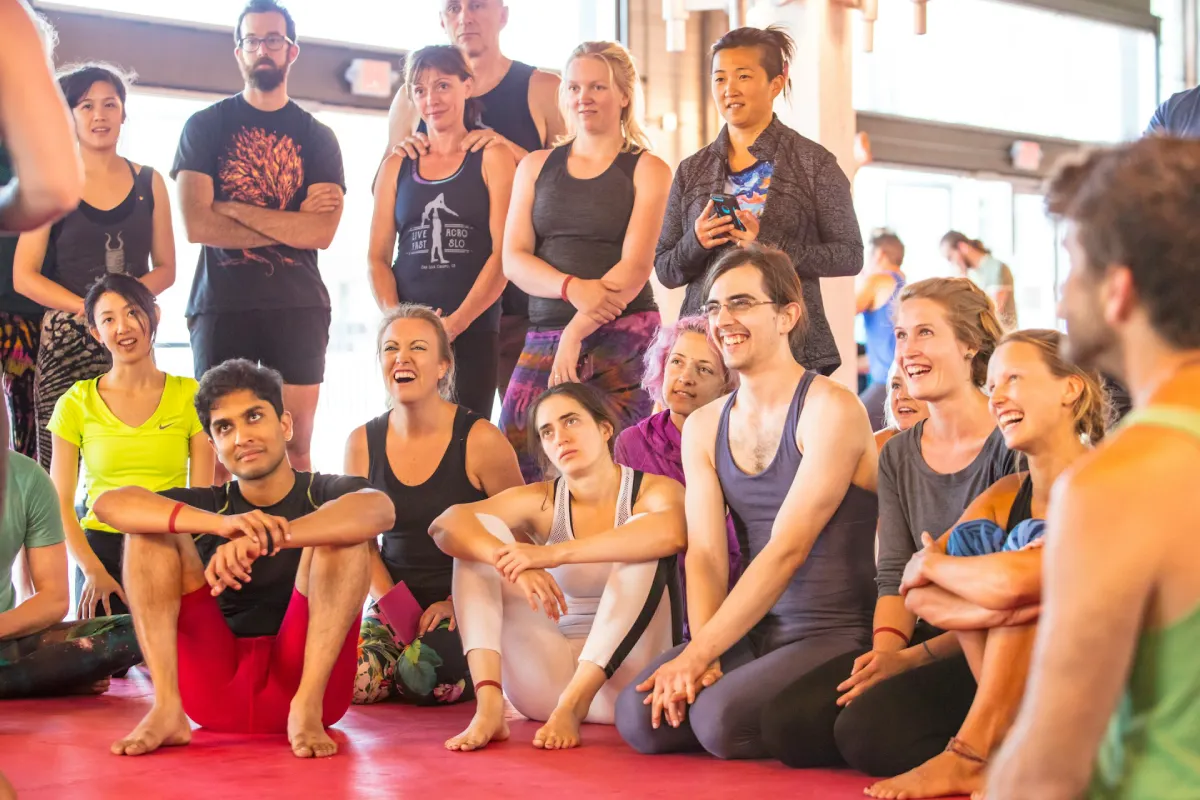
Yoga teacher training school
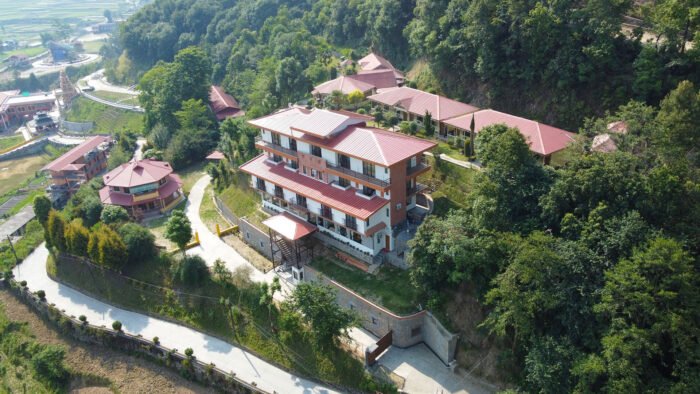
Nepal Yoga Academy

Authentic Yogic Roots and Spiritual Environment

One of the most significant benefits of Yoga Teacher Training in Nepal is the chance to learn yoga in its proper spiritual setting. Nepal has deep historical and philosophical ties to both Hinduism and Buddhism, making it an ideal place to study yoga. Unlike modern studio classes, yoga training in Nepal lets students experience yoga as a whole lifestyle, connecting the body, mind, and soul.

Many yoga centers are near ancient temples, Buddhist monasteries, and sacred meditation sites. Being close to these spiritual places gives students energy that naturally improves their focus, concentration, and meditation practice. It also encourages self-reflection, helping students better understand themselves and their inner growth.

Practicing yoga in such peaceful and inspiring surroundings allows students to feel the real essence of yoga. They learn that yoga is not just physical exercise but a transformational practice that nourishes the mind and spirit. Yoga training in Nepal lets you grow spiritually, connect with nature, and experience yoga in its purest, most authentic form.

Learn Yoga in the Presence of the Himalayas

In yogic philosophy, the Himalayas are revered, and doing yoga there may have profound, long-lasting effects on the body, mind, and soul. Students can stay focused, keep their emotions in check, and develop deeper connections with themselves because of the mountains’ overwhelming energy. With such beautiful surroundings, every yoga practice seems more peaceful, inspiring, and meaningful.

The benefits are:

  • The clean Himalayan air improves oxygen intake and lung capacity, making pranayama exercises more productive and stimulating.
  • The peaceful environment reduces mental noise and stress, enabling deeper meditation and stronger present-moment awareness.
  • Far from city life and daily pressures, students can focus entirely on yoga, reflection, and learning. This helps them better understand themselves and their practice.

Many students say that practicing yoga in the Himalayas allows them to reconnect with their inner selves. It makes the training immersive, transformational, and truly life-changing.

Highly Experienced and Traditionally Trained Yoga Teachers

The chance to study directly from instructors who have dedicated years to practicing traditional yoga is a major advantage of Yoga Teacher Training in Nepal. Their advice adheres to the profession’s genuine origins by fusing profound knowledge with real-world experience. With their help, students not only learn how to execute postures safely and successfully, but they also start to comprehend the deeper meaning of yoga, its philosophy, mindfulness, and the relationship between body, mind, and spirit.

Most yoga instructors in Nepal:

  • Have studied yoga for decades – They dedicate their lives to learning, practicing, and teaching yoga, ensuring that students receive authentic guidance.
  • Follow the Gurukula teaching tradition – This traditional method focuses on close mentorship, personal attention, and a deep teacher-student connection.
  • Emphasize discipline, ethics, and self-practice – Teachers guide students to develop consistency, mindfulness, and personal growth both on and off the mat.

Training focuses on classical styles such as:

  • Hatha Yoga
  • Ashtanga Yoga
  • Pranayama and Meditation
  • Yogic philosophy and lifestyle

This approach ensures that students gain a full understanding of yoga as a complete lifestyle. They learn authentic techniques, ancient wisdom, and practical habits rather than receive commercialized or watered-down yoga instruction.

yoga teacher training program

Internationally Recognized Yoga Alliance Certificate

In Nepal, you can earn the internationally recognized Yoga Alliance Certificate through programs run by some of the most reputable yoga schools. Once you can get this certificate, you can teach yoga anywhere in the world.

These certifications ensure that you receive a well-structured, excellent education that meets international standards. Completing a recognized curriculum in Nepal not only improves skills but also lends legitimacy and confidence to aspiring yoga instructors.

Available Certifications:

From simple breathing and poses to more intricate practices, meditation, and instructional techniques, these training programs focus on a particular aspect of yoga. In addition to learning proper posture and gaining a comprehensive grasp of yoga philosophy and lifestyle, students receive hands-on teaching.

This international recognition is one of the reasons why Nepal is trusted as a perfect destination for professional yoga teacher training. Students gain authentic knowledge, practical teaching experience, and the confidence to teach yoga anywhere in the world. Yoga training in Nepal combines spiritual growth, cultural understanding, and professional development into one life-changing journey.

Budget-friendly Yoga Teacher Training Program

One of the most practical benefits of yoga training in Nepal is its affordability. Compared to popular yoga destinations like Europe, the USA, Bali, or Australia, Nepal offers high-quality yoga education at a much lower cost. Students can enjoy a complete, professional training experience without worrying about excessive expenses.

What is included?

  • All lessons, guided practices, and teacher support. This ensures full access to all the learning materials students need.
  • Comfortable, clean, and peaceful living spaces are provided, often close to yoga centers and surrounded by nature.
  • Healthy, vegetarian meals prepared according to yogic principles are included, supporting energy, focus, and overall well-being.
  • Detailed study guides, manuals, and resources to help students practice, revise, and teach yoga effectively.

This combination of high-quality training and low costs makes affordable yoga teacher training in Nepal an excellent choice for those seeking a comprehensive learning experience. They may focus entirely on practice, self-growth, and spiritual development without financial concerns, making their path extremely satisfying and transformative.

Deep Personal Development Beyond Teaching Proficiency

In Nepal, yoga teacher training focuses on personal development as well as teaching yoga. Students may discover themselves while honing their professional teaching skills in a calm, encouraging setting during the course. Students can develop physically, emotionally, and spiritually with the support of competent teachers, daily yoga practice, and thoughtful habits.

Students often experience:

  • Emotional healing, such as meditation, self-reflection, and mindful practices, helps release stress, anxiety, and emotional blockages.
  • Increment in the self-awareness where students better understand their thoughts, emotions, and behaviors, learning to live more consciously.
  • Improvement in discipline and confidence that follows a structured daily schedule and consistent practice builds self-discipline, focus, and trust, both on and off the mat.
  • Mental clarity and inner peace, as mindful exercises, meditation, and quiet reflection help clear the mind, reduce distractions, and bring calm.

Daily practices like meditation, self-study (Svadhyaya), periods of silence, and yogic routines help students reconnect with their true nature. Many describe Yoga Teacher Training in Nepal as a life-changing experience that transforms them physically, mentally, and spiritually.

Immersive Yogic Lifestyle and Cultural Experience

Students may fully immerse themselves in an authentic yogic lifestyle while training in Nepal. Living this manner fosters a strong connection between students and yoga on and off the mat, resulting in long-lasting benefits for their physical, mental, and spiritual well-being.

Let’s get an idea about the yogic lifestyle:

  • Beginning each day with quiet meditation, focusing the mind, and setting a calm tone for the day.
  • Fresh, healthy, and simple meals nourish the body and support energy for daily yoga practices.
  • Limiting phone and internet use helps students stay present, mindful, and fully engaged in training.
  • Guiding students through structured routines that help them in yoga practice, self-study, reflection, and personal growth.

Beyond the yoga mat, students explore Nepalese culture, rituals, festivals, and local traditions. This cultural experience deepens respect for yoga as a living, spiritual tradition rather than just a fitness trend.

Holistic Curriculum for Complete Yogic Knowledge

A well-designed Yoga Teacher Training program in Nepal provides a well-rounded curriculum that blends theory and practical application.The curriculum equips students with the knowledge and skills to become confident yoga instructors while fostering their physical, mental, and spiritual development. Training takes place in calm, inspiring settings that encourage focus and learning. These areas frequently have rivers, mountains, and other magnificent natural features.

You will learn:

  • Correct postures, safe alignment, and modifications for different body types, building strength, flexibility, and confidence.
  • Breathing techniques improve energy, focus, overall health, and calm the mind.
  • Regular meditation helps develop awareness, inner peace, and concentration for personal and teaching growth.
  • Study ancient texts to understand yoga as a lifestyle, not just physical exercise.
  • Knowledge of the body helps students teach safely and understand how yoga affects muscles, joints, and organs.
  • Learn effective instruction, communication, and ethical responsibility to prepare for professional teaching.

This integrated approach ensures students develop physical strength, mental stability, and spiritual understanding while becoming skilled and confident yoga teachers.

Safe, Supportive, and Inclusive Learning Environment

Nepal is famous for its warm hospitality and friendly, welcoming people. Yoga schools here create a safe, supportive, and comfortable environment for all students, including international travelers, solo participants, and beginners. In this welcoming and peaceful setting, students can truly relax, focus on their practice, and thoroughly enjoy every part of the training.

The advantages are:

  • Limited class sizes ensure personalized attention and more hands-on guidance during practice.
  • Comfortable accommodations and secure environments make students feel confident and cared for.
  • Teachers provide one-on-one support, helping each student improve alignment, breathing, and meditation skills.
  • Close mentorship builds trust, encourages questions, and deepens learning in a meaningful way.

These advantages make Nepal an ideal place for both beginners and advanced students pursuing Yoga Teacher Training, offering growth, learning, and transformation in a safe, supportive setting.

Suitable for both Beginners and Advanced Practitioners

Yoga Teacher Training in Nepal offers classes for all skill levels, regardless of experience level. These courses provide systematic instruction so that students can develop gradually, build self-assurance, and understand yoga as a practice and a way of life.

  • Beginners: Build strong foundations by learning basic postures, breathing techniques, meditation, and core yoga principles.
  • Intermediate students: Refine alignment, improve teaching skills, and deepen understanding of yoga philosophy and techniques.
  • Advanced practitioners: Explore advanced postures, meditation, and lifestyle practices while enhancing personal growth and wisdom.

This step-by-step, progressive approach allows every student to grow naturally, transforming from a curious learner into a skilled, confident, and inspiring yoga teacher ready to guide others.

Why is Nepal better than other yoga destinations?

Nepal remains quietly authentic, far removed from the commercial buzz of popular yoga hubs like India, Bali, or Thailand. It isn’t promoted as loudly as yoga destinations like India, Bali, or Thailand, and that’s part of what makes it special. The focus here feels less commercial and more inward, with an atmosphere that naturally supports quiet study and self-reflection.

Still confused? Let’s look more closely at the reason for standing out in the world.

  • You will feel the strong spiritual atmosphere. Nepal, especially its yoga locations, is home to ancient temples, monasteries, and sacred sites, and students feel connected to yoga’s spiritual roots.
  • There are fewer distractions here, as you will be away from busy tourist areas, and students can focus entirely on yoga, meditation, and self-discovery.
  • Get the authentic teaching methods where teachers follow the traditional Gurukula-style approach, emphasizing discipline, philosophy, and personal attention.
  • Feel the powerful Himalayan energy as the mountains create calm, inspiration, and a natural environment that enhances learning and inner peace.

Conclusion: Transform Your Life with Yoga Teacher Training in Nepal

Choosing Yoga Teacher Training in Nepal is more than just getting a certificate. It is a journey of self-discovery, discipline, and inner peace. The benefits of yoga teacher training here include physical strength, mental clarity, spiritual growth, and professional confidence.

Nepal offers the perfect mix of authenticity, affordability, and spiritual depth. Beginners can build a strong foundation, while advanced students can deepen their practice, meditation, and understanding of yoga philosophy. The training also teaches teaching skills, breathing techniques, and mindful living.

By joining a Yoga Teacher Training course in Nepal, students not only learn yoga but also grow physically, mentally, and spiritually. It is a life-changing experience that helps you become a confident yoga teacher or live a healthier, more mindful, and peaceful life.

General Rules: Tips for Performing Pranayama

Following a few easy techniques makes pranayama practice simpler and more enjoyable. Begin by locating a quiet place where you may sit comfortably with your back straight. Good posture allows your lungs to expand completely and promotes smooth, steady breathing.

Begin with gentle, quiet breaths, and never force an inhalation or exhalation. Your breathing should be smooth and natural. Practice on an empty stomach, ideally in the morning when your mind is fresh and clear. If you feel dizzy or uncomfortable, halt and resume regular breathing. Consistency is more crucial than intensity, so begin with a few minutes and gradually increase the duration as your body adjusts.

Instead of striving for perfection, focus on awareness. Allow yourself to relax while paying attention to how your breath goes through your body. Pranayama, with constant practice, builds a calming habit that leaves you feeling clearer, more energetic, and more balanced.

Pranayama Preparation

  • It is best to be experienced and skilled in asanas before mastering pranayama. This is because practicing various asanas increases the elasticity of the lungs and flexibility of the intercostal (rib) muscles, by opening and compressing the chest area. This allows the lungs to expand further and fill with air more smoothly and effectively. Practice relevant asanas to prepare the intercostal muscles, pelvic floor, and thoracic diaphragm for pranayama.
  • In traditional philosophy, it is recommended to do pranayama in a place with a lamp of ghee, which purifies the environment.
  • The cushioning to sit on during pranayama should be comfortable and organic (if possible). Good choices include cotton cushion/organic yoga mat/blanket/kusa-mat (grass mat).
  • Pranayama should always be done in a quiet place. Noise creates distractions, and makes the practice less effective.
  • The best time to practice is early morning before sunrise. During this time, there is often less air pollution and the body and mind are recovered from a whole night of sleep. Another good time to practice is during or after sunset when the air/environment is cool and comfortable.
  • Empty the bladder and bowels before practicing pranayama. If constipated, you can still practice carefully because the muscles and membranes of the intestines are sufficiently strong. When practicing in the morning, drinking water and washing the eyes with water beforehand improves the removal of toxins from the body during pranayama.

Performing Pranayama

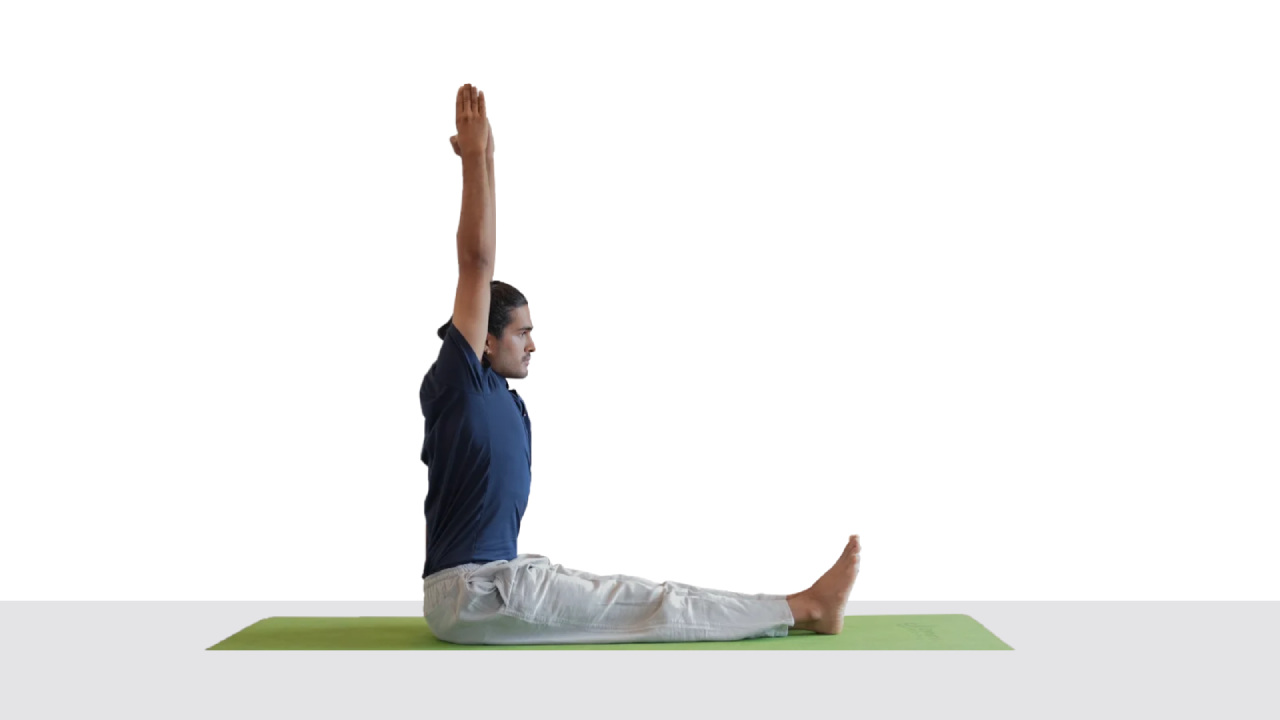
  • Always sit straight neck and spine erect and in alignment during pranayama. Relax the whole body, especially the face, head, and neck, which makes the practice easier and more effective.
  • Breathing should always be through the nose, and not the mouth, unless otherwise stated (e.g. Sheetali and Sheetkari).
  • While inhaling, expand chest upward and outward, lengthening the spine. Do not raise the shoulders or allow your torso to tilt forward, backward, or to either side, which will prevent the lungs from expanding fully and will put excess tension on the neck and throat. The breath should begin expanding from the navel and sides of the lower abdomen (below the ribcage).
  • The breath taken into the body is absorbed by the cells of the body. Try to feel the sensations from the breath throughout the body.
  • While holding the breath in, keep the chest up and spine lengthened.
  • While exhaling, allow the breath to come out steadily and smoothly under control, keeping the spine and neck erect and upright, and the ribcage lifted. Do not contract the chest or abdomen or slouch.
  • Pay close attention to the rhythmic pattern of the breath.
  • During pranayama, the posture you sit in should be as comfortable as possible.
  • Do not clench or jerk the diaphragm. Breathe should be smooth and controlled the entire time.
  • If there is any jerking/skipping in the flow of the inhalation or exhalation, this is a sign of loss of concentration.
  • If you feel tired, do some light exercises before or during pranayama to reduce fatigue and stiffness. Lie in shavasana after pranayama to release tension from the body and mind.
  • Always perform pranayama with patience, caution, and mindfulness.

Holistic Yoga and Wellness Retreat in Nepal: Himalayan Healing Packages

A yoga and wellness retreat is a program designed to help people escape daily stress. It focuses on physical, mental, and spiritual well-being. The retreat includes yoga, meditation, and mindful movement. Guests also enjoy healthy meals and holistic therapies. These practices support natural healing and overall wellness. These retreats provide a serene environment for relaxation, self-discovery, and personal growth.

Taking time to slow down and reconnect with your mind and body has become more critical than ever for overall health. It is not just a simple holiday because it guides you toward deeper holistic wellness and a calmer, more mindful way of living. These retreats guide you to practice gentle yoga and meditation every day. They help you discover mindful movement and healthy habits. You also experience natural healing through these daily practices.

Nepal is one of the best places for such a journey because its mountains offer peace, fresh energy, and spiritual inspiration. The country has a long history of yoga retreats and meditation traditions. At Nepal Yoga Academy, we combine ancient wisdom with modern comfort. Our retreats provide meaningful experiences for those seeking transformation and personal growth.

What Is a Yoga and Wellness Retreat?

A yoga and wellness retreat is a carefully planned program that helps you step away from stress and daily pressure. These retreats allow you to fully immerse yourself in a lifestyle of healing, balance, and mindful living every single day.

These retreats are more than regular yoga classes. They include meditation sessions, pranayama, healthy meals, nature walks, and Ayurveda therapies. Personal growth workshops are also part of the experience, designed to help you learn more about yourself and your overall wellness.

Many travelers opt for a yoga retreat, wellness retreat, or a comprehensive yoga retreat package. These help recharge energy, improve focus, and relieve emotional stress. Combining yoga and wellness creates a supportive environment to reset your body, mind, and spirit.

Move your body gently, relax your mind, eat healthy meals, and take part in guided activities for overall wellness and natural healing. These retreats help everyone find peace, refresh their lives, and feel healthier and happier overall.

yoga retreats

Why Choose a Yoga and Wellness Retreat in Nepal?

It is well known that spiritual practices such as yoga, meditation, and tantra have their roots in Nepal and offer truly life-changing experiences.  In Nepal, yoga is a deep spiritual practice that enhances the body and mind, as well as a form of physical exercise.  The magnificent Himalayas offer a tranquil setting for introspection, tranquility, and personal development.  Due to Nepal’s rich cultural heritage, your retreat will be more meaningful and profound.

Here’s why many people choose a yoga retreat in Nepal:

  • The natural energy of the Himalayas helps calm the mind and brings a sense of focus.
  • Yoga is taught through authentic lineages rooted in ancient Vedic traditions.
  • Skilled teachers and committed gurus lead each practice with care and sincerity.
  • Retreats are often more affordable here than in many Western destinations.
  • Fresh, organic food and simple Ayurvedic practices support a healthier lifestyle.
  • Safe, peaceful surroundings create the perfect environment for rest and healing.

Nepal provides the space, enthusiasm, and support you need to advance, regardless of how long you have been practicing.  Many people find equilibrium there and come home with newfound clarity and purpose.

Types of Retreats

At Nepal Yoga Academy, we offer a range of retreat experiences to help you select one that perfectly matches your personal goals and needs.

Comfort and spirituality are combined in a luxury yoga retreat. These retreats include cozy accommodations, relaxing spa services, serene surroundings, and individualized yoga training. Travelers who wish to keep connected to genuine yoga teachings while rejuvenating in elegance will find it ideal.

You may purify your body and mind with a detox retreat.  Programs include cleaning yoga poses, pranayama, herbal detox drinks, sattvic meals, and guided meditation.  Breaking bad habits, increasing energy, and strengthening immunity are all made possible by this retreat.

Nepal’s rich Ayurvedic heritage makes it an excellent destination for healing. An Ayurvedic retreat offers Panchakarma therapies, herbal oil massages, detox treatments, and personalized meals to help restore your body’s natural balance.

  • Digital Detox Retreat

You can focus on yourself by taking a break from social media and phones with a digital detox retreat.  It is ideal for anyone with a hectic or stressful life who needs tranquility and mental clarity because it is peaceful and surrounded by nature.

Our programs include beginner-friendly retreats that emphasize body awareness, breathing, meditation, and good posture for new yoga practitioners.  These are some of the best yoga retreats for beginners, offering a safe, supportive setting to begin your yoga journey.

Ayurveda yoga retreat

What to Expect During a Yoga and Wellness Retreat

A typical day at Nepal Yoga Academy is thoughtfully designed to balance activity, relaxation, and self-reflection:

  • Hatha or Vinyasa yoga sessions that focus on mindful movement, proper posture, and gentle stretching for your body and mind.
  • Healthy vegetarian or vegan meals made with Ayurvedic principles to nourish your body and support natural healing.
  • Workshops on how to improve your posture, learn about yoga philosophy, and make adjustments to your lifestyle that will help you develop and feel better.
  • You may prepare your mind for a calm, concentrated day by doing pranayama and meditation first thing in the morning.
  • Mantra chanting, sound healing, and relaxation techniques can help achieve inner calm and emotional equilibrium.
  • Nature walks, village visits, and cultural experiences to connect with your surroundings and practice mindfulness.
  • Plenty of quiet time for journaling, reflection, or simply relaxing in serene and peaceful surroundings.
  • Every part of the schedule is designed to support holistic wellness, emotional balance, and long-lasting wellbeing.

Packages for a Quick Yoga Retreat

A typical yoga retreat package includes comfortable accommodations, healthful meals, daily yoga instruction, guided meditation, wellness treatments, and optional excursions.  Nepal Yoga Academy offers adaptable packages to meet different needs and schedules.

  • 3-day retreat – ideal for a quick reset and a short break from daily stress.
  • 5-day retreat – perfect for more profound relaxation and a more immersive wellness experience.
  • 7-day retreat – recommended for a complete transformation of body, mind, and spirit.
  • 10- to 14-day retreat – designed for profound healing, long-term lifestyle changes, and deep rejuvenation.

Each package is carefully designed to help you achieve various goals, whether you want to reduce stress, detoxify, cultivate spiritual growth, or enjoy a peaceful and relaxing break.

How Much Does a Yoga Retreat Cost in Nepal?

We go into great depth because this is one of the most often requested questions by tourists. Compared to Western countries like the US, the UK, or Australia, Nepal offers relatively affordable vacation options without compromising quality.

Average Yoga Retreat Cost in Nepal

  • Budget retreat: $300–$500 (3–5 days)
  • Mid-range retreat: $500–$900 (5–7 days)
  • Luxury yoga retreat: $900–$2000+ (7–10 days)

Cost-Affecting Factors

  • Duration of the retreat
  • Accommodation type
  • Included therapies (Ayurveda, spa, trekking, etc.)
  • Teacher experience
  • Season of travel (spring and autumn are peak seasons)

For both novices and experienced practitioners, Nepal Yoga Academy offers packages that give great value, transparent pricing, and no additional costs.

Why Attending a Yoga and Wellness Retreat Is Beneficial?

A retreat changes you—physically, emotionally, mentally, and spiritually. Here are the powerful benefits:

Physical Benefits

  • Improved flexibility and strength
  • Better posture and spinal alignment
  • Enhanced breathing patterns
  • Deeper sleep and increased energy
  • Detoxification of the digestive system

Mental & Emotional Benefits

  • Stress reduction
  • Reduced anxiety and overthinking
  • Emotional clarity
  • Improved focus and discipline
  • A renewed sense of joy and gratitude

Spiritual Benefits

  • Connection to your inner self
  • A sense of purpose and direction
  • Understanding yoga beyond physical postures
  • Awareness of energy, intuition, and inner peace

When combined with holistic wellness practices, pranayama, and natural detoxification, a retreat becomes a life-changing journey.

customized yoga retreats

How to Choose the Best Yoga Retreat for You

Choosing the right yoga and wellness retreat is crucial to getting the most out of your experience. Consider the following:

  • Your goals – Decide if you want detox, relaxation, learning, healing, or spiritual growth to help choose the right retreat.
  • Your experience level – Pick a retreat that fits your skill level, whether you are a beginner, intermediate, or advanced yogi.
  • Yoga style: Select retreats with Hatha, Vinyasa, Yin, or restorative classes according to your requirements and skill level.
  • Teacher qualifications: Verify that teachers have the necessary training, certification, and support to lead you securely through every session.
  • Lodging and food: Your retreat will be more pleasurable with cozy accommodations and nutritious meals that are frequently prepared using Ayurvedic principles.
  • Reviews and feedback: You may learn more about the caliber, atmosphere, and outcomes of the retreat by reading what other attendees had to say.
  • Location: Mindfulness, complete wellbeing, and a profound sense of serenity are best achieved in a serene, secure, and natural environment.
  • Expert advice: Nepal Yoga Academy can assist you in choosing the retreat that best fits your requirements and objectives if you’re not sure.

What to Pack for a Yoga and Wellness Retreat?

  • Comfortable yoga clothing
  • Reusable water bottle
  • Yoga mat (optional—we provide mats onsite)
  • Journal and pen
  • Light jacket (Nepal mornings can be cool)
  • Personal toiletries
  • Meditation shawl or scarf
  • Comfortable walking shoes.

Why Choose Nepal Yoga Academy for Your Retreat?

  • Each session is guided by yoga masters who bring years of personal practice, deep training, and a genuinely caring approach to their teaching.
  • Alongside yoga, you’ll find Ayurveda, calming spa therapies, and gentle healing practices that help your body and mind unwind naturally.
  • The retreat is set in peaceful surroundings, wrapped in greenery, where the quiet itself feels restorative.
  • Traditional yogic wisdom is blended with modern wellness methods, giving you a balanced experience that feels both authentic and practical.
  • Whether you’re completely new or already experienced, the programs are tailored so you can learn, grow, and move at a pace that feels right for you.
  • Comfortable rooms, nourishing meals, and sweeping views of the Himalayas make your stay relaxing and enriching.
  • The warm, supportive community and family-like atmosphere make it easy to settle in and feel genuinely cared for throughout your time here.

Our retreats are thoughtfully crafted to help you achieve profound healing, reestablish a connection with your inner self, and return home transformed, balanced, and rejuvenated.

Final Thought

A yoga and wellness retreat is an excellent method to improve your general well-being, balance, and clarity. You may lower stress, increase energy, and enhance your body and mind by taking regular yoga classes, practicing breathing techniques and meditation, and appreciating wholesome foods, the outdoors, and personal counseling.

Nepal, with its peaceful Himalayan surroundings and strong yoga traditions, is the perfect place for transformation.

Whether you’re seeking a luxury yoga retreat, a detox retreat, an Ayurvedic retreat, or a beginner-friendly yoga retreat, Nepal Yoga Academy offers programs that support your body, mind, and spirit.

Our retreats help you reset your mind, heal your body, and awaken your inner self, leaving you refreshed, rejuvenated, and inspired. Take the first step toward a healthier and more balanced life.

Book your transformative yoga and wellness retreat at Nepal Yoga Academy today.


Best Yoga Retreat for Beginners in Nepal: Safe, Gentle & Supportive Programs

A yoga retreat for beginners is a quiet and peaceful place where you can relax, take a break, and learn yoga in a caring environment. It helps you slow down, breathe better, and feel calm inside. Unlike regular yoga classes, a retreat mixes yoga, meditation, healthy food, and time in nature to make your body and mind feel fresh again.

For beginners, it is an easy way to start yoga because the teacher guides you step by step. You don’t need to be flexible or strong — you need to join with an open mind. Each day includes simple yoga, rest, and healthy meals that help you feel light and happy.

Countries like Nepal and India are very popular for beginner yoga retreats. They are known for their peaceful mountains, kind teachers, and natural beauty. These places are also affordable, so anyone can join and learn yoga in a calm, friendly space. A yoga retreat can help you feel peaceful, strong, and full of new energy.

What Makes a Yoga Retreat for Beginners a Perfect Choice?

A beginner-friendly yoga retreat is all about keeping things simple, calm, and easy to follow. You don’t need to be flexible or have any experience with yoga—bring an open heart, a curious mind, and the willingness to try something new. These retreats are designed to help beginners feel safe, comfortable, and supported as they learn yoga at their own pace.

Guided instruction:
Friendly and caring teachers gently guide you through each pose, step by step. They show you how to move slowly and mindfully, helping you adjust your posture so you feel comfortable and relaxed rather than pressured. Each day follows a simple rhythm—morning yoga, breathing practices, meditation, wholesome meals, and plenty of time to rest and unwind.

Community:
You’ll be surrounded by other beginners who are on the same path as you. This creates a warm and supportive community where you can share your experiences, laugh together, and motivate one another. The yoga styles you’ll practice—such as Hatha, Yin, or Restorative Yoga—are gentle and grounding, focusing on slow movements, deep stretches, and inner calm.

Gentle styles:
A beginner-friendly yoga retreat is the perfect place to begin your journey. It helps you build confidence, increase flexibility, and find peace of mind. Most importantly, it gives you the chance to pause, breathe deeply, and enjoy the simple joy of being present.

In every way, these retreats offer a gentle and welcoming introduction to yoga and self-discovery—an experience that nurtures both body and soul.

What are the benefits of a Yoga Retreat for Beginners in Nepal?

A yoga retreat is not just about doing exercises—it helps your whole body and mind feel fresh and balanced again. It gives you time to relax, move, and think clearly.

Physical Benefits

Yoga retreats help your body become more flexible and stronger. The slow stretches and poses improve your posture, so you stand and sit better. You also gain better balance and control of your body. Regular yoga and rest help you sleep more deeply at night and improve blood flow, making you feel more active and healthier.

Mental Benefits

Yoga retreats teach you how to relax your mind using breathing techniques and meditation.  You begin to experience less tension and worry over little matters.  Your ability to concentrate and think clearly improves.  Long after the retreat ends, many individuals continue to experience a new sense of calm and vitality.

 Spiritual and Emotional Development

Additionally, some retreats include lessons or gentle discussions about compassion and mindfulness.  You feel closer to your inner self and have a greater understanding of yourself because of them.  You become happier, more self-assured, and more at peace with life as you continue your regular yoga and meditation routine.  You come home a stronger, more composed version of yourself.

 Meditation and Yoga Retreat for Beginners: Finding Inner Balance

Yoga and meditation complement each other perfectly. While yoga strengthens and stretches your body, meditation calms and focuses your mind. A yoga and meditation retreat allows beginners to learn both together, combining gentle poses with mindful breathing exercises and meditation practices.

Your typical day at a Yoga and Meditation Retreat

  • Morning meditation, also known as pranayama, is a practice that helps you awaken your body and calm your mind by starting your day with mild breathing techniques and meditation.
  • Yoga sessions, where you go through poses step-by-step with knowledgeable teachers who stress alignment, balance, and mindful movement.
  • You may eat fresh, vegetarian meals that provide you with energy and sustenance for the day with a healthy breakfast.
  • Afternoon Workshops or Nature Walks, where you will participate in workshops on yoga philosophy, mindfulness, or holistic living, or spend time journaling, resting, or exploring the serene surroundings.
  • Lunch, which is a light, nutritious meal designed to keep you refreshed.
  • Gentle Yoga or Stretching that lets you relax and release tension with restorative yoga and stretching exercises.
  • Evening Meditation or Sound Healing session, which is a guided meditation or sound healing session in the evening, can help you relax and get ready for a good night’s sleep.

Advantages of Meditation for Beginners

  • Helps maintain awareness and presence throughout the day
  • Reduces stress and calms racing thoughts naturally
  • Deepens yoga practice by connecting mind and body
  • Encourages non-judgmental observation of thoughts
  • Improves focus, clarity, and emotional balance over time

Beginners can have a healing, life-changing experience when yoga and meditation are combined in a retreat atmosphere, which promotes mental peace and a closer bond with oneself.

Yoga in Bhaktapur

Why Choose Nepal for a Yoga Retreat?

Nepal is a fantastic place to go on a yoga retreat for beginners. Its beautiful scenery, pure mountain air, and tranquil way of life make it the ideal place to study and unwind. You feel rooted and a part of nature when you’re surrounded by the Himalayas, which transforms yoga from a physical exercise into a path to awareness and inner serenity.

Reasons to choose Nepal for a Yoga Retreat program

  • Majestic mountains provide a calming backdrop for meditation and yoga.
  • Certified instructors offer safe, step-by-step guidance.
  • Yoga, meditation, and mindfulness practices are combined for a complete experience.
  • Retreats range from short weekend programs to extended multi-week courses.
  • Clean air, mountains, and quiet surroundings foster calm and connection.
  • Gentle yoga and supportive guidance make it accessible to all.
  • High-quality retreats at reasonable prices.

Advantages for beginners in Nepal

  • Learn yoga at a comfortable pace with supportive teachers
  • Gradually improve flexibility, strength, and balance
  • Reduce stress and promote mental calm through daily meditation
  • Reconnect with yourself, cultivating inner peace
  • Experience meaningful physical, mental, and emotional growth

Nepal’s serene environment, coupled with the guidance of experienced teachers, makes it easy to relax, breathe deeply, and reconnect with yourself. Yoga practice here is not just about movement; it’s about cultivating a profound sense of balance and inner harmony.

What Yoga Retreat for Beginners in Nepal?

A beginner-friendly yoga retreat offers a gentle pace, allowing you to move, breathe, and rest without pressure. A typical day might include:

6:30 AM – Morning Meditation & Pranayama

Start in silence with guided breathing and meditation, helping focus your mind and prepare your body for the day.

8:00 AM – Hatha Yoga Session

Gentle sessions led by experienced instructors guide you through basic poses, mindful alignment, and slow stretches, progressing at your own pace.

9:30 AM – Healthy Breakfast

Fresh vegetarian meals provide energy and nourishment.

11:00 AM – Workshops or Free Time

Join workshops on yoga philosophy, mindfulness, or holistic living, or enjoy quiet moments journaling, reflecting, or exploring the surroundings.

1:00 PM – Lunch

Light, nutritious meals to sustain energy for afternoon activities.

3:00 PM – Gentle Yoga or Stretching

Restorative yoga and stretches help relax muscles and release tension.

6:00 PM – Evening Meditation

End the day with meditation or sound healing to calm the mind and prepare for restful sleep.

Other Features for Beginners:

  • Clean, comfortable rooms
  • Herbal teas and healthy meals
  • Peaceful, digital-free environment
  • No prior yoga experience required

This structure ensures a supportive, rejuvenating experience, helping beginners learn yoga, relax, and restore balance.

Janu Sirsasana Step by Step 4

How to Choose the Best Yoga Retreat for Beginners

For the best experience, consider a few key points before booking a beginner’s yoga retreat.

  • Teacher Credentials – Verify whether the teachers hold certifications from Yoga Alliance or a comparable organization. Beginners may learn yoga safely and efficiently with the help of experienced instructors.
  • Location – Choose if you want to train in a forest, on the beach, or in the mountains. Choose a location that inspires you and makes you feel calm.
  • Retreat Style – Select a retreat that focuses on spirituality, wellness, detoxification, or a combination of adventurous activities.
  • Budget – Evaluate what is included and what is not, such as meals, accommodation, yoga classes, and outings.
  • Reviews – Examine reviews from previous attendees to gain insight into the caliber and ambiance of the retreat.

A good retreat should balance structure and freedom. Being overly rigid might be unpleasant, and being too relaxed can make you feel disorganized. Achieving the ideal equilibrium makes practicing yoga joyful and calming.

Types of Yoga Retreats for Beginners

If you’re new to yoga, choosing the right kind of retreat might help you have a good, productive experience. There are several choices to suit your goals, degree of expertise, and schedule.

  • Weekend Retreats

These provide a brief reset, allowing you to unwind, do yoga, and revitalize your body and mind.

  • 7-Day Yoga Retreats

These retreats offer you a whole week of experiences, combining yoga, meditation, and, occasionally, sightseeing.

  • Intro Teacher Training

A 100-hour introductory course for anyone who wishes to understand the fundamentals of teaching yoga and go further into the practice. Yoga Teacher training in Nepal focuses on easy and effective yoga for all.

Combine gentle yoga with cleansing yogic diets and wellness yoga retreat therapies to help your body feel lighter and healthier.

These retreats fit a variety of schedules and objectives.  There is a retreat that is ideal for your needs, whether your goals are basic relaxation, a deeper understanding of yoga, or a change in your lifestyle.

Yoga Styles Taught in Beginner Retreats

  • Hatha Yoga: Focuses on posture, breathing, and alignment—the foundation of most yoga forms.
  • Vinyasa Yoga: Dynamic flow connecting breath and movement, great for stamina.
  • Yin and Restorative Yoga: Slow-paced sessions designed for deep relaxation and healing. A retreat often mixes these to help beginners explore what fits best.

Preparation for the first Yoga Retreat program

What Should I Bring?

  • A towel and yoga mat.
  • Breathable, light clothing.
  • A pen and journal.
  • A reusable bottle of water.
  • Natural toiletries and sunscreen.

Mindset Advice:

  • Be open-hearted.
  • Let go of expectations.
  • Give yourself time to relax and think.

First-Time Advice

  • Don’t overdo it
  • Be hydrated
  • Have faith in the process.

Transformational Impact: What You Gain from a Yoga Retreat?

It should be no surprise that a beginner’s yoga retreat may change your life in a variety of ways.

  •  Self-Awareness: You start to pay attention to your body, notice how it feels, and have a clearer understanding of your ideas.
  • Confidence – As you practice and gain comfort in fundamental yoga poses, you experience a slight sense of accomplishment and confidence in your own growth.
  • Connections – Along the road, you make friends, laugh, and get support from other novices who are traveling this same path.
  • Healthy Habits – When you include mindful breathing, wholesome meals, and early mornings in your daily routine, your body feels lighter and your mind is more focused.

By the end of the retreat, you feel refreshed, calm, and profoundly renewed. You return home with new routines, a stronger yoga foundation, and simple ways to stay balanced in everyday life. A beginner-friendly yoga retreat truly nourishes your body, mind, and spirit—long after it ends.

Yoga Teacher Training

Why Join a Yoga Retreat at Nepal Yoga Academy

If you are looking for an authentic yoga experience, Nepal Yoga Academy is a great place to start. It is located in the calm and peaceful Himalayan mountains, where you can feel relaxed and close to nature. The academy is perfect for beginners because the teachers are very friendly and certified by Yoga Alliance, so you are learning from real experts.

The programs are designed to help new students learn yoga step by step. You will not only practice physical yoga poses but also enjoy meditation and simple breathing exercises. This makes it easier for beginners to feel calm, focused, and happy.

Nepal Yoga Academy offers many choices. You can join a short program if you have just a few days, or go for a longer retreat to dive deeply into yoga and meditation. The dates are flexible, so you can pick a time that works for you.

The  Affordable Yoga Retreat makes it easy for anyone to start yoga without spending too much. Overall, it is a safe, peaceful, and supportive place for anyone who wants to begin their yoga journey in the Himalayas.

Conclusion

A yoga retreat for beginners is more than just a holiday—it is a chance to feel calm, happy, and peaceful inside. For new learners, it is the safest and most enjoyable way to start practicing yoga and mindfulness. You will learn simple yoga poses, breathing exercises, and meditation that help your body stay healthy, your mind feel relaxed, and your heart feel joyful.

You can choose to go to the Himalayas in Nepal, surrounded by mountains and nature, or enjoy the beginner’s yoga retreats in Kathmandu. Both give you time to rest, learn, and enjoy the beauty around you.

Start your journey today.

Book a yoga retreat for beginners in Nepal and take the first step toward inner peace and happiness. Reserve your spot now and begin your transformation!

FAQ

What is a yoga retreat for beginners?

A yoga retreat for beginners is a guided wellness program designed for people who are new to yoga. It combines daily yoga classes, meditation sessions, relaxation practices, and healthy meals in a peaceful setting—helping participants learn yoga basics while rejuvenating mind and body.

Do I need any prior yoga experience to join a beginner yoga retreat?

No prior yoga experience is required. Beginner yoga retreats are tailored for newcomers and focus on foundational poses, breathing techniques, and alignment. Certified instructors guide you step-by-step throughout each session.

What can I expect during a beginner yoga retreat?

You can expect a mix of gentle yoga sessions, mindfulness or meditation classes, healthy meals, and free time for relaxation or exploration. Many retreats also include workshops on yoga philosophy, lifestyle, and wellness practices.

Will the yoga classes be too difficult for beginners?

Not at all. Classes at beginner retreats are designed for all fitness levels. Teachers offer modifications and adjustments for each pose, ensuring a safe and comfortable experience for every participant.

What types of yoga are taught at beginner retreats?

Most beginner retreats include Hatha, Vinyasa, or Restorative Yoga, focusing on foundational postures, breathing techniques (Pranayama), and gentle sequences that promote balance and flexibility.


Luxury Yoga Retreat in Nepal with Ayurvedic Spa & Himalayan Views

Luxury Yoga Retreats is all about finding a balance between comfort and inner serenity.  These retreats offer a serene escape from the daily grind by blending the art of mindfulness with a beautiful lifestyle.

You can unwind with individualized yoga lessons, soothing spa treatments, and gourmet meals in this stunning natural setting.  Every element is intended to provide you with the most peaceful means of recharging your energy, reestablishing your connection with yourself, and achieving profound relaxation.

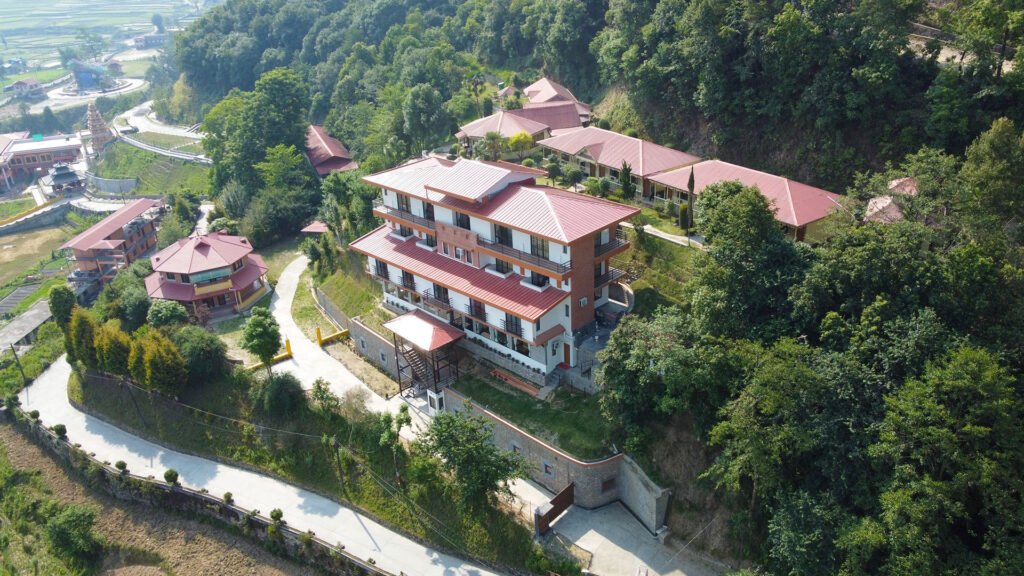
If there’s one place on Earth that truly defines spiritual peace, breathtaking nature, and a touch of modern luxury, it’s Nepal. Most people envision the towering Himalayas, thrilling mountain treks, and historical temples when they think of this incredible country.

But Nepal isn’t just about adventure and spirituality anymore — it’s also becoming a premier destination for luxury yoga retreats, blending authentic yoga practices with modern comforts and world-class wellness retreats. A luxury yoga retreat in Nepal provides the perfect blend of relaxation, renewal, and self-discovery.

Nestled among the beautiful Himalayas, Nepal is more than just mountains and monasteries — it’s a heaven for finding inner peace. In recent years,  yoga retreats in this area have become a special destination for anyone seeking to combine mindfulness with comfort.

Whether you’re an experienced yogi or a beginner, Nepal offers a peaceful experience that allows you to reconnect with your body, mind, and spirit.

We’ll look at why Nepal is such a soulful destination for a yoga retreat. What a luxury yoga experience here is really like, and how to make the most of your journey in this Himalayan country.

Nepal – The Ultimate Destination for Luxury Yoga Retreat in Nepal

Practicing yoga in Nepal has a special bond. The chill mountain air, the gentle flap of prayer flags, and the sweeping views of snow-capped peaks make every breath feel truly sacred.

A luxury yoga retreat in Nepal is more than just practicing postures. It’s about reconnecting with yourself in a void made for true relaxation and renewal. From boutique retreats in Kathmandu to serene lakeside sanctuaries in Pokhara. Thus, Nepal offers yoga travelers the perfect blend of spiritual traditions and a modern lifestyle.

With wellness tourism on the rise, more people are choosing yoga retreats in Nepal for their authentic experiences and cultural immersion. Here, yoga isn’t just a trend—it’s a way of life, interlinked with the country’s culture and spiritual rhythm.

Yoga in Bhaktapur

Why Choose Nepal for a Luxury Yoga Retreat

Nepal is more than just a land of mountains—it’s a place dunked in spirituality. As the birthplace of Lord Buddha, it’s a land of harmony between Hinduism and Buddhism, where people coexist in peace. This rich Yoga spiritual heritage makes it an ideal setting for yoga and meditation. For centuries, Nepal has been a hub for the practice of meditation, yoga, and Ayurveda.

This spiritual depth may be fully experienced in the comfort of a luxury yoga retreat in Nepal.  Picture yourself enjoying a hearty breakfast prepared with fresh, regional ingredients as you meditate to the sound of the sun rising over the Himalayas.  The entire experience turns into the ideal fusion of enjoyment, purity, and tranquility.

For those seeking yoga and a sense of calm, Nepal is the ideal destination, thanks to its breathtaking scenery.  Every location offers a unique kind of tranquility, from the verdant valleys of Pokhara to the historic temples of Kathmandu and the serene villages nestled in the Himalayas.

Yoga retreats in Nepal appear authentic and tranquil, in contrast to the more popular tourist destinations.  You join a thoughtful community that prioritizes harmony, self-care, and simplicity; you are no longer only a guest.

A luxury yoga retreat in Nepal combines traditional yoga practices with modern treatments, delicious meals, and comfortable, luxurious accommodations.

What Makes a Luxury Yoga Retreat Special in Nepal?

When it comes to luxury in Nepal, it’s not just about marble floors or lavish resorts. True luxury here is about meaningful comfort—the kind that nurtures both body and soul.

There is much more to a typical 5-star yoga vacation in Nepal than just yoga lessons. You can expect:

  • Magnificent Himalayan vistas from private homes or mountain lodges.
  • Spa treatments and ayurvedic therapies to help you balance your energies.
  • Tailored yoga classes for mental and physical requirements.
  • Farm-to-table meals that include herbal teas and fresh, organic vegetarian fare.
  • Comprehensive classes on mindfulness, sound healing, or breathwork.

Every hideaway skillfully combines contemporary conveniences with age-old customs. These retreats combine luxury and spirituality, with hot pools overlooking the Himalayas and comfortable fireplaces for meditation in the evenings.

Basically, the primary purpose of luxury yoga retreats is to experience Nepal’s spiritual essence while savoring the pleasure of slowing down.

Nepal’s Top Locations for Luxury Yoga Retreats

Nepal offers a wide variety of yoga retreats in different places, which is one of its greatest features. Every place has its own personality. While some blend in a little local culture and adventure, others are serene and nestled in the wilderness. You’ll find a soothing rhythm wherever you go that is healthy for your spirit.

Kathmandu Valley:

Kathmandu sits right at the heart of Nepal, a city teeming with history and vitality. Beyond the city, however, is a whole other world, with peaceful hills, historic temples, and little monasteries where time seems to stand still. It’s a terrific spot to discover local culture while yet having a place to relax. You may perform yoga in the gentle light in the mornings and then stroll around the old brick courtyards and little alleyways dotted with prayer flags in the afternoon. Here, tranquility and connection are nicely balanced.

Pokhara:

Pokhara is where many people fall in love with Nepal. It’s peaceful in a way that feels effortless. The stillness of Phewa Lake, the surrounding forests, and the white peaks of the Annapurna range make everything feel grounded and clear. Yoga sessions by the lake or on open-air decks feel different here—you can actually hear yourself breathe. Evenings are slow and golden, and it’s easy to lose track of time watching the reflections on the water. Pokhara doesn’t ask you to do much; it just lets you be, and that’s what makes it so special.

Himalayan Regions (Nagarkot, Namobuddha, and Dhulikhel):

If you’re drawn to isolated and breathtaking scenery, a Himalayan yoga retreat is the perfect choice.

These mountains are ideal for deep meditation and self-reflection. Cool air, calm silence, and the connection to nature feel almost divine. Remote retreats in the Himalayas offer expansive views and a chance to immerse yourself in the beauty of the natural world fully.

Lumbini 

Lumbini, the birthplace of the Lord Buddha, is ideal for anyone seeking to combine yoga practice with spiritual growth. Each retreat here helps you connect more deeply with the true essence of yoga—finding harmony within yourself and the world around you.

yoga learning

Unique Experiences Offered at a Luxury Yoga Retreat in Nepal

A luxury yoga retreat is more than just daily yoga—it’s a complete modern lifestyle experience. Here’s what a typical day might look like:

Morning Yoga with Himalayan Views
Start your day slowly, as the first light touches the mountains. Move through gentle yoga postures that wake up your body and clear your mind. There’s something special about breathing in the cool mountain air while watching the sun rise—it sets the tone for a peaceful day ahead.

Meditation and Breathwork
After yoga, take some quiet time to go inward. Guided pranayama and simple mindfulness techniques help you settle into the moment and reconnect with yourself. Under the guidance of experienced teachers, even a few minutes of deep, steady breathing can bring a surprising sense of calm.

Spa and Healing Therapies
Afternoons are made for rest and renewal. You might choose an Ayurvedic massage, an herbal bath, or a sound healing session that leaves you feeling balanced and light. Each treatment is designed to help you unwind and release any tension you’ve been carrying.

Organic Dining
Meals here are as nourishing as the surroundings. Fresh, local ingredients come together in simple, flavorful dishes that support your wellness journey. Eating slowly, mindfully, and with gratitude becomes part of the retreat itself.

Cultural Experiences
Between sessions, you will have the opportunity to explore nearby monasteries, participate in a traditional chanting ceremony, or take a mindful walk through nature. These moments gently remind you of the deeper spiritual roots that make Nepal such a soulful place for self-discovery.

Holistic Workshops
In the evenings, retreats often host workshops on topics like stress relief, chakra balancing, or mindful nutrition. They’re relaxed and conversational—more about sharing ideas and finding what feels right for you than following strict rules.

Every detail of a luxury yoga retreat in Nepal is designed to harmonize your mind, body, and soul. Here, yoga isn’t just something you practice—it’s a way of life.

Best Time to Visit Nepal for a Luxury Yoga Retreat

Yoga can be enjoyed year-round in Nepal, but some seasons really highlight the country’s natural beauty.

Fall (September to November) or spring (March to May) are the ideal seasons to attend a yoga retreat, where you will witness the clear blue sky, temperate temperatures, and breathtaking Himalayan views. The hills come alive with blossoming flowers and new foliage in the spring, and every dawn is a sight to see in the fall when the air is crisp and the mountain views are pristine.

For those seeking a quieter, more reflective experience, winter (December–February) can be ideal, although higher-altitude areas can get quite chilly. The off-season—both winter and the monsoon months—also means fewer crowds and more affordable retreat options.

How to Choose the Right Yoga Retreat Nepal Experience

Choosing the right yoga retreat in Nepal really comes down to what you’re hoping to experience. Start by thinking about the style of yoga that feels right for you—whether it’s the calm, grounding pace of Hatha, the rhythmic flow of Vinyasa, or the more spiritual depth of Kundalini practices.

The experience of the instructors also makes a big difference. Seek out teachers who don’t just focus on postures, but also guide you toward mindfulness and spiritual balance.

Then, consider the duration of your stay. Some retreats last just three to five days—perfect for a quick reset—while others stretch into two to four weeks, giving you time for a deeper transformation.

Your comfort level matters too. You might prefer a cozy mountain lodge, an Ayurvedic wellness retreat, a lakeside eco-resort, or even a quiet hideaway tucked deep in nature.

In addition to yoga, several programs include detox regimens, meditation, sound healing, and holistic therapies that promote both physical and mental well-being. Don’t forget to check out the wellness offers.

Of course, the location also matters.  Would you rather be among the bustle of the city, resting by a serene lake, or surrounded by snow-capped peaks?

Lastly, be explicit about what is included in your budget.  Certain retreats include all-inclusive packages that include meals, treatments, and excursions, while others allow you to select the options that best fit your priorities and pace.

There are plenty of upscale resorts in Nepal that are suitable for beginners, so don’t worry if you’re new to yoga.

Best Luxury Yoga Retreat Centers in Nepal

Nepal is home to several retreat centers that offer exceptional wellness experiences:

Nepal Yoga Academy: Known for its authentic approach to traditional yoga, this academy offers expert guidance from experienced instructors along with deeply restorative wellness programs.

Purna Yoga Retreat, Pokhara: Set by the tranquil lakeside, Purna Yoga Retreat blends daily yoga sessions with Yoga detox retreat programs and rejuvenating Ayurvedic treatments — a perfect mix of relaxation and renewal.

Himalayan Yoga Resort: A luxurious getaway that combines mindful yoga practices with spa therapies, nature walks, and hikes — ideal for those who want comfort without losing the essence of a spiritual retreat.

Boutique Retreats Across Nepal: Scattered around Kathmandu Valley and the Himalayan foothills, smaller retreats offer a more intimate experience with personalized programs designed around your goals and preferences.

Best yoga retreats

Benefits of a Luxury Yoga Retreat in Nepal Experience

Experiencing a luxury yoga and wellness retreat in Nepal is more than a vacation—it’s a transformative experience. A retreat here goes beyond relaxation, helping you release stress and gain mental clarity through meditation, yoga, and mindfulness.

Physical Benefits
Daily Yoga sessions can help increase flexibility, strength, and improve posture. The fresh mountain air and wholesome, nutrient-rich meals built natural detoxification and overall vitality.

Mental and Emotional Benefits
In Nepal’s peaceful surroundings, stress swipes away. You’ll rediscover a fresh mind, freshness, emotional balance, and a deep sense of calm.

Spiritual Benefits
Nepal’s sacred energy nurtures a profound inner body connection. Meditating in the Buddha’s place or near ancient temples can awaken self-awareness and deepen your spiritual journey.

Long-Term Impact
Most visitors leave feeling lighter, more grounded, and inspired to carry exactness into their daily lives. The permanent tranquility and equilibrium you bring home with you are more important than the time you spend at a yoga retreat in Nepal.

Practical Travel Tips for a Luxury Yoga Retreat in Nepal

Visa: It is easy and convenient for most visitors to enter Nepal by obtaining a tourist visa upon arrival.

How to Get There: Fly into Kathmandu, Nepal’s capital city. From there, you can either take a short scenic flight or enjoy a beautiful mountain drive to Pokhara, depending on where your retreat is located.

What to Pack: Pack light and comfortable yoga wear, your favorite meditation essentials, and breathable clothes for the day. Evenings can be cooler, so bring a few warm layers to stay cozy.

Health Tips: Stay hydrated throughout your stay, opt for eco-friendly products to support the environment, and pack basic medicines or personal essentials to ensure your comfort and well-being.

Reconnect, Relax, and Renew in Nepal

In today’s fast-paced world, finding true serenity is a luxury. Nepal offers just that—a chance to slow down and reconnect with yourself.

More than just a vacation, a luxurious yoga retreat in Nepal offers a soothing return to equilibrium.  Every moment encourages calm and introspection, whether you’re doing yoga at daybreak in the serene hills of Nagarkot or meditating by the placid waters of Phewa Lake in Pokhara.

Nepal has a way of welcoming you if you’re seeking peace, healing, and a more profound sense of purpose. Allow its peaceful energy to lead your inner metamorphosis, its mountains to uplift your soul, and its customs to stimulate your intellect.

Find your peace here—one mindful breath at a time.

Final Thought:

A luxury yoga retreat in Nepal is more than just a getaway—it’s a transformative journey that brings together wellness, culture, and nature.

A luxury yoga retreat in Nepal offers a combination of yoga practice, meditation, Ayurvedic therapies, and comfortable accommodation surrounded by the Himalayan nature. It is designed for travelers who want relaxation, wellness, and spiritual growth in a peaceful environment.

Set against the sacred backdrop of the Himalayas and rooted in authentic practices, these retreats leave you with a calmer mind, a healthier body, and a deeper connection to yourself.

If you’re seeking a truly life-changing experience, Nepal is the perfect place for your next yoga retreat. Come not just to escape—but to awaken.

FAQ

What makes a luxury yoga retreat in Nepal different from a regular retreat?

A luxury yoga retreat in Nepal offers personalized wellness experiences with premium accommodations, organic gourmet meals, spa therapies, and serene Himalayan surroundings. Unlike regular retreats, luxury ones emphasize comfort, holistic healing, and exclusivity.

Where are the best luxury yoga retreats in Nepal located?

The best retreats are often found in peaceful destinations, such as Pokhara, the Kathmandu Valley, and the foothills of the Annapurna Range. These locations offer breathtaking mountain views and tranquil settings, making them ideal for meditation and relaxation.

What can I expect during a luxury yoga retreat in Nepal?

You can expect daily yoga and meditation sessions, Ayurvedic treatments, mindfulness workshops, cultural excursions, and healthy meals prepared with local ingredients — all designed to rejuvenate your body, mind, and spirit.

Is a luxury yoga retreat in Nepal suitable for beginners?

Yes. Most luxury retreats welcome practitioners of all levels. Expert instructors tailor sessions to suit your experience, ensuring you feel supported and comfortable throughout your stay.

How long do luxury yoga retreats in Nepal usually last?

Retreats typically range from 3 days to 2 weeks, depending on your preferences and goals. Short weekend programs are ideal for relaxation, while longer retreats offer a more profound transformational experience.

What should I pack for a yoga retreat in Nepal?

Pack comfortable yoga clothes, a light jacket, sunscreen, a reusable water bottle, personal toiletries, and any essential travel documents. Most luxury retreats provide yoga mats and props, so you don’t need to bring your own.

When is the best time to join a luxury yoga retreat in Nepal?

The ideal times are autumn (September–November) and spring (March–May), when the weather is clear, temperatures are mild, and the Himalayan views are at their best.

Are luxury yoga retreats in Nepal eco-friendly?

Yes, many retreats follow sustainable and eco-conscious practices, using renewable energy, locally sourced organic food, and eco-friendly architecture to minimize their environmental footprint.

How much does a luxury yoga retreat in Nepal cost?

Prices vary depending on the duration, location, and level of luxury. On average, expect to pay between USD 1,000 and 4,000 for a week-long all-inclusive retreat.

Can I combine a yoga retreat with travel or trekking in Nepal?

Absolutely! Many travelers extend their retreat experience with Himalayan treks, temple tours, or wellness journeys to places like Lumbini and Pokhara for a holistic Nepal adventure.


Best Yoga Retreats in Nepal: Find Your Wellness & Spiritual Journey

Yoga retreats are becoming a popular wellness choice in today’s busy world filled with stress, work pressure, and digital distractions. More than just a getaway, these retreats offer a chance to pause everyday life and reconnect with your body, mind, and spirit. Unlike a standard yoga class at a local studio, yoga retreats take place in serene and inspiring environments–whether it’s a Himalayan mountain village, a tropical beach in Bali, or a tranquil forest in Thailand–allowing participants to experience true peace and presence.

Yoga plays a vital role in modern life, helping to boost physical health, increase flexibility, and ease stress and anxiety. Practicing at a retreat takes this a step further. It gives you the chance to fully focus on yoga, meditation, and mindfulness without the distractions of daily life. Combining travel, wellness, and self-discovery, yoga retreats offer an experience that goes beyond what a regular class can provide.

What is a Yoga Retreat?

A yoga retreat is a dedicated program held in a calm and peaceful setting, giving you the chance to step away from everyday routines. It centers on yoga, meditation, and holistic wellness, creating space for self-care, healing, and inner balance. Free from distractions, retreats offer a supportive environment to refresh the body, soothe the mind, and recharge your energy.

Difference from regular yoga classes:

  • Yoga studios focus mainly on teaching yoga poses (Asanas) within a short session.
  • Yoga retreats, on the other hand, provide a complete lifestyle immersion with yoga, mindfulness, Ayurveda, healthy meals, and even cultural exploration.

Common elements include:

  • Daily yoga and meditation practices
  • Breathwork and mindfulness sessions
  • Wellness therapies and spa treatments
  • Nutritious meals that promote detox and healing

Benefits of Yoga Retreats

Yoga brings a wide range of benefits for both the body and mind. It helps improve flexibility, strength, and posture, while also enhancing balance and stamina. Practicing regularly can reduce stress and anxiety, clear the mind, and promote better sleep. Yoga also supports overall health, boosts immunity, and encourages mindfulness, helping you feel more balanced, peaceful, and in tune with yourself.

Physical Benefits

  • Improves strength and flexibility through consistent Asana practice
  • Helps with detox and cleansing of the body
  • Promotes better sleep, digestion, and energy levels

Mental Benefits

  • Reduces stress, anxiety, and fatigue
  • Brings clarity, focus, and mental resilience
  • Cultivates inner peace and emotional balance

Spiritual Benefits

  • Encourages mindfulness and self-awareness
  • Deepens the connection with the inner self and nature
  • Opens pathways for spiritual growth and meditation

Long-term Transformation
Many people take the lessons from a retreat into their everyday lives, embracing healthier eating, regular yoga practice, and a more positive mindset.

Types of Yoga Retreats

  • Meditation Retreats – Focus on mindfulness, breathwork, and inner silence.
  • Wellness & Detox Retreats– Include Ayurveda treatments, spa therapies, and cleansing diets.
  • Luxury Yoga Retreats – High-end resorts with premium services, spa, and personalized guidance.
  • Affordable Yoga Retreats – Budget-friendly options for students, solo travelers, or backpackers.
  • Adventure + Yoga Retreats – Combine yoga with trekking, hiking, or surfing for thrill-seekers.
  • Silent Retreats – Encourage silence, self-reflection, and deep meditation practices.

Best Yoga Retreats

Retreat NameDurationPrimary FocusTarget Audience
Yoga Holiday RetreatFlexibleRelaxation & SightseeingGeneral travelers
Affordable Yoga RetreatFlexibleBudget-friendly practiceStudents/Solo travelers
1 Day Relaxation Package1 DayQuick RejuvenationLocals/Short layovers
Yogic Detox RetreatMulti-dayCleansing, Diet, and PranayamaHealth-focused guests
Holistic Healing RetreatMulti-dayDeep Wellness, Stress ReliefSeeking transformation
4 Days Ayurveda Pamper4 DaysAyurvedic Massages & HealingWellness/Pampering seekers

Best Destinations for Yoga Retreats Worldwide

Some of the best yoga retreat destinations around the world blend natural beauty with peaceful surroundings, creating the perfect setting for relaxation and self-discovery. India, the birthplace of yoga, has retreats in places like Rishikesh and Kerala. Bali and Ubud in Indonesia are famous for their tropical, holistic retreats. Thailand, Costa Rica, and Nepal offer calm mountain or beach settings, while Greece and Mexico provide scenic spots that refresh the mind, body, and soul.

Nepal – With the majestic Himalayas as a backdrop, Nepal is an ultimate yoga retreat destination. Pokhara, Kathmandu Valley, and Himalayan mountain retreats offer both serenity and spirituality. (Top yoga retreat in Nepal)

India– Known as the birthplace of yoga, Rishikesh, Goa, and Kerala are hotspots for authentic yoga retreats.

Bali, IndonesiaUbud is often called the “yoga paradise,” blending Balinese culture with wellness resorts.

Thailand – Retreats in Koh Samui and Chiang Mai combine yoga with tropical escapes and Thai healing traditions.

Choosing the Right Yoga Retreat

Picking the right yoga retreat is about more than just finding a beautiful location. Think about the style of yoga, the instructors’ experience, and the type of accommodations available. Look for retreats that include meditation, wellness treatments, and healthy meals. It’s also worth considering the group size, daily schedule, and overall atmosphere to make sure the retreat matches your goals for relaxation, self-discovery, and overall well-being.

When selecting a retreat, consider:

  • Yoga StyleHatha, Vinyasa, Ashtanga, or Kundalini.
  • Location – Do you prefer the Himalayan peace or beachside relaxation? (Best yoga retreat in Kathmandu for urban yet spiritual seekers.)
  • Duration – Short weekend retreats or immersive 7-14-day programs.
  • Budget & Inclusions – Check if meals, accommodation, excursions, and therapies are included.
  • Teacher Qualifications – Authenticity and experience of instructors matter greatly.

What to Expect in a Yoga Retreat Program

A yoga retreat usually offers a well-rounded schedule designed to nurture both body and mind. You can expect daily yoga and meditation sessions suitable for all levels, along with breathwork, mindfulness exercises, and guided relaxation. Many retreats also include wellness treatments, spa sessions, and healthy meals that support detox and healing. Some programs add nature walks, cultural experiences, or workshops on mindfulness and Ayurveda, creating a balanced, immersive experience for personal growth, stress relief, and overall well-being.

  • Daily Routine – Participants can enjoy structured morning and evening yoga sessions, complemented by meditation and pranayama practices, creating a balanced start and end to each day.
  • Nutritious Meals – Retreats often provide carefully prepared vegetarian, vegan, or detox-friendly meals, designed to support overall wellness and align with the principles of a Yogi diet
  • Mindfulness Workshops – Many programs include engaging activities such as Ayurveda sessions, rejuvenating spa treatments, reflective journaling, and sound healing experiences to enhance mental clarity and inner calm.
  • Excursions & Culture– Guests can participate in outdoor activities like hiking, temple visits, or cultural immersion experiences, allowing them to connect with local traditions and the natural surroundings.
  • Community Spirit – Retreats foster a sense of connection, offering opportunities to meet and bond with like-minded individuals, often creating friendships that last well beyond the program itself.

Popular Yoga Retreats in Nepal

Nepal is a top destination for spiritual seekers. Some highlights include:

  • Nepal Yoga Academy – Combine Nature and Classical Yoga
  • Himalayan Mountain Retreats – Practice yoga amidst snow-capped peaks.
  • Pokhara Lakeside Retreats – With tranquil lakes and mountain views.
  • Kathmandu Valley Retreats– Spiritual centers with monasteries and meditation halls.
  • Trekking + Yoga Programs – Combine Himalayan trekking adventures with restorative yoga.

Who Should Join a Yoga Retreats?

Yoga retreats are designed for anyone who wants to improve their physical health, mental well-being, and inner balance. Whether you are new to yoga or have years of experience, a retreat provides a peaceful environment to deepen your practice and reconnect with yourself.

Beginners are one of the most common participants in yoga retreats. Many retreats offer beginner-friendly programs that introduce basic yoga postures, breathing techniques (pranayama), and meditation. With guidance from experienced instructors, beginners can learn yoga in a supportive and relaxing setting without feeling overwhelmed.

Yoga teachers and experienced practitioners also join retreats to deepen their practice and gain new inspiration. Practicing yoga in a calm retreat environment allows teachers to reconnect with their personal journey and explore different styles of yoga, meditation, and philosophy.

Wellness travelers are another group that benefits from yoga retreats. Many people today look for travel experiences that promote relaxation and healthy living. A yoga retreat combines yoga sessions, meditation, nature, and nutritious meals, creating a complete wellness experience.

Spiritual seekers often join yoga retreats to explore mindfulness and self-discovery. Through meditation, breathwork, and yogic teachings, participants can develop greater self-awareness and inner peace.

Overall, a yoga retreat is ideal for anyone seeking relaxation, personal growth, and a deeper connection with mind, body, and spirit in a supportive and peaceful environment.

Conclusion

A yoga retreat is more than a vacation—it’s a chance to reconnect with yourself and find balance, healing, and personal growth. It gives you the space to step away from everyday stress and fully embrace practices that nurture your body, mind, and spirit. Whether you choose a serene beachside escape in Thailand, a peaceful wellness retreat in Bali, or a deeply meditative experience in Nepal, each place offers a unique setting to refresh and renew yourself.

Finding a retreat that aligns with your goals—whether for relaxation, adventure, or spiritual growth—ensures a meaningful experience. By immersing yourself in this journey, you cultivate mindfulness, overall well-being, and lasting inner peace, often bringing the calm and clarity you gain into your everyday life.

Start your journey towards inner peace and wellness with a yoga retreat today. Contact Us.

FAQs

What does a yoga retreat consist of?

A yoga retreat often consists of regular yoga and meditation sessions, nutritious meals, wellness courses, and an opportunity to unwind in nature. In Nepal, yoga retreats frequently mix traditional yogic practices with spiritual teachings, Ayurveda, and mindfulness exercises. Many retreats include trekking, temple visits, and cultural encounters, making them a complete excursion for the body, mind, and spirit.

Which country has the best yoga retreats?

Yoga retreats are popular in countries such as India, Thailand, and Bali, but Nepal is regarded as one of the greatest in the world. Nestled in the Himalayas, Nepal provides a serene atmosphere, true yoga teachings, and spiritual energy that is difficult to find anywhere. Nepal is a popular choice for those searching for a transformational yoga retreat due to its combination of natural beauty and ancient yogic teachings.

What are the benefits of a Yoga retreat?

Attending a yoga retreat has various advantages, including:

  • Developing your yoga and meditation practice, Detoxifying the body via healthy eating and mindful living
  • Reducing stress and increasing mental clarity
  • Reconnecting with Nature and Your Inner Self
  • Experience cultural and spiritual growth (particularly in Nepal, with its Himalayan peace and sacred places).
  • A yoga retreat in Nepal provides an opportunity to detach from daily distractions and experience real inner calm.

What is the best time of year for a Yoga retreat?

The optimum seasons for a yoga retreat in Nepal are spring (March-May) and autumn (September-November). These seasons provide good weather, clear mountain vistas, and ideal circumstances for yoga and other outdoor activities. Winter getaways are particularly popular in warmer valleys like Kathmandu or Pokhara, while summer (monsoon season) may be relaxing for those looking for a calmer, lush green setting.

100 Hour Yoga Teacher Training in Nepal: Foundational YTT & Beginner Certification

Are you looking for yoga practice that helps you with Yoga Teacher Training? Then, a 100 hour yoga teacher training might be the perfect choice for you. You will learn the fundamentals of yoga teaching, a beginning spiritual journey with a 100-hour yoga program.

This foundational yoga teacher training course offers the ideal balance between flexibility, learning, and personal growth.

What is a 100 Hour Yoga Teacher Training?

The 100-hour YTT is a foundational course designed to introduce you to the core principles of yoga, including its postures (asanas), breathwork (pranayama), meditation, anatomy, and philosophy.  This course is structured for beginners and curious learners. Also, this training is ideal for those seeking to get into the yoga world in a manageable, meaningful way.

While some students take it to further their profession, many utilize it as the first part of their 200-hour certification. Since this training is an opportunity to learn, explore, and re-establish a connection with yourself, you don’t need to place any pressure on yourself.

This program is especially suited for:

  • Beginners who want to build a strong foundation in yoga.
  • Busy professionals or travelers who want an immersive retreat-style experience without a long-term time commitment.
  • Wellness seekers looking for self-discovery and healing.
  • Aspiring teachers who want to approach certification gradually.
  • Anyone who wants to press pause on daily life and spend time moving, breathing, and being present.

Who Should Join a 100 Hour YTT?

A 100-hour yoga teacher training is perfect for those who want to build a yoga practice but lack the time. It’s ideal for:

  • Beginners: If you’re starting your yoga, then this foundational yoga teacher training helps you build a strong base in yoga techniques.
  • Busy Travellers: The 100-hour YTT is ideal for travelers and working professionals who want to immerse themselves in yoga over a shorter period, either as a yoga retreat with certification or part-time training.
  • Wellness seekers: Those seeking self-growth find this training to be a deeply introspective and healing experience, even if they don’t plan to teach yoga professionally.
  • Yoga Teachers: Planning to become a certified yoga teacher but want to take it step-by-step? This course allows you to complete your 200-hour certification in two stages, making it a flexible entry point into teaching.
  • Yoga Immersion Exercise: a 100 hour yoga teacher training retreat gives you time away from daily life to reconnect with your mind and body in a peaceful, natural setting.
  • Career expansion: Considering yoga teaching as a side hustle or new career? The 100 hour yoga instructor course offers a safe space to explore this possibility without a significant upfront commitment.

What Will You Learn?

The course offers more than just yoga practice. It gives you hope to live with awareness, balance, and intention.

Asana (Postures)

You’ll practice foundational yoga poses every day. Mostly, you’ll learn how to do safe alignment and body awareness. Whether it’s Hatha or Vinyasa, the goal isn’t perfection—it’s presence.

Pranayama (Breathing Techniques)

Breath is the gateway to your inner world, and here you’ll get to learn the simple yet powerful practices, including the alternate nostril breathing (Kapalabhati), and more. This promotes physical rejuvenation, stress reduction, and mental relaxation.

Yoga Philosophy

This training also helps you dive into several ancient teachings, including the Eight Limbs of Yoga. Here, you’ll get to know more about what it means to live traditionally, think clearly, and practice off the mat.

Meditation & Mindfulness

From silent sittings to guided meditations and chanting, you’ll learn simple practices that can uplift your thoughts and emotions.

Teaching Basics

You’ll learn how to structure a class, give cues, and support others on their mats—skills that build confidence, not just as a teacher, but as a person.

What Does a Typical Day Look Like?

Most days start early, often with silence or gentle breathwork before the sun comes up. You’ll move through a morning asana practice, followed by a nourishing meal.

Time ActivityFocus / Curriculum
05:30 AMWake Up / Herbal TeaPreparation for morning practice (often observed with silence).
06:00 AMShatkarma / PranayamaCleansing techniques and breathing exercises (e.g., Kapalabhati).
07:30 AMMorning Asana PracticeFoundational Hatha or Vinyasa flow, focusing on safe alignment and body awareness.
09:00 AMBreakfastNourishing, healthy vegetarian meal (often observed in silence).
10:00 AMTheory Session IYoga Philosophy (e.g., Eight Limbs of Yoga) or Basic Anatomy.
11:00 AMTheory Session IITeaching Basics, Posture Breakdown, or Alignment & Adjustment workshops.
01:00 PMLunchHealthy vegetarian/yogic meal and rest time.
03:00 PMAfternoon WorkshopPracticum, Group Activities, or Quiet Time for Journaling/Self-Study.
04:30 PMEvening Asana PracticeAshtanga Vinyasa, Restorative Yoga, or Practice Teaching.
06:00 PMMeditation / ChantingSilent sittings, guided meditation, or Mantra chanting for inner calm.
07:00 PMDinnerLight, sattvic meal.
08:00 PMSelf-Study / ReflectionQuiet time for homework, reading, or journaling.
09:30 PMLights OffRest and recovery for the next day.

Certification and Accreditation

In addition to strengthening your practice, completing a 100-hour yoga teacher training course provides opportunities for further professional growth.

To become a certified yoga instructor, you must complete the 100-hour yoga teacher training courses that are part of the Yoga Alliance Certified programs.

Yoga Alliance Recognition

Most reputable yoga schools offer Yoga Alliance-accredited 100-hour YTT programs. This means:

  • Your training meets international standards set by the Yoga Alliance
  • You can combine this with a second 100-hour module to complete your 200-hour Yoga Alliance-certified course
  • You’ll receive a 100-hour certificate of completion from the school, which is recognized globally

Pathway to Full Certification

The 100-hour training is often where the yoga journey truly begins. Many people choose to take it slow—coming back a year or two later to complete the second half, whether at the same school or wherever feels like the right fit. This kind of flexible, modular approach is perfect for anyone, whether you are busy, travel frequently, or are new to teaching yoga.

What You’ll Receive

After completing the program successfully, you will generally receive:

  • A certificate of 100 hours of yoga teacher training
  • A document officially acknowledged by the Yoga Alliance (if the school is registered).
  • After completing the whole 200 hours of training, you can apply the hours toward future Yoga Alliance registration.

 International Validity

As long as your training is with a Yoga Alliance Registered Yoga School (RYS), your certificate will be accepted internationally—whether you’re in Nepal, India, Bali, Europe, or North America. This makes it an excellent short yoga teacher training course.

Location & Environment

Your whole experience as a yoga teacher is greatly influenced by the setting in which you complete your 100-hour training.

You may improve your learning, develop your practice, and experience a genuine feeling of transformation by immersing yourself in a serene, natural, and spiritually uplifting environment.

 Why Location Matters

Yoga is more than physical movement—it’s a journey of mind, body, and spirit. A serene, distraction-free environment helps you:

  • Detach from daily stress
  • Connect with your inner self
  • Absorb teachings with clarity and presence
  • Enjoy a more profound sense of peace and mindfulness

That’s why many yoga schools offer 100-hour yoga teacher training retreats in spiritually significant and naturally beautiful locations.

100 Hour Yoga Teacher Training in Nepal

Nepal has become a popular destination for yoga and meditation, and most of the yoga centers are located in areas like Pokhara and Kathmandu Valley. So, what makes these places special, then?

  • Get the Himalayan backdrop for daily yoga and meditation
  • Filled with serene monasteries and hallowed areas.
  • Examine the yogic lifestyle and the Eastern traditions.
  • Savor the sattvic, organic food and eco-friendly lifestyle.
  • Enjoy the cozy, friendly ambiance of the neighborhood.

So, a 100-hour yoga teacher training in Nepal offers:

  • Breathtaking Himalayan views
  • Peaceful learning environment
  • Ayurvedic meals and eco-lodges

Choosing the right yoga retreat with certification enhances your inner journey.

Why Choose This Program?

100 hour yoga teacher training or Yoga teacher training 100 hours offers the perfect entry point. This short, impactful course is more than just a stepping stone—it’s a life-enhancing experience tailored to meet your yoga experience.

Not all programs are created equal. Here’s what sets a high-quality 100-hour YTT apart:

  • Experienced, certified instructors who guide with care
  • Small group sizes for personal attention
  • Balanced learning—theory, practice, and reflection
  • Flexible options (in-person or online)
  • Affordable packages that include meals, lodging, and materials

Whether you’re a traveler, wellness seeker, or aspiring teacher, this course offers a life-enhancing experience.

 conclusion

A 100-hour yoga teacher training is the beginning of your metamorphosis, not simply a course.  This brief course offers valuable life lessons and techniques, regardless of your interest in teaching, self-practice, or just participating in a yoga immersion program.

FAQs

Do I need yoga experience to join?

A: No prior experience is required. This is a yoga training for beginners.

Is it part of a 200-hour certification?

A: Yes. You can continue with another 100-hour module to complete your full training.

What should I bring?

A: Comfortable clothes, an open mind, and a yoga mat (if not provided).

Is there an online version of this course?

Many institutions now provide a 100-hour online course for yoga teachers.

Personalized Ayurveda Yoga Retreat in Nepal | Dosha Balancing & Detox

Everyone is busy in their life, and the work-home-work cycle has taken over, leaving people to neglect their physical well-being and self-care. Each person walking feels disconnected from themselves and has lost their sense of balance. Each of them deserves a retreat that not only calms the mind but also nourishes their body and elevates the soul, and the Ayurveda Yoga Retreat is the ideal package to help.

Ayurveda Yoga Retreat is not just a common holiday; it’s a getaway that helps tune the body into a holistic state, relax the mind, and allow ancient healing methods to take you back to your natural state of vitality and harmony.

Ayurveda Yoga Retreat in Nepal Holistic Healing near Kathmandu

An Ayurveda Yoga Retreat is a quiet space where two robust healing systems—Ayurveda and yoga—come together. You don’t just stretch your body or get a massage. You follow a daily rhythm designed to restore your entire system to balance.

You’ll eat nourishing food, receive personalized treatments, practice yoga and meditation, and learn how to care for yourself more deeply. It’s simple, calm, and deeply healing.

 Why choose the Ayurveda & Yoga Package?

With a history spanning over 5,000 years, Ayurveda is the world’s oldest medical practice. Unlike modern medicine, which often focuses solely on symptoms, Ayurveda considers the entire picture—body, mind, lifestyle, and emotions.

Ayurveda is based on the concept of doshas, which include Pitta, Kapha, and Vata. These are the body’s inherent energies that affect mood, skin health, sleep patterns, and digestion. You feel well when these doshas are balanced, and when they aren’t, you might feel sick.

During the retreat, a trained Ayurvedic doctor will assess your dosha and create a wellness plan just for you. You’ll receive herbs, treatments, food, and guidance that match your constitution and help restore balance.

It’s not a one-size-fits-all approach. Ayurveda respects your uniqueness and teaches you how to work with your body, not against it.

Ayurvedic herbs


 The Role of Yoga in Ayurveda Retreats

Yoga is more than a physical workout—it’s a way of life. In an Ayurveda Yoga Retreat, yoga is used not just to stretch or tone the body but to awaken your inner awareness, clear mental fog, and support the body’s healing process.

Each yoga session is tailored to your dosha and energy levels. If you’re dealing with excess heat (Pitta), you may be guided through cooling, calming poses. If you feel heavy or dull (Kapha), the practice might be more energizing. If you’re anxious or scattered (Vata), you’ll do grounding postures and breathwork.

Additionally, you will engage in meditation and pranayama (breathing exercises) to clear your mind and cultivate inner space.

When yoga and Ayurveda come together, they don’t just help your body feel better—they bring clarity to your mind and a deep sense of calm to your whole being.

Ayurveda Yoga Retreat Course Advantages

  • Physical Detoxification: Oil massages, herbal steams, and Panchakarma are examples of Ayurvedic therapies that help eliminate toxins and revitalize your digestive system.
  • Improved Sleep and Digestion: Eating clean, nourishing Ayurvedic meals supports better gut health and more profound, more restful sleep.
  • Mental Clarity and Calm: Yoga and meditation help to relax the mind and regain concentration, which lessens overthinking, worry, and overload.
  • Emotional Release: The body frequently releases emotional stress that has been accumulated while it detoxifies, and numerous individuals express feeling liberated and lighter emotionally.
  • Spiritual Connection: You could feel more connected to the world and to yourself, as well as more thankful and purposeful.

The real magic of an Ayurveda healing retreat lies not in temporary relief but in the lasting transformation that often continues long after the retreat ends.

Are you feeling nervous or confused about what to expect during the Ayurveda Yoga Retreat programs?

You don’t have to worry, as this article will provide a concise overview. An ayurvedic consultation and a warm greeting precede your retreat.

A practitioner will watch you closely. They will develop a treatment plan and daily routine after identifying your dosha and current imbalances.

Here’s what a typical day might look like:

  • 6:30 AM – You will get an herbal tea or detox drink, and then do morning yoga and pranayama that will energize and align the body.
  • A light breakfast according to your dosha will be served after you get an herbal tea or detox drink at 6:30 AM, followed by morning yoga and pranayama to energize and align the body.
  • 8:00 AM – Light breakfast, made to suit your dosha
  • 10:00 AM – Ayurvedic treatments such as Abhyanga (oil massage), Shirodhara, or Panchakarma therapy
  • 12:30 PM – Wholesome Ayurvedic lunch, often followed by gentle walking or journaling
  • 3:00 PM – Workshops on Ayurvedic cooking, daily rituals, or herbal medicine
  • 5:00 PM – Evening meditation, restorative yoga, or sound healing
  • 7:00 PM – Early dinner, calming tea, and lights out early to honor your body’s natural rhythm

There’s also plenty of downtime to relax, read, or soak in nature—no pressure, just presence.

Special Highlight: 4 Days Ayurveda Pamper Package

Pressed for time? Many centers offer a 4-Day Ayurveda Pamper Packagea shorter version of the whole retreat, but still incredibly effective.

This package includes daily massages, gentle detox sessions, yoga and meditation, and nourishing Ayurvedic meals. If you’re new to this or need a fast reset, this is ideal. Both your body and mind may start to change in a few days.

Best Places for an Ayurveda Yoga Retreat

Yoga and health retreats may be found in many locations worldwide. Selecting the best one might be overwhelming, even when they all seem lovely. In actuality, Ayurvedic therapy is most effective in serene, natural settings that are removed from the bustle and stress of the city.

The following are some of the greatest locations for an Ayurvedic yoga retreat, depending on your preferences for a combination of comfort and tradition, natural beauty, or a profound spiritual connection:

  • Ayurveda Retreat in Nepal

Nepal offers a spiritual haven amidst the serene hills and mountains for anybody seeking change and serenity. Nepal is home to some of the most authentic and reasonably priced Ayurvedic yoga retreats in South Asia, with its rich spiritual heritage, historic temples, and breathtaking scenery.

  • Ayurveda Retreat in India

India offers a diverse range of retreat experiences, many of which are deeply traditional and led by lineage-based practitioners, from the backwaters of Kerala to the yoga hub of Rishikesh. For those who wish to delve deeply into the origins of both yoga and Ayurveda, this is the best option.

  • Ayurveda Retreat in Bali and Sri Lanka

If tropical beaches, ocean air, and lush jungles speak to your soul, then Bali and Sri Lanka offer luxurious yet spiritually grounded retreats. Many people seek to rejuvenate their spirits by combining traditional healing practices with modern conveniences.

How to Choose the Best Ayurveda Yoga Retreat in Nepal

You will choose a country according to your needs, and then select the best yoga retreat center. It can be challenging to choose the best getaway because there are numerous possibilities available.

Either you take suggestions and information from the past participants, or look out for the following things:

  • Seek certified yoga instructors and Ayurvedic physicians with the necessary qualifications.
  • Verify that the retreat offers customized programs rather than general therapies.
  • Take note of the accommodations; a place that is tidy, peaceful, and near nature is incredible.
  • Examine the daily routine to see if it provides a healthy balance of work and relaxation.
  • Examine reviews and testimonies to ensure openness and genuineness.
  • Keep knowledge about your budget so that you will be sure if you are going for luxurious or budget retreats.

Above all, trust your instincts. A good retreat should be a supportive environment for your introspection.

Real Stories of Transformation

“I thought I was just tired. But it wasn’t until my third day at the retreat that I realized how deeply disconnected I had become from my body, my emotions, and even my breath,” shares Meera, who attended a Panchakarma Ayurveda retreat in Nepal. “The slow mornings, the thoughtful meals, the hands-on therapies—it all felt like being reintroduced to myself.”

These are not rare stories. Many leave with tears of joy, feeling lighter, clearer, and more at peace than they’ve felt in years.

Ayurveda Yoga Retreat vs. Standard Yoga Retreat

Let’s compare:

FeatureStandard Yoga RetreatAyurveda Yoga Retreat
FocusGroup yoga classesPersonalized mind-body healing
FoodGeneral healthy mealsDosha-specific Ayurvedic diet
TreatmentsNone or basic massagesDetox therapies, oil treatments, Panchakarma
Lifestyle IntegrationLimitedDaily rituals, lifestyle coaching

If you’re looking for something more profound than a yoga vacation—something that truly heals from the inside out—a yoga retreat with Ayurveda is the solution.

Who Should Attend an Ayurveda Yoga Retreat?

Whether you’re a corporate professional, a wellness enthusiast, a new yogi, or simply someone in need of stillness, this retreat can be your sanctuary. There is a great saying that says, “You don’t need to be sick to heal”, which means you don’t need to be yogic to do yoga.

If you,

  • Feels burnt out, overwhelmed, or emotionally stuck
  • Wants to detox naturally without extreme fasting
  • Seeks to reconnect with themselves on a deeper level
  • Is curious about ancient holistic healing methods
  • Needs time to slow down and reflect on life

Then, you definitely should attend the Ayurveda Yoga retreat.

Final Thoughts: Embrace Ayurveda Yoga Retreat in Nepal

An Ayurvedic yoga retreat is about becoming a more balanced, aware, and energetic version of oneself, rather than just escaping everyday life. In a quiet corner of the world, guided by age-old wisdom and compassionate hands, you’ll remember what it feels like to be.

So, if your soul is whispering that it’s time to heal, rest, and rediscover joy—listen. You might find the clarity, vitality, and peace you’ve been searching for, waiting quietly at the heart of an Ayurveda healing retreat.

FAQ Ayurveda Yoga Retreat

What is included in the Ayurveda Yoga Retreat package?

Our retreat includes personalized Ayurvedic therapies, daily yoga and meditation sessions, sound healing, detoxifying vegetarian meals, comfortable accommodation, and guided hikes in the peaceful Himalayan surroundings.

Who is this retreat suitable for?

This retreat is ideal for anyone seeking holistic healing, stress relief, and spiritual rejuvenation—whether you’re a beginner or experienced in yoga and Ayurveda.

Can I extend my stay beyond the package dates?

Yes, you can extend your retreat based on availability. Let us know in advance to help you plan a longer wellness retreat in Nepal.

What kind of meals are served during the retreat?

We serve healthy, seasonal, vegetarian Ayurvedic meals designed to support digestion, detox, and your dosha balance.

What should I pack for the retreat?

Comfortable yoga clothes, light layers, walking shoes, and personal toiletries. We provide mats, towels, and Ayurvedic supplies.

Yoga Alliance Teacher Training: Your Guide to RYT Certification & Global Teaching

Yoga Alliance Teacher Training: Everything You Need to Know Before You Begin
Yoga has become more than just a fitness trend — it’s a transformative lifestyle. And teaching is a path toward both personal and professional fulfillment. If you’re considering turning your passion into a profession, Yoga Alliance teacher training is the gold standard for global certification. We’ll explore more about what Yoga Alliance is, the types of certifications available, what you’ll learn, and how to choose the right program.

What is Yoga Alliance?

Yoga Alliance is the largest nonprofit association representing the yoga community worldwide. It sets industry standards for teacher training programs and registers yoga schools as Registered Yoga Schools (RYS). Teachers who complete their training from a registered school can apply to become a Registered Yoga Teacher (RYT) with Yoga Alliance.
This certification is recognized internationally and serves as a benchmark of quality, making it easier for you to teach yoga at studios, retreats, and wellness centers across the globe.

Types of Yoga Alliance Teacher Training Programs

Yoga Alliance groups teacher training programs based on the number of instructional hours and the level of depth in the training:

  • RYT 200 (200-Hour Yoga Teacher Training):
    This is the foundational course that covers yoga philosophy, asana practice, pranayama, anatomy, and teaching methodology.
  • RYT 300 (Advanced 300-Hour Training):
    Designed for those who have already completed the RYT 200. It goes deeper into teaching skills, special practices, and understanding yoga more fully.
  • RYT 500 (500-Hour Yoga Teacher Training):
    A combination of RYT 200 and RYT 300 hours. It offers a comprehensive curriculum for those who want to master yoga teaching and broaden their credentials.
  • Specialized Training:
    Yoga Alliance also registers training in niche areas like prenatal yoga, children’s yoga, and trauma-informed practices.

These certifications enhance credibility, open up teaching opportunities, and meet the standards of professional organizations and insurance providers.

Why Choose a Yoga Alliance Certified Program?

Below are some authentic reasons that help you to decide when choosing a Yoga Alliance-certified teacher training:

  • Global Recognition: Your certificate is accepted in studios and retreats worldwide.
  • Professional Network: You become part of a respected yoga community through the Yoga Alliance teacher directory.
  • Insurance & Legal Support: Many yoga insurance providers require Yoga Alliance certification.
  • Continuing Education: Teachers must complete continuing education hours to stay current, which helps maintain teaching quality.

If you’re looking to teach internationally or online, being Yoga Alliance-certified is almost a necessity.

Curriculum: What You’ll Learn in Training

If you’re joining an RYT 200 or RYT 500 program, the training program follows Yoga Alliance standards, and you will learn:

  • Yoga Philosophy & Ethics – You’ll learn about the key foundational texts like the Yoga Sutras of Patanjali and the Bhagavad Gita that will deepen your understanding of yoga’s ethics and philosophy.
  • Anatomy & Physiology – This will help you know about the yoga effects on the body, energy systems, and alignment.
  • Asana Practice & Alignment – You will learn safe, effective, and accessible ways of the postures.
  • Pranayama & Meditation – You will explore breathing techniques and the science of mindfulness that helps you in teaching pranayama & meditation.
  • Teaching Methodology – Learn about the methodologies of teaching, which include cueing, sequencing, and student communication patterns.
  • Practicum – Get to experience the hands-on teaching practice and engage in feedback sessions for more exploration.

Once you complete the training, you will be full of knowledge and confidence, helping you to teach your students effectively.

How to Choose the Right Yoga Alliance Registered School (RYS)

You might get confused and overwhelmed by the Yoga Alliance Registered School data, making it hard to choose the right one. It’s pretty simple and easy to choose if you look carefully at the following things:

  • Location: This should be on your top list to check. You should be sure about where you prefer to do the training. Countries like Nepal, India, Bali, the USA, and more offer these programs, and you can also join the online ones. Many yoga teacher training retreats combine travel and transformation.
  • Style of Yoga: Some programs specialize in Hatha, Vinyasa, or Ashtanga yoga. Choose a style aligned with your goals.
  • Faculty Credentials: Review the experience and expertise of the instructors.
  • Student Reviews: Testimonials give insight into the course quality and teaching methods.
  • Format: Choose between in-person, hybrid, or online yoga teacher certification options.

Make sure the school is a Yoga Alliance-accredited school to ensure your training is recognized.

Online Yoga Alliance Teacher Training: Is It Legit?

During the pandemic, Yoga Alliance temporarily allowed online yoga teacher training. Since then, many schools have adopted hybrid yoga teacher training programs to reach a global audience.

In 2020, the coronavirus pandemic spread globally, and during that period, Yoga Alliance temporarily allowed online yoga teacher training programs. Since then, many schools have adopted hybrid yoga teacher training programs to reach a global audience.

Advantages:

  • Flexible study: Let’s you study at your own pace.
  • Lower cost than in-person training
  • Access to international teachers

Disadvantages:

  • Limited hands-on feedback
  • Less immersive environment
  • Requires self-discipline

Additionally, a self-paced yoga alliance course is the best way to learn, which helps you in your professional career and parenting.

How to Register with Yoga Alliance

Once you’ve completed a certified program, registering with Yoga Alliance is simple:

  1. Create an account at yogaalliance.org.
  2. Submit your training certificate from an RYS.
  3. Pay the registration fee (varies by certification level).
  4. Once approved, you’ll be listed in the Yoga Alliance teacher directory.

Now you can start the teaching classes or join more advanced courses to become an Experienced Registered Yoga teacher (E-RYT).

What Happens After Certification?

After earning your RYT designation:

  • Start Teaching: Lead classes at studios, gyms, corporate offices, or retreats.
  • Get Insured: Apply for yoga teacher insurance—often required by studios and retreats.
  • Keep Learning: Stay certified by completing Yoga Alliance continuing education hours.
  • Grow Your Brand: Launch your own yoga business, retreats, or online classes.

Many teachers also go on to deepen their expertise by taking specialized courses—like prenatal yoga, trauma-informed practices, or yoga for kids—so they can better support different groups of people on their journeys.

Final Thoughts

Becoming a certified yoga teacher is a life-changing journey. Choosing a Yoga Alliance-registered yoga school ensures that your training meets global standards and opens doors to teach around the world. Whether you choose a 200-hour yoga teacher training in Nepal, a 500-hour course in any other country, or an online teaching program, the Yoga Alliance training program gives your certification the credibility that helps you in your teaching journey.

This Yoga Alliance Certified Teacher Training Program is the best course that will not only elevate your knowledge but also boost your confidence to start your teaching classes. Whether you’re new to teaching or ready to deepen your practice, you can choose from RYT 200, 300, or 500 courses that match your lifestyle, goals, and passion for yoga.

FAQs About Yoga Alliance Teacher Training

Is Yoga Alliance certification required to teach yoga?

Technically, no. But many studios and clients require or prefer it.

How long does it take to complete RYT 200?

It can take 3 to 6 months part-time, or 3–4 weeks in an intensive format.

What’s the cost of Yoga Alliance teacher training?

Programs range from $1,000 to $4,000+, depending on location and format.

Is Yoga Alliance worth it?

Yes, if you’re looking for international recognition, teaching credibility, and ongoing support.

chat-in-website
Need Help? Chat with us
chat-in-website
Need Help? Chat with us