



Best Ayurvedic Detox Retreat in Nepal: What to Expect

Maybe you’ve been feeling a little off lately. Not exactly sick, but tired in a way that doesn’t go away after a good night’s sleep. Meals that never used to bother you leave you feeling bloated. You’re dealing with brain fog, and even your usual coffee doesn’t seem to do much anymore.
You’ve probably tried a few things already. You’ve probably cut out sugar for a week and started drinking more water. Maybe even tried one of those juice cleanses you came across on Instagram. Sometimes they help for a bit, but usually the changes don’t last.
That’s often when people start looking into Ayurvedic detox retreats. And if you’ve been researching them, you’ve probably noticed Nepal coming up alongside places like Kerala and Rishikesh.
There’s a reason for that. Ayurveda has been practiced in Nepal for generations, but the retreat scene here tends to feel quieter and less commercial than in some better-known nearby destinations. For some travelers, that makes a big difference.
This guide breaks down what to expect, from treatments and food to the daily routine and how long you might want to stay. We’ll also talk about some of the changes people notice along the way, both physically and mentally.
No dramatic claims or talk of “ancient secrets.” Just a straightforward look at what an Ayurvedic retreat in Nepal can be like if you’re thinking about trying one.
So, what is an Ayurvedic Detox, really?
Before you book anything, it’s worth knowing what you’re actually signing up for. The word “detox” gets used for all kinds of things these days, and an Ayurvedic detox is a little different from the usual three-day green juice cleanse.
In Ayurveda, one of the main approaches to deeper cleansing is called Panchakarma. It’s a traditional set of treatments that focuses on things like digestion, elimination, rest, and bringing the body back into balance.
You’ll also hear Ayurvedic practitioners talk about “ama.” In simple terms, they use the word to describe waste or buildup they believe can happen when digestion, sleep, diet, or stress are out of balance.
Panchakarma isn’t usually a quick fix. It’s a structured process, and treatments, diet, and pace are generally adjusted to the individual.
Ayurveda is based on the idea that everyone has a unique constitution made up of three energies, or doshas: Vata, Pitta, and Kapha. When these fall out of balance- like from a bad diet, poor sleep, chronic stress, whatever- that’s when symptoms show up. Fatigue, skin issues, digestive trouble, anxiety, joint pain, even trouble concentrating. A proper Ayurvedic doctor doesn’t hand you a generic detox plan. They look at your specific imbalance and build the treatment around that.
That’s really the difference between a spa “detox package” and an actual Ayurvedic retreat. One is designed to relax you for a weekend. The other is designed to change something.
Why Nepal for an Ayurvedic Detox Retreat?
It’s a fair question. India is usually the first place people think of when Ayurveda comes up, and for good reason, because it’s where the tradition was formally developed. But Nepal has its own long Ayurvedic tradition. The Himalayan landscape, local herbs, and centuries of contact with Indian and Tibetan medicine have shaped how Ayurveda is practiced there.
The air and water quality in the retreat regions tend to be genuinely clean, especially compared to bigger Indian cities. That matters more than people expect, and much of your body’s healing capacity depends on basics like air quality and water source, and Nepal’s mountain regions deliver on both.
Many of the herbs used in Panchakarma treatments like ashwagandha, brahmi, shatavari, and triphala grow locally in Nepal’s hill regions, so retreats often use fresher, regionally sourced ingredients rather than imported ones.
It’s also quieter. Nepal’s wellness and yoga scene hasn’t turned into the same tourist assembly line you sometimes find in parts of South India or Bali. You’re less likely to be one of forty guests cycling through a treatment room on a fixed schedule. Smaller retreats mean more individual attention from your practitioner, which actually matters in Ayurveda, since the whole approach depends on someone actually knowing your constitution.
The place you recover in matters more than people sometimes realize. Being somewhere quiet, with the Himalayas around you and no traffic outside your window, gives you a chance to switch off properly. You’re not dealing with the usual noise, notifications, and distractions all day. A massage can help, of course, but it can’t create that kind of environment by itself. Some guests actually say the peaceful surroundings ended up being a big part of why they felt better.
Nepal also makes sense from a cost perspective. You can often find Ayurvedic programs here for less than what you’d pay for something similar in Europe, and sometimes less than in India too. That doesn’t mean the doctors are less qualified. Many Ayurvedic practitioners in Nepal study BAMS (Bachelor of Ayurvedic Medicine and Surgery), the same basic degree system used in other parts of South Asia.

What does a day at the retreat actually look like?
People tend to picture Ayurvedic retreats in one of two ways: either some strict health bootcamp or a spa holiday where you spend the whole day being pampered. It’s usually somewhere in the middle. The exact routine depends on the retreat, but a typical day might look something like this.
You’ll probably be up pretty early, usually around 5:30 or 6. If you’re not much of a morning person, that might take some getting used to. Early mornings are part of the Ayurvedic routine, based on working with your body’s natural rhythm instead of pushing against it.
The morning might begin with something simple, like scraping your tongue and drinking warm water. Sometimes it includes lemon or an herbal mixture based on your dosha.
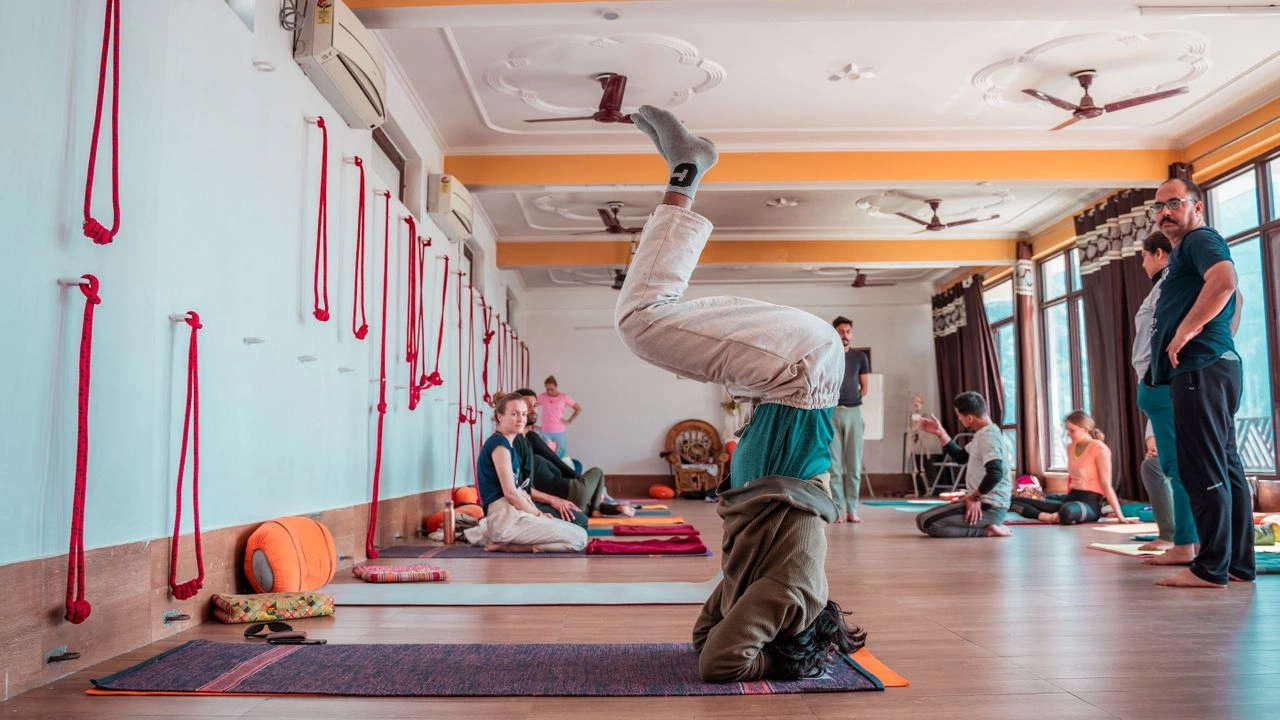
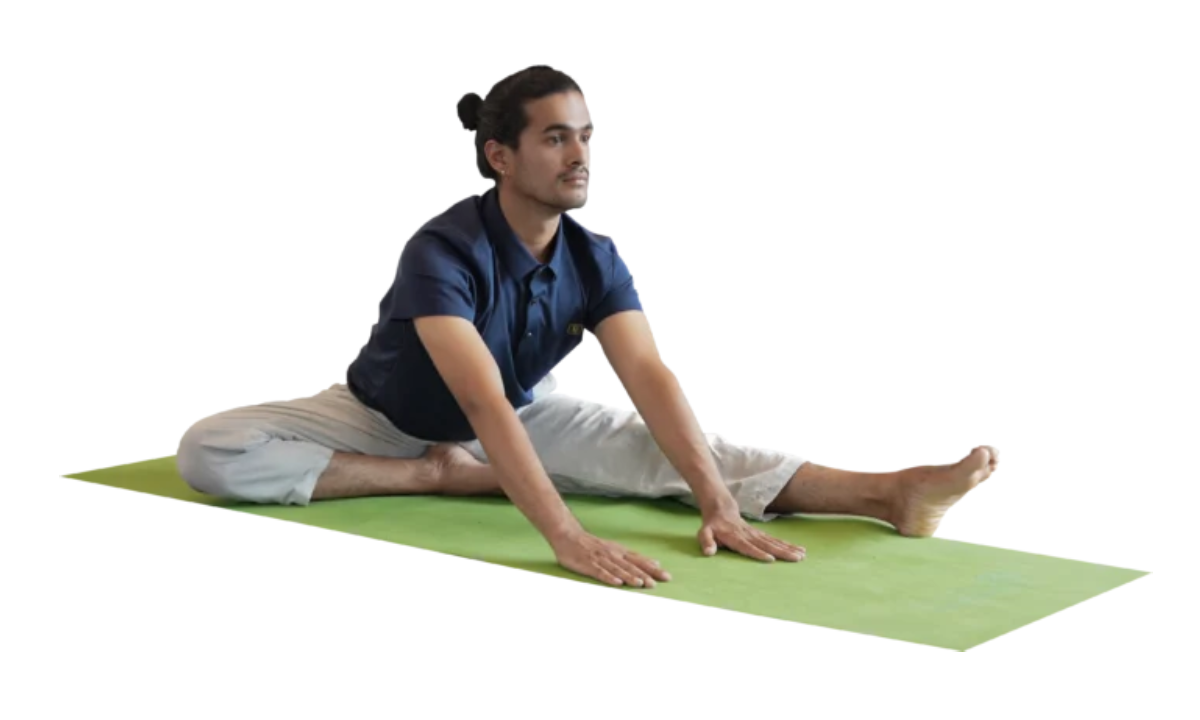
Then you’ll usually have about an hour of gentle yoga and pranayama. It’s not meant to feel like a workout. The pace can be changed depending on how you’re feeling that morning, so you’re not expected to force yourself through difficult poses or keep up with everyone else.
Breakfast is usually light as well. The focus is more on giving your digestion an easy start than filling you up.
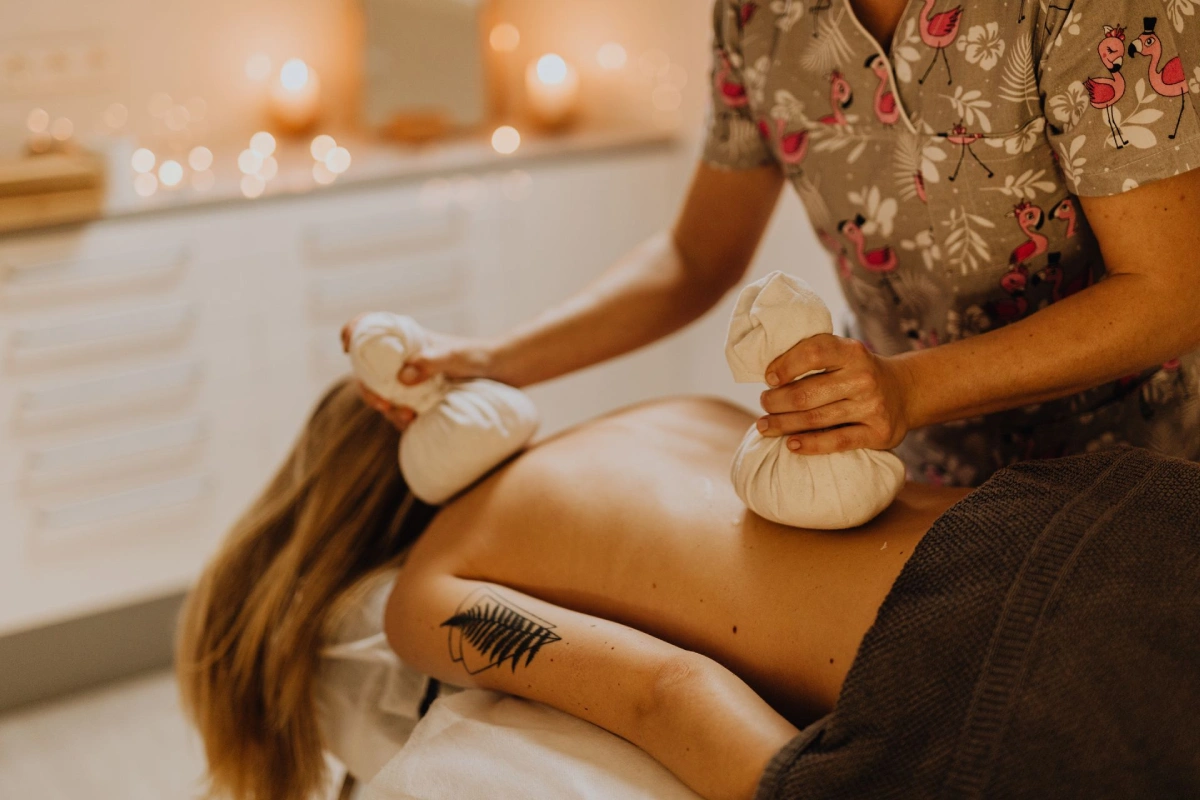
Late morning is typically when your main treatment happens. This is where things like abhyanga (oil massage), shirodhara, or steam therapy come in, depending on where you are in the process. Treatments usually run 60 to 90 minutes.
Lunch is the biggest meal of the day in Ayurveda, since digestive fire is considered strongest around midday. Afternoons tend to be slower, like rest, a short walk, sometimes a second lighter treatment, or a check-in with your practitioner to see how your body’s responding.
Evenings tend to slow down quite a bit. You might meditate, join a group discussion, or sit in on a satsang before dinner. Dinner is usually early and fairly light, often something simple like soup or khichdi.
And then comes the early bedtime. Around 9 or 9:30 isn’t unusual. It can feel ridiculously early when you first arrive, especially if you’re used to staying up late, but after a few days, you may find yourself getting tired around the same time anyway.
But once you get into the routine, it’s actually quite nice. Most people find they start feeling more rested once they stop trying to keep up with their usual schedule.
The treatments you’ll actually go through.
Panchakarma translates to “five actions,” and it’s structured in three phases, even though most people call the whole thing “Panchakarma.”
Purvakarma (preparation)
This is where your body gets primed for detox. It usually involves several days of internal oiling (small amounts of medicated ghee) and external oil massage to loosen toxins from deep tissue and move them toward the digestive tract, where they can actually be eliminated. This phase also usually includes swedana, or herbal steam therapy, which opens the pores and further softens tissue.
Pradhankarma (the main phase)
This is the elimination stage, and the treatments you get depend entirely on your dosha imbalance and what your practitioner decides you need. Common ones include:
- Shirodhara — A slow, steady stream of warm herbal oil poured across your forehead for 30 to 45 minutes. It sounds strange until you experience it; most people describe it as one of the most deeply calming things they’ve felt, and it’s especially used for anxiety, insomnia, and Vata imbalances.
- Udvartana — This is a fairly vigorous treatment where herbal powders are rubbed over the body instead of using oil. It’s traditionally used to stimulate circulation and is sometimes recommended for weight or metabolic concerns.
- Basti — This involves administering medicated herbal preparations, usually oils or herbal decoctions, rectally. In Panchakarma, it’s considered an important treatment, particularly for conditions Ayurveda associates with excess Vata, such as constipation or certain types of joint discomfort. It’s a more involved treatment, so a properly trained Ayurvedic practitioner should supervise it.
- Nasya — Herbal oil or powder administered through the nostrils, used for sinus issues, headaches, and mental clarity.
- Virechana — A supervised, herb-induced purgation therapy for clearing excess Pitta, always done under close medical supervision and never something to attempt on your own.
Paschatkarma (recovery and getting back to normal)
This is the part people often overlook. Once the main detox is over, you don’t just jump straight back into your usual food and routine. The idea is to ease back in gradually, usually over a few days, so your digestion has time to adjust.
It’s also one of the reasons doing a Panchakarma-style detox on your own can be risky. People often focus on the detox itself and forget about what comes after. At a proper retreat, staff usually plan and supervise this stage rather than leaving it up to you.
What you’ll actually eat?
Food isn’t a side note in Ayurveda; it’s medicine and arguably the most important part of the process. You won’t be starving, but you also won’t be eating what you’re used to.
Meals usually follow what Ayurveda calls a sattvic diet. The idea is to keep things warm, fresh, simple, and easy on the stomach, with meals adjusted to your dosha. You’ll probably see a lot of “khichari”, a mix of rice, lentils, and spices that’s a staple in Ayurvedic cleansing, along with steamed vegetables, soups, and herbal teas. Cumin, ginger, coriander, and turmeric also show up often. They’re not just there to make the food taste good; they’re traditionally used to help with digestion.
There’s also a pretty long list of things you won’t be having. Coffee and other caffeine, alcohol, processed foods, cold drinks, raw salads, and heavily fried food are usually off the menu. The raw salad part can be a surprise. Ayurveda generally considers cooked food easier to digest, especially during a retreat.
For some people, this is probably the hardest part of the whole retreat. Giving up coffee isn’t easy, and day two can be rough when the caffeine withdrawal starts to hit. The food can take a little getting used to, too. But give it a week or two, and you might find you don’t miss your usual meals nearly as much as you thought you would.

Yoga and Meditation aren’t just filler.
It’s easy to think of yoga as something they add in between the treatments, but it’s usually a proper part of the daily routine. Ayurveda and yoga come from the same broader tradition, and the idea is that some gentle movement helps you get through the treatments without feeling completely wiped out. It can also support digestion and give you time to slow down and breathe.
This isn’t usually the place for a fast, sweaty vinyasa class. The yoga is usually slow and restorative, especially on days when the detox treatments are more demanding and you’re already low on energy. The focus is often more on pranayama, or breathing exercises, than on challenging poses. From an Ayurvedic point of view, breathwork also helps settle Vata, which is traditionally linked to the nervous system.
Meditation, whether guided or silent sitting, usually shows up daily too. It’s less about achieving some blissed-out state and more about giving your mind the same kind of rest your digestive system is getting. A lot of the emotional processing that happens during a detox and it does happen gets easier to sit with when you’ve got a meditation practice to lean on.
How long should you actually stay?
This is where people often get it wrong, usually by booking something too short and then expecting results that need more time.
- 7 days — Really an introduction. Enough to experience the rhythm, get a taste of a few treatments, and reset your diet and sleep somewhat, but not enough for a full Panchakarma detox to run its course. Good for a first exposure, or if that’s genuinely all your schedule allows.
- 14 days — Probably the best option for a first retreat if you want to do more than have a relaxing week away. Two weeks gives you time to settle in, complete the preparation, spend several days on the main treatments, and recover afterward. You’re not trying to squeeze everything into a few days.
- 21 to 28 days — This is closer to the longer Panchakarma programs you’ll find in more traditional settings. A stay of three to four weeks gives the practitioners more time to adjust the treatments as you go and build in plenty of rest. This may make sense for people dealing with longer-term health or lifestyle concerns, but the right length depends on the individual. Decide with a qualified practitioner rather than by choosing the longest package.
If you’re unsure, ask the retreat about an initial consultation. Some will do this before you even arrive and can give you a better idea of how long you should stay based on your situation. Be honest about your health history when you talk to them. It can make a real difference in what they recommend and which treatments suit you.
What you might feel along the way?
Nobody really tells you this part upfront, so here it is straight: detox isn’t always comfortable, especially in the first several days.
It’s common to feel more tired than usual, get mild headaches, notice some skin breakouts, or feel emotionally rawer than expected. Ayurveda has a name for this. It treats it as a sign the body is releasing what it’s been holding onto, whether that’s physical toxins or, less obviously, stored emotional tension. Practitioners sometimes call it a healing crisis, and it usually passes within a few days.
Still, there’s a difference between feeling a little out of your comfort zone and feeling like something is actually wrong. A good retreat should check in with you every day. If a treatment isn’t sitting well with you, they should be willing to change the plan rather than sticking to a schedule just because that’s what was planned. If nobody is really asking how you’re doing from day to day, I’d take that as a warning sign.
It’s also worth being clear that Ayurvedic detox retreats aren’t for everyone, and this isn’t medical advice. If you’re pregnant, recovering from surgery, living with a chronic condition, or taking medication that affects things like digestion or blood pressure, speak with your doctor before booking a retreat. Make sure the practitioner knows your health history. A reputable place should ask about this before you arrive and be willing to change the treatments, or tell you not to do them, if they aren’t appropriate for you.
How to actually choose the right retreat?
Not every Ayurvedic retreat is as good as it looks online. There’s plenty of marketing in the wellness world, and sometimes there isn’t much behind it. Before you book anything, check a few basics.
Who’s actually doing the treatments?
Look for qualified Ayurvedic doctors, ideally BAMS-trained practitioners, rather than people with a short wellness course. Honestly, this is far more important than how beautiful the treatment rooms or yoga space look in the photos.
Do they do a proper consultation first?
A decent Ayurvedic program should start by looking at your individual needs and dosha. If everyone is given the same treatments on the same schedule, regardless of their constitution, that’s basically a spa package with some Sanskrit terminology added to it.
What are they promising you?
Be cautious if a retreat claims it can “cure” serious illnesses. Ayurveda may help with certain health concerns, but a responsible practitioner should be clear about its limits. They also shouldn’t be telling you to stop taking medication that your doctor has prescribed.
Are yoga and meditation properly integrated?
Taught by qualified teachers as part of the treatment plan, not tacked on to fill the schedule.
This is roughly the standard of a well-run program in Nepal. Nepal Yoga Academy builds its Ayurveda retreats around this kind of individualized assessment, working with licensed practitioners rather than a fixed treatment conveyor belt, which is honestly what you should be looking for wherever you end up going.
Best Time of Year to Go
Nepal’s seasons can make a bigger difference to a retreat than you might expect. Autumn, from around September to November, is probably the easiest time to go. The weather is comfortable, the skies are usually clear, and you have a better chance of getting those big Himalayan views that are part of the appeal.
Spring, from March to May, is another good option. The weather is generally mild, and the skies can be clear, though it starts getting hotter as summer approaches.
June through August is monsoon season, so expect plenty of rain and humidity. That can make outdoor walks and mountain views a bit hit or miss. Some retreats actually like the humidity for certain oil treatments, though, since they believe it helps with absorption.
Winter runs from December to February. It can be properly cold at higher elevations, but places in the Kathmandu Valley and around Pokhara tend to be much milder. So, if winter is the only time you can get away, it’s still a perfectly reasonable time to go.
What to pack and prepare before you arrive?
A few simple things can make the retreat easier. Bring loose, comfortable clothes, especially ones you don’t mind getting oily. You’ll probably be covered in oil more often than you expect, and some of it can stain. It’s also a good idea to bring a few layers since mornings and evenings can get chilly.
You can leave the heavy makeup and perfume at home too. The same goes for strong or synthetic skincare products. Most retreats will ask you to avoid them anyway, particularly while you’re having regular oil treatments.
It also helps to go into the retreat thinking of it as a proper break, not a holiday where you happen to fit in a few treatments. If you can, clear your schedule and try not to keep checking your phone or jumping onto work calls. It’s hard to properly switch off when you’re still answering emails all day.
And bring a journal if you like writing. Having that quiet time can bring things to the surface that you normally don’t have much space to think about. Some people find it useful to write those thoughts down.
And be upfront with the retreat before you arrive about your full health history, medications, past surgeries, chronic conditions, all of it. It genuinely changes what they’ll plan for you, and skipping this part to avoid an awkward form is a bad trade.
Last Thing
An Ayurvedic detox retreat in Nepal isn’t going to fix everything in a week. If someone promises that, I’d be a little skeptical. A good retreat can give you space to reset. You’re getting treatments from practitioners who have spent years studying Ayurveda, eating food that’s easier on your digestion, and stepping away from the routines and habits that you normally don’t get much distance from.
If you’re seriously thinking about going, it’s worth talking to the retreat before you book. Ask who will actually be treating you, how they approach the treatments, and how long they think you’d realistically need to stay. You don’t have to choose Nepal Yoga Academy, either. That conversation alone can tell you a lot. In fact, you’ll probably learn more from a ten-minute chat with the people running the place than you will from pages of carefully written brochure copy.