

Ayurvedic Retreat in Nepal: Rejuvenate Your Body, Mind, and Soul
Somewhere between the busy streets of Kathmandu and the peaceful Himalayan mountains, you’ll find a slower, more mindful way of life.
This is the kind of lifestyle Ayurveda has followed for centuries: waking up early, enjoying warm oil massages, eating fresh food, and giving your body and mind time to rest.
If you’re feeling stressed, tired, mentally foggy, or stuck in the same routine, an Ayurvedic retreat in Nepal could be the reset you need.
Nepal is a beautiful place for an Ayurvedic wellness retreat, combining traditional Ayurvedic treatments with peaceful mountain surroundings. From Ayurvedic massage and yoga to healthy meals, meditation, detox programs, and holistic wellness therapies, these retreats help you slow down and reconnect with yourself.
Whether you’re looking for stress relief, relaxation, detox, better sleep, or a complete wellness break, an Ayurvedic retreat in Nepal gives you the space to pause, breathe, and focus on your well-being.
You don’t need to be a yoga expert or have read a single book on Ayurveda to benefit. You need to show up.
What does an Ayurvedic retreat actually involve?
Let’s clear something up first, because many people picture Ayurveda as either an ancient mystery or a spa day with a fancy name. It’s neither, really.
Ayurveda is an ancient wellness system that focuses on balancing three energies, known as doshas: Vata, Pitta, and Kapha. According to Ayurveda, everyone has a unique combination of these doshas, and an imbalance may be linked to issues such as poor digestion, restless sleep, low energy, skin concerns, or stress.
An Ayurvedic retreat in Nepal supports this balance through a combination of traditional wellness practices. Your program may include Ayurvedic oil massage, herbal treatments, personalized meals, gentle detox practices, breathing exercises, yoga, meditation, and plenty of rest.
Rather than being a quick fix, an Ayurvedic retreat is an opportunity to slow down and build healthier daily habits. The goal is to give your body and mind time to rest while introducing routines that support long-term well-being.
A quality Ayurveda retreat in Nepal will usually begin with a personal consultation. An Ayurvedic practitioner may learn about your lifestyle, sleep, digestion, stress, and overall routine. Some practitioners may also use traditional pulse assessment.
Based on this assessment, practitioners can personalize your Ayurvedic treatments, meals, and daily wellness routine to your needs. This makes the experience more personal than a standard spa visit and allows you to focus on a wellness plan designed around you.
Why Nepal is such a good fit for this kind of healing
You might be wondering why Nepal specifically, when Ayurveda is more commonly associated with India. Fair question.
Nepal sits right along the same cultural and spiritual lineage. Ayurvedic knowledge has been practiced here for centuries, passed down through families and monasteries, and it shares deep roots with Nepal’s own traditional medicine systems. But what makes Nepal genuinely special for this kind of retreat isn’t just the medical tradition, but the environment.
Think about the Himalayas for a moment. The air feels cleaner, the surroundings are peaceful, and life naturally moves at a slower pace.
Nepal offers many beautiful places for an Ayurvedic retreat, each with its own charm. The Kathmandu Valley combines wellness with centuries-old temples, peaceful courtyards, and rich cultural heritage.
In Pokhara, you can enjoy the calm of the lakeside while taking in stunning views of the Annapurna range. It’s an ideal setting for Ayurvedic wellness, yoga, meditation, and relaxation.
For a quieter mountain escape, places like Nagarkot and Dhulikhel offer fresh air, peaceful hills, and breathtaking Himalayan sunrises. Sometimes, simply waking up to the mountains is enough to help you slow down and feel more present.
With its peaceful landscapes, natural beauty, and deep wellness traditions, Nepal is an ideal destination for an Ayurvedic and holistic wellness retreat.
Nepal is also known for its wide variety of herbs and medicinal plants. From the warm lowlands of the Terai to the high Himalayan meadows, the country’s diverse landscapes support many plants traditionally used in Ayurvedic medicine and wellness treatments.
During an Ayurvedic retreat in Nepal, you may find treatments that use locally sourced herbs, oils, and natural ingredients. Using ingredients from the surrounding region can make the experience feel more connected to the place you’re visiting.
But an Ayurvedic retreat is about more than treatments and herbal therapies. Sometimes, simply leaving your usual environment can make it easier to relax.
A new country, fresh mountain air, peaceful mornings, and the sounds of nature can help you step away from daily stress. When you’re no longer surrounded by the same routines, work, and distractions, it becomes easier to slow down and focus on yourself.
That’s what makes a wellness retreat in Nepal so appealing. It gives you the space to rest, recharge, and reconnect with your body and mind.
A day in the life at an Ayurvedic retreat
If you’ve never done one of these before, it helps to know roughly what your days will look like. Every retreat is different, but most follow a calm and structured routine designed to support rest, wellness, and balance:
- Early morning (around 5:30–6:30 AM): The day usually starts early, often before sunrise. You may begin with warm herbal tea or spiced water, followed by simple Ayurvedic practices such as tongue scraping or oil pulling.
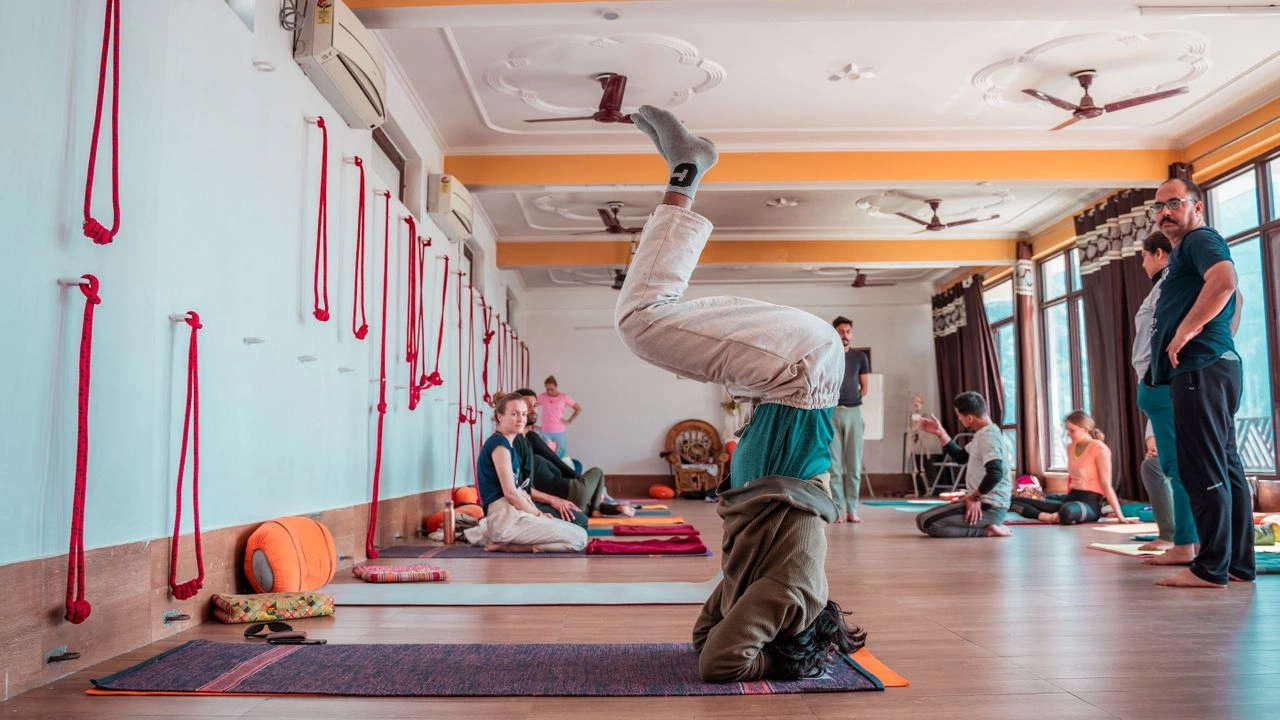
- Yoga and pranayama: Next comes a gentle yoga and pranayama session. Instead of intense workouts, the focus is on slow movements, mindful breathing, and practices that suit your individual needs.
- Breakfast: Breakfast is usually warm, light, and easy to digest. Depending on the retreat, you might enjoy spiced porridge, stewed fruit, or traditional khichdi.
- Mid-morning Ayurvedic treatments: This is often the main wellness part of the morning. Your schedule may include Ayurvedic oil massage, steam therapy, herbal treatments, or other traditional therapies selected for your program.
- Rest and Relaxation: After your treatment, you’ll have time to rest. There’s no need to rush from one activity to another. The slower pace is an important part of the Ayurvedic wellness experience.
- Lunch: Lunch is typically the main meal of the day. Meals are prepared according to Ayurvedic principles, emphasizing fresh, warm, nourishing, and easy-to-digest foods.
- Afternoon: Afternoons are usually relaxed and flexible. You might take a nature walk, journal, enjoy some quiet time, or attend a workshop about Ayurveda, healthy routines, and mindful living.
- Evening meditation: As the day winds down, many retreats offer meditation or breathing practices. These quiet sessions help you relax and prepare for a restful evening.
- Dinner: Dinner is usually simple and served early. Keeping the evening meal light gives you plenty of time to relax before bed.
- Early to bed: Most Ayurvedic retreats in Nepal encourage an early bedtime, often around 9 or 10 PM. After a full day of wellness activities and time in the peaceful Himalayan surroundings, going to bed early can feel surprisingly natural.
By the third or fourth day, you may notice your daily rhythm changing. With fewer distractions, regular meals, gentle movement, Ayurvedic treatments, and plenty of rest, a week at an Ayurveda retreat in Nepal can give you the chance to slow down and truly recharge.
The treatments you’ll actually experience
This is where an Ayurvedic retreat in Nepal becomes more personalized. Most retreats offer a range of traditional Ayurvedic treatments, with therapies chosen based on your needs, wellness goals, and Ayurvedic assessment.
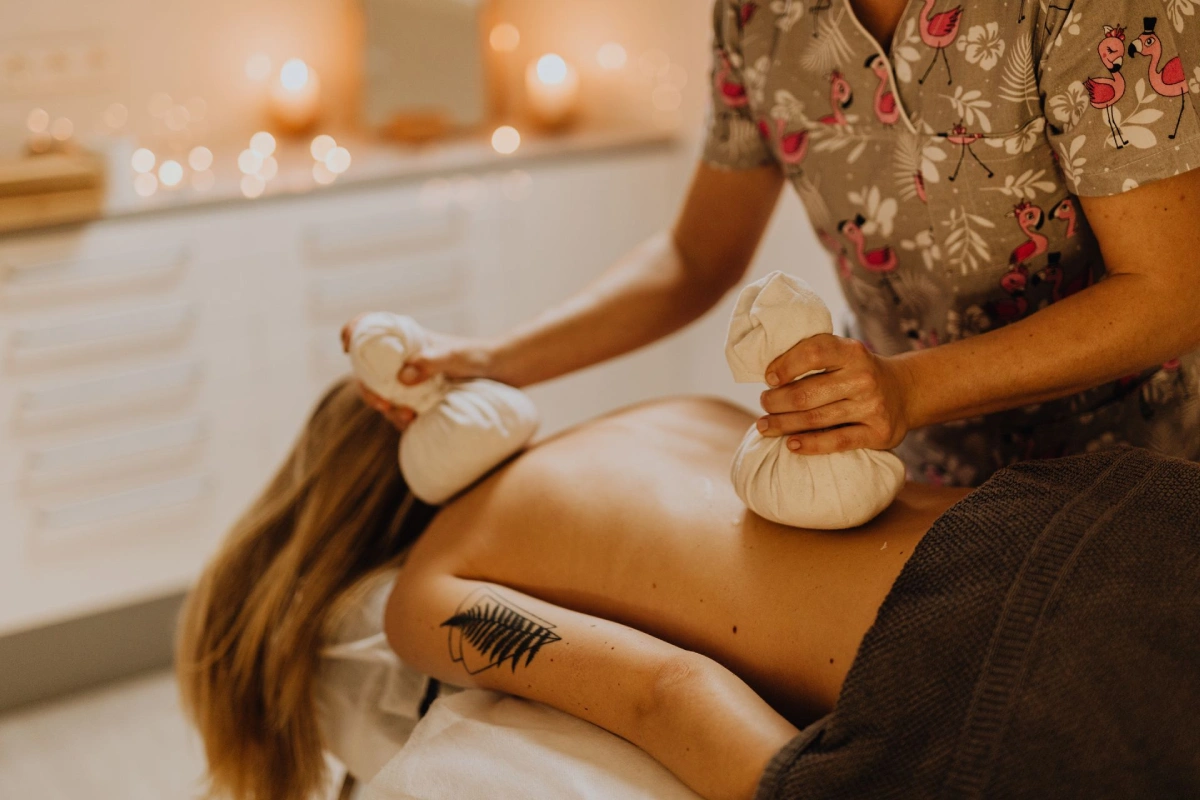
Abhyanga is probably the one you’ll do most. It’s a full-body warm oil massage, done with long, deliberate strokes rather than the deep-tissue work you might be used to from a regular spa massage. The oil is chosen based on your dosha: warming sesame-based oils for someone who runs cold and sluggish, and cooling coconut-based oils for someone who runs hot and irritable.
Shirodhara is the one people talk about afterward. Warm oil is poured in a slow, continuous stream onto your forehead for anywhere from twenty minutes to an hour. It sounds unusual until you’re actually lying there, and within a few minutes, most people report a kind of mental stillness that’s hard to describe. It’s especially good for anxiety, insomnia, and a mind that won’t stop racing.
Swedana is an herbal steam treatment, usually done after an oil massage to help the body absorb the oils and release toxins through sweat.
Nasya involves administering herbal oils through the nostrils, which sounds odd on paper but is traditionally used for sinus issues, headaches, and mental clarity.
Depending on how long you’re staying and what your body needs, a retreat might also include Panchakarma. This more intensive, structured detoxification program can run anywhere from a few days to a few weeks. This is the deep-clean version of Ayurveda, and it’s not something to jump into lightly. A good retreat will recommend it only after assessing whether your body is ready.
None of these treatments are about relaxation for its own sake, even though they feel wonderful. Each one has a specific purpose tied back to balancing your doshas.

Food as Medicine
If there’s one part of an Ayurvedic retreat that quietly changes people the most, it’s the food.
Food is an important part of the Ayurvedic retreat experience in Nepal. Instead of strict calorie counting or restrictive diets, meals are often planned around your individual constitution and focused on supporting comfortable digestion.
You can expect plenty of fresh, warm, cooked meals with gentle spices. Ayurvedic cooking commonly uses ingredients such as ginger, cumin, coriander, turmeric, and fennel, which add both flavor and warmth to your meals.
Rather than relying heavily on cold, raw, or highly processed foods, Ayurvedic menus generally focus on simple, nourishing ingredients prepared fresh.
One of the biggest benefits for many guests is the routine. Meals are served at regular times, giving your body a consistent daily rhythm. You may notice that you feel more comfortable after meals and have steadier energy throughout the day.
An Ayurvedic diet in Nepal can also teach you simple habits that are easy to continue at home, such as having your main meal earlier in the day, avoiding heavy meals late at night, and choosing freshly prepared food more often.
By the end of your stay, you may have a better understanding of how your eating habits affect your daily routine, and a few practical Ayurvedic wellness habits you can take home with you.
Yoga and Meditation
Ayurveda and yoga come from the same root system, so it makes sense that most retreats pair the two. But it’s worth knowing this isn’t the kind of yoga you’d find in a gym studio back home.
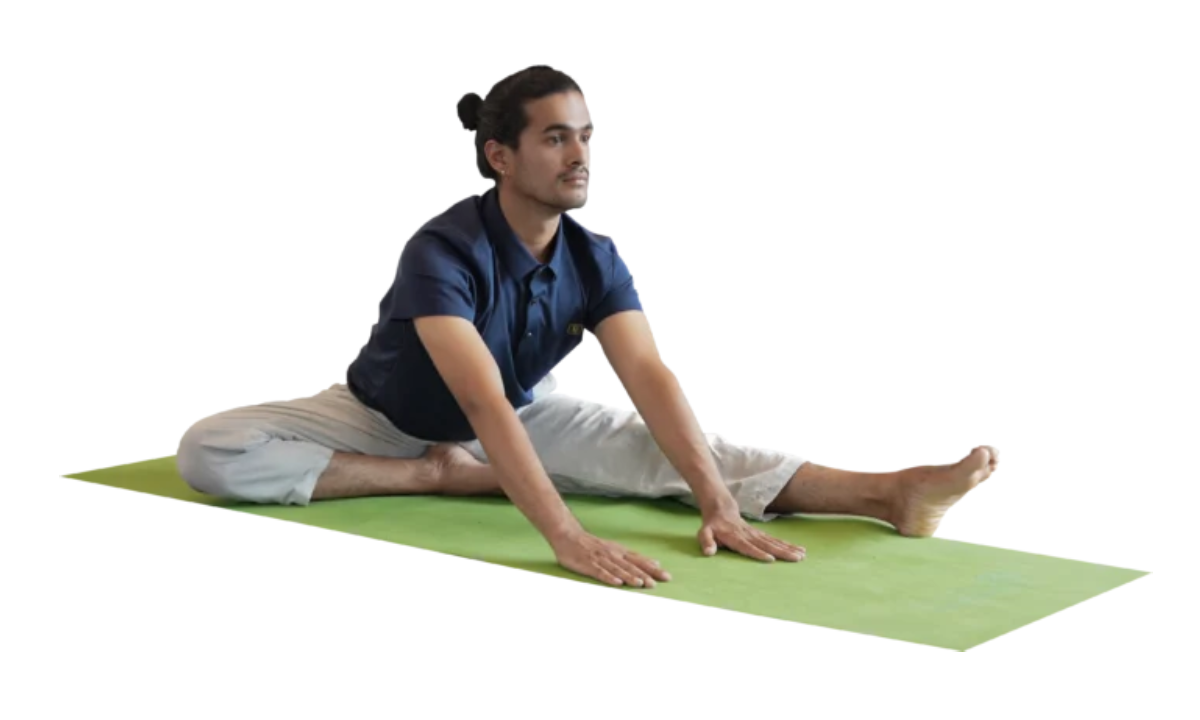
Yoga at an Ayurvedic retreat in Nepal is usually gentle, slow, and restorative. The focus is not on perfect poses or intense workouts, but on how each movement feels in your body. You’ll also spend time practicing pranayama, or Ayurvedic breathing exercises. These simple techniques encourage calm, mindful breathing and can help you feel more relaxed and present.
Meditation is another important part of the experience. Many retreats include quiet, seated meditation sessions, giving you time to step away from daily distractions and focus on your breath and thoughts.
For first-time visitors, sitting quietly can be challenging at first. But with regular practice, it can also become one of the most rewarding parts of an Ayurvedic wellness retreat in Nepal.
Together, yoga, pranayama, meditation, Ayurvedic treatments, healthy food, and time in nature create a slower daily routine designed to support relaxation and overall well-being.
If you’re someone who’s tried meditation before and given up because your mind wouldn’t settle, doing it in this context tends to feel different. You’re not trying to meditate in the middle of a busy day between emails. You’re doing it after a warm oil massage, on a full night’s sleep, with mountain air outside the window. It’s a much easier place to start from.
Where in Nepal to go?
Nepal offers a lot when it comes to Ayurvedic retreats. The place you choose can make a big difference to your experience. Some areas are better for culture and sightseeing, while others are ideal if you mainly want peace, nature, and time to yourself.
Kathmandu Valley
The Kathmandu Valley is a good option if you want to mix wellness with some exploring. Ancient temples, monasteries, courtyards, and traditional neighborhoods are all around you.
It’s a good fit for anyone looking for an Ayurvedic retreat in Nepal but still wants to experience the country’s culture and history.
Pokhara
Pokhara has a much more relaxed feel. The city sits beside Phewa Lake, with the Annapurna mountains visible in the distance.
Mornings can be especially peaceful here. You can take a walk by the lake, enjoy the mountain views, or spend some quiet time before your yoga or Ayurvedic treatments. Pokhara is a popular choice for Ayurveda, yoga, meditation, and wellness retreats.
Nagarkot and Dhulikhel
If you want to get away from Kathmandu’s busy streets, Nagarkot and Dhulikhel are worth considering.
Green hills, forests, and terraced farmland surround both. They’re also known for their Himalayan views and beautiful sunrises. Since they’re not far from Kathmandu, you can enjoy a quieter setting without spending hours traveling.
These places work particularly well for Ayurvedic wellness retreats, yoga, meditation, and relaxation.
It really comes down to what you want from your trip.
- Kathmandu Valley: Best for Ayurveda combined with culture and sightseeing.
- Pokhara: Great for lakes, mountain views, and a relaxed atmosphere.
- Nagarkot or Dhulikhel: Better if you want peace, nature, and distance from the city.
Whichever you choose, getting away from your usual surroundings can make it much easier to slow down, rest, and focus on yourself.
Who is an Ayurvedic Retreat in Nepal for?
You don’t need any experience with yoga, meditation, or Ayurveda to join a retreat. Most programs welcome beginners, so there’s no need to feel like you need to know what you’re doing before you arrive.
An Ayurvedic retreat in Nepal can be especially appealing if you’ve been dealing with ongoing stress, poor sleep, digestive discomfort, or simply feeling worn out from your usual routine.
It can also be a good choice if you want a few days away from work, screens, and everyday responsibilities. Sometimes, having a quiet place to slow down is exactly what you need.
Ayurvedic treatments aren’t suitable for everyone, particularly more intensive programs such as Panchakarma.
If you’re pregnant, recovering from surgery, or managing a serious health condition, speak with your doctor before booking. Also, tell the retreat center about your health history before starting any treatments.
A good Ayurvedic retreat in Nepal should ask about your health, lifestyle, and any medications or conditions you have. They should then adjust your treatments accordingly.
If a retreat recommends intensive treatments without first asking about your health, take that as a warning sign.
The best retreat meets you where you are, whether you’re completely new to Ayurveda or already have years of experience with yoga and wellness.
How to prepare before you arrive?
A little preparation can make your Ayurvedic retreat in Nepal much more comfortable and enjoyable.
Prepare Your Body
During the week or two before your retreat, consider cutting back on caffeine, alcohol, and heavily processed foods. You don’t have to make drastic changes, but gradually cutting back can make it easier to adjust to the retreat’s lighter meals and slower daily routine.
Making sudden changes on your first day may leave you feeling uncomfortable, especially if you normally consume a lot of caffeine.
Pack Light
You won’t need a large wardrobe. Pack comfortable, loose-fitting clothes that are suitable for yoga, meditation, massages, and relaxing around the retreat.
A journal can also be useful if you enjoy writing. The quiet time between treatments and activities can give you plenty of space to reflect.
Keep an Open Mind
Perhaps the most important preparation is mental.
Try not to arrive with a rigid list of expectations. An Ayurvedic wellness retreat isn’t a quick fix, and everyone responds differently.
Instead of expecting dramatic results in a few days, give yourself time to rest, explore new routines, and listen to your body.
Go in with curiosity, not pressure. Slow down, enjoy the experience, and let your Ayurvedic retreat in Nepal unfold at its own pace.
What you’ll feel like afterward
Be realistic about what an Ayurvedic retreat in Nepal can do. No retreat can promise the same results for everyone, so be cautious of programs that guarantee dramatic health outcomes.
That said, many guests find that a week of regular meals, relaxation, yoga, meditation, and Ayurvedic treatments help them feel more rested and refreshed.
Better sleep and relaxation
One of the most common benefits people notice is better sleep. A slower daily schedule, less screen time, meditation, and a peaceful natural setting can make it easier to relax at night.
Improved digestion
Fresh, simple meals eaten at regular times may also help you develop healthier eating habits and feel more comfortable after meals.
A fresh, healthier glow
Staying hydrated, eating nutritious food, getting plenty of rest, and enjoying traditional oil treatments can leave you feeling refreshed. Some people also notice that their skin looks brighter and less tired after a wellness retreat.
A calmer mind
The biggest change may be less obvious. Instead of a dramatic transformation, you might feel calmer, less mentally overwhelmed, and more comfortable slowing down.
The real benefit often comes after you return home. You don’t need to recreate your entire Ayurvedic retreat routine. Keeping one or two simple habits such as drinking warm water in the morning, eating dinner earlier, or practicing a few minutes of breathing before bed can make the experience easier to carry into everyday life.
Small, realistic habits are often more sustainable than trying to change everything at once.
Choosing the Right Ayurvedic Retreat in Nepal
Not every retreat that uses the word “Ayurvedic” offers the same experience. Before booking, do a little research to make sure you’re choosing a genuine Ayurvedic wellness retreat in Nepal.
Start by checking the practitioners. Find out about their Ayurvedic training and experience. A good retreat should offer more than standard spa treatments with an Ayurvedic label.
It’s also worth asking whether the program is personalized to your dosha and individual needs or whether every guest receives the same treatments, meals, and daily schedule.
You can also ask where the retreat sources its Ayurvedic herbs, oils, and other ingredients. Responsible sourcing and quality products can make an important difference to the overall experience.
A retreat that combines Ayurveda, yoga, meditation, healthy food, and mindful living can provide a more complete wellness experience. These traditional practices work well together, helping create a daily routine focused on balance, relaxation, and self-awareness.
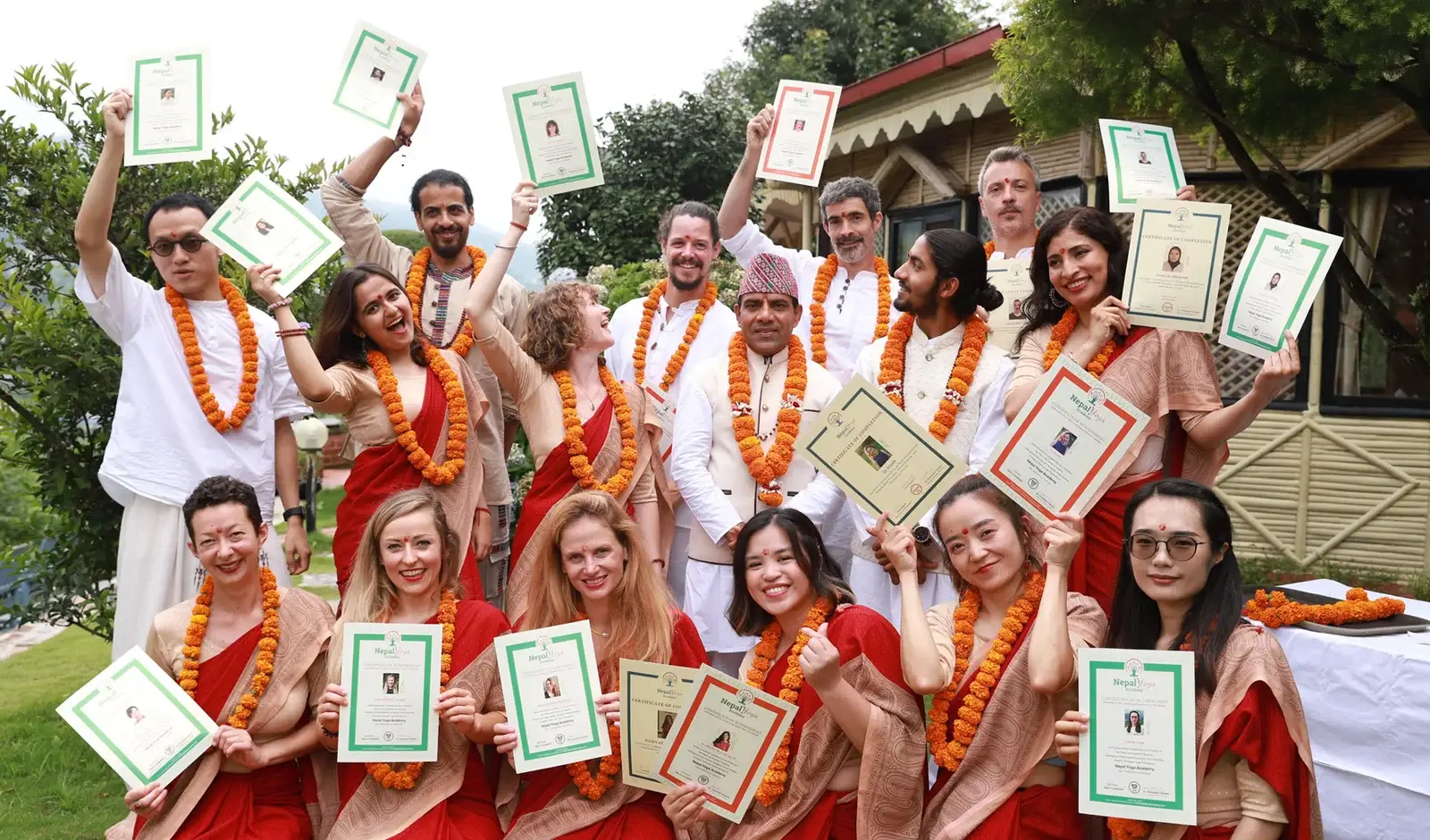
For example, Nepal Yoga Academy combines Ayurveda with yoga and meditation in its wellness programs. This approach can be especially appealing if you want more than massage treatments and are looking for a deeper Ayurvedic and yoga retreat in Nepal.
Before you book, compare practitioners, treatments, accommodation, meals, program length, and personalization. The right retreat should feel like a genuine wellness experience, not just a spa holiday with an Ayurvedic label.
A Few Final Thoughts
You don’t have to travel to the Himalayas to improve the way you eat, sleep, move, and take care of yourself. But there is something special about stepping away from your normal routine and spending time surrounded by Nepal’s mountains and nature.
An Ayurvedic retreat in Nepal gives you the chance to slow down, disconnect from daily stress, and focus on your well-being. With traditional Ayurveda, yoga, meditation, nourishing food, and plenty of rest, you can create space for healthier habits.
Suppose you’ve been waiting for work to slow down or life to become less stressful before taking a break; ask yourself when that time will actually come. Sometimes, you need to make that space for yourself.
With its Himalayan landscapes, ancient wellness traditions, peaceful retreats, and slower pace of life, Nepal is a beautiful destination for an Ayurvedic wellness retreat.
You may not return with your entire life changed. But you might return sleeping better, feeling calmer, and with a few simple habits that are easier to keep long after you’ve gone home.