

Yoga Alliance Certified Teacher Training: Everything You Need

No one persuades you to do yoga. You tumble into it. Perhaps it began as a coping mechanism for a sore back or work stress, or maybe you went once with a buddy, and something snapped that you couldn’t quite put your finger on. Then a year or two passed, and with all that time spent on the mat, a thought occurred to me: I wonder if I could teach this.
That thought tends to stick around. It gets louder. And eventually you start Googling, which is when things get confusing fast. There are hundreds of programs, dozens of credentials, prices ranging from a few hundred dollars to several thousand, and an alphabet soup of acronyms, RYT, E-RYT, RYS, YACEP, that nobody has bothered to explain properly.
You don’t know
- What’s legitimate and what’s a weekend certificate mill.
- Whether online training is the same as in-person training.
- Whether you should go to Nepal, Bali, Rishikesh, or the studio down the road.
And most importantly, which training is the right one for you?
This guide is written for that exact moment of confusion. Not to sell you on anything, but to actually explain how this works, what Yoga Alliance is and what it isn’t, what a real training involves, what happens after, and the harder questions worth sitting with before you hand over your deposit. By the time you finish reading, you’ll have a clear enough picture to make a real decision.
What is Yoga Alliance? The Organization Behind the Credentials
Before continuing, it’s important to understand Yoga Alliance’s true identity, because there is a widespread fallacy that needs to be dispelled right away: yoga teachers are not certified by Yoga Alliance. It keeps track of them. The distinction between those two things is important.
Yoga Alliance is a nonprofit organization founded in the United States in 1999. What it does is set minimum standards for teacher training programs and maintain a public registry of schools and teachers that meet those standards. That’s it. It is not a government body. It has no legal authority to grant anyone the right to teach yoga. It cannot regulate who teaches or how they teach. It cannot grant you the right to teach yoga the way, say, a medical board can grant a doctor the right to practice medicine.
What it can do and what gives it real practical value is serve as an industry-recognized benchmark. When an employer, a gym, a yoga studio, or a student sees that you hold a Yoga Alliance registration, they have a rough assurance that you completed a training program that met a standardized set of criteria: a certain number of hours, coverage of specific subjects, qualified instruction, and documented practice time. In an industry that has no government oversight in most countries, that kind of third-party standard means something.
The organization maintains two main registries: one for schools (RYS — Registered Yoga Schools) and one for teachers (RYT — Registered Yoga Teachers). When you complete a training at a school that holds RYS status, you become eligible to register as an RYT. The letters after your name, RYT-200, RYT-500, communicate your level of training to the wider world.
Is Yoga Alliance perfect?
No. The organization has faced criticism over the years for issues ranging from inconsistent oversight of its registered schools to questions about whether its training requirements actually produce competent teachers.
Some yoga communities are dubious of the entire system, especially those connected to traditional lineages. The majority of studios, gyms, and employment platforms in the US and many other countries utilize RYT certification as a fundamental recruiting prerequisite, and for better or worse, Yoga Alliance registration is now the closest thing the yoga business has to a uniform professional standard.
The Core Credentials Explained: RYT, E-RYT, YACEP
Once you start looking at yoga teacher training programs, you’ll encounter a string of acronyms that look impenetrable at first. They’re actually straightforward once someone walks you through them.
RYT-200 (Registered Yoga Teacher-200)
This is the foundation. An RYT-200 means you’ve completed a 200-hour teacher training at an approved school. Two hundred hours is the minimum standard that Yoga Alliance recognizes as teacher training, and it’s what most academies use as the entry requirement. After completing the program, you register with Yoga Alliance yourself. The academy doesn’t do it for you, and you have to pay the registration fee. From that point on, you can use the RYT-200 designation.
RYT-500 (Registered Yoga Teacher-500)
Five hundred hours of training, either completed in a single 500-hour program or built by adding a 300-hour advanced training on top of your initial 200. Many teachers chose the second option. They finish the 200, start teaching, gain some real experience under their belt, and then return for more advanced study when they know what they actually want to go deeper into. Both ways lead to the same designation, but the experiences gained are quite different.
E-RYT (Experienced Registered Yoga Teacher)
The E stands for experienced. It’s not just about spending more hours training, but you also need proof that you’ve actually taught others. E-RYT-200 means you hold an RYT-200 and have taught at least 1,000 hours over a minimum of two years post-training. E-RYT-500 requires the 500-hour credential and 2,000 teaching hours. E-RYTs are the only teachers eligible to lead teacher training programs on behalf of a Registered Yoga School, which is why you’ll see this designation listed for lead trainers at good programs.
YACEP (Yoga Alliance Continuing Education Provider)
This applies to individuals and schools that offer workshops, short courses, and specialty trainings outside of the main teacher training programs. If you’re a registered teacher and you do a weekend workshop on yoga for athletes, or a week-long yin yoga immersion, the hours may count toward your continuing education requirement. But it should be from a YACEP-registered source. It’s worth checking before you sign up for anything.
How to Choose the Right Teacher Training Program?
With thousands of registered schools worldwide, choosing can feel paralyzing. Here’s how to approach the decision systematically.
Start with the Lead Trainers, Not the School Name
The individuals in charge of a teacher-training program influence its quality. Do extensive research on the primary trainers.
- How long have they been instructing and practicing?
- In what manner did they train?
- Have they personally continued their education beyond the 200 hours of instruction they received decades ago?
- Are they hiring outside guest professors to teach anatomy, philosophy, or methodology, or do they have specialized experience teaching such subjects?
- Verify whether they have E-RYT status, which, at a minimum, indicates they have taught.
- Seek out feedback from past trainees rather than simply the school-curated testimonials.
Verify RYS Status Directly
Don’t take a school’s words for it. Go to the Yoga Alliance website (yogaalliance.org) and search the registry yourself to confirm the school is currently registered. Schools can lose or allow their registration to lapse. You want to verify this before you hand over your deposit.
Ask Hard Questions Before Enrolling
You should ask the academy a few key questions before enrolling:
- How many students are in each cohort?
- What’s the teacher-to-student ratio?
- How much of the training is hands-on teaching practice, and how do they give feedback?
- What support do graduates get after the course ends?
- What happens if you need to withdraw or defer?
- How many graduates actually go on to teach?
A good academy should answer these clearly and confidently. If they avoid the questions or give vague answers, that’s usually a warning sign.
Consider the Style and Teaching Lineage
Your training will shape how you teach, so choose a program that aligns with your connection to yoga.
If you love and regularly practice vinyasa, a vinyasa-focused training may feel like the right fit. If you’re more interested in yoga for healing and recovery, look for programs with strong anatomy and therapeutic training.
When your training aligns with your personal practice, the learning feels more natural, and your teaching becomes more authentic.
Talk to Graduates
Most schools can provide you with contact information for graduates willing to speak with prospective students. Take them up on this. Ask the graduates what the training actually delivered versus what was promised, what they wish they’d known before enrolling, and whether they feel prepared to teach. Real conversations with real alums are worth more than any marketing material.
What to expect during your yoga teacher training?
If you’ve never done a teacher training, it can be hard to know what you’re actually signing up for day-to-day. Here’s an honest picture.
The Physical Demands
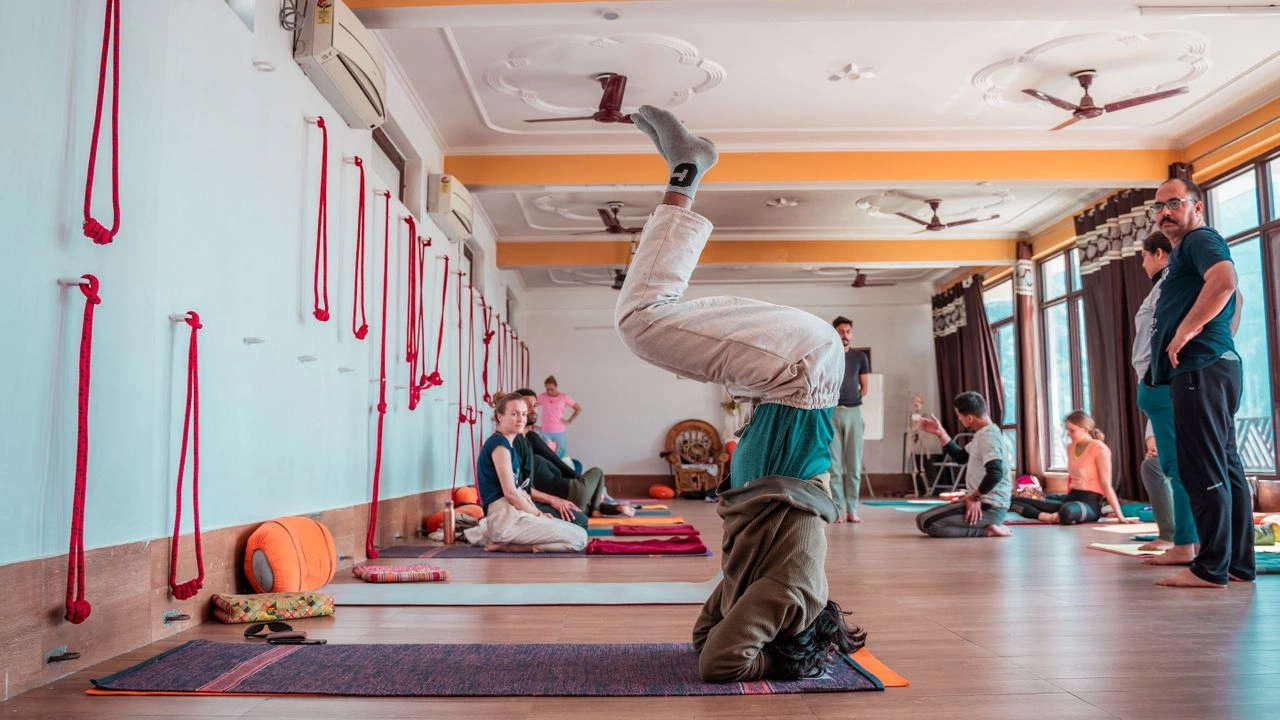
You’ll likely do more yoga than you ever have before. In an intensive course, the day often starts with meditation or breathing exercises, followed by a long physical practice lasting 90 minutes to 2 hours.
If you’re not used to that much activity, the first couple of weeks can feel physically tough. Some injuries happen when people push too hard or don’t speak up about their limits.
The best approach is to treat the training like a long-distance run, not a short race, but go at a steady pace, communicate with your teachers, and take rest when your body needs it.
The Emotional Dimension
In an intensive yoga training, strong emotions can come up more than expected. Regular, deep practice in a group setting can surface feelings stored in the body and mind.
It’s common for people to cry during practice or experience unexpected emotions such as grief, joy, or calm. Many programs include time for reflection, journaling, group discussion, or quiet rest to help process this.
If you usually think things through rather than sit with your feelings, this part of the training may feel especially challenging.
Community and Belonging
The people you train with often become some of your closest friends and professional contacts. The shared intensity of going through a training together creates bonds that are hard to explain to people who haven’t experienced it. Many graduates describe their cohort as a kind of chosen family. This community aspect extends beyond graduation, but the network you build during training is a genuine professional resource.
The Self-Doubt That Arrives
Almost universally, at some point during training, people hit a wall of self-doubt. They wonder whether they’re good enough to teach, whether they’re making the right decision, and whether they have anything meaningful to offer. This is not a sign that you’re on the wrong path. It is a normal and predictable part of the process. The teachers who make it through to the other side of that doubt not by eliminating it but by teaching anyway are the ones who grow into genuinely effective teachers.
What actually happens after you Graduate?
Completing your training is the beginning, not the end. Here’s what comes next.
Registering with Yoga Alliance
After graduating from an RYS program, you apply to register with Yoga Alliance online. You’ll need your school’s certificate of completion, documentation of the required training hours, and the registration fee. Once registered, you’ll receive an RYT certificate and be listed in the Yoga Alliance directory, which is searchable by studios and students looking for teachers.
Getting Your First Classes
Most new yoga teachers begin by offering free or donation-based classes at parks, community centers, workplaces, or at home. This helps them practice teaching, build confidence, and get comfortable leading classes.
After that, many start “subbing,” which means teaching classes for regular teachers when they are unavailable. Studios use this to see how new teachers perform, so being reliable and flexible can help you get more teaching jobs.
Teaching Outside Studios
Many yoga teachers do more than teach at studios. There are many ways to build a yoga career.
Some companies hire yoga teachers for employee wellness programs. Schools and universities may offer yoga classes for students. Some teachers work with private clients in one-on-one sessions. Others teach in hospitals, rehab centers, or mental health programs to support healing and wellbeing. Yoga teachers can also work at retreat centers, leading short-term classes and wellness experiences.
Having many different job opportunities is one of the biggest advantages of being a yoga teacher.
Continuing Education and Maintaining Registration
If you’re registered with Yoga Alliance, you need to complete 30 hours of continuing education every 3 years to stay active. This includes 20 hours of structured learning and 10 hours in any format.
It’s not just a requirement, but it also helps you keep developing as a teacher. The more you learn through workshops on anatomy, teaching methods, yoga styles, or philosophy, the more depth you bring to your classes and students.
The Path to Advanced Training
Many teachers find, after a few years of teaching, that they want to go deeper. That might mean pursuing a 300-hour advanced training to earn RYT-500 status. It might mean a deep dive into a specialty like yoga therapy, prenatal yoga, or yoga for trauma. It might mean traveling to study with a senior teacher in India or another country. The path of learning doesn’t end with a credential for the best teachers, but it never really ends at all.
Honest Questions to Ask Yourself Before Enrolling
Before you fill out an application and pull out your credit card, sit with these questions. They aren’t meant to talk you out of anything, but they’re meant to help you make a decision you’ll feel good about.
Why Do You Want to Teach?
This may seem simple, but it’s worth thinking about carefully. People join yoga teacher training for many reasons: to share what has helped them, to change careers, to find community, to deepen their practice, or to follow a more spiritual pull. All of these are valid.
But your reason matters, because it shapes what you’ll get out of the training. If your main goal is personal growth and you don’t plan to teach, that’s totally fine, but a program focused on practice rather than teaching skills might suit you better than one centered on how to instruct others.
Are You Ready for the Commitment?
A 200-hour training program, whether completed in a month or spread over several months, is a major investment of time, energy, and money.
It’s worth being honest about your situation before committing.
- Can you afford it without financial stress affecting your experience?
- Do you have support from family or a partner who understands the commitment?
- Will you have enough time and space to engage fully?
- Will you be trying to fit it around other demanding responsibilities?
Have You Found the Right School?
Don’t rush this part. Take the time to research multiple programs. Attend an open house or introductory session, if offered. Talk to the lead teachers. Talk to graduates. Read reviews on independent platforms. The school you choose will profoundly shape your teaching for years, possibly decades. It’s worth taking a few extra weeks to make sure it’s the right fit.
Are Your Expectations Realistic?
A 200-hour teacher training produces a foundational yoga teacher, not an expert. Expect to graduate feeling prepared but aware that there is much more to learn. Expect to feel uncertain in front of a class sometimes. Expect that your teaching voice will develop gradually over hundreds of hours of actual teaching. The teachers who thrive are those who approach the beginning of their career with curiosity and humility rather than expecting to emerge from training fully formed.
Why Choose Nepal Yoga Academy for Yoga Alliance Certified Teacher Training?
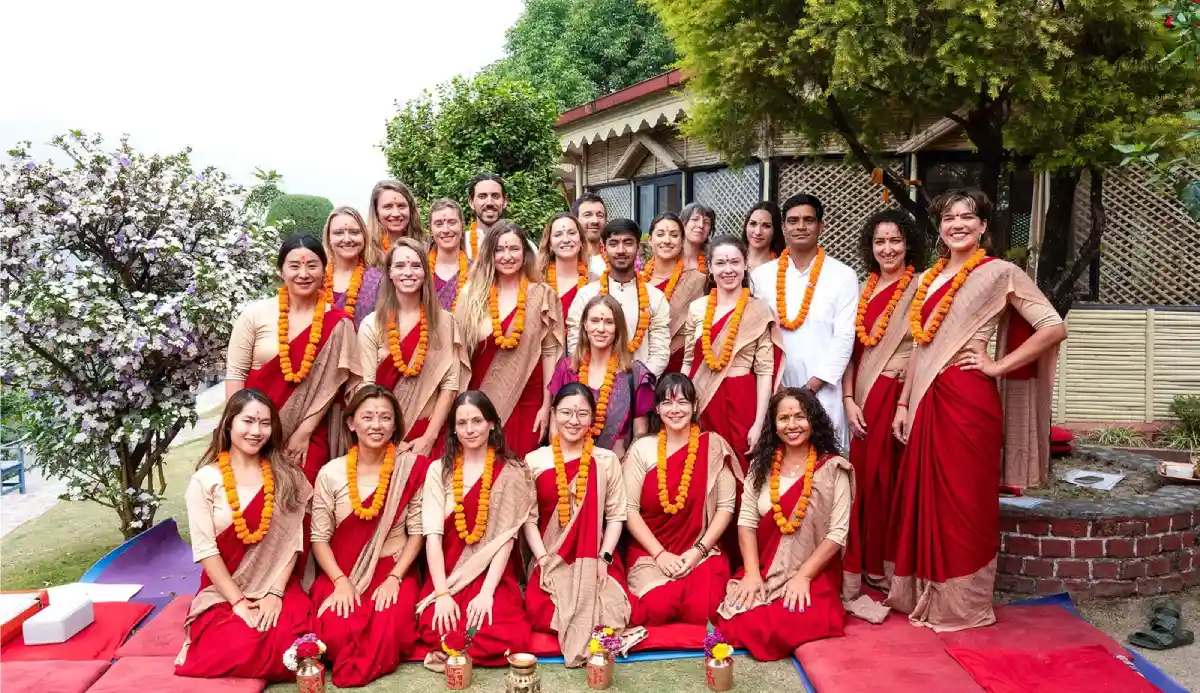
For aspiring yoga teachers seeking authentic, internationally recognized training, Nepal Yoga Academy is one of Nepal’s well-known Yoga Alliance-registered schools. Located in the quiet hills of Bhaktapur, near Kathmandu, the academy offers a peaceful setting for yoga practice and learning, with views of the Himalayas.
The academy offers 100-, 200-, 300-, and 500-hour Yoga Teacher Training courses that meet Yoga Alliance standards. Students study Hatha Yoga, Ashtanga Yoga, pranayama, meditation, yoga philosophy, anatomy, alignment, and teaching methods. The training is designed to support both professional teaching skills and personal development.
Nepal Yoga Academy focuses on traditional yogic teachings while also using modern teaching approaches. Classes are led by experienced teachers who encourage disciplined practice, self-awareness, and a balanced yogic lifestyle. Students also join activities such as meditation, chanting, workshops, and traditional Vedic ceremonies during the program.
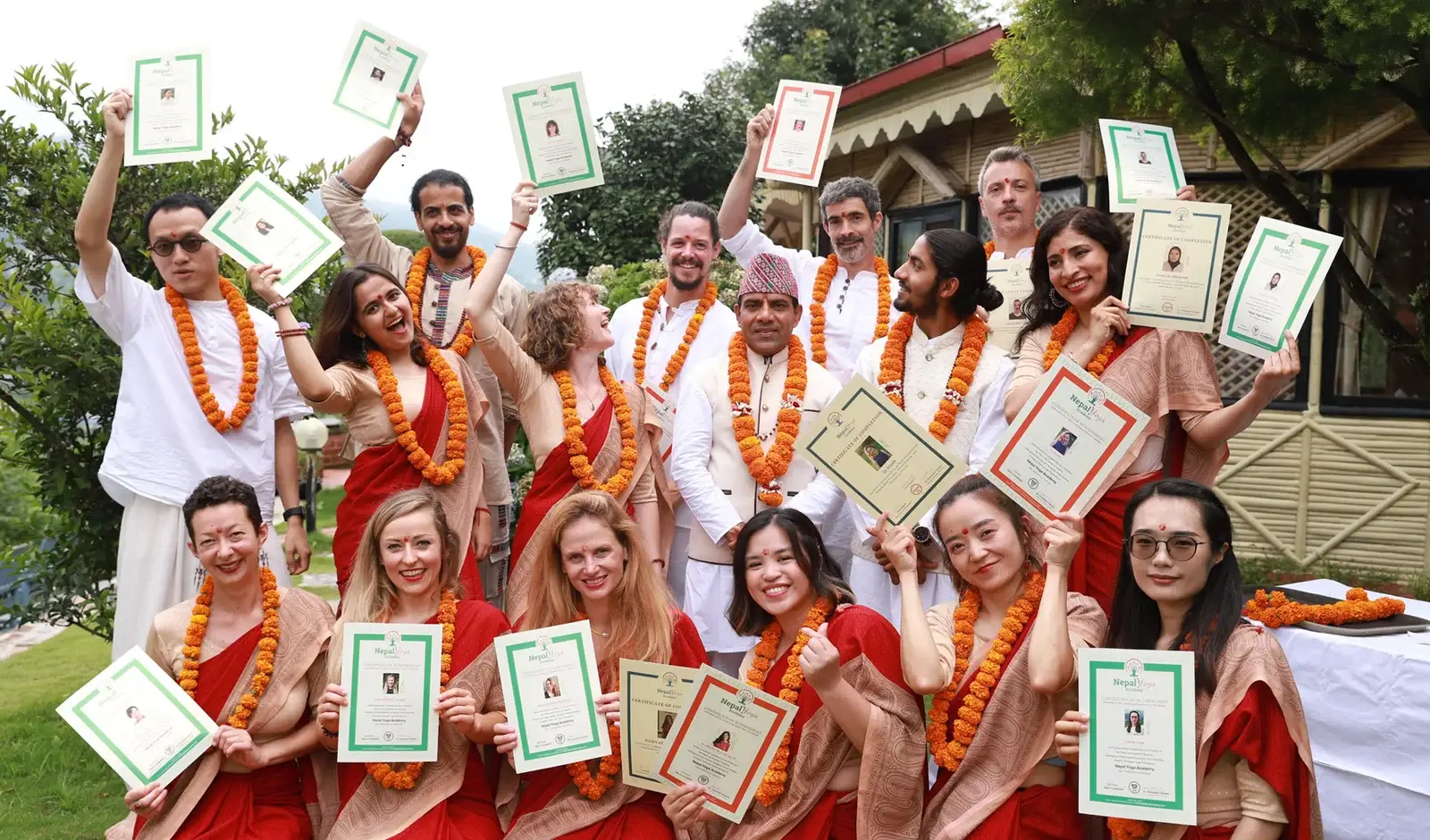
After completing the training, students receive a Yoga Alliance-recognized certification that allows them to teach yoga internationally. For many students, the academy offers a chance to experience traditional Himalayan yoga culture while gaining a professional teaching qualification.
Final Thoughts
Is Yoga Alliance Certification Worth It? This question comes up often, and the answer really depends on your goals.
If you want to teach yoga professionally in studios, gyms, corporate settings, or online, having a Yoga Alliance RYT credential is usually important. It’s considered the industry standard, and many employers require it.
But if your main goal is personal growth, deepening your practice, or studying yoga more seriously, the credential may matter less. In that case, the quality of the program and teachers may be more important than whether the school is officially registered with Yoga Alliance. Some highly respected traditional programs operate entirely outside that system.
In the end, the value of the certification depends on the training itself. A well-designed program, led by experienced teachers, can provide a strong professional foundation. A program that only checks boxes without real depth won’t offer the same value, even if it provides the same credentials.
Do your research. Be honest with yourself. Find the program that will genuinely teach you what you need to know, in the style that resonates with you, in a format that fits your life. That combination of real learning, personal resonance, and practical fit is what turns a teacher training into the beginning of something that actually lasts.
The yoga world needs good teachers. It always will. If you feel called to become one, the path is right in front of you.