Yoga Teacher for The Union of Body, Mind, and Soul training

Having a great Yoga Teacher is must while choosing to start yoga. The one teacher with the great knowledge of yoga can change your entire way of practicing.

Starting a yoga practice can be a decision that contributes to various improvements in your life and wellbeing. When my partner and I decided to take our routine to the next level and attend yoga teacher training, we never imagined the endless amounts of Ashrams and Shalas we’d have to choose from. We opted to take our practice deeper, only now how to find the right place to learn?

This led us to lengthy Internet searches, emails and questions. Only after attending and luckily experiencing an amazingly fulfilling teacher training, we are confident about why we had such a positive time learning the ancient art of Yoga in Nepal.

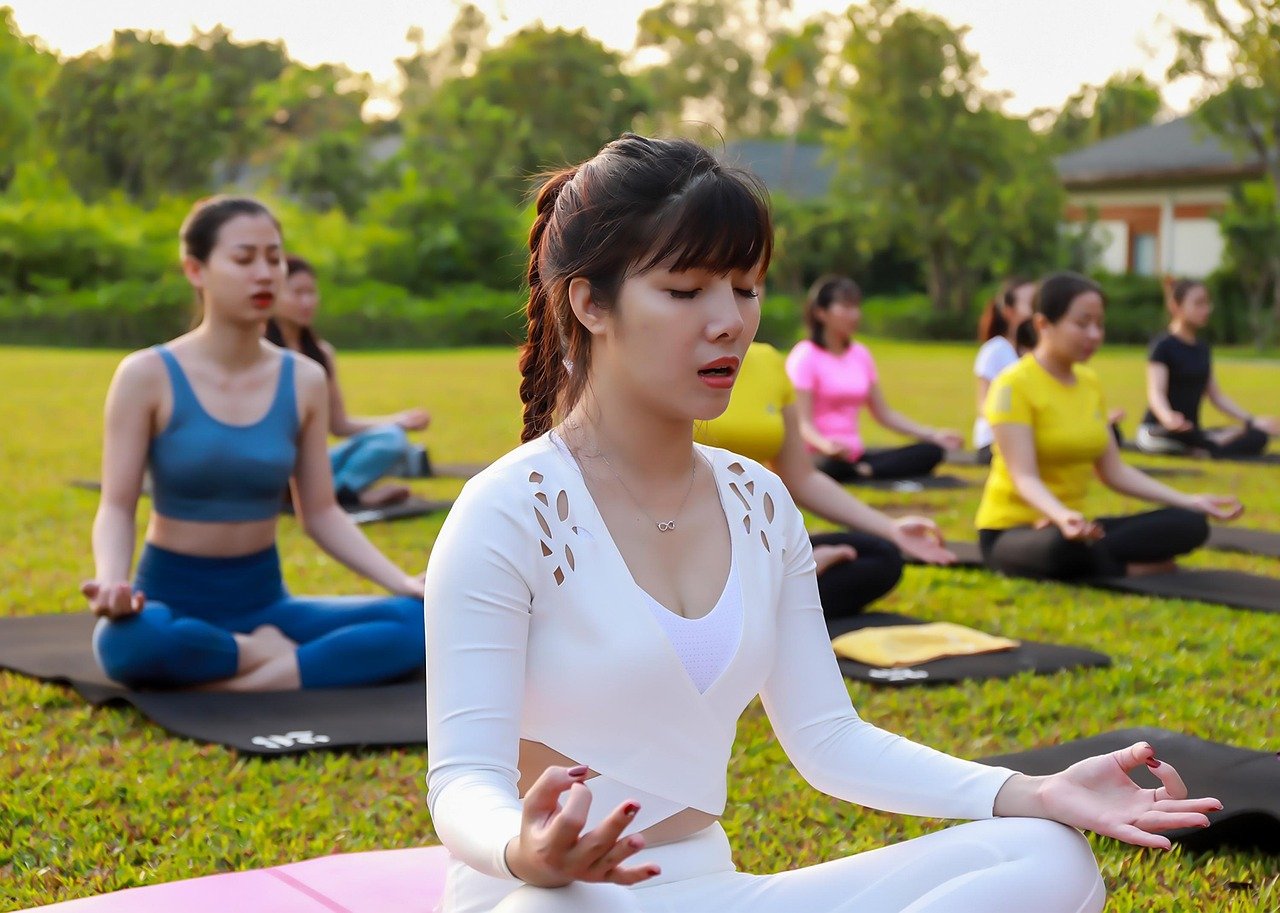
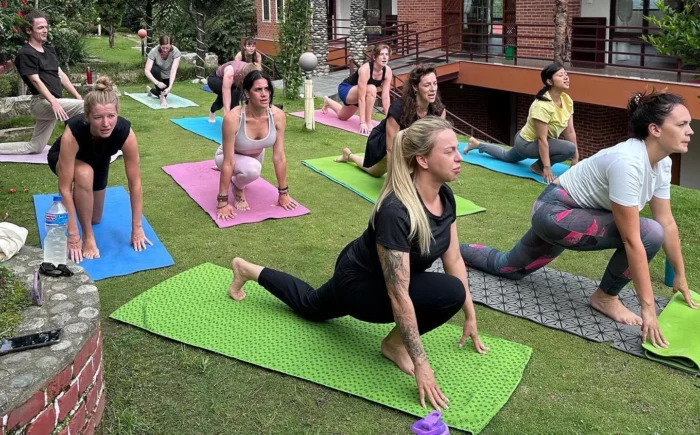
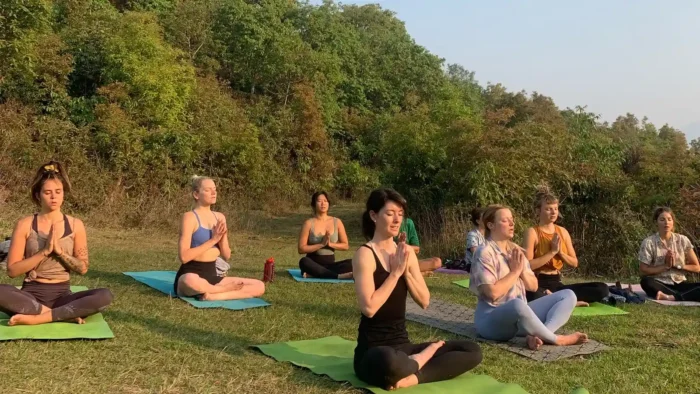
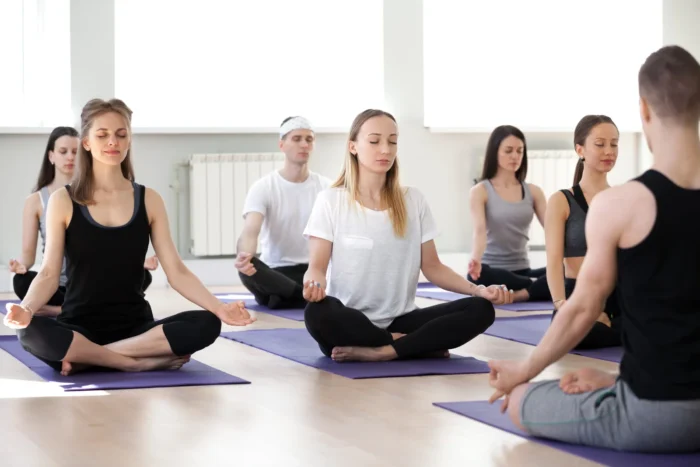
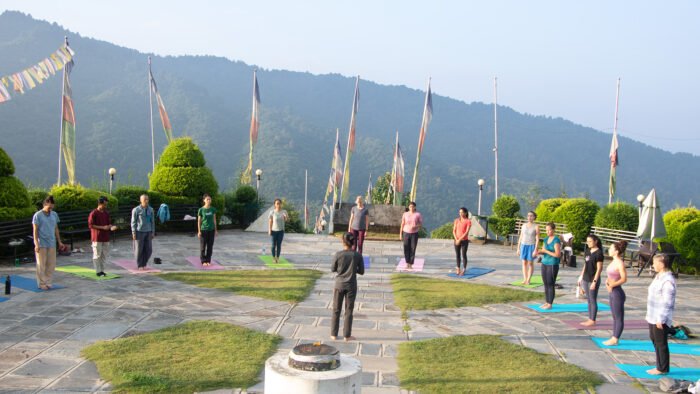
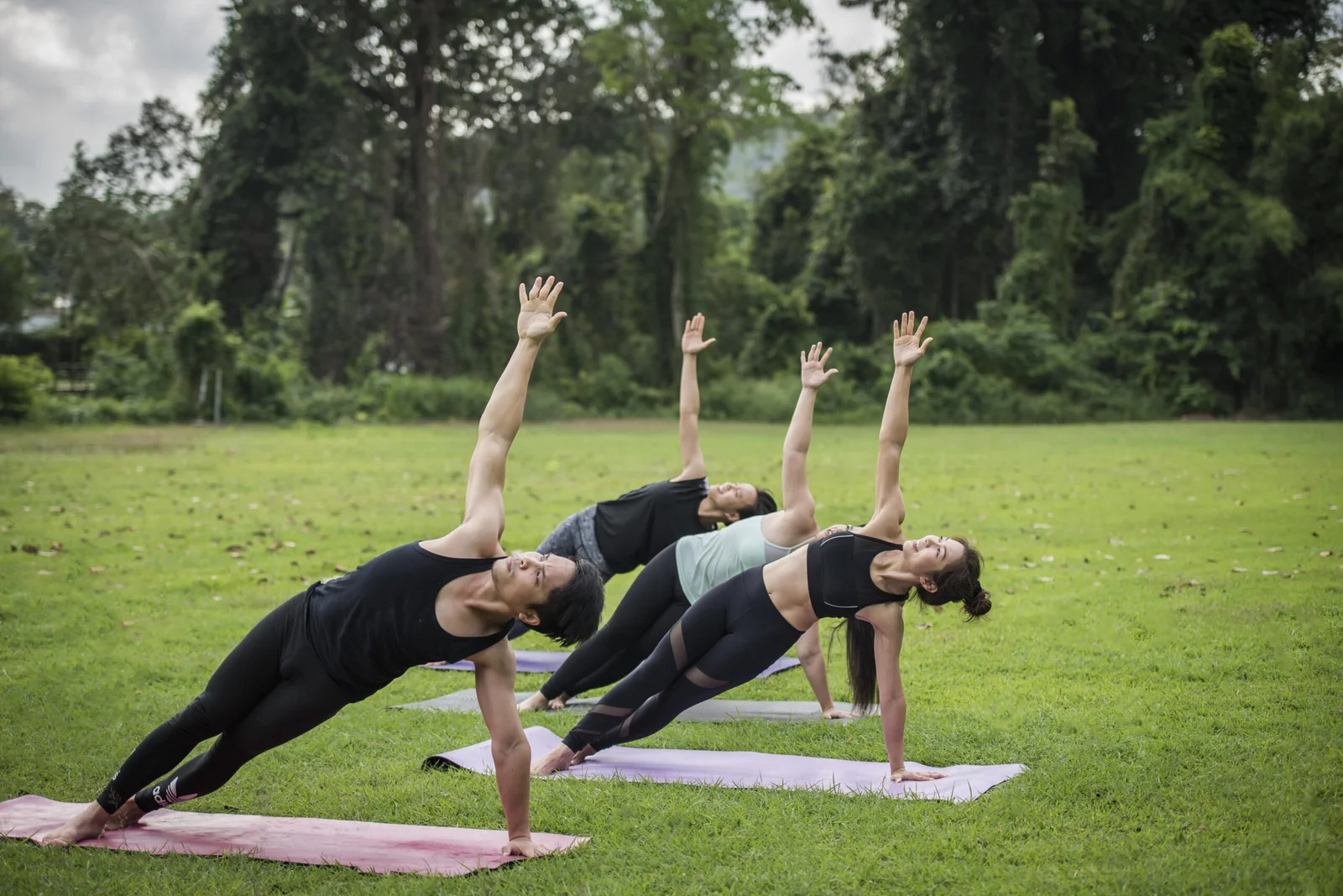
Group Yoga

3 Fundamental Attributes to Choosing a Yoga Teacher 

It is through specific qualities of the Student, Teacher, and Environment that helped us understand why we had found the right teacher training.

Yoga in a simplistic sense means Union. You can think of the Student, Teacher, and Environment as 3 Pillars that come together to support the Yogi by instilling the proper tools to complete the yoga training with the greatest benefits. The knowledge attained will enable you to design the ideal life, free from stress, imbalances, and turbulence.

It will help you to create harmony, understand the self, and become aware of the boundless beauty of life in our own experiences.

The Student’s attitude, understanding, and willingness to learn determines the quality of their experience during the training and its effects on establishing constructive daily rituals, and building optimistic mindsets.

The Teacher’s duty is to captivate the student with genuine passion, wisdom, and purpose. The Guru should invoke the student’s latent potential and draw it out all the while motivating the Yogis and Yoginis through exhaustions of both mental and physical plains.

The Environment must be yogic. Who is teaching you is just as important as where you are being taught. Is it a place of spiritual importance? Can you trace back thousands of years of traditions and prominent Gurus? An authentic environment can take your experience to the next level.

Yoga teacher training in nepal

Our Story: The Students

While travelling throughout Southeast Asia, we decided to educate ourselves and elevate our yoga practice. We asked ourselves why did we want to proceed with a formal training? This is a great place to start if you are thinking of attending a certified yoga teacher training.

What motivates you to attend a YTT?

For us, it was to deepen our practice and attain knowledge of the asanas. Becoming physically fit and mentally strong was convincing enough. I never realized until attending the teacher training how physically demanding meditating is.

I understood that yoga is more than touching your toes and performing asanas. Maintaining an upright seated position for an hour can be treacherous for your body and is a physical requirement if you ever want to develop traditional sitting meditation to gain mental resilience and control of your mind.

You need to possess patience and perseverance. To become a confident yoga teacher, you must go through discomforts and push through them in order to watch the fruit of your labor grow. Just as you are getting stable footing, another unforeseen obstacle parks itself right in front of you.

Then, it’s time to go through it all over again. For me, accepting personal responsibility for who I am and what I stand for helped me a great deal. The changes I experienced were drastic considering the duration of the training.

How I ate, slept, interacted with people, and thought was something I needed to get comfortable with and accept. If we couldn’t change for this 200-hour training course, we would have never grown and experienced life-long transformations of the mind and body.

Are you willing to show up to your mat for all the lessons and Asana classes and workshops?

There were times during the training when I really wanted to give up. Sleeping Thunderbolt Asana is a tough pose for me. Just uttering the ancient menacing Sanskrit words makes my hips ache.

I didn’t give up, though. I asked for help, modifications and worked through my limitations and learned about myself, and the power that I and all of us possess. Ask yourself what would you like to bring home and implement into your life from this experience. Then, find your Guru.

Yoga Teacher: Guruji

We attended our yoga teacher training in January/February 2020, at the Nepal Yoga Academy. We spent weeks sending emails and talking with representatives from various schools around the Indo-Asia region.

It was exhausting and at times troubling. It seemed like every place that eventually replied would practically ignore our questions and point our attention to their pricing charts and availability. What a horrible way to respond to someone who is seeking to better themselves…

Ask the important questions

What are the school’s credentials? Who is teaching what topics? Are they proficient in English? Can they help you get to the ashram?

You can tell a great deal about whether the school is just looking for a sale or is genuinely interested in teaching by reading the replies to an email containing a few to-the-point questions.

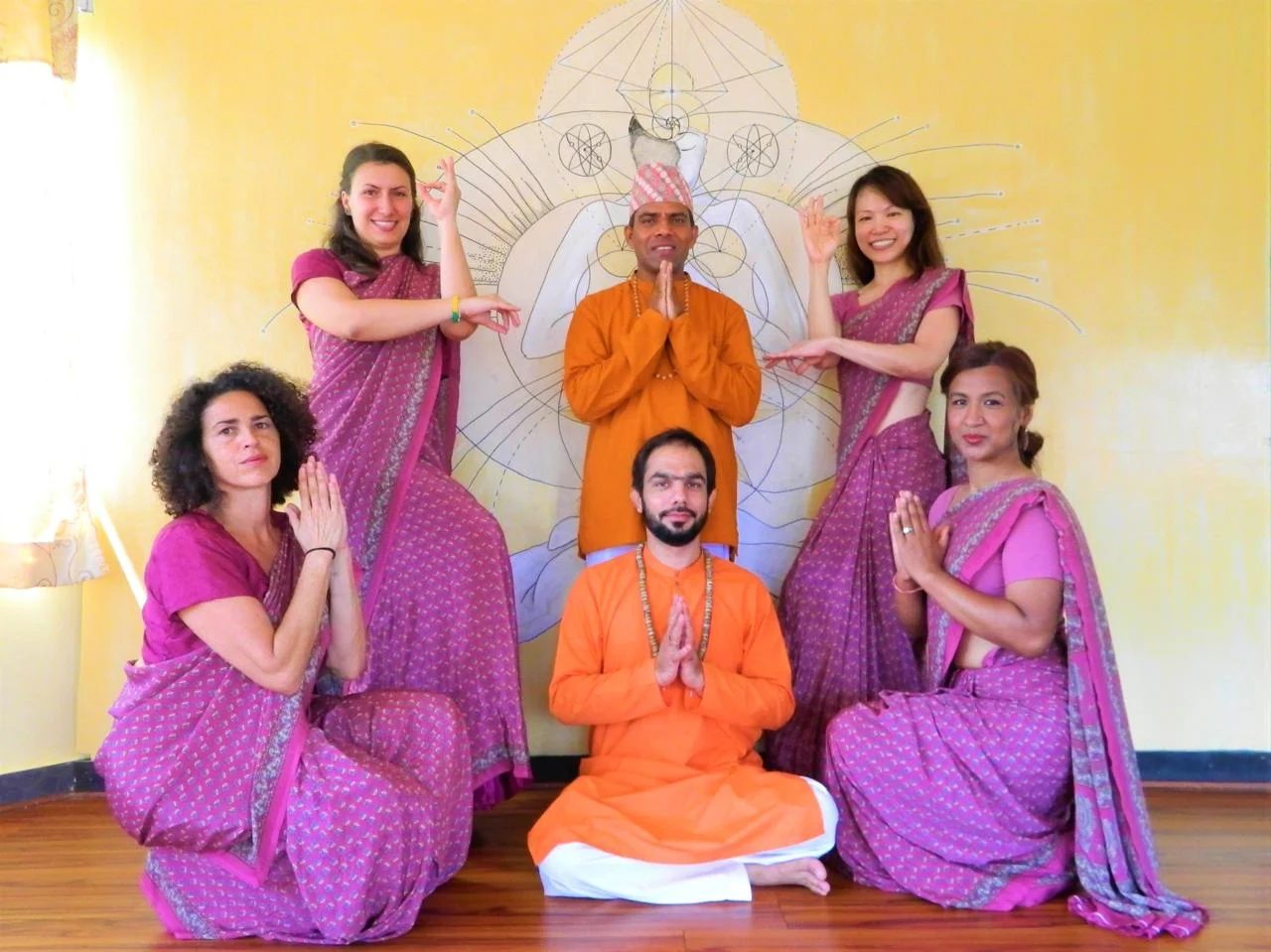
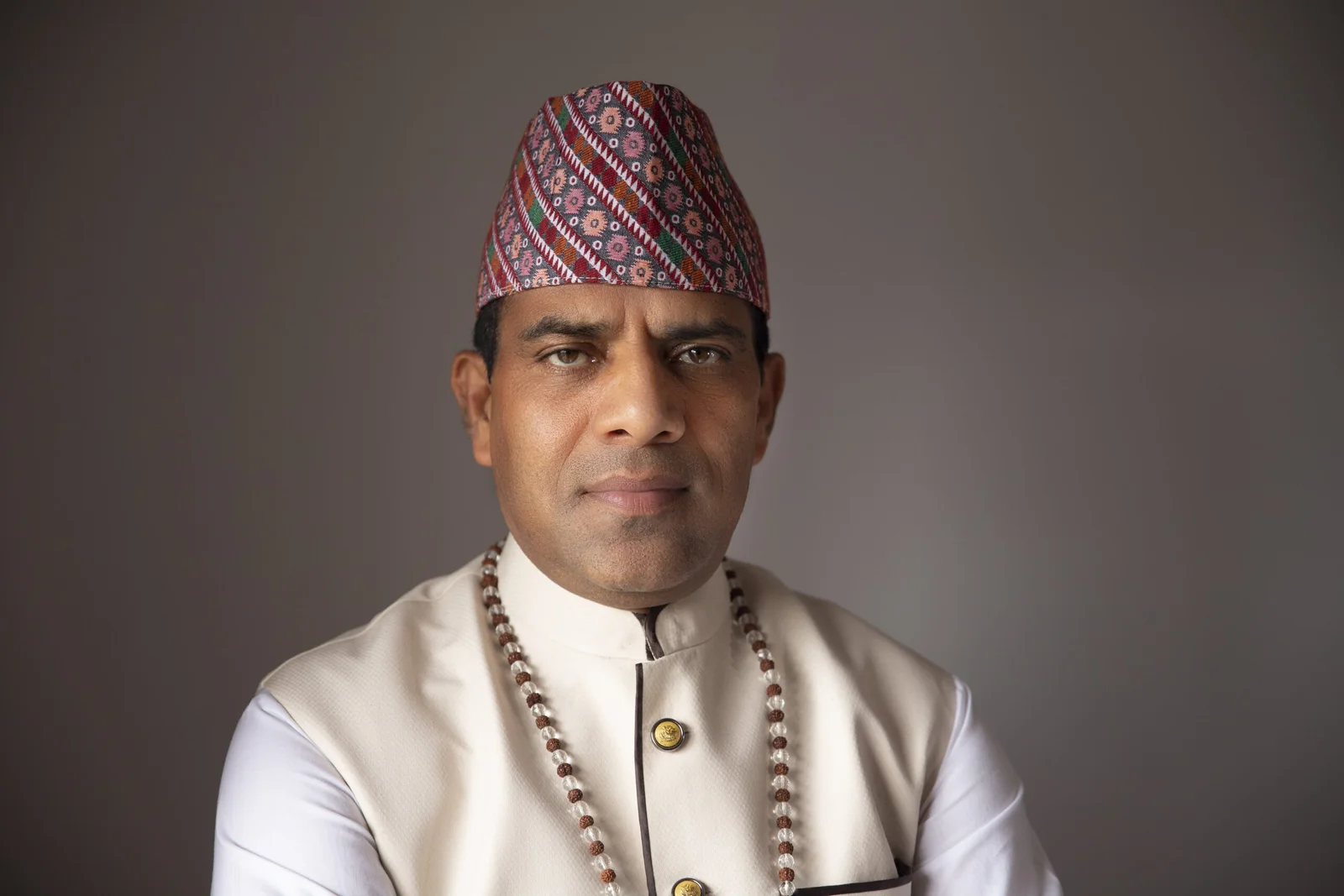
We spent a lot of time asking questions and reading replies. One teacher did catch our attention right off the start. Speaking with Dr. Chintamani (Guruji), at Nepal Yoga Academy filled us with hope and confidence.

He never once asked about payment or tried to sell us anything. He kindly answered all our questions (an email which contained a 13-message conversation) and conveyed an authentic passion of wanting to help us. After this, I was sold. Going with our guts paid off big time.

What makes a Great Guru?

After participating in the 200 YTT course, we both can say assuredly that a Guru must possess the ability to motivate you and lead from the heart. The Guru should engage the individuals to reach the inner rewards and goals of a meaningful yoga practice themselves.

Gurus have a tough job dealing with a diverse group of people from various ages, physical fitness levels, awareness, and habits. How they deal with these challenges can set the whole vibe of the training. The ability to adjust and tweak the program’s outline based on the students’ needs is an essential requirement.

Discovering the students’ strengths and weaknesses is the way to achieve this. If the teacher is only worried about the money or their own agenda and ego, the student gets pushed to the back however subtle it may be.

We never felt this way. The authentic teaching style allowed us to show our true colors and cultivated comfort even while doing a Sleeping Thunderbolt Pose; to press on and stay focused. This allowed us to grow and in turn allowed our Guru to teach the students as much as we taught him.

When a teacher considers specific elements in designing a class such as: time of day, specific people’s needs, and when to push harder, it is called wisdom. Using real-life examples to connect with the class promotes true learning. A high-quality leader is responsible for the health and success of the aspiring yogis going out into the world to teach with skill.

The Environment

Having a yogic environment is like adding rocket fuel to your experience. Where you do yoga can imbue strong energies into your daily routine, infusing you with an inspirational power to take yourself deeper into the inner calmness of yoga.

Yoga teacher training school
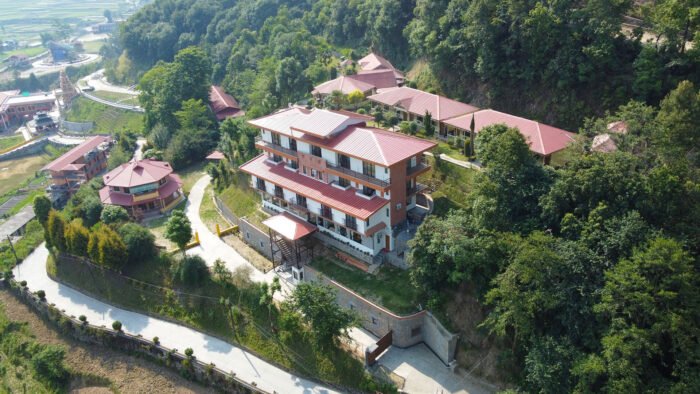
Nepal Yoga Academy

Do you ever wonder why people invest so much money and time going to yoga studios?

A definite answer is that the environment is a place of great peace, tranquility and focus. We all have busy lifestyles and homes that are full of distractions, which can make it difficult to do yoga.

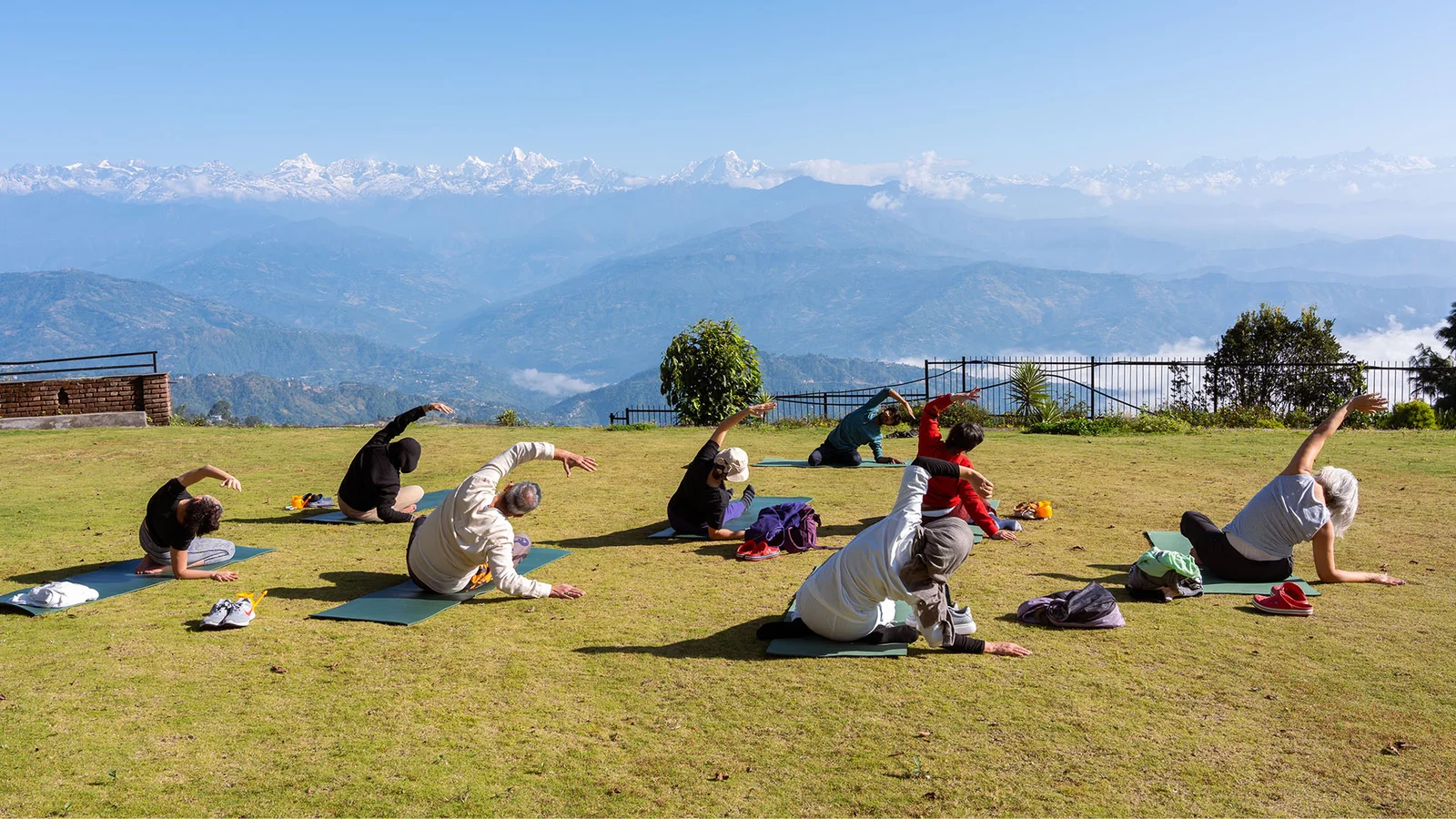
When we attended the training, it was magical. We were outside the busy hustle and bustle of Kathmandu, removed from the distractions of everyday life. We had a beautiful garden and lush greenery to relax in on the side of a mountain facing the sun.

Every morning we were greeted by the sun and massive beautiful eagles. We would smile and greet them back while performing Surya Namaskar. The birds chirped and a warm breeze drifted through the valley.

How could we not find peace and deepen into our practice? This type of an environment breeds positive vibes and strengthens the focus. Important qualities, such as self-study and inner reflections have better chances to flourish into your awareness when submerged into this yogic landscape. If you are able to attend a training away from home, I would highly advise you to take the opportunity without hesitation.

What about the body: isn’t that an environment too?

Yes, a pretty vital one. What you eat is a crucial aspect of the environment. Is the food clean and nourishing? Are the people who prepare it caring and friendly? It makes the food taste better when someone’s love and attention went into it.

With fresh locally sourced food your body heals and recovers quicker. It gifts you with energy and grace. At our training, the food was delicious and the Nepali staff tried to feed us as generously as your Italian grandmother you haven’t seen in over a year.

Not having to worry about preparing food and all the labors of cooking was a relaxing experience that my belly and body were grateful for every day of the course.

Looking Back as a Yoga Teacher

Doing new things can be challenging. We started with aspirations of becoming yoga teachers. During the first portion of the training however, we were overwhelmed and doubted if we were able to fulfill our goals.

Perseverance and understanding played a big role in us making it to the end of the training. Much appreciation to our Guru who helped to keep us straight on the path to accomplishing our aim. When it was our turn to teach our fellow students, we were surprised how easily it came and despite a little nervousness, it felt very natural to teach.

We gained the knowledge we sought out to deepen our practice. Now, confidently we can create an asana class and teach pranayama to many different types of people. I also feel very healthy and grateful for the whole experience.

Can you do it?

If you are having doubts about attending a training or have thoughts about pushing it back till next year when you are in better shape, don’t put it off any longer. I was the overweight, least flexible person in class, and always called on to demonstrate how to adjust a stiffer type beginner practitioner (attributes I ascribe to the cold Canadian winters).

Now, because of my attitude, guidance from my Guru and the yogic environment I’ve attained a healthy body and balanced mind.

During this training I realized that having less equals more, how to foster healthy rituals and why yoga should be an everyday practice. The training went by so fast. Bonds that were made with our fellow students, teachers, and staff are precious gems that I will cherish forever.

Nicolas Matassa

Canada

Jan-Feb 2020 YTT

Nepal Yoga Academy

nicomatassa@gmail.com

Sound Healing: Benefits of Sound Healing and Meditation

Sound Healing and Meditation has been used for thousands of years to fight off bad spirits, rebalance the body’s vibration, and treat emotional and mental health problems. There have been many different ways that music and sound have been employed throughout history.

From increasing workplace productivity to enhancing military troop morale to helping persons with dementia remember their “golden years” and feel more at ease. Sound Healing is one of the popular healing techniques that helps to relieve the pain, sorrow and lowers the blood pressure. There are different accepts of Sound Healing therapy

Using the Singing Bowl sound healing therapy, the vibrations of the produced sound heals the pains and reduces the risk of strokes and coronary artery disease. For people who have problems with not getting better sleep, Sound healing therapy can help to improve their sleep.

What advantages does Sound Healing have?

According to research, it lessens worry, stress, productivity, sadness, memory loss, and both physical and psychological suffering. It also lessens efficiency. In order to encourage restful sleep, nervous system balance, and emotional discharge, it entails employing certain sound frequencies to create a therapeutic environment.

One of the most popular wellness fads right now is sound healing treatment. It has been used for thousands of years to fight off bad spirits, rebalance the body’s vibration, and treat emotional and mental health problems.

When music was frequently utilized to treat or even cure mental problems in Ancient Greece, sound therapy became extremely well-liked.

TYPES OF SOUND HEALING

OM CHANTING

Om represents Parbrahma (Divine), and Parbrahma is Truth. When there was no life, sound, or sensation, there was just one sound: OM. It is the most spiritual and effective method of sound healing. 

Chanting the word “Om” promotes spirituality inside the mind and soul. It has immense therapeutic power and serves as the first step toward meditation. Om Chanting promotes spiritual serenity while retaining focus. It promotes physical and psychological well-being.

SINGING BOWL

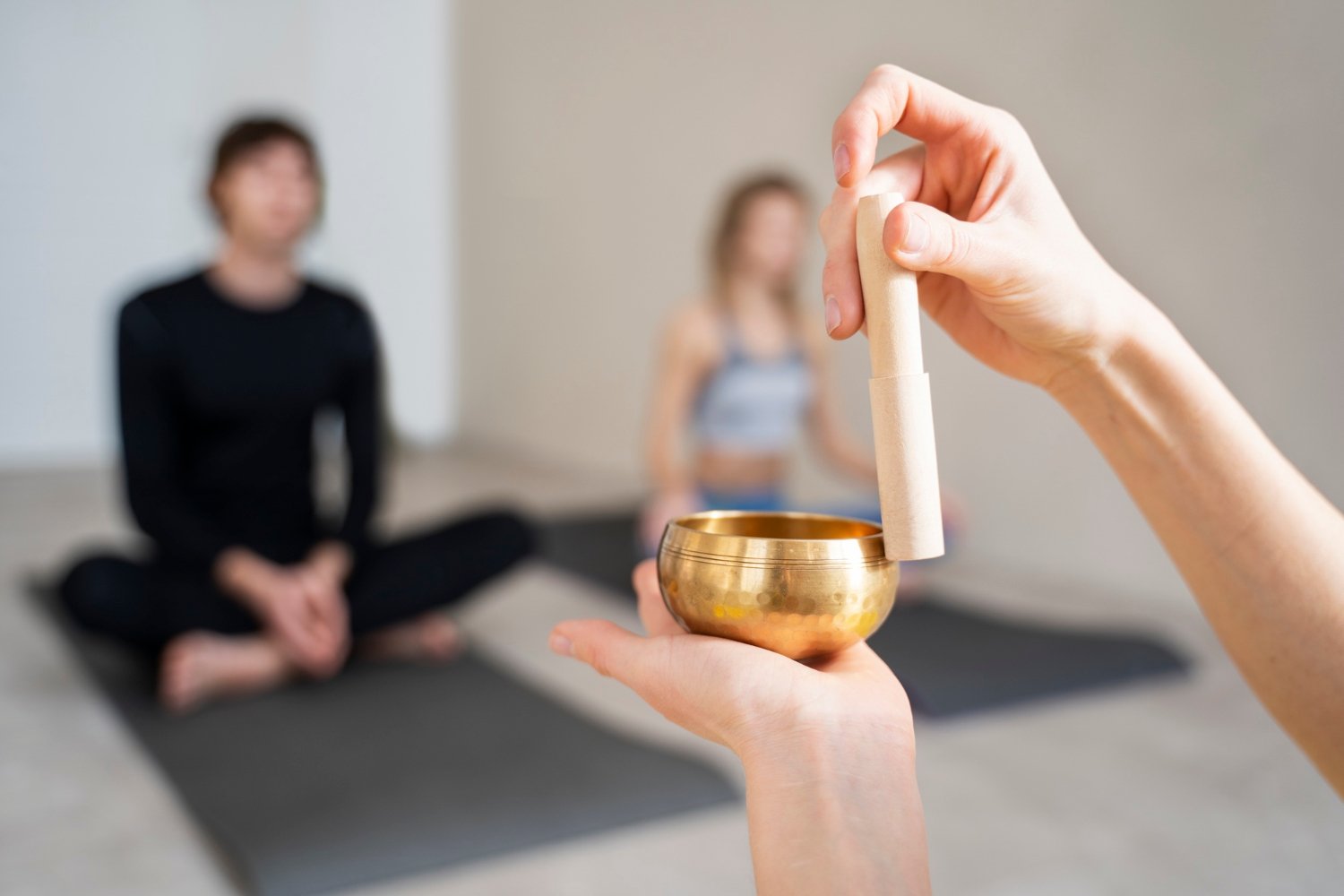
Singing bowls are sold in the Himalayan markets. It is also called the Himalayan Singing Bowl. The Singing Bowl is used in yoga, meditation, sound therapy, and other spiritual and therapeutic programs to relieve stress. In Buddhism, it is played at the start and finish of meditation.

Singing bowl treatment is commonly employed in Tibetan culture. The sound of a metal bowl is calming and helps you relax. Listening to the sound of music emanating from the singing bowl can also help to cure many disorders. 

It also solves the problem of sleeplessness. Listening to your preferred music for a few hours immediately relieves tension. This produces feel-good hormones and relaxes the mind.

TINGSHA

The sound of the tingsha (cymbals) marks the beginning and conclusion of each day in Buddhism. In Chinese and Tibetan temples and spiritual centers, this bell is rung 108 times. 

According to the belief, there are 108 different sorts of problems in a person’s life, and whoever hears the sound of this bell has all of his sorrows and afflictions removed, serenity has entered his life, and his consciousness has been awakened. 

In ancient times, the sound of Tingsha was employed to drive away bad spirits. However, it is now utilized to relax both the mind and the body.

DRIBU OR DORJE MEDITATION BELL

Dorje is sometimes referred to as Dribu, Ghanta, or Bell. These are handcrafted bells from India and Nepal. The fundamental goal of this bell is to bring your present to life. 

You may also play this bell using a wooden stick. Dorje in Tibetan signifies Vajra (Indra Dev’s weapon). If this bell is to be described, it is the one that wakes your consciousness as soon as it is hit, causing the wave of your greater lightning to run. Dorje is also a sign of divine wisdom and is utilized for meditation.

MULTIDIMENSIONAL MUSIC THERAPY

Vibration therapy is thought to promote good changes in the body. It also treats blood pressure and respiratory ailments. Vibroacoustic Therapy is used to promote health and relieve stress. 

This type of sound treatment delivers music and sound waves directly to the body. According to specialists, vibroacoustic treatment is used to relieve pain in cancer patients and individuals recuperating from surgery.

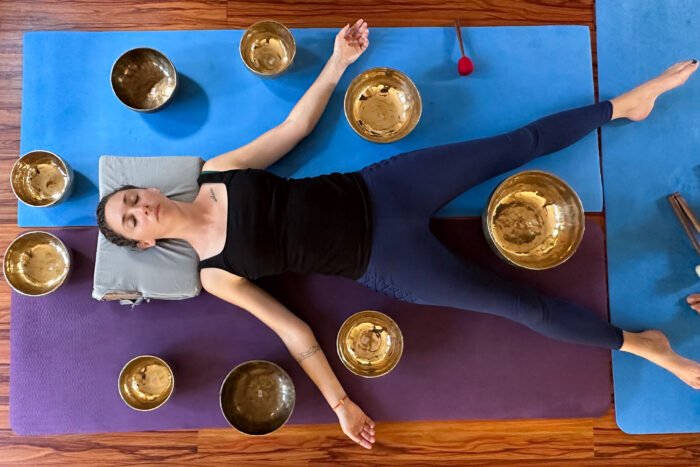
Sound Session

The Key Benefits of Sound Healing

Sound healing is effective in a wide range of conditions. It can help regulate the nerve system, facilitate emotional discharge, improve mental health, promote physical healing, and strengthen the mind-body bond.

Nervous System Regulation

Trauma may damage the neurological system, putting people in a permanent fight-or-flight mode marked by anxiety and uneasiness. Sound therapy distributes therapeutic vibrations into the body, which helps to reset the nervous system and promotes relaxation. 

Soothing sounds provide a secure area for the body to release stress and promote healing. According to Advances in Medical Education and Practice, frequent sound healing exposure can reduce cortisol levels and promote a more balanced state of being.

Emotional Release

Certain sounds and frequencies can provoke emotional responses. Sound therapy enables people to confront and manage repressed emotions in a safe and non-invasive manner. This emotional release typically occurs during a deeply meditative experience in which people reach profound relaxation and reveal suppressed feelings. 

As emotions arise, people often have a cathartic release, which leads to a greater understanding of their emotional landscape. This technique is vital for healing because it allows people to face past traumas and move forward in their lives.

Improved Mental Health

According to a 2022 study published in the journal PLoS One, sound therapy can considerably reduce symptoms of anxiety, despair, and stress. During sound therapy sessions, brainwaves go from a high alert to a more tranquil, meditative state. This shift allows for greater relaxation and reflection, which improves emotional control and resilience. 

For people dealing with trauma-related mental health issues, sound healing provides a powerful avenue to better peace of mind and emotional wholeness.

Enhanced Physical Healing

In addition to its psychological and emotional advantages, sound therapy aids physical recovery. The vibrations created by sound healing can assist alleviate physical discomfort, enhance circulation, and cleanse the body.

Trauma can emerge physically, causing blockages and tension throughout the body. Sound vibrations assist to relax these obstructions, allowing for a more fluid flow of energy throughout the body. As a result, people frequently report feeling lighter, more invigorated, and more connected to their physical self following sound therapy sessions.

Improved Mind-Body-Spirit Connection

The power of the mind-body-spirit links and understands that genuine healing requires treating all areas of a person’s existence. Sound therapy is a fantastic tool for bringing together all components of a person.

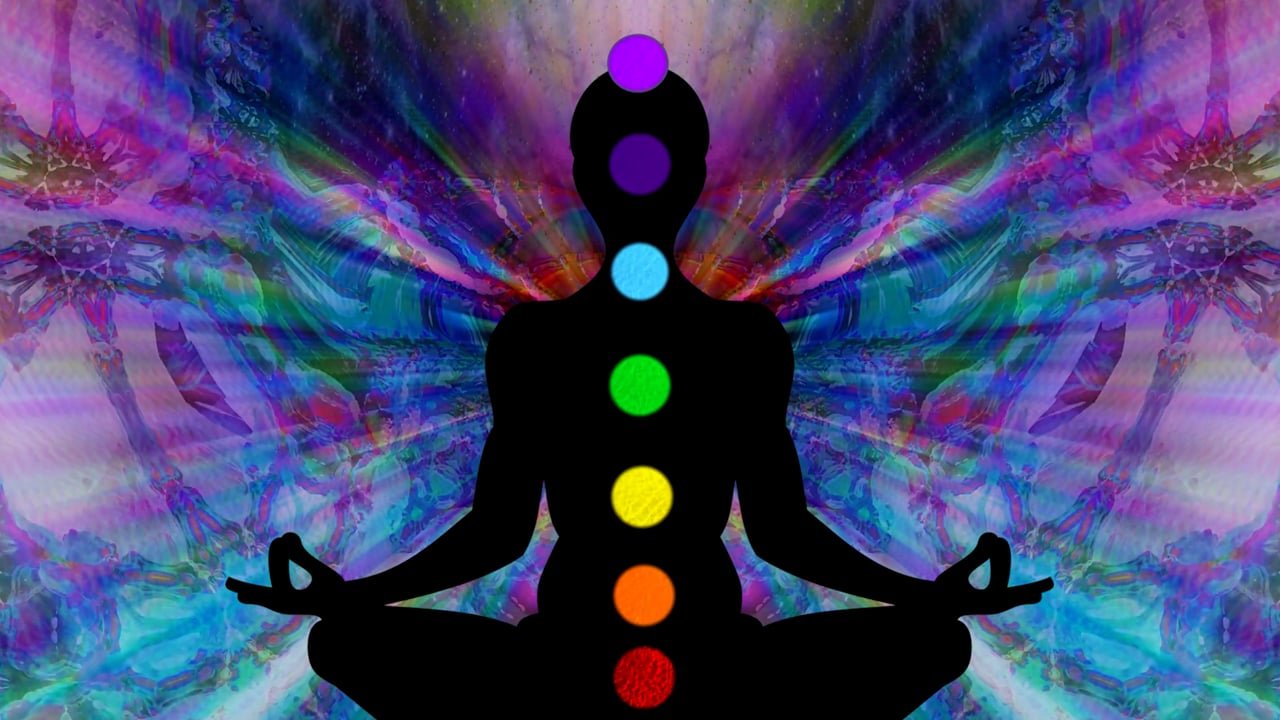
The use of music promotes people to be more present, promoting awareness and a stronger connection with their inner selves. As sound vibrations enter the body, they assist align energy centers known as chakras, encouraging spiritual healing and developing a deep feeling of calm and harmony.

The top ten benefits that you can get from sound therapy:

  1. Relief from stress

Relief from stress is one of the most significant benefits that sound therapy provides. The relaxing tones assist you re-tune your brain to better cope with stress by replenishing brain energy through high-frequency sound.

  1. Fewer headaches

Many people utilize sound therapy to manage persistent headaches and migraines. It can also treat the root causes of many headaches, such as stress and high blood pressure. One research found that persons suffering from migraines had alleviation from their symptoms after two weeks of treatment.

  1. Boost in confidence

Sound therapy can also help you develop new, positive brain patterns. Which can enhance your confidence significantly. You will be able to take on new tasks and have the courage to make important adjustments in your life.

  1. Gives you more focus

Sound therapy can also aid in regaining concentration in your life. This is accomplished by reducing brain wave frequency, which allows you to focus more effectively. This can benefit you with more than just day-to-day chores; sound therapy can also be utilized to improve sports performance.

  1. More energy

Much of your emotional state is determined by impulses sent by your brain throughout your body. A stressed body feels weary and drained, and our ears are one of the most important organs that influence stress levels. Sound therapy stimulates the brain with noises that encourage it to release stored energy.

  1. Improved relationships with others

Too much stress is one of the leading causes of relationship breakdowns in the home, the workplace, and wherever else we engage with people. Sound therapy helps to alleviate stress and allows you to focus more on creating and strengthening connections.

  1. Think more clearly

Sound therapy can help you think straighter and resist the urge to rely on self-destructive. And addictive habits by rebalancing brain activity using certain frequencies. A healthy mind encourages a healthy body, and you may stop the cycle of negative thoughts and habits to live a much more tranquil and focused life.

  1. Improve organization skills

Obviously, when your brain is more concentrated and has “less going on,” you can take management of your everyday duties to a whole new level. A course of sound therapy can help you enhance your organizing abilities, which will assist both your professional and personal life.

  1. Improved attention span

Many parents of children with Attention Deficit Hyperactivity Disorder (ADHD), speech, or language issues have discovered that sound therapy has numerous benefits. This is because sound therapy can help retrain the brain to listen more effectively and concentrate better on activities.

  1. Get relief from common ailments

Because many of the illnesses and health issues we encounter today are stress-related. Practicing sound therapy on a daily basis can provide comfort. Hypertension, stomach ache, sadness, and joint pain are all symptoms of stress and worry. When the appropriate noises vibrate throughout the body, they create a therapeutic environment. In which the body and mind begin to heal themselves.

Conclusion

Sound healing is a profound way to harmonize the body, mind, and soul. Whether through Tibetan singing bowls, mantra chanting, or simply listening to relaxing music, incorporating sound therapy into your daily routine can bring a deep sense of peace and well-being. As we rediscover the ancient wisdom of sound, we unlock a natural path to healing that has been within us all along.

Nepal Yoga Academy provides Foundational Sound Healing and Advance Sound Healing Course. Embrace the power of sound and allow its vibrations to guide you toward a state of balance and bliss.

Is it a 100h, 200h, 300h, or 500h Yoga Teacher Training Course for Me?

Choosing the right Yoga Teacher Training Course (YTT) is a crucial step in your journey as a yoga practitioner or aspiring teacher. With options ranging from 100-hour, 200-hour, 300-hour, and 500-hour certifications, it’s essential to understand what each course offers and which one aligns best with your goals. In this complete guide, we will break down each program, helping you make an informed decision on your yoga path.

100-Hour Yoga Teacher Training: A Strong Foundation

100-Hour Yoga Teacher Training is a deep dive into the heart of traditional yoga, designed for those seeking personal growth or a strong foundation in teaching. Rooted in Sanatan Yoga, this course blends ancient wisdom with practical techniques, covering asanas, pranayama, meditation, philosophy, and anatomy. Perfect for beginners

Who is it for?

  • Beginners who want to explore the fundamentals of yoga.
  • Yoga practitioners looking to deepen their practice without committing to a full certification.
  • Those seeking to learn yoga philosophy, asanas, and meditation techniques at a basic level.

What you will learn:

  • Introduction to Hatha Yoga and Vinyasa Yoga.
  • Fundamental asanas (postures), pranayama (breathing techniques), and meditation.
  • Basic anatomy, alignment, and yoga philosophy.

Next Steps:

After completing this course, you can choose to continue with a 200-hour certification to become a certified yoga instructor. Learn more about our 100-hour YTT course.

Yoga Teacher Training 100 Hours

200-Hour Yoga Teacher Training: The International Standard

200-Hour Yoga Teacher Training is a transformational journey that deepens your practice and equips you to teach with confidence. Whether you’re looking to become a certified yoga teacher or simply enrich your personal journey, this training offers growth, self-discovery, and a deeper connection to yoga’s true essence.

Who is it for?

  • Aspiring yoga teachers who want to get certified and start teaching.
  • Dedicated yoga practitioners ready to deepen their understanding of yoga.
  • Students looking for a Yoga Alliance-certified course to teach worldwide.

What you will learn:

  • Comprehensive study of asanas, pranayama, meditation, and yoga philosophy.
  • In-depth anatomy and alignment principles.
  • Teaching methodology and practice teaching sessions.
  • Ethics, lifestyle, and the business of yoga.

Next Steps:

A 200-hour YTT is the minimum requirement for RYT certification. If you want to enhance your knowledge, you can continue with a 300-hour advanced YTT. Discover more about our 200-hour YTT course.

yogic life

300-Hour Yoga Teacher Training: Advancing Your Practice

300-Hour Yoga Teacher Training is an advanced journey into the depths of Sanatan Yoga, designed for those ready to refine their teaching and personal practice. This immersive course deepens your understanding of asanas, pranayama, meditation, philosophy, anatomy, and advanced teaching methodologies, empowering you to teach with greater wisdom and authenticity.

Who is it for?

  • Certified 200-hour yoga teachers looking to enhance their skills.
  • Practitioners interested in advanced asana techniques and yoga therapy.
  • Those who want to specialize in a particular style of yoga.

What you will learn:

  • Advanced asana practice, sequencing, and adjustments.
  • Deeper study of yoga philosophy and the Yoga Sutras.
  • Specialized yoga therapy techniques.
  • Advanced teaching methodologies and hands-on adjustments.

Next Steps:

A 300-hour YTT combined with a 200-hour YTT leads to 500-hour certification, recognized worldwide. Explore our 300-hour YTT course.

Yoga Teacher Training 500 Hours
500 hour yoga teacher training by Nepal Yoga Academy

500-Hour Yoga Teacher Training: Mastery in Yoga

500-Hour Yoga Teacher Training is the ultimate journey for dedicated practitioners and teachers seeking mastery in Sanatan Yoga. This comprehensive program combines the 200-hour and 300-hour trainings, offering an in-depth study of asanas, pranayama, meditation, philosophy, anatomy, and advanced teaching techniques.

Who is it for?

  • Yoga professionals looking to achieve the highest level of certification.
  • Practitioners who want to teach advanced-level students and workshops.
  • Those committed to a lifetime practice and teaching of yoga.

What you will learn:

  • Master-level asana, pranayama, and meditation techniques.
  • Advanced yoga therapy, anatomy, and sequencing.
  • Deep exploration of yoga philosophy and yogic lifestyle.
  • Teaching methodology for one-on-one, group, and therapeutic yoga.

Next Steps:

The 500-hour certification is the highest level in YTT and qualifies you as a master teacher. Enroll in our 500-hour YTT course.

Which Yoga Teacher Training Course Should You Choose?

If you are just starting out, a 100-hour or 200-hour YTT is a great choice. If you are already a certified 200-hour instructor, a 300-hour or 500-hour program will deepen your expertise and expand your teaching capabilities.

Still Not Sure?

Send us a message on Instagram for a Q&A session about our courses: @NepalYogaAcademy or visit our Yoga Teacher Training programs.

Start your yoga journey today!

The secret “Essence” of Sanatan Yoga, eternal tradition

Origin: Self-Realization and Inner Peace

Sanatan Yoga, rooted in the Sanskrit word “Sanatana,” meaning eternal, represents the timeless essence of yoga that has been practiced and preserved for centuries. It is not just a system of physical postures but a way of life designed to align individuals with the universal rhythm of existence. Originating in the sacred lands of Northern India, Sanatan Yoga is deeply connected to nature, the ancient wisdom of the yogis, and the ever-evolving cycle of time.

The great yogis of the past did not merely practice yoga for physical fitness; they sought mukti (liberation), a state of complete freedom, balance, and enlightenment. Through disciplined practice and self-inquiry, they became masters of their environments, socially, personally, and spiritually, evolving their teachings according to the needs of their time while keeping the core essence intact.

The Pillars of Sanatan Yoga

Sanatan Yoga is built on foundational principles that guide its practice:

  1. Authenticity – Preserving the essence of traditional yoga while allowing it to flow with time.
  2. Adaptability – The wisdom of Sanatan Yoga is timeless and can be integrated into modern life.
  3. Inner Liberation – The ultimate goal is self-realization and alignment with the universe.
  4. Balance of Mind and Emotions – The practice includes pranayama (breathwork), asanas, and meditation to cultivate harmony within.
  5. Spiritual Evolution – It is not limited to physical practice; it is a path toward a higher state of being.


Benefits of Practicing Sanatan Yoga

  • Authentic Transformation: Unlike modern yoga trends that often emphasize flexibility and fitness, Sanatan Yoga offers a holistic approach to self-growth and mental clarity.
  • Emotional Balance: The integration of pranayama and meditation supports the nervous system, helping to regulate emotions and reduce stress.
  • Self-Realization: By immersing in the timeless wisdom of yoga, practitioners develop a deeper connection with themselves and their surroundings.
  • Adaptation to Change: Like water that takes the shape of its container, Sanatan Yoga teaches the ability to transform while staying true to one’s essence.
yoga with Chintamani

The Role of Pranayama, Lifestyle, and Balance

Sanatan Yoga teaches that true well-being comes from:

  • Breath as a Life Force: Pranayama techniques cultivate inner stillness and vitality.
  • Balanced Living: A yogic lifestyle is not just about practice but about how one interacts with the world.
  • Emotional Mastery: Understanding the connection between mind, body, and breath leads to emotional resilience and clarity.

Time, Tradition, and the Eternal Memory

The essence of Sanatan Yoga lies in its recognition of time as both a guide and a teacher. The ancients understood that wisdom is not something to be forced but something that unfolds naturally. They lived in harmony with the seasons, the environment, and the cosmic cycles.

Today, in our fast-paced world, we must return to these roots. Yoga is not just about progress but about rediscovering what has always been within us. The traditions of Sanatan Yoga remind us that the memory of the past continues to live in the present—that which is eternal is always relevant.

kathmandu

A Call to Return to the Source

At Nepal Yoga Academy, we honor the path of Sanatan Yoga by offering an environment where students can immerse themselves in an authentic and transformative experience

Our teachings do not impose rigid structures but instead allow students to learn through experience, in alignment with the ancient ways.

Through this practice, we free the soul—not just through physical flexibility but through a journey that leads to true liberation. Whether you come seeking better health, deeper awareness, or personal growth, Sanatan Yoga provides the tools for an enduring transformation.

Join us in embracing the eternal wisdom of yoga. Let time, tradition, and transformation guide you toward true self-discovery! 

My Favorite 10 Minute Yoga Routine For a Healthy Life

Yoga is the best hobby for many individuals throughout the globe and 10 Minute Yoga Routine For a Healthy Life. In recent years, numerous people have commenced their journey towards developing a career in yoga. Yoga is not only a mere hobby, but it is an integral aspect of life.

It acts as an intermediary between the mind and the very soul. You may have seen many posts like Nepal Yoga Academy and Yoga institute in Nepal trending on social platforms. Some people live and breathe yoga and some are so caught up in their lives that they don’t have enough time to look after themselves.

We will discuss about 10 minute yoga routine that everyone can try for good health. We are so caught up in maintaining a lifestyle that we often forget the most crucial factor of life- Health. We have made health a second priority and as a result, we are plagued with various issues like back pain, joint pain, and tiredness.

This blog will aim to provide you a short and discreet yoga routine that lasts a maximum of 10 minutes. No, you won’t have to join a Yoga Retreat Center take any sort of training, you can do it yourself.

The Perfect 10 Minute Yoga Routine

This yoga routine can be done either in the morning or in the evening. Regardless of your timing, you will have a quality time in which you will get to experience the many benefits of yoga.

Mountain pose

Parvatasana (Mountain Pose)

Before starting a yoga pose, be sure to stretch thoroughly. This posture helps to improve your balance. You need to stand with your feet drawn close to each other. Stretch your arms towards the floor and refrain from leaning front or back. Be sure to breathe slowly and rhythmically.

Benefits: Improves posture, strengthens legs, and enhances body awareness.

Child’s pose

Paschimottanasana (Back Stretching Pose)

This pose helps alleviate the stress in the lower back. You need to lower your hips towards your heels. Slowly exhale and place your forehead on the floor. Your knees need to be slightly apart and the arms can either be extended with the palms up or the hands can be placed alongside the body with the palms up. You can close your eyes and breathe slowly to gain maximum benefit.

Benefits: Relieves tension in the spine, stretches hips and thighs, and promotes relaxation.

Downward dog

Cat Stretching Pose

This is the most famous position in yoga. Put both hands on the floor on the favorable side of the right foot. This pose stretches the back and it helps to develop your upper body strength. If you feel difficult to straighten your knees, you can bend it a little bit. The one thing that you should consider is keeping your spine straight.

Benefits: Strengthens arms and legs, stretches the spine, and improve circulation.

Upward salute

Garudasana (Eagle Pose)

To start this pose, you need to stand straight. Then, you need to stretch your arms overhead and reach towards the ceiling. Grab the left wrist with your right hand and slowly bend towards your right. Don’t forget to exhale slowly while doing so. Stand straight again and grab your right wrist with your left hand and bend towards the left.

Benefits: Enhances flexibility, opens the chest, and improves posture.

Plank

Bhujangasana (Cobra Pose)

This pose helps to keep your body stable and strengthens your core while working on the shoulders and triceps as well. To do this pose, you need to come to a pushup position and hold it for as long as you can. You need to breathe slowly while doing it.

Benefits: Builds core strength, enhances stability , and improve endurance.

You can find numerous 10-minute yoga routines but these are the basic ones that you need to master before heading into the difficult ones. This 10-minute yoga routine is guaranteed to make you feel better and we hope that it will help you develop a certain closeness to yoga.

Why Prioritizing Health is Essential

In the modern world, we often prioritize work, responsibilities and social commitments over our health. As a result, issues like back pain, joint discomfort, fatigue, and stress have become common. The good news is that yoga offers a solution to these problems. A simple 10-minute yoga routine can help you regain your energy, reduce stress, and improve flexibility—without requiring you to join a Yoga Retreat Center or enroll in formal training.

Final Thoughts

There are numerous 10-minute yoga routines available, but mastering these fundamental poses will set a strong foundation before moving on to more advanced sequences. This quick and effective yoga routine is guaranteed to make you feel rejuvenated and more connected to your body.

By incorporating these poses into your daily routine, you’ll cultivate a deeper connection to yoga while improving your overall health. Whether you’re a beginner or someone looking for a quick wellness boost, this 10-minute yoga practice is a great way to prioritize self-care and inner balance.

Yoga Teacher Training in Kathmandu

To the world, if you seeking for transformation and a peaceful career change, seeking for the sustainable and respectful career option here is best for you, “yoga teacher training in Kathmandu”. Yoga Teacher Training 200 hours can equip you to be the professional yoga instructor and deepen your knowledge of yoga, deepen self-practice and develop the healing art of yoga.

Nepal has been a remarkable milestone in the life of many yogis thus we have a perfect blend of authentic and professional courses to reach out to the mass around the world. At Nepal yoga academy we serve you with 200 hours of teachers training and other extensive yoga courses to sharpen your skills and provide the best to your career.

Yoga Teacher Training in Kathmandu

We are situated in the terrains of Himalaya and provide you the best yoga teachers training course in Nepal. Peaceful environment, beautiful mountains around, many holistic places around make it the best place to practice yoga and building your skills, we believe in serving you the true essence of yoga, our team has best yoga teacher in Nepal we have award-winning teachers with us to facilitate you with your journey as a yoga teacher.

Best Yoga training in Nepal

We have internationally certified US alliance and Australian alliance course with us covering the Asthanga yoga, hatha yoga, yoga philosophy, yoga anatomy and physiology, brief discourse on various forms of yoga like karma yoga, Gyan yoga, mantra yoga, raja yoga, kriya yoga, and kundalini yoga. Our classes are designed in such a way to create ease for the fresh students as well. Yoga teachers training course in Nepal can help you to deepen the knowledge of yoga.

This course is a residential course embodied with all basic facilities beautiful and clean accommodation, freshly cooked food, homely environment and experienced faculties that make it unique from others. One batch consists of a maximum of 14 students and we seek to give a personal touch to every student to clear their concepts. Although we are situated in the foothills of Himalayas we are approachable to the main cities like Kathmandu and Bhaktapur and there are many other sight scenes and UNESCO world heritage sites to soak yourself more to the Nepali culture and bring traditional essence in your life

Yoga Teacher Training 200 Hours certification

Day at Nepal yoga academy starts with various satkarmas (cleansing), Pranayam, mantra chanting, yoga asana, bandas, mudras which is followed by the theory classes at afternoon which is deliberately designed for the beginners to learn and understand the true essence of yoga which is way more than the asana, here we cover the different philosophy of yoga in the different ancient scriptures, like Patanjali Yog darshan, Hatha paradipika.

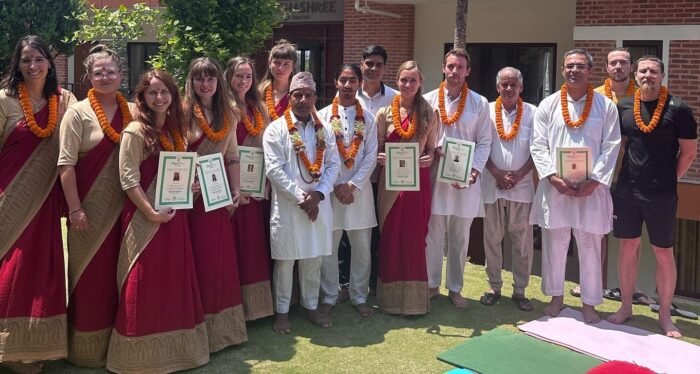
YTT Graduation


Key benefits of Yoga Teacher Training

Nepal teacher’s training takes you through the essential components required to expand and enhance your yoga practice as well as be able to lead students through their practice confidently. Our expert teachers will guide you from the fundamental stages of teaching with ease. We have designed four weeks of 200 hours yoga teachers training courses in such a way to create learning very easy and adaptable to every level of students to get maximum benefits out of their stay at the Nepal yoga academy.

Yoga Group

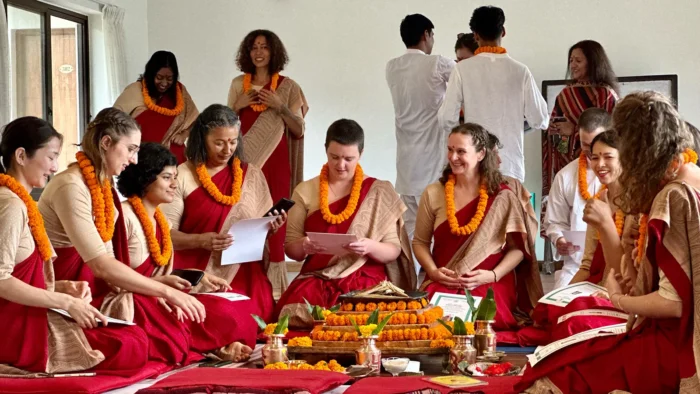
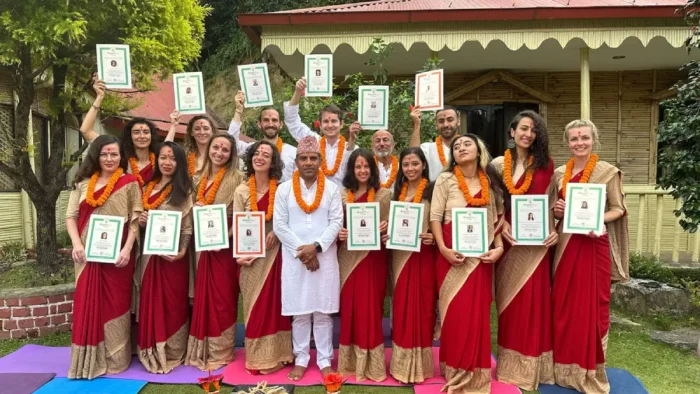
At every fourth week, we conclude the course with the self-assessments and self-practice to sharpen teaching skills, practicing hands-on adjustments and demonstrating the workshops on various new postures. And the most fascinating experience is the graduation day where we complete the true yogi in you through physical graduation completing 108 sun salutations, certificate distribution regarded as academic qualification and offering holistic rituals to all sadhgurus.

Join our Yoga Teacher Training Course and improve your Career into the world of yoga. Enroll Today!.

Yoga in Nepal the Heart of the Himalayas: Connecting with Natural Energy

Yoga In Nepal, NEPAL a land of ancient wisdom and breathtaking landscapes, offers more than just yoga practice—it provides a path to physical strength and spiritual awakening. 

Nestled in the majestic Himalayas, it is the perfect destination for those seeking an authentic yoga retreat or yoga teacher training. Unlike modern, fitness-focused yoga, traditional Nepalese yoga stays true to its Vedic and Himalayan roots, integrating asana (postures), pranayama (breath control), meditation, and mantra chanting.

In this article, we explore how the energy of the Himalayas and Nepal’s rich cultural traditions transform the yoga experience, taking it beyond the physical postures.

The Magic of the Himalayas: Yoga and Nature in Harmony

Nepal’s stunning natural beauty and deep spiritual heritage create a unique environment for practicing a Himalayan yoga type. Practicing yoga in our country is not just physical exercise; it’s a deeply spiritual experience. The serene landscape of the mountains and the purity of the air allow practitioners to dive into deeper meditation, fostering a connection with oneself. Practicing yoga in Nepal allows you to connect with nature’s stillness—the crisp morning air, the soft chants of birds, the sun rising above the mountains, the collective practice and the shared will to enter the universe of yoga, understand it and live it daily.  This is definitely the perfect space for introspection and self-awareness in connection with the environment.

Traditional Nepalese Yoga

Yoga and Local Culture: Spiritual Connection

Nepal’s culture, influenced by Buddhism and Hinduism, adds a unique spiritual dimension to yoga. In temples and monasteries, yoga merges with practices like meditation and mantra chanting, creating an ideal atmosphere for inner awakening. Here, yoga is not just physical but a way to connect with the divine. For those seeking a truly authentic yoga experience in Nepal, these sacred sites offer the perfect space for spiritual growth and self-reflection.


Tips for Tapping into Nepal’s Energy in Your Practice

  1. Practice at sunrise or sunset: The calm of these moments, when the sun rises or sets over the Himalayas, enhances the peace you find in your practice.
  2. Meditate at sacred places: Pashupatinath TempleSwayambhunath Temple, schools and every place in which there is a commitment to the regular practice of yoga are filled with spiritual energy, perfect for meditation.
  3. Breathe the pure mountain air: Practicing yoga at high altitudes connects you to nature, deepening your breath and concentration.
  4. Connect with water: Lakes like Taudaha lake offer a tranquil environment to reflect and meditate.

Wisdom from Local Yogis

Tashi Lama, a teacher at Swayambhunath, says: “Practicing Yoga, we don’t just do postures, we connect with our essence through meditation.”

Dr. Chintamani Gautam, the creator of Nepal Yoga Academy, says : “Remember, a teacher exists in everything that you do, in every class that you take and in every experience you have.”

Kathmandu

A Life-Changing Yoga Experience

Practicing yoga in Nepal is a journey of deep transformation, combining the physical benefits of asana with the spiritual depth of meditation and Himalayan energy.

If you seek an authentic yoga experience, where ancient tradition meets personal awakening, Nepal is the place where your true journey begins.

Are you ready to take your yoga practice beyond the physical? Join a traditional Nepalese Yoga Teacher Training and experience the true essence of yoga!

Corporate Yoga Healing Courses: Wellness for Workplace Stress

We have all heard about the concerns surrounding workplace-related stress and its harmful and long-lasting effects. Impact on both individuals and businesses through it’s its impact on productivity. But have you heard about corporate yoga healing courses to address and improve workplace wellness?

Well, here we have the low-down for you. In this article, we will outline the benefits of corporate yoga training. We will break down the different components of a course of yoga for productivity at work. Moreover, we will outline how you can implement an employee wellness yoga program.

The Connection Between Workplace Stress and Wellness

There are so many different elements of work that can be the cause of workplace stress. From tight deadlines to long hours, high demands, and troublesome work relationships. One or all of these can lead to stress levels growing in the workplace.

The effects of workplace stress on employee health are well-documented. Further, it can be far-reaching, from physical health, mental health and emotional wellbeing – stress impacts upon it all.

But, for every negative story of workplace stress, there is a positive story of the impact of yoga to counter it. Yoga has been practice for centuries to heal both body and mind. Through a combination of asana (physical postures), meditation and pranayama (breathwork).

These same techniques can help to mitigate stress and foster mental resilience. Starting with an employees wellness yoga program.

What Are Corporate Yoga Healing Courses?

A corporate yoga healing course is a program of yoga sessions tailored for the needs of the employees at business. It may be that your employees are feeling a little frazzled with too many different things to think about. In which case the corporate yoga workshop could emphasis pranayama to calm the mind and stimulate the nervous system.

Relationships between employees are feeling a bit strained. Yet the employees wellness yoga program could focus on partner work for team building purposes. Corporate yoga workshops are often carried out at the business location so that the employees can enjoy the sessions. Thus together and share in the benefits, without needing to take time away from the workplace.

Each of the sessions would be specifically tailored to maximize the benefit of yoga for corporate stress relief. For example by focusing on stress management, mindfulness and holistic well-being.

employees wellness yoga program

Benefits of Corporate Yoga Healing Courses

1. For Employees

A course on yoga for workplace wellbeing could include a combination of asana (postures), meditation, pranayama (breathwork) and some yoga philosophy lessons. This diverse range of sessions will cover everything from mind, body and spirit. So meaning that the benefits for employees will also be wide ranging.

corporate yoga training will provide your employees with techniques to tackle anything that comes their way. From breathwork to reduce stress and anxiety levels, to meditation that will improve focus, productivity and mental clarity

The stretching, strengthening and flexibility offered by a yoga asana session will enhance employees physical health, including providing improvements to their posture. The spiritual elements of yoga philosophy will also help cultivate emotional resilience and better work-life balance for employees.

2. For Organizations

A happy, healthy, un-stressed workforce are well known to have higher rates of employee satisfaction, which in turn leads to higher rates of employee retention – meaning that the business can focus on getting the job done rather than having to deal with endless rounds of recruitment.

By implementing a program of yoga for workplace wellbeing you will be able to provide your employees with tools and techniques from meditation to breathwork, that will help manage the stresses of work and life, leading to a happier workforce.

Improving the mental and physical health of your employees also means than there will be a reduction in sick days and healthcare costs. Not to mention the potential improvement in creativity and collaboration thanks to better relationships, like those built in an acro-yoga class for example

Components of a Corporate Yoga Healing Course

1. Yoga Asanas for Workplace Stress

A corporate yoga healing course could provide asana (postures) sessions where employees carry out simple stretches and poses to relieve tension and fatigue. These sessions will also help improve other aspects of physical health such as strength and flexibility, which contribute to employee wellbeing.

2. Pranayama (Breathwork)

Everyone knows how hard it can be to calm your mind when work is hectic and busy. This is where pranayama (breathwork) comes in. By learning breathing techniques during an employees wellness yoga program, employees can learn to calm the mind and boost their energy, thereby making sure they are happy, healthy and able to give their best to both work and life.

3. Guided Meditation

Sometimes workplace stress is made all the worse by not being able to switch off your whirring mind when it is time to relax, so learning practices for mindfulness and meditation will be a key component of a corporate yoga workshop.

4. Desk Yoga

You might be wondering how all this helps when the reality is that your employees are at a desk for a lot of the day and do not have the luxury of a yoga space to escape too when they need? Thankfully, corporate yoga training will also include many easy to use techniques that employees can practice at their desks and do not need any fancy equipment.

5. Workshops and Seminars

Yoga for corporate stress relief may also include educational sessions covering yogic philosophical and spiritual lessons to provide a wide range of techniques that employees can draw upon when needed. By including many workshops and seminars covering things such as life purpose, personal morals and healthy eating, an employees yoga wellness program can provide a holistic benefit to employees for both life and work.

6. Wellness Assessments

Yoga for productivity at work, may also include wellness assessments, where the stress levels of each employee is evaluated, and personal recommendations are given, with hints and tips about which techniques to use and when, so each employee individually receives the largest enjoy the program.

corporate yoga training

Implementing a Corporate Yoga Healing Program

Implementing a program of corporate yoga training might be easier than you think. Here we outline some of the key steps you’ll need to consider to introduce yoga healing in the workplace:

●     Firstly, assess your employees needs and your businesses aspirations. Will the workforce enjoy calming meditation, more active physical asana classes, or perhaps a combination of both. What does the organization want to achieve through the employees wellness yoga program? Is the aim to reduce the number of sick days taken by employees? or perhaps you want to improve employee moral? Being clear about the intentions from the start will help guide the content of the program, and will ensure you are able to get most enjoy the workshops.

●     Once you’ve decided what you want, start looking for corporate yoga training providers. Ensure that the provider has experience in delivering corporate yoga courses. You’ll want to check that the provider is able to deliver a broad range of sessions that align with your intentions for the corporate yoga program. Who are the instructors? Check their qualifications, background and experience. Check the flexibility of the programs offered. Your corporate yoga training should be specifically tailored to the needs of the business and it’s workforce, so if you don’t see what you need, reach out and ask if the provider can be flexible in the services they offer.

●     Decide which format of delivery works best for the employees and the business. For example, would on-site, in office sessions work better for building team relationships and moral? or perhaps it would be better to make the most of the comfort and space of your employees own home whilst they are working remotely? or perhaps a hybrid session would ensure largest attendance by employees – whatever works best for the employees and the business, you decide.

●     To schedule the sessions into the working day try and find a time that works for the greatest number of people – maybe make use of one hour per week usually used for a team meeting or extend lunch hour for a week to include extra time for the corporate yoga healing course.

●     The best way to encourage employee participation is to make time for it in the employees schedules and for senior management employees to lead the way with attendance. If senior employees commit and show their encouragement to more junior employees the business is more likely to receive most benefit as a whole.

Success Stories and Case Studies

When trying to choose a provider for your yoga for corporate stress relief course, look at the providers website and read through the personal reviews from previous businesses. In particular, look out for any accounts that highlight how a tailored corporate yoga program has left a lasting impression on the businesses and employees who have completed a corporate yoga course before.

Also, don’t feel shy in reaching out to the yoga center and asking for stories of businesses who have experienced great success and achieved their specific goals with a corporate yoga program. It is likely that the businesses have metrics of success such as reduced absenteeism, improved workforce morale and higher productivity. In particular look out for testimonials from employees and management about their experiences on a corporate yoga program.

Tips for Sustaining Wellness in the Workplace

The key to sustaining wellness in the workplace is to encourage ongoing participation in the corporate yoga healing sessions. Allow your employees the time to attend the sessions and ensure that senior managers take the lead in participating.

Provide resources for your employees to be able to maintain their yoga practice after the sessions have finished. Encouraging the use of apps, videos and handouts can be really useful in reminding employees to maintain their good yoga habits.

A business that fosters a culture of wellness through supportive policies and initiatives, such as healthy eating days and extra time off for yoga classes, will also see huge benefits from an employee wellness perspective.

corporate yoga healing sessions

Conclusion

The benefits of a corporate yoga healing course are wide ranging. From stress management to improvements in physical strength and flexibility. Calming the mind of employees to reducing sickness absenteeism. Further developing better team relationships to balancing the breath. yoga can provide it all.

Investing in an employee yoga wellness program is invest in the future of your business. So make a start today, reach out and speak to us about what we are able to offer your business to create a healthier and happier workplace.

Contact us to book now!

FAQs About Corporate Yoga Healing Courses

How long are typical sessions?

Every business is different so it depends on what works best for the business and it’s employees – It may be that there is only one hour a week where all employees are available, in which case the corporate yoga program can be delivered for one hour per week over a month or two. Or, maybe you would prefer to organize an ‘away day’ where the whole day is dedicated to the course meaning employees can immerse themselves in the course for the day, without the worries of the day job interrupting them.

Or maybe one half day, or maybe two hours per week – ultimately it’s up to the business needs. Course providers will be familiar with working around the needs of the business and will be happy to discuss what is best for your business needs.

Are the courses suitable for employees with no prior yoga experience?

Yes, of course! Corporate yoga healing courses start from the beginning, so everyone is welcome. The aim is to improve employee health and wellbeing through yoga, so there is no judgement and no expectation.

Can these programs accommodate large teams?

Yes of course! Remote and hybrid working allows a huge number of people to attend one course. Speak to your provider to discuss what will work best for your business.

What are the costs involved in implementing a corporate yoga program?

The costs vary depending on the size of the sessions, what sessions you want to include in your employee yoga wellness program, and how many workshops you need. Contact your provider to discuss things more specifically with them.

8 Yoga Asanas for Weight Loss: Your Guide to Fitness

Are you looking for Yoga asanas for weight loss that not only help you shed extra pounds but also improve core strength, and build overall body strength. Achieve your fitness goals with these authentic and traditional postures designed to bring balance and strength into your life.

These days the modern lifestyle has led people to face problems of excessive weight gain and an unhealthy body. The untimely eating pattern, a consciousness of diet, and several other environmental factors are seen to be the major role players in this.

Although genes play a modest role in body weight, other factors equally play a part. Some of those factors include prenatal and early life impacts, bad diets, excessive television viewing, insufficient sleep, and the environment affecting our food and regular exercise.

Most people randomly follow the concept of difficult exercises and consider that the gym is the only alternative to manage excessive weight. However, the journey to fitness doesn’t always have to be complex and gym-oriented. Yogic practices are in fact the healthier way to work on the external appearance of your body while keeping your inner-self healthy in the meantime.

While people often limit yoga to meditation, breathing, and some stretching exercise, it isn’t just limited to it. There are diversified yoga asanas that one can practice to control excess body weight.

Yoga is a lifestyle, not just a practice, and for many people looking for all-encompassing fitness solutions yoga is a life changing experience. For generations, it has been valued as a core strategy for inner health, and well-being development.

yoga asanas

Due to its ability to help people lose weight and maintain their body, yoga has become incredibly popular all over the world. Yoga incorporates physical postures with breathing exercises that exclusively target calorie burning, boosting overall well being.

Benefits of Yoga

Yoga has been practiced for ages to maintain health and restore balance in the body systems. In fact, it has been the true form of exercise even when the concept of workout and gym wasn’t even discovered in the world.
The benefits of yoga aren’t just limited to physical strength but also to mental well-being. There are several benefits of yoga to an individual who is disciplined to practice consistency in their daily life.

Top 8 Yoga Asanas For Weight Loss

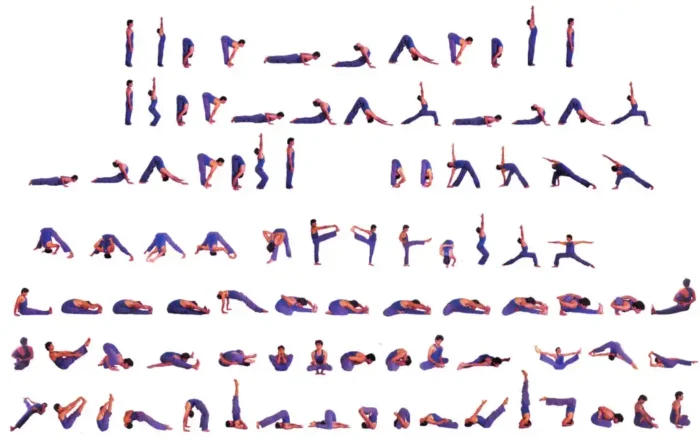
1. Surya Namaskar (Sun Salutation)

Sun salutation is a sequence of twelve asanas that are connected and coordinated in such a way that the body is fully stretched and healed. This position will strengthen your back by combining deep breathing, abs, and fluid movement as a yoga warm-up routine. It is extremely beneficial to perform at least 12 rounds of Surya Namaskar daily.

Morning is the best time to do this. You can increase these rounds as soon as you are comfortable doing so. This posture, when done correctly, may help you slim your waist, stimulate your digestive system, enhance your metabolism, and tone up your arms.

Benefits

  • increases metabolism
  • efficiently burns calories
  • tones the abdominal, limb, and arm muscles

How to Perform:

  • Stand up in the Namaste position to start.
  • Bend slightly backward and extend your arms upward.
  • To touch your toes, bend forward.
  • Return to a plank position and switch to a downward-facing dog position.
  • Return to downward-facing dog after flowing into cobra posture.
  • To finish one round, repeat on each side

2. Trikonasana (Triangle Pose)

Trikonasana is a basic standing position that tones the waist, improves digestion, and burns fat around the abdomen. It is an essential part of any yoga asana regimen for weight loss.

Benefits:

  • Improves flexibility in the hips and spine
  • Reduces belly fat
  • Stimulates the abdominal organs, aiding digestion

How-to Perform:

  • Stand with your feet approximately 3-4 feet apart.
  • Turn your right foot 90 degrees outward and your left foot slightly inward.
  • Extend your arms parallel to the ground.
  • Reach your right hand down to your ankle, shin, or the floor, maintaining your left arm extended above.
  • Hold for 20-30 seconds, then repeat on the opposite side.

3. Adho Mukha Svanasana (Downward-Facing Dog)

Adho Mukha Svanasana is a flexible position that involves numerous muscle groups and strengthens the core. It’s also great for boosting metabolism and is commonly used in yoga asanas for weight loss. Many fitness enthusiasts are looking for yoga-related weight reduction advantages like this posture since it tones muscles while also increasing circulation.

Benefits:

  • Tones the arms, legs, and core
  • Improves circulation and digestion
  • Relieves stress and enhances focus

How-to Perform:

  • Begin on all fours, with your wrists under your shoulders and your knees beneath your hips.
  • Tuck your toes under and elevate your hips to create an inverted “V” shape.
  • Keep your heels down to the floor and your head relaxed.
  • Hold for 30 seconds to a minute, taking deep breaths.

4. Virabhadrasana (Warrior Pose)

The Warrior Pose not only increases stamina but also activates the glutes, thighs, and core, making it an excellent asana for weight reduction and strength development.

Benefits:

  • Strengthens the lower body
  • Improves focus and balance
  • Enhances overall muscle tone

How-to Perform:

  • Stand with your feet wide apart.
  • Form a lunge by turning your right foot out 90 degrees and bending your right knee.
  • Stretch your arms high, maintaining them parallel to one other.
  • old this stance for 20-30 seconds before swapping sides.

5. Utkatasana (Chair Pose)

Utkatasana is a powerful pose that works the lower body and core while boosting the circulatory system, making it a fantastic calorie-burning option.

Benefits:

  • Tones the thighs, glutes, and calves.
  • Increases endurance.
  • Improves calorie burn by stimulating major muscle groups.

How-to Perform:

Stand with both feet together.
Raise your arms high, keeping them straight.
Bend your knees as if sitting in an imaginary chair, maintaining your thighs parallel to the ground.
Hold the position for 20-30 seconds while breathing deeply.

6. Dhanurasana (Bow Pose)

Dhanurasana is one of the finest backbends for weight loss since it strengthens the abdominal muscles and improves digestion. It is one of the few yoga poses for weight loss that works both the back and the core at the same time.

Benefits:

  • Tone your abs and back.
  • stimulates the digestive organs.
  • Improves posture.

How-to Perform:

  • Lie on your stomach, arms beside your body.
  • Bend your knees and reach behind to hold your ankles.
  • Lift your chest and legs simultaneously to make a bow shape.
  • Hold the position for 20-30 seconds while breathing deeply.

7. Naukasana (Boat Pose)

Naukasana emphasizes core strength and is ideal for toning abdominal muscles and losing belly fat. It is a crucial component of your yoga asana weight loss regimen.

Benefits:

  • Strengthens the core muscles
  • Improves balance
  • Reduces fat around the waist

How-to Perform:

  • Sit on the floor, with your legs out in front of you.
  • Lean back slightly and raise your legs off the ground.
  • Extend your arms parallel to the ground and rest on your sit bones.
  • Hold the stance for 20-30 seconds, then progressively increase the time.

8. Bhujangasana (Cobra Pose)

This beginner-friendly pose stretches the abdomen and tones the upper body while stimulating the digestive system, making it an effective complement to yoga asanas for weight loss. It is also known as a back-strengthening yoga position because of its effects on spinal health and posture. and posture.

Benefits:

  • Improves spinal flexibility
  • Strengthens the back and arms
  • Promotes improved digestion.

How-to Perform:

  • Lie on your stomach, palms under your shoulders.
  • Lift your chest off the floor by pressing your hands together and keeping your elbows slightly bent.
  • Look up and hold this position for 15-30 seconds.
  • Exhale and slowly lower yourself back down.

Effective Weight Loss with Yoga

Tips for Effective Weight Loss with Yoga:

1. Continue to Practice Consistently

Yoga postures have the most potential for weight loss when done on a regular basis (5-6 days a week). Frequent practice improves overall stamina and strength.

2. Include Techniques for Pranayama

Anulom Vilom and Kapalabhati are two breathing methods that boost metabolism and reduce stress, both of which are beneficial for weight management.

3. Conscious Eating Practices

Consume a nutritious, well-balanced diet that includes vegetables, lean protein, and whole foods. To reap the greatest advantages, combine yoga with a Yogic diet.

4. Drink plenty of water

Drink lots of water before and after your yoga session to help with detoxification and metabolism.

5. Use Awareness of Breath

Moving in rhythm with your breathing increases body-mind awareness and allows you to use your muscles more efficiently.

6. Incorporate Relaxation and Strengthening Pose

Create a well-rounded program that includes both stress-relieving postures like Balasana and weight-loss poses like Naukasana.

Conclusion

Yoga helps people establish balance in their lives. You can achieve long-lasting weight loss and numerous other physical and emotional advantages by integrating these 8 yoga asanas for weight loss with a healthy lifestyle.

However, keep in mind that if you’re trying to lose weight, yoga is just one part of the picture. For immediate and desired effects, you must maintain a balanced diet and engage in some exercise. Yoga is best practiced in the early morning.

It will alleviate the tension and weight that multitasking and a fast-paced lifestyle may cause you to feel throughout the day. Yoga will help you feel more supple and nimble than you would otherwise, and it will quickly become a fundamental aspect of your everyday routine.

However, if you have a chronic issue or pain in any part of your body, you should consult your physician or a qualified yoga practitioner. Certain poses may be extremely strenuous and, if not performed under supervision, may cause further damage to a muscle or body part that is already problematic.

Customized Yoga Retreats: Tailored to Your Needs

A customized yoga retreats is a personalized wellness retreat tailored to meet your specific needs. Unlike traditional yoga retreats that follow a fixed schedule and standard program, customized yoga retreats are flexible.

In today’s fast-paced world, finding time to reconnect with yourself can be a challenge. That’s where customized yoga retreats come in, offering a sanctuary tailored specifically to your needs.

Staring out of your local coffee shop window, you’ll notice that not one person is the same. Everyone has their own unique physical body, and thoughts of ideas – let that sink in. What an incredible thing that is.

But why, when everyone is so different, doing that one set wellness experience can help everyone in the same way? Surely, every person would benefit more from a personalized wellness experience. And this is where customized yoga retreats come in.

Yoga retreats are becoming more and more popular for this reason. Tailored yoga retreats allow you to decide upon your specific priorities, your activities, and your schedule to achieve your goals. Escaping your everyday responsibilities in a retreat setting will allow you to focus your heart and mind on your intentions.

It is an act of compassion for yourself, which will enable you to focus on your wellness aspirations. And in turn, allow you to be the best version of yourself in sharing that compassion with others.

In this feature, will talk you through some of the key aspects of customized yoga and meditation retreats. That you’ll be able to decide whether an individual retreat, tailored to your needs, is something for you.

Benefits of Customized Yoga Retreats

Why Choose a Customized Yoga Retreat?

When recognizing that everyone is different, you’ll also realize that everyone has different schedules and priorities. Choosing a yoga retreat for specific needs will allow you to design the schedule and activities to work . Thereby removing any stresses or concerns connected with how you’ll manage to fit it in or make the most of the time you have.

Exclusive yoga retreats also ensure that you have personalized attention from experienced instructors. Who will focus on you and your needs, not the needs of a whole class of people? Whether your goals are fix around relaxation, fitness, spiritual growth, or rehabilitation. A yoga retreat for individual needs will focus on meeting your specific goals.

It will mean you receive enhanced benefits of comfort and convenience. Moreover, making the most of your time and focusing your energies on activities that align with your intentions.

Key Benefits of Customized Yoga Retreats

In this section, we set out the key benefits of customized yoga retreats. But if you are wondering what the benefits of a holistic yoga retreat are more generally.

The key benefits of a tailored yoga retreat are wide-ranging, but the main ones that stand out to us are:

Personalized Yoga Practices

Everybody is distinct, one person may have stiff hips, another may have flexible shoulders. Some of you may had a knee injury a couple of years ago. Every individual, Choosing an exclusive yoga retreat will mean that the Asana classes will be tailored. The sequences for your fitness levels and will help you along your journey to achieve your own goals and aspirations.

Specific Health and Wellness Focus

Creating your own yoga retreat for individuals allows you to choose a focus that is in line with your own health and wellness needs. You may feel, you would benefit most from a program for stress relief. Besides concentrate on balancing your hormones or managing a chronic condition. Whatever your own individual body or mental health needs, a personalized yoga retreat focus on those needs.

One-on-One Guidance

If you have even been to a yoga class, you’ll probably know that feeling when your instructor explains how to ‘raise your right leg onto your left thigh. Then stretch your right arm up to extend, before bending it behind and stretching it around your back. And then wrap your left arm around then clasp both hands together.”

And as the remaining instructions fade into the background, you are still stuck on the first step, trying to get your right leg onto the top of your left thigh. You’ve forgotten if you are supposed to raise the right arm first, or was it the left, and you end up feeling like you are tied in knots, both physically and mentally.

Well, hopefully, this is something that can be avoided in a tailored yoga retreat. In an exclusive yoga retreat, you will work one-on-one for some, if not all, of your sessions. This means that you won’t be left behind as the rest of the class progresses onto advanced postures, and you can get the greatest benefit specifically aimed at you and your needs. Our yoga Guru Expert Dr. Chintamani Gautam promise to provide full knowledge for your customized yoga retreats.

One-on-One Guidance on customized yoga retreats

The instructors are professionals who teach yoga and lead wellness retreats all day every day – for them it’s a way of life, and by choosing a yoga retreat for individuals you will be able to join this way of life and leave the worries of your behind for a few days or weeks.

Flexibility in Duration and Location

Another perk of a personalized yoga retreat is that there is total flexibility in the duration and location of the retreat. You may only have a few days to spare, in which case a weekend getaway may be what you need. Life circumstances mean you have more time on your hands and you relish the opportunity to immerse yourself in an extended retreat. Either way, with a personalized yoga retreat, you get to choose.

Features of a Customized Yoga Retreat

1. Personalized Yoga Styles

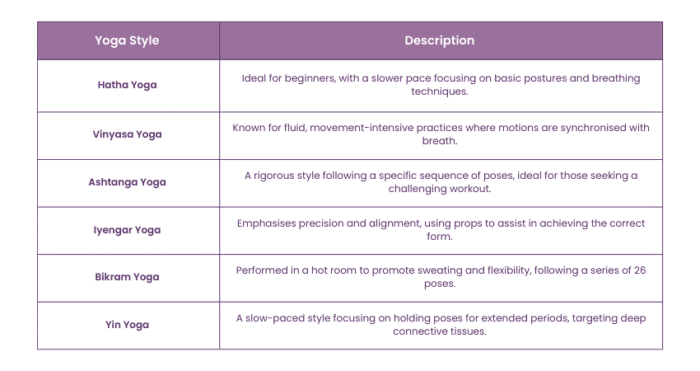
A tailored yoga retreat allows you to choose which yoga style you would prefer, from Hatha to Vinyasa, Kundalini, Yin, or Power Yoga. You may have already tried out a few different types of yoga and settled on one that works for you. But it may all be new to you, in which case, you might like to try a mix of them all. Whatever works best for you and your needs – you will be able to talk through this with your instructors and decide what is best for your yoga retreat.

2. Meditation and Mindfulness Practices

In our busy world, meditation and mindfulness practices can be hard to find time. But on your personalized yoga retreat, you’ll be able to dedicate time to explore and practice. The ancient wisdom of meditation and mindfulness. Whether you would prefer guided or self-directed sessions, you will be able to discuss all the options with your instructors and determine what is best for you.

3. Tailored Nutrition Plans

We all know that the new healthy diet starts tomorrow, right!? Sadly, we all know it’s not that easy, and that even with the strongest willpower we will soon find ourselves back with old eating patterns. Your exclusive yoga retreat will allow you the opportunity to eat healthy nutritious meals without having to buy or cook fresh ingredients. That also, without worry about falling back into bad eating habits.

A personalized yoga retreat will include vegetarian meals designed for your own dietary requirements and health goals. You can take the time to notice how nutritious vegetarian meals make you feel and how your body responds by feeling lighter and stronger.

4. Extra Wellness Therapies

You may also like to include optional wellness therapies in your exclusive yoga retreat. Choosing to add in treatments from ancient Ayurvedic pamper package, spa treatments. Like massage, or sound healing can be a great way to enhance your experience and maximize the wellness benefits.

5. Unique Experiences

If you have chosen to travel to enjoy the true concept of getting away from it all. Then including unique cultural experiences or adventure activities in your personalized yoga retreat is also a great idea.

Having some time to absorb and reflect upon the learnings from your customized yoga and meditation retreat. by taking time to walk in nature is also an important element you might like to include.

Extra Wellness Therapies for customized yoga retreats

Types of Customized Yoga Retreats

A customized yoga retreat will allow you to discuss your specific requirements with your retreat provider. Whether to arrange a selection of sessions that work together to focus on your aspirations.

We’ve outlined below some ideas of different combinations of sessions. As an example of how the different features of a personalized yoga retreat may work together.

But if none of these work for you, then you can compile your combination – that’s the beauty of yoga retreats for specific needs.

1. Relaxation and Stress Relief Retreats

A yoga retreat for relaxation and stress relief will focus on mindfulness, meditation, restorative yoga or yin yoga. Also a relaxation techniques, such as breathwork, to calm the mind and body.

2. Fitness and Detox Retreats

A yoga retreat that focuses on fitness and detox will include intense yoga sessions, such as Vinyasa yoga, Power yoga, or an Ashtanga series session. This may be coupled with a healthy, toxin-free yogic diet as well as fitness activities.

3. Spiritual Growth Retreats

An exclusive yoga retreat that focuses on spiritual growth is likely to include the more spiritual types of yoga. Which include Kundalini yoga, meditation, pranayama (breathing work), and spiritual workshops.

4. Family or Group Retreats

Individual yoga retreats for a group such as a family, a group of friends, or corporate teams. That will include a mix of yoga styles so that everyone can try out a little of everything.

They can also include partner work in the yoga sessions to build trust or some acro-yoga sessions to strengthen team relationships.

5. Rehabilitation and Recovery Retreats

If you would enjoy a focus on recovery from a physical injury, emotional healing, or a chronic condition. Your exclusive yoga retreat can contain restorative or yin yoga sessions, as well as guided pranayama sessions. Along with mindfulness and meditation all tailored to your needs.

Choosing the Right Customized Yoga Retreat

Before searching the internet for personalized yoga retreat centers, take a moment to identify your goals and priorities. Decide what you want the focus of the retreat to be – Are you going there to improve your fitness by challenging your strength and flexibility?

Or is your intention to relax and recover? Being clear in your mind about what your intentions are will help you see through internet marketing to find a retreat that is suitable for your needs.

Once you do open the can of worms that is an internet search, take some time to research the retreat centers –

What kind of accommodation is offered?

Does the center offer a broad range of sessions that align with your intentions for the retreat?

Who are the instructors? What are the instructor’s qualifications, background, and experience?

Check the flexibility of the programs offered. A personalized yoga retreat should be that – personal to you – so if you don’t see what you need, reach out and ask if the provider can be flexible in the services they offer.

Budget considerations are also important to bear in mind. Many retreat centers offer a broad range of rooms for different budgets. But whether you are on a tight budget or have the luxury of a little more flex in how much you spend, make sure there is transparency in the pricing for your retreat. It should be clear what is included in the retreat, and what is an added extra that will cost you more.

Customize Your Retreat Now

Popular Destinations for Customized Yoga Retreats

    1. Rishikesh, India: Rishikesh, a city in Northern India, is considered the birthplace of modern yoga and over recent years has become a haven for spiritual seekers. The bustling, busy city has an plenty of ashrams and yoga centers amongst the hubbub of streets, shops, and cafes.
    2. Bali, Indonesia: The white sand beaches of Bali, Indonesia, have been a popular tourist destination for years, but the island is also becoming well known for its great combination of desert island landscapes and holistic healing traditions by providing meditation and yoga retreats.
    3. Nepal: The Himalayan mountains of Nepal are renowned for their spiritual connection. Moreover, the country has a culture intertwined with yogic teachings, so choosing a yoga retreat in Nepal. That will ensure your physical yoga practice with deep meditation and spiritual growth.

How Customized Retreats Work (Step‑by‑Step Process)

A customized yoga retreat in Nepal is designed to provide a personalized wellness experience tailored to your unique needs. Here’s how the process works:

  1. Personal Consultation – Share your yoga experience, lifestyle, health goals, and preferences with our retreat team. This helps us create a fully tailor-made yoga retreat.
  2. Retreat Planning – Based on your inputs, we design a personalized yoga retreat schedule including daily yoga, meditation, pranayama, and optional wellness activities like nature walks, cultural tours, or Ayurvedic treatments.
  3. Itinerary Confirmation – Once the schedule is finalized, we confirm accommodations, meal plans, and any special requirements to ensure a smooth and comfortable retreat.
  4. On-Retreat Flexibility – Your daily routine is adaptable, allowing adjustments for energy levels, personal progress, or additional wellness activities.
  5. Holistic Experience – Each day balances physical yoga practice, mindfulness exercises, and relaxation amidst the serene Himalayan environment, promoting complete well-being.
  6. Follow-Up Guidance – After the retreat, personalized advice or a wellness plan may be provided to help you continue your yoga and mindfulness journey.

Testimonials and Success Stories

When trying to choose a personalized yoga retreat, look at the provider’s website and read through the personal reviews. In particular, look out for any accounts that highlight how a tailored yoga retreat has left a lasting impression. On the lives of those who have been a guest there before.

Also, don’t feel shy in reaching out to the yoga center and asking for stories of individuals who have experienced life-changing results and achieved their specific goals.

Tips for Making the Most of Your Customized Retreat

As we mentioned above in section 6, it is really important to define your objectives before your tailored yoga retreat and discuss these with your retreat provider so that you ensure you get the most out of your time.

It is also recommended that you approach the retreat with an open heart and mind. If you are receptive to trying new practices and experiences you’ll make the most of your retreat experience.

We would also suggest remaining committed to your tailored program. Even if things start to get tough, or a practice isn’t working for you, we recommend persevering. Progress is rarely linear, there will be bumps in the road, but sticking with the plan will ensure most benefits for you.

We also always tell retreat guests to keep a journal of their time on the retreat. This way you will easily be able to track progress, thoughts, feelings, and reflections of your time away. It will also be helpful to note down a few of the new practices and techniques you learn. So you can refer to them when you get home, and implement them into your daily life.

Conclusion

It’s pretty difficult to try and summaries the unique benefits of a customized yoga retreat. As they are as perfectly individual as the people who attend them. That is, every personalized yoga retreat seeks to provide a tailored experience, with distinctive outcomes to meet your specific needs.

So whether you feel like you would benefit from a yoga retreat to focus on fitness, relaxing meditation, spiritual healing, or a mixture of all three. Then a program can be created for you. Be purposeful with what you want from your retreat, research the yoga centers available, and reach out to discuss your needs with them.

Of course, we hope you will include us here at Nepal Yoga Academy in the shortlist of retreat providers you want to reach out to, and we can’t wait to hear from you – we’re excited to get started with creating a schedule of ideas for your unique yoga retreat at Best Yoga retreats in Nepal. Get in touch.

FAQs About Customized Yoga Retreats

How do I communicate my preferences for a retreat?

Remember that yoga centers who offer personalized yoga retreats will be used to chatting through individual needs. Thus so don’t be nervous about reaching out. use the retreat providers email, social media or website to initially contact them. But after that it is recommended you arrange a time to talk to them.

By discussing everything with them you can ensure they are able to offer you what you need. Likely, they will also have a few ideas of their own to add to your retreat to enhance the benefits.

Are customized retreats more expensive than standard ones?

Personalized yoga retreats do tend to be a little more expensive than standard ones. As the cost of the one-on-one sessions will not be split amongst a larger group, but then you receive all the benefits of the time being dedicated to you. The cost of food and accommodation will be the same as a standard yoga retreat, so it’s not a huge difference.

What is the ideal duration for a personalized retreat?

The easiest answer to that is – how long do you have!? If you only have a few days, then a few days is perfect for you. If you have longer, then dedicate what time you can. The longer the retreat, the more you will become immersed in the yogic world. Deepen your understanding and learning, as well as allow time for your body and mind to adapt, strengthen, and improve.

Can I combine yoga with other wellness activities?

Of course! Many personalized yoga retreats will already include a mixture of wellness activities depending on the focus of your retreat, see sections 4 & 5 above for some examples.

chat-in-website
Need Help? Chat with us
chat-in-website
Need Help? Chat with us