Affordable Yoga Teacher Training in Kathmandu Nepal

If you are looking for affordable yoga teacher training in Kathmandu Nepal, Nepal Yoga Academy and Retreat Center could be one of your best choice. Although you could find many other yoga centers in Kathmandu, you feel most amazed and pleased learning from highly experienced Yoga Trainer Dr. Chintamani Gautam, he is the Nepal’s first PhD holder in Yoga Science. Certified YTT Courses has been designed so as to make you comfort, easy and feel better for teaching and learning.

300 Hours Certified Yoga Teacher Training offers you the best money value return with experiences and certification of being certified Yoga Teacher. You are now eligible to go for Advanced Yoga Teacher training course and on completion, you are eligible to apply for ERYT.

The 28 days Certified Yoga Teacher training course YTT 200 Hours offers you the most skills required to be certified Yoga Trainer Our certified and experienced Yoga teachers from the Himalayan country teaches you from the beginner poses, asanas to the essential teaching skills. Nepal Yoga Academy and retreat center is located in Bhaktapur, with a peaceful and clean environment. This place is suitable for the individuals or yoga teachers looking for good and healthy, happiness, peace, and harmony. All the meals and accommodation will be provided during your training period.

Because of the current situation, it’s very hard to get a visa, and great news for you as Nepal Yoga Home can process anyone’s visa from the Nepal embassy. To know more about this, send your inquiry today!

What to Expect from Affordable Yoga Teacher Training in Kathmandu?

The yoga teacher training are designed in 200 hour for beginners and 500 hours for advanced courses. These courses are suitable for both beginners  as well as the one with the habit of practicing yoga. As the name of the training the learners can be the trainers which can start as a new career. The training provides you with the globally recognized certification along with alliance of world yoga certification organizations. But contrary to the name, the development of the career on yoga as a teacher is not necessary. The training helps to deepen the knowledge on yoga and corrects the mistakes that are done during regular yoga positions. You will learn different types of Yoga and Asana.

100 Hours Yoga Teacher Training Course

YTT 100 Hour course consists basic yoga and the fundamental of yoga. This course is designed specific to those who want to start yoga and achieve the belief in yoga asana. It is to bring awareness about proper breathing and poses to enhance ones life style and health.

200 Hours Yoga Teacher Training course

YTT 200 hours teacher training course comprises the various learning and teaching experiences with taste of the spiritual practices of traditional Yoga on awareness, proper breathing and improvement of the knowledge of Yoga so far.

200 hours Yoga training will provide you with the sufficient knowledge about Yoga that will help you to mend all of the bad practices of Yoga done till today.

500 Hours Advanced Yoga Teacher Training Course

This 500 hours advanced Yoga Training Course is for the further enlightenment and deepening of the Yoga knowledge. This requires at least the basic knowledge of Yoga. It will help you to open the new point of view to the spiritual world and Yoga.

Fire ceremony and celebrations of the graduation.

The purpose of lighting the Rudra Yagya fire is to awaken our awareness of the finer forces of life—forces within us that naturally respond to the presence of earth, water, fire, air, and light. Affordable yoga teacher training promises to bring enlighten about yoga in daily life, after the fire ceremony one is capable of  share and experience the basic standard about Yoga in life.

Conclusion

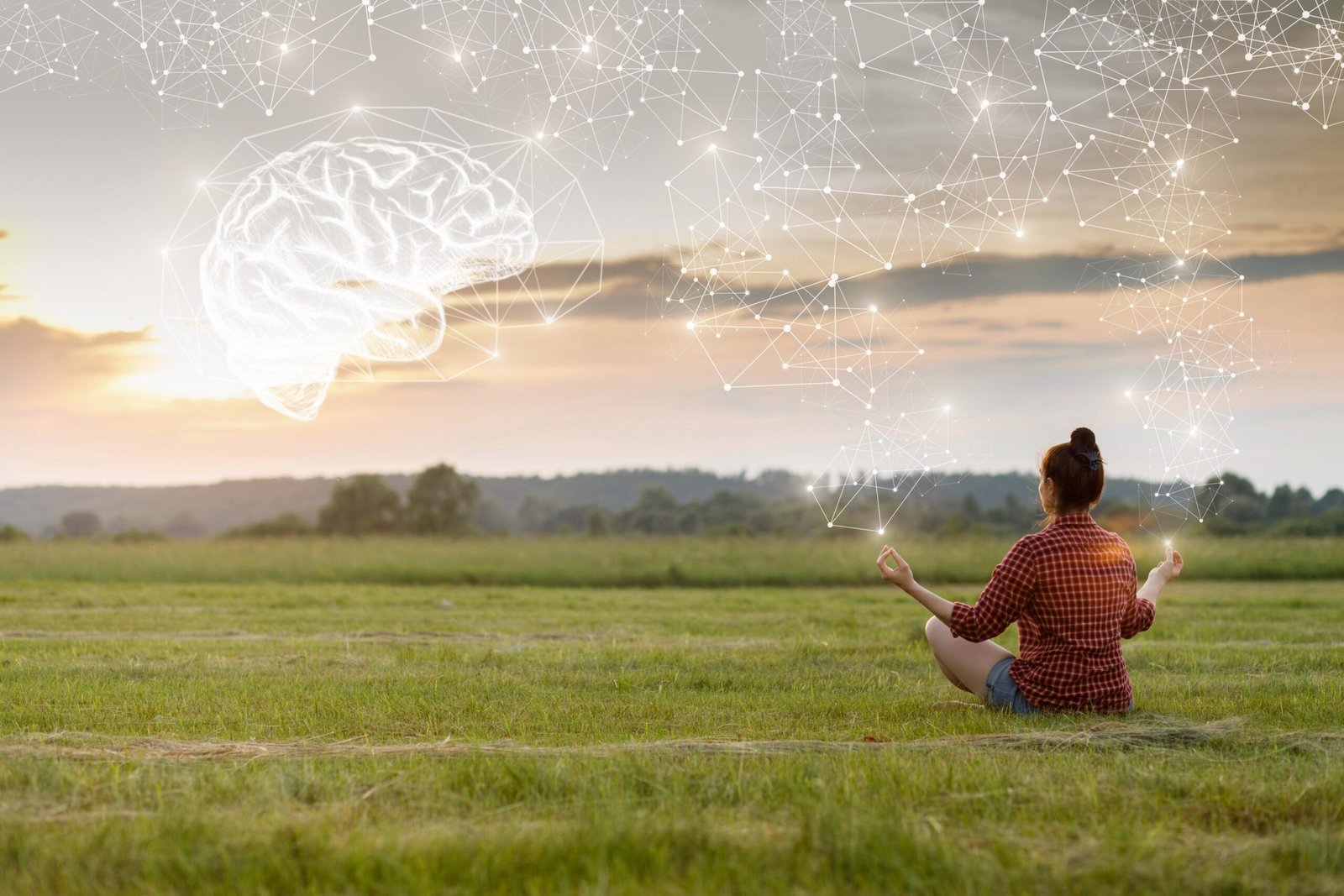
Nepal Yoga Academy provides Affordable Yoga Teacher Training Program with Certification. Each Yoga Teacher Training course holds special importance and practiced with proper guidance. Our Yoga instructor is renounced Expert Yoga Guru DR Chintamani Gautam with PhD holder in Yoga Science. All the Yoga retreat course are developed and design with definite purpose some of theme are Yoga Teacher training 100 Hour, Yoga Teacher Training 200 Hours, Yoga Teacher Training 300 Hours, and Yoga Teacher Training 500 Hours. There are also retreat program like Sound healing training and post trek package to encourage practice of yoga. Get to know about Neuroscience of Yoga and impact on health

Book Affordable Yoga Teacher Training Course at Nepal Yoga Academy  today.

10 Yoga Poses for Better Immunity

“Are you seeking yoga poses for better immunity power development in your body, and thinking about boosting the energy level? “

Regular practice of yoga has effective results on your body. The different practice of yoga asana has a tremendous result in building the body’s strength, increasing energy levels, bringing down anxiety and stress, and infusing positivity and freshness into the mind. Due to our daily routine and busy schedule. When our body does not get proper nutrition, sleep, and stress relief, it leads to a poor immune system, and hence, viruses like coronavirus are likely to attack the poor immunity system.

Yoga boosts the power to fight against various types of viruses and bacteria. It stimulates hormones, cortisol stays in the blood,d which leads to resistance to increased inflammation to fight against viruses and bacteria. Yoga is a helpful way to boost the immune system.

Health is Wealth. We, humans,s are getting into work so much that we forget to allocate time for ourselves and our family, resulting in a stressful life for ourselves. So, taking proper care of health has been a priority for a few decades, and people are following different ways to keep themselves healthy. People have been investing time and money so as to keep themselves healthy by boosting and increasingtheire immunity power. Being healthy does not mean staying healthy physically only, but also mentally.

Boost the energy Level and development of Immunity Power

In order to stay physically healthy and fit, we need to take care of our physical development and increasing the immunity to fight against various infections and viruses. Immunity power is also an important factor for staying mentally healthy. A strong immunity results in better relaxation and helps to reduce the stress level.

The best way to develop and maintain strong immunity iisby including regular daily yoga and meditation practices. Yoga has been proved effective technique and an integral factor for boosting immunity and reducing stress by Researchers.

Yoga body twist

10 Yoga Poses for Better Immunity

Following are some of the helpful and effective yoga Postures and Asanas to boost immunity:

  • Dhanurasana (Bow Pose)
  • Dhanurasana (Bow Pose)
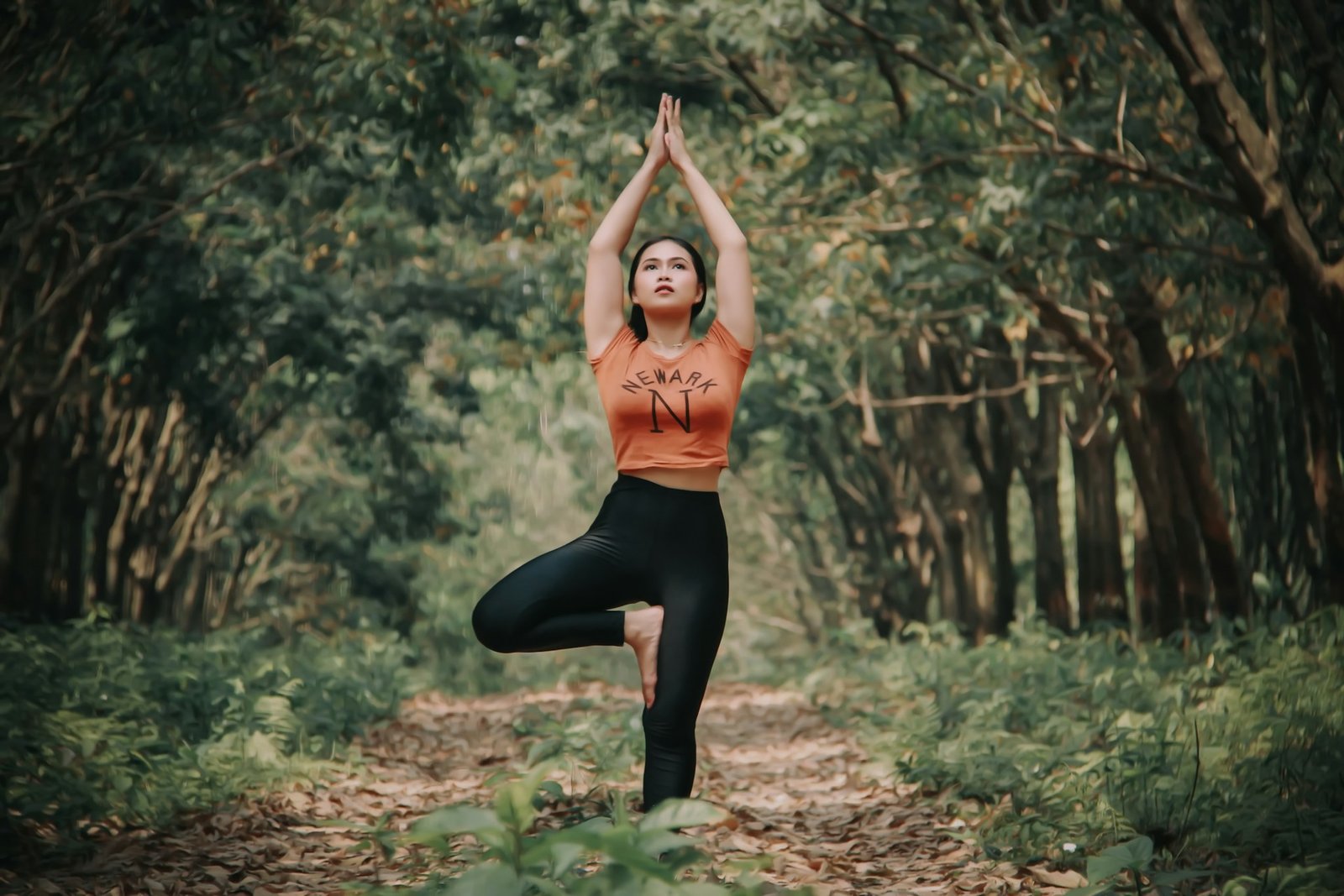
  • Vrikshasana (Tree Pose)
  • Tadasana (Mountain Pose)
  • Shalabasana (Locust Pose)
  • Paschimottanasana (Seated Forward Bend)
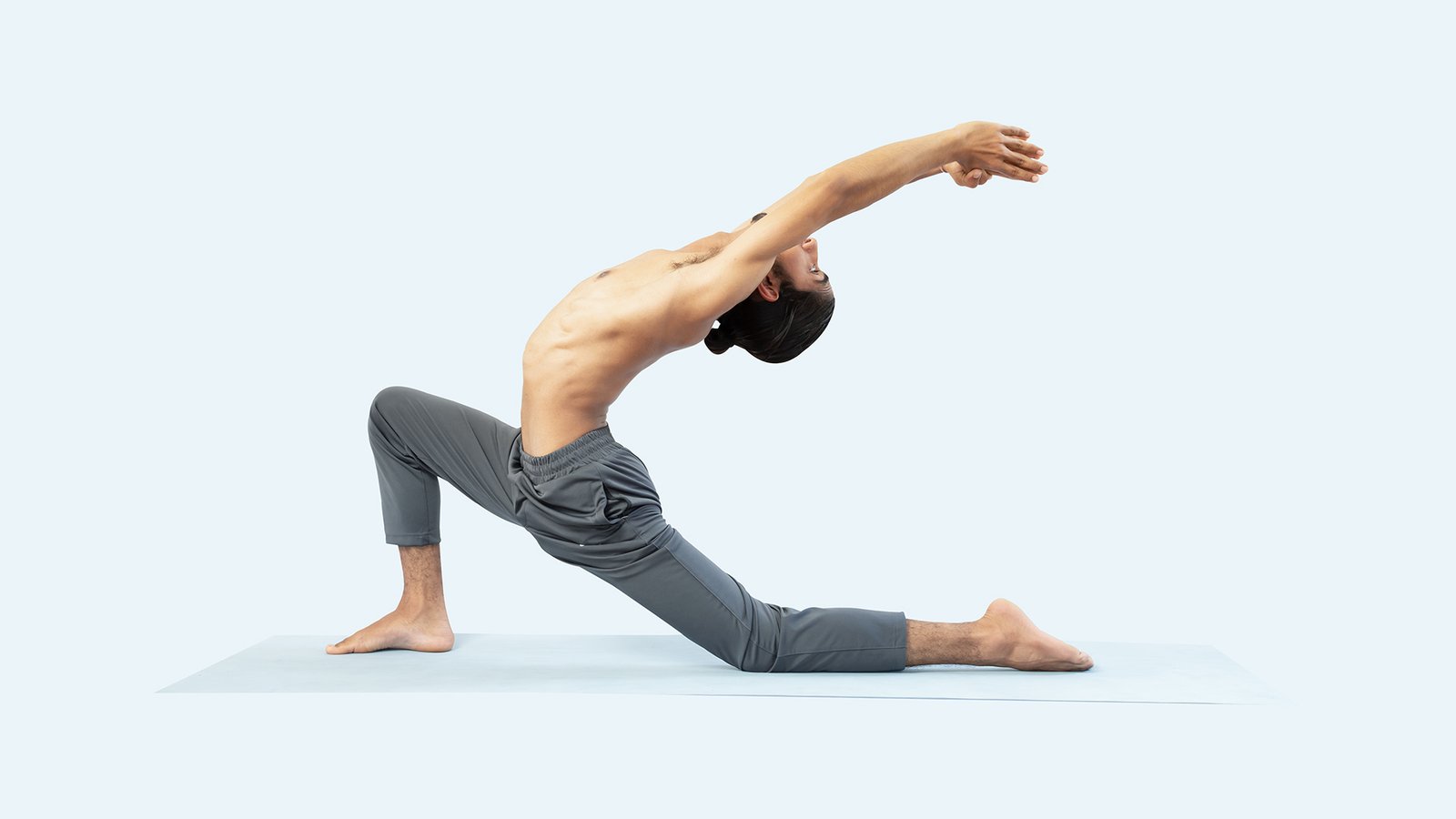
  • Anjaneyasana (Low Lunge Pose)
  • Utkatasana (Chair Pose)
  • Matsyasana (Fish Pose)
  • Ardha Matsyendrasana (Half-fish pose)

Dhanurasana

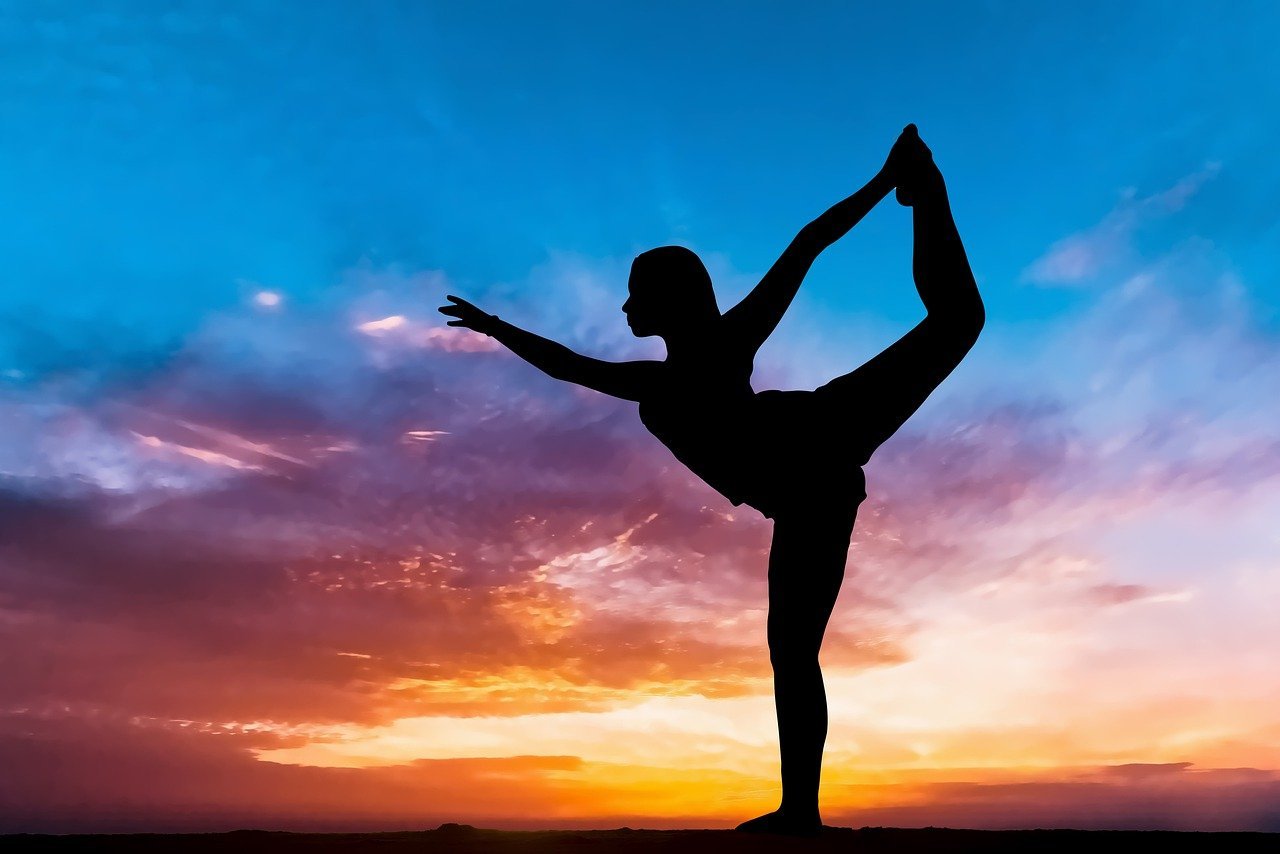
Dhanurasana or Bow Pose is a back-bending asana that improves immunity and provides more oxygen to the body, improving organ function. When you do Dhanurashana mindfully, it improves hip flexors. This Bow PoseAsanas opens up the hip flexors.

Parivrtta Prasarita Padottanasana

Parivrtta Prasarita Padottanasana (Revolved Wide-Legged Standing Forward Bend) asana is excellent for opening up the lungs and clearing away congestion. When you do Parivritta Parasarita Padottanasana regularly, it can help us fight infections by boosting our immune system, reducing stress,s and strengthening our body’s functions and systems.

How to do Parivrtta Prasarita Padottanasana

  • Stand upright with a straight spine and feet together with arms at your sides.
  • Step your feet as wide apart as comfortably, pointing your toes forward.
  • Now, inhale and lengthen your torso, bend your body forward keeping your back straight, and make your body parallel to the ground.
  • Place your right hand on the floor. Twist your body towards the left at the waist. Raise your left hand as if reaching out to grab the sky.

As you exhale, try to twist your torso further and hold with normal breathing.

Conclusion

Yoga helps to boost body energy; there are different yoga poses for better immunity. Further more Different yoga asanas help to develop different strengths in the body. Some yoga poses help with stress relief, while some yoga poses help with body detoxification. There are different asanas for different purposes.

Yoga Retreats: Types of Yoga Retreats In Nepal

Different types of  yoga retreats in Nepal can be a good escape that you need from your chaotic work life. Wouldn’t you love a refreshing yoga session amidst nature? Yes, yoga retreats can be an excellent way to rejuvenate yourself and recharge your chakras.

Undoubtedly, yoga has been an indispensable part of the Himalayan culture, as they say, it. However, it isn’t just limited to the yogic benefits that one can count for.

There has been an evolution in how this spiritual and ascetic discipline is practiced recently. Yoga has undoubtedly upgraded from conventional perception of specific body posture and meditation to a form of relaxing getaway.

Types of Yoga Retreats
Yoga Trek to Himalayas

Types of Yoga Retreats

Although there is no hard and fast rule for distinguishing the variety of yoga retreats, people have certainly typed it based on the nature of the ambiance chosen. A vacation that also considers one’s well-being is a very demanding activity these days.

Hence, this conscious adaptation to the holidays has given rise to the kinds of yoga retreats available worldwide. One such destination for yoga retreats is Nepal which has a variety of such activities to offer.

Nepal Yoga Academy is one such institution in Nepal that seasonally organizes all different types of Yoga Retreats including Relaxation & Rejuvenating Package,  Ayurveda Pamper Package , Yogic Detox Package etc. You can check all our Yoga Retreats page to find out the best yoga retreat package that suits your aspiration. If you are looking for spending out experiencing the peaceful stay and yoga experience, Nepal Yoga Academy is the best choice for you when you are searching for Yoga Retreats in Kathmandu. We also offer you Luxury Yoga Retreat packages and Corporate Yoga Retreat packages.

Let’s dig into the types of yoga retreats that are popular in the world today.

Spiritual Yoga Retreat

Yoga itself sounds synonymous with spirituality, so that a spiritual yogic retreat may sound over the top to people. It focuses on connecting one’s soul to the spiritual side rather than just some physical exercises.

However, this kind of yoga session doesn’t necessarily align with the religious beliefs of a religion. It instead aspires a person to connect to their own spirituality and healing of the person. The spiritual yoga retreat is improvised to improve a person’s mental ad physical well-being with healing practices.

It can also involve sound healing which is often practiced in yoga.

Detoxifying Yoga Retreat

As the name suggests, a detoxifying yoga retreat is all about physically and mentally cleaning your body. It incorporates a bundle of activities meant to remove all negative elements that harm your body.

There is also consideration of a proper diet of healthy, fresh, and satvik food that is good for gut health and, eventually, the entire body. The combination of yoga, meditation, refreshing mental exercise, and a nourishing detox diet is the essence of a detox yoga retreat.

Ayurveda Pamper Retreat Package is the unique Yoga retreat that helps to heal body, mind and spirit through the holistic experience of Ayurveda, Yoga and Meditation

Adventurous Yoga Retreat

The adventurous yoga retreat has a unique perspective on traditional yogi postures. Undoubtedly, it involves adventures along with yoga practice in the most unbelievable terrains.

Nepal is the fittest location in the world for adventurous yoga as the abundant variety of challenging landscapes and natural elements.

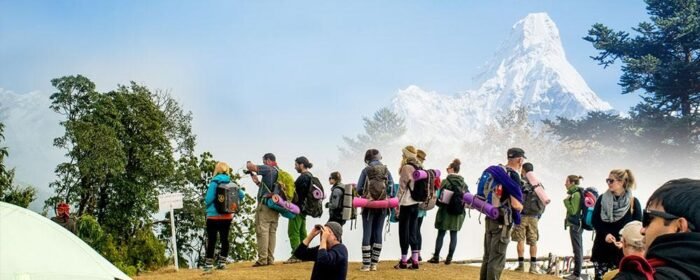
The adventure activities include hiking, running, paddle, boarding, trekking, rock climbing, surfing, and swimming. Specifically, the raw unexplored Himalayas are the best locations for mountains, such as adventurous yoga retreats.

Luxurious Yoga Retreat with Spa

A luxurious yoga retreat can sound awkward to most people. However, such activity does exist and is quite popular too. It is not a big deal other than a staycation at a luxury resort with all amenities and yoga practices.

Such a package also involves spa sessions, massages, saunas, and many more mind and body relaxing activities. These types of retreats are often on the luxury end of the scale.

After a relaxing session in this yogic vacation, you will return to your everyday life with more calm and composition.

Silent Yoga Retreat

Wouldn’t it be lovely to have that solitude that you had been longing for to come to a sense of peace with all your elements? Definitely! No matter how intimidating it sounds, saving up all the energy to channel it to yourself in absolute silence is good.

A silent yoga retreat is for people who want an escape from chaotic life and soak into the emptiness of nature. Nepal is already the best fit for silent yoga retreats for its serenity and tranquility that already harbors quietude.

This yoga retreat includes a number of activities along with noiseless sessions of meditation and yoga. Some also involve long lectures or discussions on particular subject matters.

If you are willing to disconnect from the blaring world and equate with your inner self, then pack your bags and sign up for a silent yoga retreat. Explore the neuroscience of yoga for the mental and physical well being.

Intensive Yoga Retreat

As the name suggests, the intensive yoga retreat is meant for those who intend to sharpen their yoga skills and gain mastery in them. People hardly know that yoga can be beyond meditation and stretching exercises.

If you dive deep into yoga and its different aspects, then it can be intense enough to push your body beyond the limits that you have known so far. You should definitely choose an intensive yoga retreat session if you want the most out of your daily yogic practice.

However, an intensive yoga retreat isn’t just about one’s bodily aspects but also about other non-physical facets of it. Most People join our Affordable Yoga Teacher Training Course to know and learn about the importance of Yoga in daily life.

The Neuroscience of Yoga

How Yoga Affects the Mind and Body

The art and science of yoga are perhaps as old as civilization itself. In ancient Himalayas [Nepal & India], yogis developed powerful methods for attaining heightened states of consciousness. Today this system is called yoga, meaning “union.” Union of what? From the scientific point of view, yoga unifies mind and body, putting them into balance. The resulting inner transformation is associated with changes in the brain and broader nervous system. In exploring the neuroscience of yoga, this article focuses on the three core areas of practice: Asanas (Postures), Pranayama (Breathing), and collectively Dharana, Dhyana & Samadhi (Meditation).

Asanas (Postures)

When people think of yoga, they typically picture asanas, a staple of the modern westernized form of yoga. But asanas—literally meaning “seat” in Sanskrit—were initially designed to allow one to rest easily in a meditation posture for long periods. Dr. Chintamani Gautam , Founder of the Nepal Yoga Academy, clearly states the purpose of asanas: they are designed to make the body fit for meditation. In other words, to achieve the full potential of yogic practices (samadhi, discussed later), one must have a healthy and pliable mind-body system. Asanas enable this by calming the nervous system, training self-regulation, and boosting overall mental health.

Calming the Nervous System

It is no revelation that movement influences mental states. One need only jump up and down for a few seconds to feel the cognitive effects of physical activity.

Much of one’s mental suffering and instability comes from an ancient set of software in the brain and body commonly called the fight-or-flight response. To summarize, the amygdala (center of emotions in the brain) signals the hypothalamus, triggering a cascade of hormones like norepinephrine and cortisol and preparing the body for survival action.

While this stress response would have once kept us alive in the jungle, a modern tiger comes in the form of overdue bills. Anxious thoughts trigger the same fight-or-flight system without a prompt resolution. The resulting “allostatic overload” occurs when stress hormones like cortisol hang around too long, causing damage such as a weak immune system, high blood pressure, and cognitive decline.

Asanas and other areas of yoga train the ability to regulate this stress response, as shown by improvements in heart rate variability (HRV), a key indicator of physiological balance.[1] This resulting state of homeostasis may result from the smooth, controlled body movements that would have been an evolved body-mind indicator for relaxation.

Additionally, research has found that the body reflects and stores mental states, including long-term trauma.[2] Yoga works to relieve tension throughout the nervous system, and evidence suggests that it can help with trauma.[3] There are different Types of Yoga That you can learn for the purify of mind and body.

Training Self-Regulation

In Patanjali’s Yoga Sutras, he states very clearly how to perform asanas: stirum sukham asanam, meaning essentially “stability and enjoyment, those are the qualities of proper postures in yoga.” By steadying the body with mindful movements, one engages several key brain areas, including:[4]

  • Frontoparietal Control Network: Executive Monitoring/Meta-Awareness; Inhibition
  • Dorsal Attention Network: Directed Focus
  • Central Executive Network: Attentional Control


As a moving meditation, asanas train one to observe the mind-body system in action, which leads to enhanced self-regulation. The brain learns to become aware of the body, called viscerosomatic processing. Overall, yoga trains meta-awareness, the ability to observe mental mechanics, commonly associated with the insula and ACC, among other brain regions.[5]

In this way, one’s top-down cognitive processes (perceptions and ideas) integrate with bottom-up processes that can be automatic and maladaptive. The result is an enhanced ability to respond to harmful impulses and homeostatic disruptions, like stress. These abilities are likely trained throughout various yoga practices, not just asanas.

Boosting Mental Health

Asanas have been shown to help with a range of mental disorders, including anxiety, depression, autoimmune conditions, and pain syndromes.[6] It isn’t easy to discern which mechanisms led to these outcomes, given that body and mind are interconnected. This same study proposed that the mental health benefits could result from increased vagal tone, reduced cortisol levels, and lower heart rate and blood pressure.

Exercise releases favorable neurochemicals in response to bodily movement, and it’s likely that yoga has similar effects. These include brain-region-specific increases in dopamine, serotonin, and acetylcholine.[7] Having calmed the mind through the gross physical body, the next area, pranayama, works with subtle energetic layers.

Breathing & Pranayama

Pranayama roughly means “controlling the breath” or “freeing the energy,” depending on how you translate it. Prana is more than just the breath, better understood as a vital force, like the Chinese concept of qi. From a scientific standpoint, this could be understood as the chemical and electrical energy that animates the nervous system. Prana can be directly experienced by practicing pranayama and other yogic methods.

Breathing provides the core ingredients of energy (via oxygen) used by cells to produce adenosine triphosphate (ATP). As Al Lee & Don Campbell put it in Perfect Breathing, “Every neuron, every synapse, every muscle feeds on the flame of your breath.” You can live without food for two months, water for a few days, but breathing for mere minutes. It’s that important.

Changes to Nervous System

By manipulating the breath, pranayama impacts your nervous system. There are different types of pranayama. Each varies in terms of inhale, exhale, and retention length, as well as other factors, like pace and nostril side.

There are several stimulating yogic breathing exercises. Breath of Fire, a.k.a., kapalbhati, has been shown to decrease latency (for quick brain processing), increase amplitude (involvement of more neurons), and increase attention task scores by 32.5%,[8] as well as reducing the degree of optical illusions.[9] Humming Bee Breath, a.k.a., brahmari, elicits rare high-frequency gamma brainwave activity, a sign of heightened awareness.[10] And Bellows Breath, a.k.a., bhastrika, was shown to significantly decrease impulsive responses on an attention task by 100%.[11] However, it should be noted that these were small studies measuring short-term effects. Much further research is needed.

Slow yogic breathing, on the other hand, increases homeostatic properties, improves oxygen saturation, and lowers blood pressure.[12] It is also associated with theta brainwaves (signs of relaxation) and increased alertness.[13] Another calming technique, alternate nostril breathing, has been shown to increase spatial memory and grip strength.[14,15]

From a scientific perspective, it is difficult to parse out specific mechanisms, such as particular neurochemicals or networks in the brain. We might hypothesize, however, that kapalbhati’s hyperventilation increases alertness by activating the sympathetic nervous system. More calming pranayama, such as Alternate Nostril Breathing (nadi shodhana) and Breath Retention (kumbhaka) may increase vagal tone and decrease sympathetic activity.[16]

One theory on the cellular mechanism of slower pranayama techniques suggests that it resets the autonomic nervous system through inhibitory signals and hyperpolarization currents in the heart, lungs, limbic system, and cortex.[17] In other words, slow, deep breathing voluntarily puts the nervous system into a state of deep rest. As of yet, science has not found a physical basis for prana (subjectively felt inner energies). Doing so would likely help elucidate the underlying mechanics of yogic breathing methods.

Effects on the Mind

The Hatha Yoga Pradipika states, “When the breath wanders, the mind also is unsteady. But when the breath is calmed, the mind too will be still…” Since a smooth, regulated breath can calm the nervous system, this checks out.

From a neuroscientific perspective, two core mechanisms of pranayama have been identified:[18]

  1. Voluntary Regulation: Frontotemporal-insular network
  2. Awareness of Breath: Anterior cingulate (attention); premotor cortex, insular cortex (self-awareness), hippocampal cortex (memory)


While voluntary control of the breath uses cortical top-down regulation, bottom-up regulation also occurs via the brainstem and vital centers. So the autonomic nervous system can both impact the brain and be consciously manipulated by the command centers of the brain.

Not surprisingly, such alterations in physiology bring about changes to mental states. Dr. Chintamani explains that pranayama helps control the mind, allowing for deeper states of meditation. This relates to one of the earliest definitions of yoga given by Patanjali: yoga means stopping the fluctuations of the mind (yogas chitta vritti nirodah). As you learn to control the rhythm and pace, the agitated fluctuations (vrittis) of the mind (chitta) come under control.

Meditation – Dharana, Dhyana & Samadhi

With the mind-body system stabilized and under conscious control from asanas and pranayama, it’s easier to enter deep states of meditation. The more gross outer body and inner energies have been calmed, we move to the subtlest levels of mind.

Three of the eight limbs of yoga relate to different stages of meditation, namely:

  • Dharana: Concentration; Repeatedly attempting to bring one’s attention onto one object
  • Dhyana: Single-pointed attention; A constant flow of concentration
  • Samadhi: Absorption; Self-transcendence


In this context, meditation means training one’s mind like a muscle. In fact, this may be a good analogy, as a study found that yogic meditation was associated with higher grey matter volume in the brain.[19]

The mind begins unwieldy, distracted among a medley of thoughts and emotions. It’s entirely out of one’s conscious control as a default human condition. So meditation entails focusing the mind. In this case, the yogi brings their attention onto a single point of concentration, such as a physical object (e.g., a candle), sensation (e.g., sound vibrations), visualization (e.g., an archetype), mantra (e.g., Aum), or even the mind itself (i.e., pure awareness).

Dharana is the first stage of meditation, where one applies effort to keep their attention steady on an object. The mind constantly wanders off into thoughts, and the yogi is only successful for brief periods. Studies on dharana show that it appears to increase selective attention and visual scanning skills, suggesting that attention is indeed trainable.[20]

Dhyana is stage two. At this point, the yogi can pay attention to their object without interruption for extended periods; attention stays on the object of meditation. Dr. Chintamani uses the analogy of dhyana as a steady stream of oil (stable attention) into a puddle versus the dribbling water (unstable attention) of dharana.

Here the neuroscience agrees with subjective reports of dhyana: it appears to be an effortless, relaxed state with reduced sympathetic nervous system activity.[21] Compared to dharana, less effort is required to keep the mind focused. Dhyana also pertains to enhanced perception.

Finally, samadhi is the culmination of yogic meditation achievement, a joyful unification of mind. It has been described that subject and object merge into a singular flow of experience. Samadhi in the yogic traditions is an advanced state (actually further divided into three stages of absorption). There have been few scientific studies on its neural correlates.[22] Scientists might be hard-pressed to find yogis both willing and capable of entering this state of consciousness while rigged to an EEG or crammed into a noisy fMRI machine.

One study on an experienced Buddhist monk found that samadhi appeared to activate his dopamine reward system, which matches the subjective feelings of bliss from such high levels of concentration.[23] We might hypothesize that yogic samadhi would produce similar dopaminergic results. However, the point of samadhi is not to gain temporary bliss but rather self-transcendent liberation (kaivalya or moksha).

Summary: Neuroscience of Yoga and Your Brain

Yoga has always been a personal, inner exploration. Nonetheless, objective scientific measurements can add validity and elucidate mechanisms of the practice.

It is often difficult to parse out the components of yoga, as I’ve tried to do here because the practice was designed as a Holistic Healing system. We’re left with questions like: Was it the movement, breathing, or meditation that did the trick? Or perhaps all three worked synergistically?

For example, a combination of asanas, pranayama, and dharana were shown to increase brain derived neurotrophic factor (BDNF), a key player in brain cell growth and neuroplasticity. [24] And early evidence suggests that Sudarshan Kriya Yoga, which combines asanas, pranayama, and meditation, could effectively treat stress, anxiety, PTSD, depression, and other mental disorders.[25]

There remains inconsistency in study design and the styles of yoga that are studied. Still, the emerging scientific picture shows both structural and functional neuroplastic change in areas linked to interoception, motivation, and self-control.[26] Thirty-four peer-reviewed neuroimaging studies on yoga suggest an increase in grey matter in the insula (associated with self-awareness) and hippocampus (memory), activation of the prefrontal cortex, and functional changes to the default mode network (associated with rumination).[27]

It should be noted that yoga, more broadly defined, includes other areas not addressed here, such as yogic diet (ahar) and various cleansing actions (shatkarma). This article covers only five of the eight limbs of Ashtanga Yoga, to say nothing of Bhakti Yoga, Gyana Yoga, and Karma Yoga, among many other types.

Moreover, while the health benefits of yoga are motivating, one ought not lose sight of its higher aims. The real science of yoga must be undertaken by the yogi. It is, after all, a map of inner experience that goes beyond objective measurements.

Note: For advanced yogic meditation and breathing exercises, check out FitMind, a neuroscience-based meditation app.

About the Author: Liam McClintock is the Founder of FitMind, a mental fitness company. He completed an RYT 500 Yoga Teacher Training through Nepal Yoga Academy and studied neuroscience at King’s College London.

Remember us for Affordable Yoga Teacher Training in Nepal.

References:

[1] Khattab, K., Khattab, A. A., Ortak, J., Richardt, G., & Bonnemeier, H. (2007). Iyengar yoga increases cardiac parasympathetic nervous modulation among healthy yoga practitioners. Evidence-Based Complementary and Alternative Medicine, 4(4), 511-517.

[2] Van der Kolk, B. A. (2015). The body keeps the score: Brain, mind, and body in the healing of trauma. Penguin Books.

[3] Macy, R. J., Jones, E., Graham, L. M., & Roach, L. (2018). Yoga for trauma and related mental health problems: A meta-review with clinical and service recommendations. Trauma, Violence, & Abuse, 19(1), 35-57.

[4] Gard, T., Noggle, J. J., Park, C. L., Vago, D. R., & Wilson, A. (2014). Potential self-regulatory mechanisms of yoga for psychological health. Frontiers in human neuroscience, 8, 770.

[5]Craig, A. D., & Craig, A. D. (2009). How do you feel–now? The anterior insula and human awareness. Nature reviews neuroscience, 10(1).

[6] Field, T. (2011). Yoga clinical research review. Complementary therapies in clinical practice, 17(1), 1-8.

[7] Basso, J. C., & Suzuki, W. A. (2017). The effects of acute exercise on mood, cognition, neurophysiology, and neurochemical pathways: a review. Brain Plasticity, 2(2), 127-152.

[8] Mason, H., Vandoni, M., Debarbieri, G., Codrons, E., Ugargol, V., & Bernardi, L. (2013). Cardiovascular and respiratory effect of yogic slow breathing in the yoga beginner: what is the best approach?. Evidence-Based Complementary and Alternative Medicine, 2013.

[9] Telles, S., Raghuraj, P., Arankalle, D., & Naveen, K. V. (2008). Immediate effect of high-frequency yoga breathing on attention.

[10] Telles, S., Maharana, K., Balrana, B., & Balkrishna, A. (2011). Effects of high-frequency yoga breathing called kapalabhati compared with breath awareness on the degree of optical illusion perceived. Perceptual and Motor Skills, 112(3), 981-990.

[11] Vialatte, F. B., Bakardjian, H., Prasad, R., & Cichocki, A. (2009). EEG paroxysmal gamma waves during Bhramari Pranayama: a yoga breathing technique. Consciousness and cognition, 18(4), 977-988.

[12] Telles, S., Yadav, A., Gupta, R. K., & Balkrishna, A. (2013). Reaction Time following Yoga Bellows-Type Breathing and Breath Awareness. Perceptual and Motor Skills, 117(1), 89–98. https://doi.org/10.2466/22.25.PMS.117x10z4

[13] Jerath, R., Edry, J. W., Barnes, V. A., & Jerath, V. (2006). Physiology of long pranayamic breathing: neural respiratory elements may provide a mechanism that explains how slow deep breathing shifts the autonomic nervous system. Medical hypotheses , 67 (3), 566-571.

[14] Naveen, K. V., Nagendra, R. N. H., & Telles, S. (1997). Yoga breathing through a particular nostril increases spatial memory scores without lateralized effects. Psychological reports , 81 (2), 555-561.

[15] Raghuraj, P., Nagarathna, R., Nagendra, H. R., & Telles, S. (1997). Pranayama increases grip strength without lateralized effects.

[16] Bhargava, R., Gogate, M. G., & Mascarenhas, J. F. (1988). Autonomic responses to breath holding and its variations following pranayama. Indian J Physiol Pharmacol, 32(4), 257-64.

[17]Jerath, R., Edry, J. W., Barnes, V. A., & Jerath, V. (2006). Physiology of long pranayamic breathing: neural respiratory elements may provide a mechanism that explains how slow deep breathing shifts the autonomic nervous system. Medical hypotheses , 67 (3), 566-571.

[18] Herrero, J. L., Khuvis, S., Yeagle, E., Cerf, M., & Mehta, A. D. (2018). Breathing above the brain stem: volitional control and attentional modulation in humans. Journal of neurophysiology.

[19] Babu, M. G., Kadavigere, R., Koteshwara, P., Sathian, B., & Rai, K. S. (2020). Rajyoga meditation induces grey matter volume changes in regions that process reward and happiness. Scientific reports, 10 (1), 1-11.

[20] Telles, S., Singh, N., Gupta, R. K., & Balkrishna, A. (2016). A selective review of dharana and dhyana in healthy participants. Journal of Ayurveda and integrative medicine, 7(4), 255-260.

[21] Ibid.

[22] Yamashiro, J. (2015). Brain basis of samadhi: the neuroscience of meditative absorption. The New School Psychology Bulletin, 13(1), 1-10.

[23] Hagerty, M. R., Isaacs, J., Brasington, L., Shupe, L., Fetz, E. E., & Cramer, S. C. (2013). Case study of ecstatic meditation: fMRI and EEG evidence of self-stimulating a reward system. Neural plasticity, 2013.

[24] Cahn, B. R., Goodman, M. S., Peterson, C. T., Maturi, R., & Mills, P. J. (2017). Yoga, meditation and mind-body health: increased BDNF, cortisol awakening response, and altered inflammatory marker expression after a 3-month yoga and meditation retreat. Frontiers in human neuroscience, 11, 315.

[25] Brown, R. P., & Gerbarg, P. L. (2005). Sudarshan Kriya Yogic breathing in the treatment of stress, anxiety, and depression: part II—clinical applications and guidelines. Journal of Alternative & Complementary Medicine, 11(4), 711-717.

[26] van Aalst, J., Ceccarini, J., Demyttenaere, K., Sunaert, S., & Van Laere, K. (2020). What has neuroimaging taught us about the neurobiology of yoga? a review. Frontiers in integrative neuroscience, 14, 34.

[27] Ibid.


Journal by: Liam McClintock [Neuroscientist and Meditation Teacher], USA

Why choose Nepal for your Yoga learning and practice?

Yoga learning and practice encompass more than just physical postures, they represent a holistic approach to achieving balance in mind and body. Nepal is the original home of yoga, many Eastern philosophers and deep wisdom.  Since ancient times, thousands of yogis and Rishis (sages) have meditated and practiced yoga in their quest for the attainment of wisdom in this beautiful country.  The yogic vibrations of such great people increase the significance of this land creating a wonderful yoga learning and practice environment.

For those seeking the ideal environment to deepen their yoga learning, Nepal offers a unique blend of natural serenity and cultural richness. Nepal is one of the few countries in the world, which offer 1, 2 & 3 month visas upon arrival! Thus offering a non stress long stay opportunity to really deepen your practice and learn yoga. To practice  meditation in the hills of Nepal works on your yogic aura as your physical body looks out over pristine forests and mountain ranges filled with natural abundance.

Why Nepal is the Ideal Destination for Yoga Learning and Practice?

Nepal is the land of a wonderful combination of Hindu and Buddhist philosophies, yoga and meditation and offers a blend of these practices.  Nepal is a mountainous country full of lakes, forests, jungles, caves, rivers, waterfalls and other natural wonders that are suitable for yoga and meditation.

A culture and history of yogic meditation has been established here by thousands of Yoga Rishis that reflected nature with their asanas, since time immemorial. Nepal lies in a temperate monsoon region but the climate here is mild. Except in some parts of the Southern Terai belt, the temperature does not exceed 34 degrees Celsius.  Nepal is suitable for  Holistic Healing and Wellness Yoga Retreat all year round. The spiritualism of this beautiful country is rarely affected by modernization, so mastering yoga is easier and more effective here.

Some historical facts about yoga learning and meditation in Nepal.

  • Vyas Rishi was born and meditated in the caves of the Himalayas who further developed Eastern philosophy by writing The Puranas, and achieved the highest level of wisdom.
  • The yogic disciplines of Hatha, Mantra, Tantra, Shiva and more are said to be the outcomes of conversations held in the lap of the Himalayas; between Lord Shiva (the true ‘Transformer’) and Parvati, the Hindu Goddess of fertility, love and devotion.
  • Lumbini, Nepal is the birthplace of Lord Buddha,who preached of world peace through his meditation and dissemination of wisdom.
  • Nepal was the center of meditation for Pāṇini, the greatest Grammatical scholar of the Sanskrit language (Dev Vasha), which is the oldest known language on Earth.
  • King Janak, who achieved salvation before death and was known as the King of Sages, practiced meditation and spiritual politics in Nepal.
  • Guru Gorakhnath, a great Vaishawik practitioner/preacher and the modern exponent of Hatha, Tantra, Mantra traditions; was born and lived in Nepal. His followers are called yogis.

Reason to Choose Nepal for Yoga Learning and practice

Nestled in the heart of the Himalayas, Nepal offers an environment of tranquility that is rare to find elsewhere. The breathtaking landscapes of snow-capped peaks, pristine lakes, and lush forests enhance meditation and mindfulness practices.

Rich Spiritual and Cultural Heritage

Nepal, the birthplace of Lord Buddha, is steeped in spirituality. Its unique blend of Hindu and Buddhist traditions provides a rich cultural backdrop that complements yoga learning. Yoga, deeply rooted in ancient spiritual practices, aligns seamlessly with Nepal’s vibrant festivals, rituals, and daily life. In Nepal, yoga becomes not just a practice but an immersive experience, connecting you to centuries of wisdom.

Serene Natural Environment

Nestled in the lap of the Himalayas, Nepal offers unparalleled tranquility. The majestic mountains, serene lakes, and lush forests provide a perfect setting for yoga learning and meditation. Practicing yoga in this natural sanctuary fosters inner peace and enhances your ability to connect with yourself and the world around you. Imagine starting your day with sun salutations facing the snow-capped peaks – an experience that rejuvenates the body and soul.

Authentic Yoga Training

Nepal is home to a variety of traditional yoga schools and ashrams where you can learn from experienced gurus. These institutions emphasize holistic yoga learning, covering asanas (postures), pranayama (breathing techniques), meditation, and yoga philosophy. The teachings here often focus on the original essence of yoga, offering a blend of ancient practices and modern approaches tailored to individual needs.

Affordable Learning Opportunities

Compared to other popular yoga destinations, Nepal stands out as an affordable choice without compromising on quality. Yoga courses, retreats, and accommodations here are budget-friendly, making Nepal an accessible option for learners from around the world. Whether you’re a beginner or looking to pursue advanced yoga learning, Nepal offers programs that fit every budget.

Opportunities for Self-Discovery

Yoga learning in Nepal goes beyond the physical; it’s a transformative experience. The serene environment and spiritual energy of the place encourage introspection and personal growth. Many international yoga students share how their time in Nepal helped them reconnect with themselves, find clarity, and overcome mental and emotional challenges.

Exploration Beyond Yoga

Nepal offers more than just yoga. After your sessions, you can explore breathtaking trekking routes, immerse yourself in the rich cultural heritage, or visit landmarks like Lumbini (the birthplace of Buddha) and the serene Phewa Lake in Pokhara. Combining yoga learning with cultural and natural exploration ensures a holistic experience for the mind, body, and soul.

Community and International Recognition

Nepal is rapidly gaining recognition as a global hub for yoga learning. Its yoga centers attract practitioners from diverse backgrounds, fostering a sense of community. This vibrant network of yoga enthusiasts creates opportunities for sharing experiences, building connections, and growing as a practitioner.

Nepal’s unique combination of spiritual depth, natural beauty and authentic training makes it an ideal destination for Yoga learning. Whether you’re taking your first steps into yoga or looking further practice. Whether you’re taking your first steps into yoga or looking to deepen your practice, Nepal offers an unparalleled environment for growth and transformation.

A Holistic Experience

  • Practicing yoga in Nepal is more than just physical exercise; it is a transformative journey that integrates spirituality, nature, and cultural exploration.
  • Explore Lumbini, the birthplace of Buddha, and experience the profound serenity of this UNESCO World Heritage Site.
  • Visit Pashupatinath Temple, one of the most sacred Hindu temples, where spiritual seekers engage in deep meditation.
  • Embark on a Himalayan trekking journey, combining physical endurance with mindful meditation in the mountains.
  • Experience Nepal’s vibrant culture, including traditional music, dance, and Ayurvedic healing practices.

Conclusion: Why Nepal Should Be Your Next Yoga Destination

Nepal’s unique combination of spiritual depth, breathtaking natural beauty, and authentic training makes it the ultimate place for yoga learning and practice. Whether you are taking your first steps into yoga or looking to deepen your practice, Nepal offers an unparalleled environment for growth, self-discovery, and transformation.

Experience the magic of yoga in Nepal and embark on a journey of inner peace, wisdom, and enlightenment.

chat-in-website
Need Help? Chat with us
chat-in-website
Need Help? Chat with us