
How to Choose a Yoga Retreat That Matches Your Experience Level
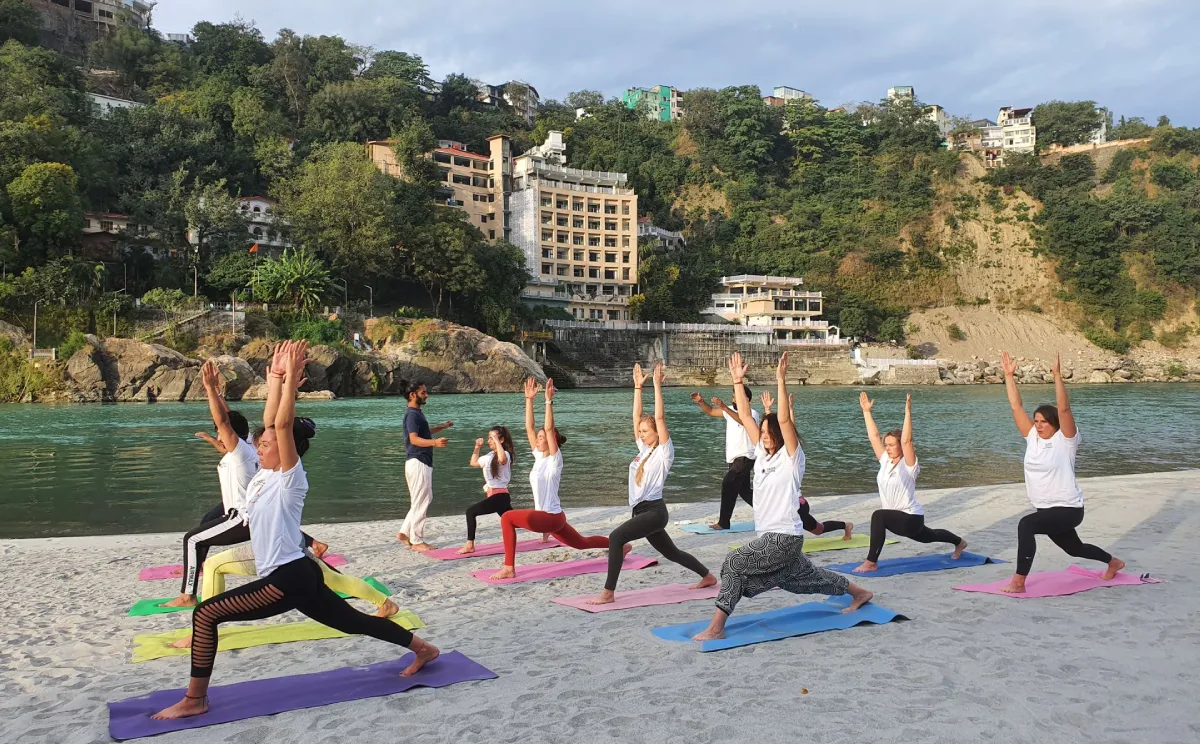
You’ve probably seen the photos. Someone in a flawless backbend, mountains behind them, golden light everywhere. It looks peaceful. It looks like exactly what you need right now. So, you book the first retreat that shows up in your search results, pack your bag, and hope for the best.
Here’s the problem. A retreat that is great for someone with 15 years of daily meditation practice can be too difficult for a beginner, leaving them tired, frustrated, and sore. On the other hand, a slow, beginner-friendly retreat may feel too easy for an experienced practitioner, who could become bored after a couple of days and wonder if it was worth taking time off to attend.
Before booking a retreat, be honest about where you are in your practice. A challenging program can be exciting if you’re ready for it, but frustrating if you’re not. Likewise, a beginner-focused retreat may not offer enough challenge if you’ve been practicing consistently for years. That’s why it’s worth looking beyond the photos and paying close attention to the teaching style, daily schedule, and class intensity before you book.
This guide will help you how to choose a yoga retreat that matches your current experience level, not where you hope to be or where the marketing says you should be. Whether you’re joining your first retreat or you’ve been practicing for years, you’ll learn what questions to ask and what to look for before you book and pay your deposit.
So, where to start?
Start by being honest about where you are.
This sounds obvious, but it trips up more people than you’d expect. Yoga egos are a real thing. You might have taken a handful of classes at your gym and feel confident calling yourself “intermediate” because you can now touch your toes. Or you might have practiced for years but assume you’re still a beginner because you can’t do a headstand.
Neither of those things tells you much about what you actually need from a retreat.
A more useful way to think about your level is to ask yourself a few honest questions:
- How many times a week do you currently practice, and for how long has that been consistent?
- Can you hold a plank, downward dog, and basic standing poses for several breaths without your form falling apart?
- Do you know the difference between vinyasa, hatha, yin, and restorative styles, and do you have a preference?
- Have you ever done a multi-day intensive, or is your experience limited to single one-hour classes?
- Are you dealing with any injuries, chronic pain, or physical limitations that affect how you move?
If you’re nodding along to only the first two or three, you’re probably a beginner to early-intermediate practitioner, and that’s completely fine. If you’re nodding along to all of them and could teach a class yourself in a pinch, you’re likely advanced. Most people land somewhere in the middle, and that’s actually the trickiest group to shop for, because a lot of retreats are built for the two extremes.
What beginners should actually look for
If you’re new to yoga, or you’ve only dabbled, the retreat you want looks very different from what you might picture when you imagine “yoga retreat” as a concept.
You should choose retreats that clearly say they welcome beginners or all experience levels. This usually means you will have slower classes, more guidance on proper alignment, and teachers who take time to explain the basics.
Check the daily schedule carefully. A retreat with three 90-minute vinyasa classes every day is unlikely to be beginner-friendly, even if the website says otherwise. A better choice is one or two classes a day, each lasting about 60 to 75 minutes, with plenty of time to rest, relax, or explore the area.
Ask whether the teachers offer pose modifications. Good beginner-friendly instructors offer easier versions of poses and encourage the use of props like blocks, straps, and bolsters. If all the photos show advanced poses and no props, the retreat is probably designed for more experienced students.
The place you choose for your retreat can have a bigger impact on your experience than you might expect. Things like altitude, weather, and the overall environment can change how your body feels during yoga.
For example, some retreats in Nepal are held at higher elevations where the air is thinner. If you’re not used to the altitude, even a gentle yoga session or a short walk may feel more tiring than normal. It’s worth asking the retreat organizers about the elevation and whether there’s enough time to adjust before the more intense practices begin.
Group size is another important factor to consider. In larger classes, it can be difficult for teachers to give everyone individual attention, especially beginners who may need more guidance. Smaller groups, typically around 15 participants or fewer, often provide more personalized feedback, better alignment corrections, and a more supportive learning environment.
Finally, you shouldn’t hesitate to contact the retreat organizers before booking. Once you are in contact, you can ask a simple question, such as, “Is this retreat suitable for someone with no yoga experience?” A well-run retreat academy will give you a clear and honest answer instead of a vague promise.
What intermediate practitioners should look for
Intermediate practitioners often need more support because everyone’s experience level varies. You may practice yoga a few times a week, feel comfortable with the basic poses, and be ready to explore more challenging ones. At this stage, you’re usually looking to improve your technique, build confidence, and create a more consistent practice.
At this stage, your goal is to find a retreat that challenges you without feeling overwhelmed.
You should:
Look for retreats that offer different levels within the same program. Some have classes that everyone can join, while giving easier and more advanced pose options. This allows you to push yourself without feeling pressured to attempt poses you’re not ready for.
Choose retreats that include workshops or special learning sessions. Topics such as alignment, pranayama (breathwork), or yoga philosophy can help you deepen your understanding of your practice and give you practical skills to take home.
Before choosing a retreat, think about what you’d genuinely like to work on. Perhaps you want to feel more confident in your Vinyasa flow, build the strength for arm balances, improve your backbends, or develop a more consistent practice. Choosing a retreat that aligns with your goals will make the experience more meaningful and help you get far more from your time on and off the mat.
Select a yoga style based on your requirements and background. While Hatha and Restorative Yoga are slower and concentrate more on alignment, relaxation, and mindfulness, Ashtanga and Power Yoga are more vigorous and physically demanding.
Ask whether the teacher offers individual guidance. Even a few minutes of personal feedback during the retreat can help you improve much faster than practicing on your own.
Consider the length of the retreat. A weekend may be enough for beginners, but intermediate practitioners usually benefit more from a retreat lasting a week or longer. It often takes a few days to settle into the routine before meaningful progress begins.
What advanced practitioners should look for
If you’ve been practicing consistently for years, have possibly already done teacher training, or are considering it, your needs are almost the opposite of a beginner’s.
Before signing up, take a close look at who the retreat is actually made for. Some programs are designed for experienced practitioners and may assume you already have a regular yoga practice or experience with advanced poses, such as inversions.
If a retreat doesn’t clearly mention the experience level, class intensity, or what participants should expect, it’s worth asking a few more questions before booking. A program that looks perfect online can feel very different once you arrive, especially if the pace, teaching style, or expectations don’t match your experience.
You could also consider a yoga teacher training instead of a regular retreat. A 200- or 300-hour training gives you much more than daily yoga classes. You’ll also learn about anatomy, philosophy, and teaching methods. Nepal is a popular place for these programs because many focus on the traditional and spiritual side of yoga.
Before making a reservation, spend some time getting to know the instructors. Examine their history, how long they have been a teacher, and whether they have any expertise working with advanced pupils. A good teacher may have a significant impact.
Examine the daily agenda as well. Instead of packing every hour with group activities, pick a retreat that offers some free time if you prefer to practice alone.
Lastly, consider the physical needs realistically. Though many days of hard yoga, particularly at higher elevations or with walking incorporated, might be exhausting, a tough retreat can be beneficial. Select a getaway based on your physical capabilities, not just what sounds good.
Ask yourself a few questions regardless of level.
No matter where you land on the experience spectrum, there are a handful of questions that will tell you almost everything you need to know about whether a retreat is right for you.
What does a typical day look like, hour by hour?
Don’t settle for a vague itinerary. Ask for an actual schedule. This alone will tell you more about intensity, pacing, and whether there’s enough rest built in than almost anything else.
What’s the maximum group size?
This affects everything from the amount of individual attention you get to how the accommodations are set up.
What styles of yoga are taught, and by whom?
A retreat labeled “yoga retreat” without specifying style could mean anything from gentle restorative sessions to intense Ashtanga. Ask directly.
Is the retreat all-inclusive, and what exactly does that cover?
Meals, accommodation, airport transfers, and excursions can vary wildly between retreats that look similarly priced at first glance.
What happens if I need to modify a pose or sit out a session?
The answer to this tells you a lot about how the organizers think about individual needs versus keeping everyone on the same track.
What’s the cancellation and refund policy?
This isn’t about your experience level, but it’s a practical question too many people forget to ask until it’s too late.
Are there any physical prerequisites or health considerations I should be aware of?
Especially relevant for retreats involving trekking, high altitude, or intensive daily schedules.
The duration of the yoga retreat needs to match the level.
How long a retreat should run depends heavily on your experience level, too, and this is something people frequently get wrong in both directions.
If you’re a beginner, you don’t need a long retreat to get the full experience. In fact, a two-week intensive can be physically and mentally exhausting if you’re starting. A long weekend or a retreat lasting five to seven days is usually enough to experience daily yoga without feeling overwhelmed.
If you’re an intermediate practitioner, a retreat of seven to ten days is often the sweet spot. The first few days are usually spent adjusting to the schedule, so staying a little longer gives you time to settle into the practice and see real progress.
If you’re an advanced practitioner, a longer retreat may be a better fit. Two weeks or more allows you to explore your practice in greater depth, especially if the program includes philosophy, anatomy, or teaching skills. That’s also why most 200-hour yoga teacher training courses last around three to four weeks.
Check out the accommodation and food.
This might seem unrelated to your yoga experience level, but it actually connects more than people expect.
Beginners, especially those who are new to traveling in South Asia, often feel more comfortable at retreats that offer private or shared rooms and reliable meals. Learning a new yoga practice while also adjusting to unfamiliar food and living conditions can feel like a lot at once.
If you’ve traveled a lot or have more experience with yoga retreats, you might enjoy simple, traditional accommodations as part of the overall experience. There’s no right or wrong choice. The best option is the one that makes you feel comfortable. So, you should choose a retreat that matches your comfort level rather than assuming you’ll easily adapt to a travel style you’re not used to.
No matter your experience level, ask about food options before booking. Most good retreats can accommodate vegetarians, vegans, and other dietary needs, but it’s better to confirm in advance than to arrive and find out the meals aren’t a good fit.
Some red flags you should avoid
No matter your experience level, there are a few warning signs to watch for.
Be careful with retreats that say they’re suitable for “all levels” but only show photos of people doing advanced poses, like deep backbends or difficult arm balances. This can be a sign that the retreat is actually better suited for intermediate or advanced students, even if the description says otherwise.
Be wary of extremely vague itineraries. If a retreat website can’t tell you specifically what a day looks like, that’s often because the experience is disorganized or inconsistent.
Watch out for retreats that don’t mention teacher credentials at all. Even if you’re a beginner and don’t know what to look for yet, a retreat confident in its teachers will list their training, certifications, and experience clearly.
A very low price can be tempting, but it’s worth looking a little deeper before booking. Compare what’s included with other retreats in the same area. Sometimes a lower cost means fewer services, simpler accommodation, different meal options, or less experienced teachers, although that’s not always the case. The best way to know is to ask what’s covered and what you’ll actually receive for the price.
Why Nepal is worth considering for yoga, regardless of your level
Once you’ve figured out what type of retreat suits your experience level, the next question is usually: where should you go?
If Nepal is on your list, it’s worth understanding why so many people choose this country to deepen their yoga practice.
Nepal is not just a beautiful place to attend a yoga retreat. Yoga, meditation, and spiritual practices have been part of the region for centuries, which is one of the reasons many people choose to practice here. For many people, practicing in Nepal feels different because the environment, history, and spiritual atmosphere become part of the journey.
That said, choosing Nepal alone doesn’t mean every retreat will be the right fit for you.
Just like anywhere else, retreats in Nepal can vary widely. Some focus on relaxation and gentle practice, while others are much more intensive, including advanced yoga, meditation, trekking, or teacher training. The important thing is not simply choosing Nepal as a destination, but choosing a program that matches where you are in your practice.
If you’re a beginner, look for a retreat that gives you enough time to learn the basics, ask questions, and become comfortable with the practice without feeling pressured to keep up with more experienced students. If you’ve been practicing for years, you may prefer a program that allows you to explore areas such as yoga philosophy, pranayama, meditation, and more advanced practices.
It is also worth considering practical factors such as altitude and physical activity. Some retreats in Nepal are located at higher elevations or include hiking and outdoor activities as part of the program. Even if you have a regular yoga practice, these factors can affect how your body responds during the retreat.
Before booking, ask the retreat organizers about the location, altitude, daily schedule, and whether any additional activities are included. Having a clear idea of what to expect will help you choose a retreat that matches your practice and physical ability.
Ultimately, Nepal can be an incredible place to practice yoga, but the best retreat is still the one that matches your goals, your body, and your current stage of practice.
How Nepal Yoga Academy Matches Different Experience Levels
At Nepal Yoga Academy, retreats and trainings are designed for different experience levels rather than offering the same program to everyone.
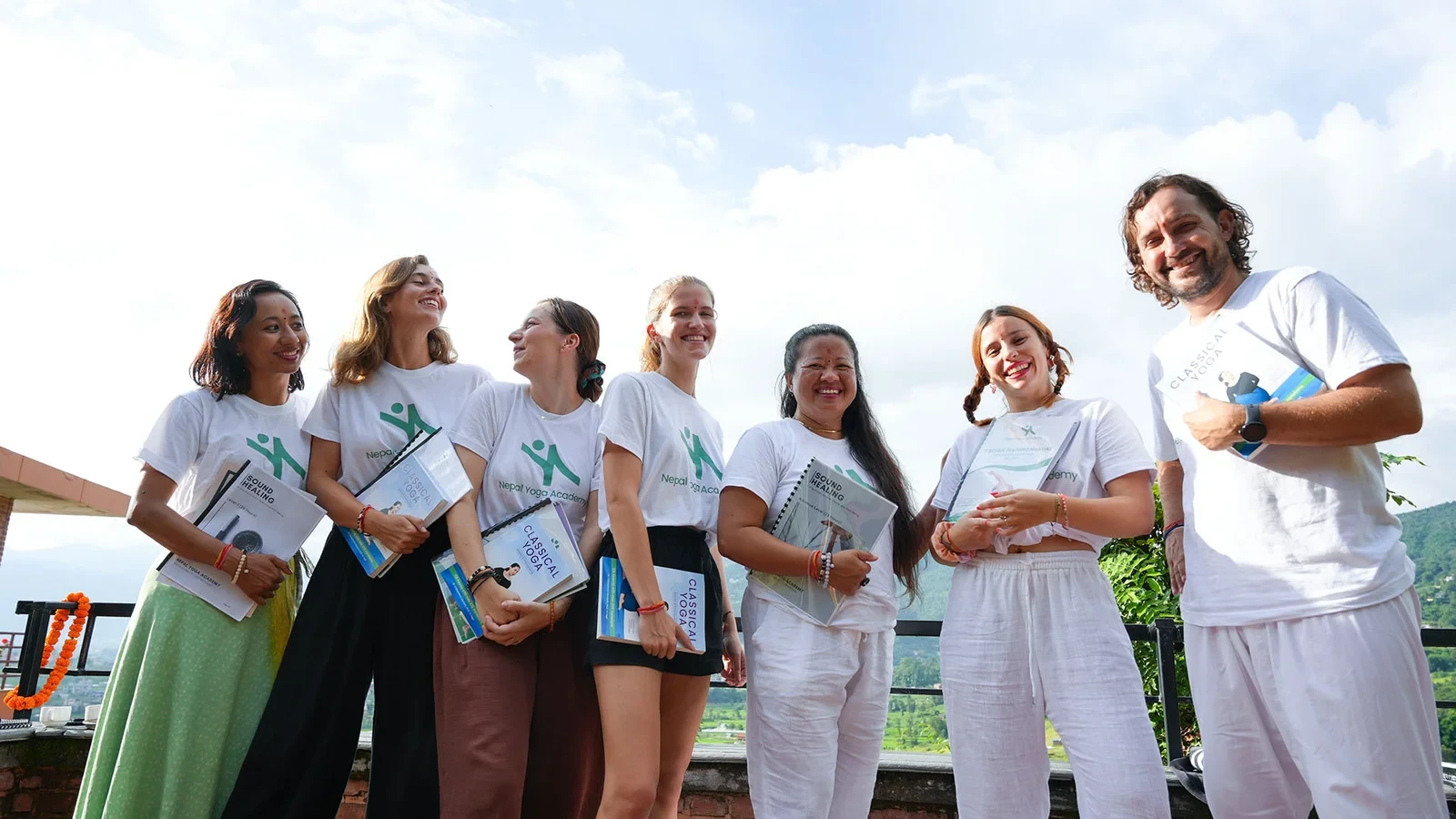
For beginners, the focus is on building a strong foundation. Shorter retreats, smaller groups, and supportive teachers help new students feel comfortable. Classes focus on alignment, breathing, and learning the basics before moving into more challenging practices.
If you already have some yoga experience, you can look for programs that combine daily practice with workshops to help you deepen your practice. Maybe you want to make your Vinyasa flow feel more natural, learn more about pranayama (breathing techniques), or work towards more advanced poses. The right retreat will give you the space, guidance, and time to focus on what you want to improve.
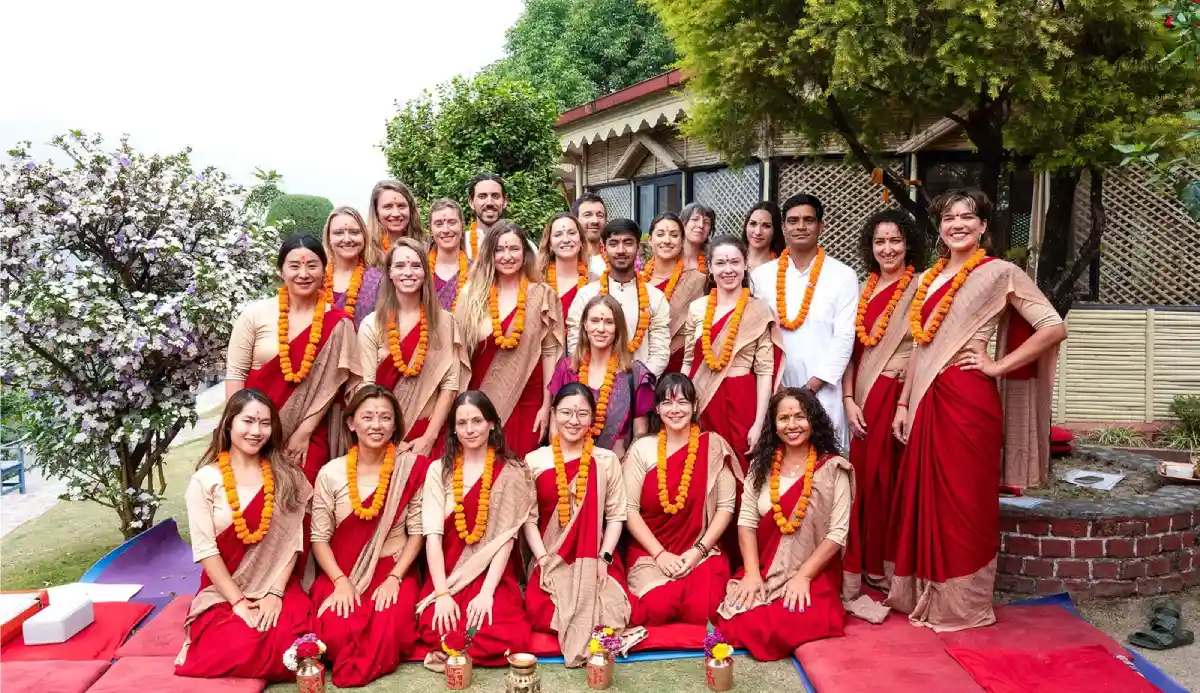
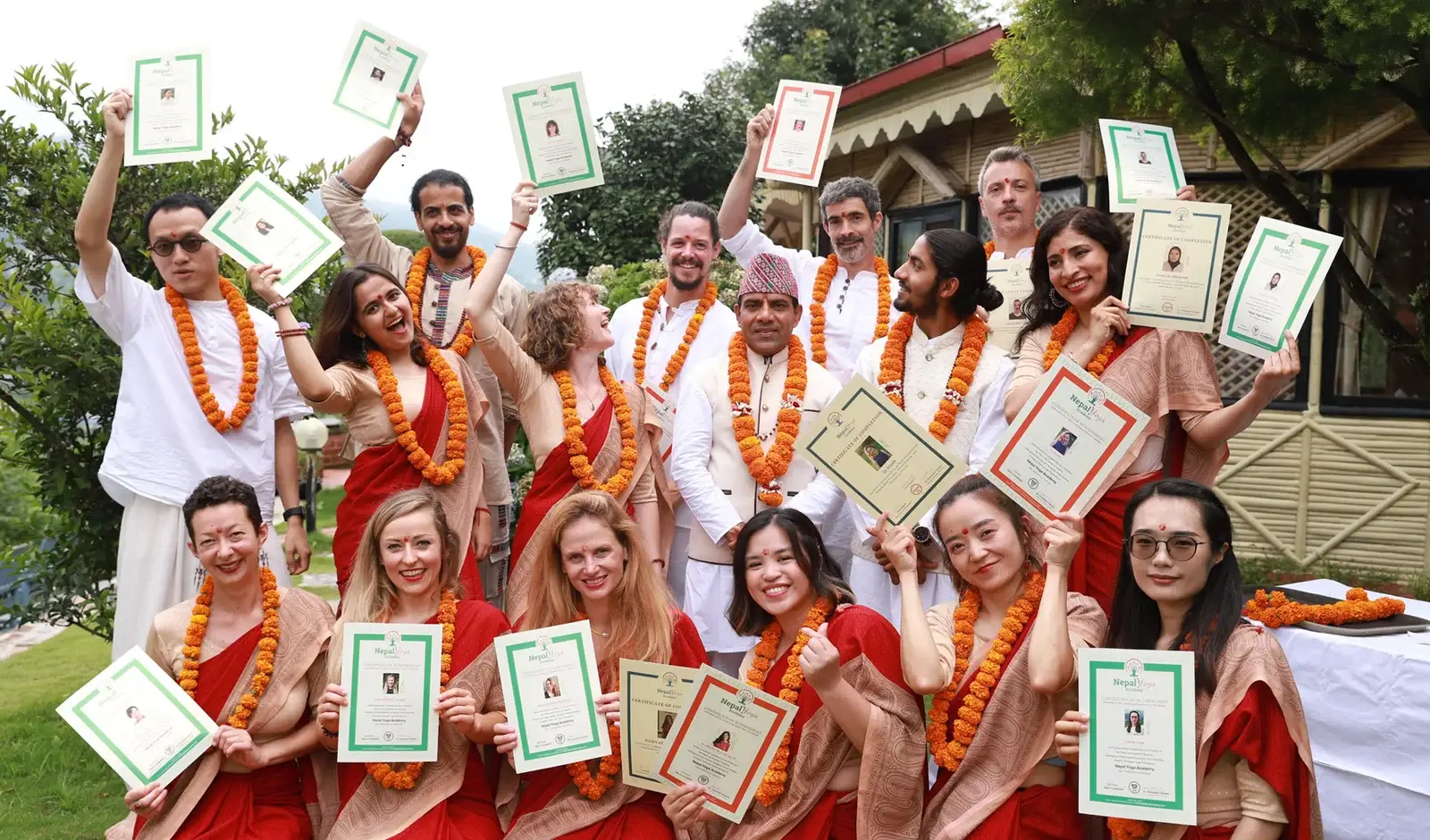
If you’re an experienced yogi or want to become a yoga teacher, teacher training programs offer much more than physical practice. You’ll also learn about yoga philosophy, anatomy, and traditional teaching methods, while exploring the rich yogic and Buddhist traditions of Nepal.
At every level, the focus is the same: finding a retreat that matches your experience, goals, and needs. That’s what makes a retreat truly worthwhile.
Concluding
Choosing a yoga retreat isn’t just about picking the most beautiful place or the one with the best photos online. Those things are nice, but the most important thing is finding a retreat that matches where you are in your practice right now.
Before you book, you should ask yourself some important questions. Don’t rely only on the advertisement. Find out about the daily schedule, group size, teacher’s experience, and how physically demanding the retreat is. Be honest about what your body can handle, especially if the retreat includes high altitude, hiking, or long yoga sessions.
Remember, the best retreat is not necessarily the one with the busiest schedule or the biggest promises. It is the one that aligns with your current practice, your goals, and what you realistically want.
Whether you want to challenge yourself with a more intensive program, spend some quiet time focusing on your practice, or take the next step with yoga teacher training, the right retreat depends on where you are right now.
Take the time to look beyond the photos and marketing. Check the classes, ask questions, and choose a retreat that suits your experience level. When you choose the right one, you are much more likely to enjoy the experience and get something valuable from your time there.