

Yoga Retreat and Yoga Teacher Training
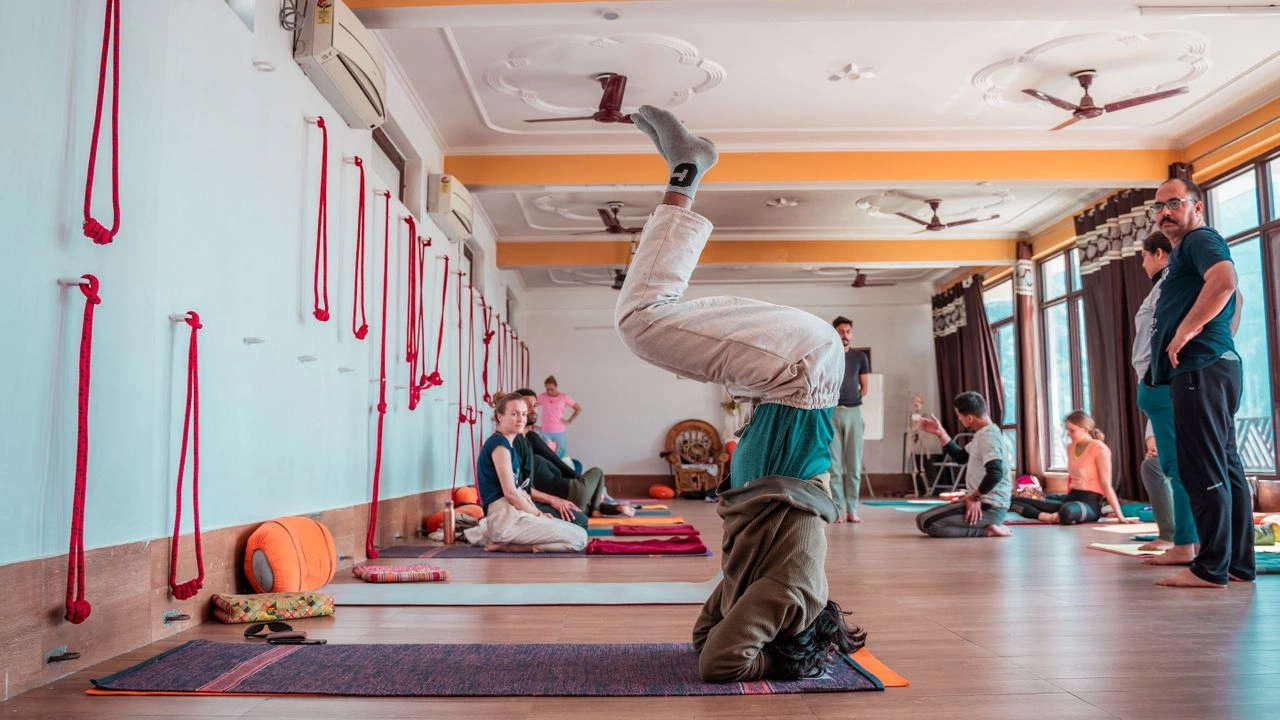
Yoga retreat and yoga teacher trainings are often presented together, but they serve different purposes. A retreat offers time to practice, rest, and reconnect with yourself, while teacher training is more structured and focuses on study, teaching skills, and certification.
In my own practice, I have found that not every stage of the yogic path needs to become a qualification. Sometimes what we need most is simply the space to slow down and return to the practice itself. That was the value of my experience at Nepal Yoga Academy (NYA).
What Is a Yoga Retreat?
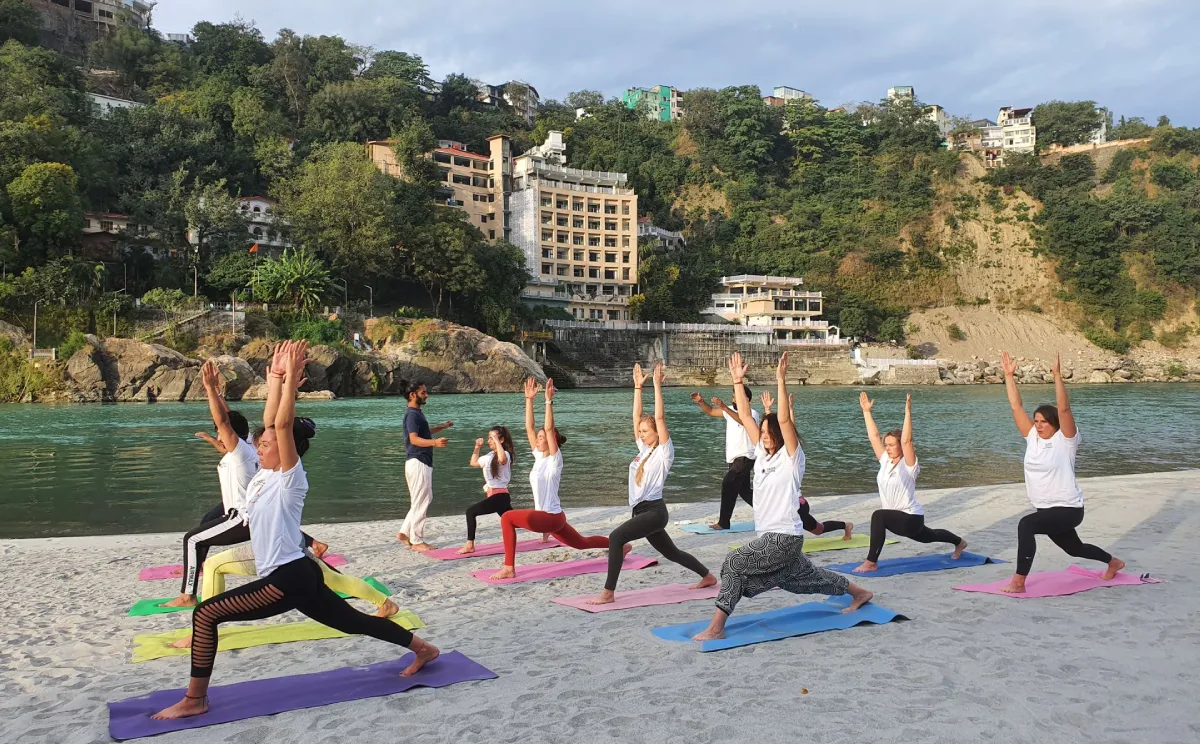
A yoga retreat is a temporary break from ordinary routines, allowing asanas, meditation, rest, and reflection to become the center of the day for a short period of time. Retreats often include morning and evening practice, pranayama, meditation, simple meals, philosophy discussions, and free time. Between the staff, the facilities, and its perfect placement in nature on the outskirts of Kathmandu, I found NYA to be the perfect place to achieve the balance between convenience and serenity.
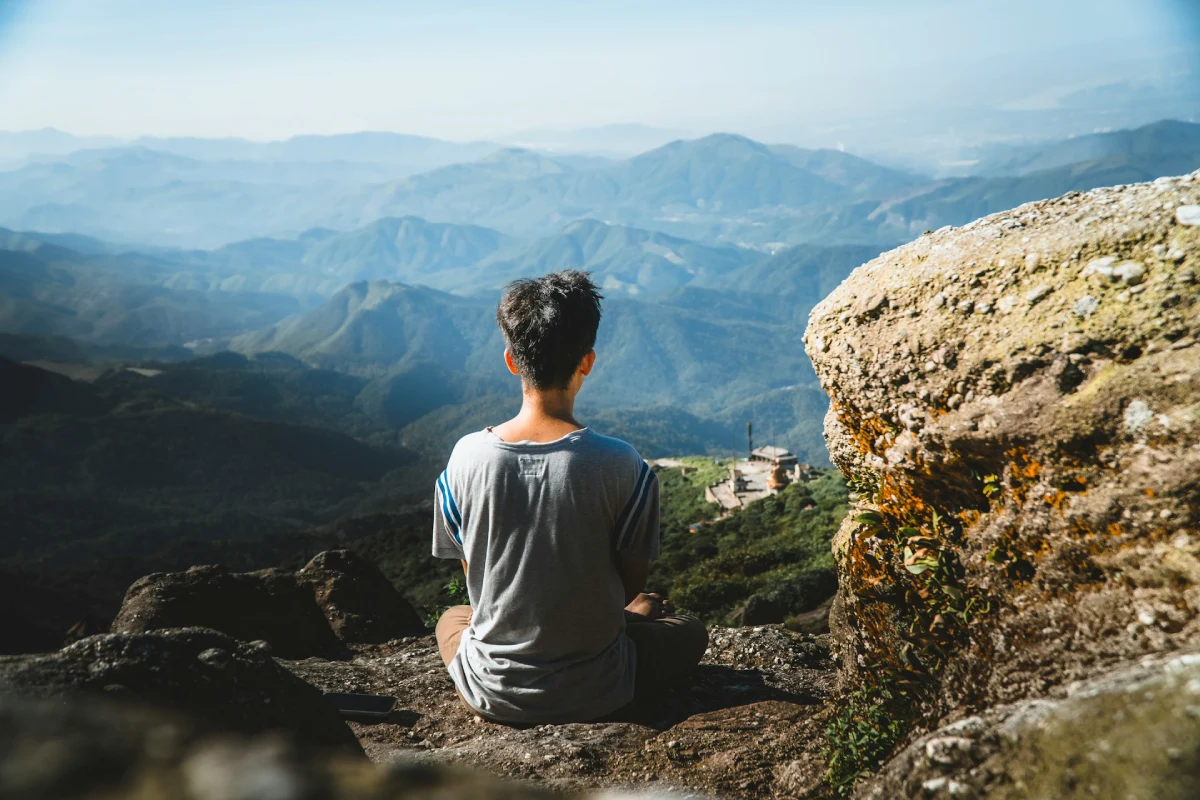
At Nepal Yoga Academy, the experience gave me enough structure to stay disciplined without making the day feel pressured. I became more aware of my breathing, the tension I carried in my body, and how quickly my mind reached for distraction. The retreat did not feel like an escape from life. It provided the space for a chance to observe life clearly.
Retreats are especially suitable for beginners, busy professionals, people experiencing stress, and travelers who want something more meaningful than an ordinary holiday. In my experience, Nepal and all of its wonderful culture in general is the perfect spot for self-inquiry.
What Is Yoga Teacher Training?
Yoga teacher training is an intensive educational program designed to deepen personal practice and prepare students to guide others. A typical 200-hour yoga teacher training includes asana, pranayama, meditation, philosophy, anatomy, sequencing, teaching methodology, and practical teaching experience.
Teacher training is not only for people who intend to teach professionally. Some students join for personal development. However, it requires more concentration, responsibility, and commitment than a retreat. Students are expected to study, practice consistently, receive feedback, and learn how to communicate yoga safely to other people.
Key Differences Between a Yoga Retreat and Yoga Teacher Training
| Yoga Retreat | Yoga Teacher Training | |
| Focus | Focuses on rest and personal practice | Focuses on education and teaching skills |
| Duration | Usually lasts several days or weeks | Often lasts three to five intensive weeks |
| Time spent | Includes more free time | Includes lectures, study, and assignments |
| Exams | Usually has no examination | May include assessments and teaching practice |
| Certificate | Does not normally provide certification | Often provides a 200-hour certificate |
| For whom | Suitable for beginners and experienced practitioners | Best for those ready for sustained study |
The clearest difference is where the attention goes. During a retreat, the attention is mainly inward. During teacher training, you must also learn to observe and support other people.
Who Should Choose a Yoga Retreat?
A retreat may be the better choice when you feel tired, overstimulated, or disconnected from your practice. It can be helpful for beginners who want a supportive introduction to yoga without the pressure of memorizing anatomy or preparing to teach.
It is also useful for people seeking stress relief, a digital detox, or a more reflective kind of vacation. In my experience, the space between the classes was as important as the classes themselves. It allowed the practice to settle rather than becoming another activity to complete.
Who Should Choose Teacher Training?
Teacher training is a better fit for aspiring teachers, long-term practitioners, and people who want a more structured study of yoga. It may also appeal to those considering a career change or looking for an intensive period of personal growth.
The desire to teach should be taken seriously. Enjoying yoga does not automatically mean someone will enjoy teaching it. Teaching requires patience, preparation, communication, and continued study long after the course ends.
Can Beginners Join Either Program?
Beginners can usually join both retreats and many teacher training programs. Flexibility is not a requirement for either.
For a retreat, the main requirement is openness and a willingness to follow the daily routine. For teacher training, beginners should also be prepared for long days, study, feedback, and repeated practice.
Physical ability is less important than mindset. Curiosity, patience, and honesty are often more valuable than advanced postures.
What Does a Typical Day Look Like?
A retreat day may begin with meditation, pranayama, and morning asana, followed by breakfast and free time. The afternoon may include a workshop, nature walk, or second yoga class, with meditation or relaxation in the evening.
Teacher training follows a fuller schedule. In addition to practice, the day may include anatomy, philosophy, sequencing, teaching methodology, posture workshops, and teaching practice.
Both can be demanding, but a retreat allows more time to absorb the experience, while teacher training asks you to analyze, integrate, and communicate what you are learning.
Why Nepal Is an Ideal Destination for Both
Nepal provides a natural setting for contemplative practice. The Himalayan landscape, spiritual traditions, temples, and slower pace of life can help create distance from ordinary distractions.
At Nepal Yoga Academy, I appreciated the quiet and simplicity of the environment. Yoga felt connected to the wider culture rather than separated from it as a fitness activity.
Nepal can also be more affordable than many retreats in Europe or North America, although price should never be the only consideration. The quality of the teaching, accommodation, safety, and atmosphere matter just as much.
Can You Join a Retreat Before Teacher Training?
For many people, a retreat is the best place to begin. It allows you to experience residential yoga without immediately committing to an intensive certification course.
A retreat can help you understand whether you enjoy early mornings, regular meditation, repeated practice, and communal living. It can also clarify whether you genuinely want to teach or simply want yoga to remain a personal discipline.
In my own practice, I have learned that inspiration does not always need to become a profession. Sometimes it is better to let the experience settle before deciding what comes next.
Frequently Asked Questions
Can complete beginners join a retreat?
Yes. Most retreats welcome beginners and offer modifications.
Do I need to be flexible?
No. Flexibility is not a requirement for yoga.
Can I join teacher training without wanting to teach?
Yes, although you will usually still be expected to complete teaching exercises. However, learning to teach something is naturally the next step in learning anything, and this aspect is well covered throughout the course. In fact, most of the students I attended with began to experience the desire to teach during the course.
Is teacher training harder than a retreat?
Generally, yes. It includes more study, structure, and responsibility. This is the most rewarding aspect of the retreat, as it gave me an opportunity to work with stress and fatigue in a safe, manageable environment.
How long should my first retreat be?
Five to ten days is a comfortable starting point for many people. Although any amount of time in a yoga retreat is time well spent.
What is a 200-hour yoga teacher training?
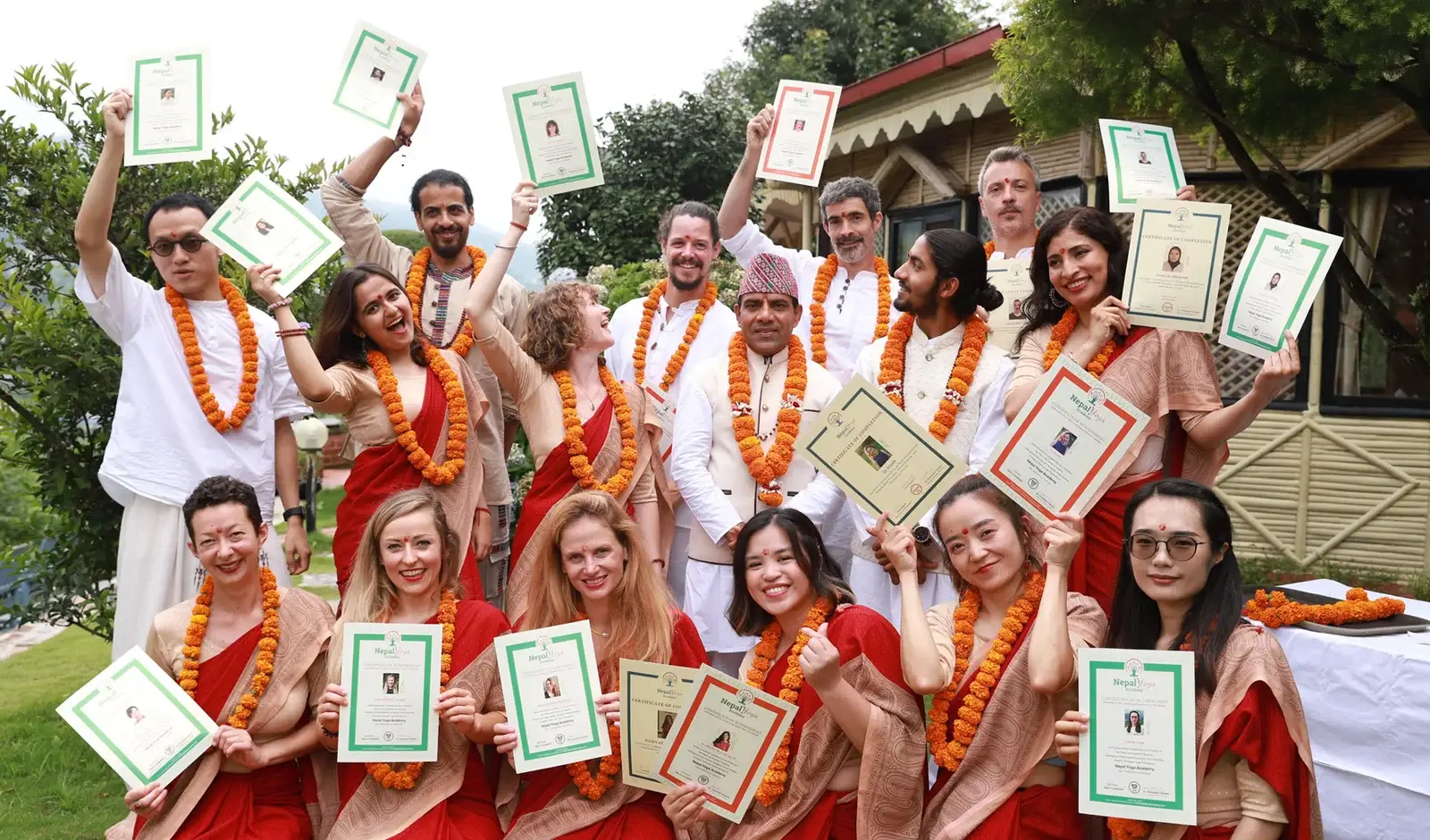
It is a foundational course covering practice, philosophy, anatomy, and teaching skills. At NYA, this course is certified by the International Yoga Alliance, and it shows.
Can a retreat help with stress?
It may support rest and recovery, although it does not replace medical or psychological care when needed.
Can I travel to a retreat alone?
Yes. Many people attend alone and meet others during the program. In fact, I would personally recommend attending alone. Sometimes, attending with friends or family can hinder the self-exploration process and is inherent to these types of experiences.
Is a yoga retreat the same as a wellness resort?
No. A retreat usually places more emphasis on practice, discipline, and simplicity. Wellness resorts prioritize luxury, retreats prioritize self-improvement and discovery.
Which Option Is Right for You?
- Choose a yoga retreat when you want rest, reflection, regular practice, and time away from daily pressure.
- Choose teacher training when you want structured study, teaching experience, and a professional qualification.
- My experience at Nepal Yoga Academy reminded me that yoga does not always need to lead somewhere. The retreat gave me time to breathe, practice, and notice the habits that are often hidden by a busy life.
- Sometimes the next step is deeper study.
- Sometimes the next step is simply to become quiet enough to know what you actually need.