
Yoga Retreat in Nepal: Benefits, Costs, and What to Expect
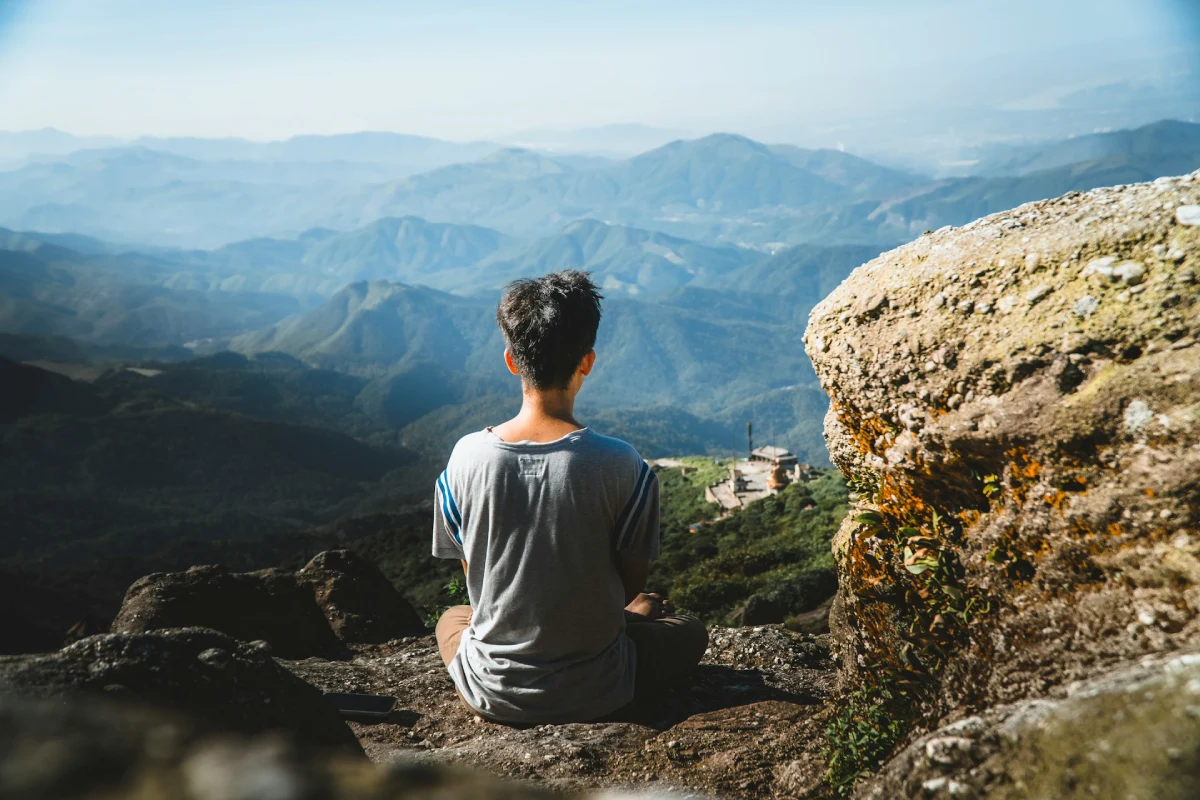
So, you’ve been looking at photos of yogis sitting cross-legged with snow-capped mountains behind them, and some part of you has started wondering what that would actually feel like. Maybe you’ve been juggling work stress for too long. Maybe your regular yoga class just isn’t cutting it anymore, and you want to go deeper. Or maybe you’ve heard that Nepal does something to people that other destinations don’t, and you want to find out for yourself.
Whatever brought you here, you’re probably also asking the more grounded questions:
- What does this actually cost?
- What will my days look like? Is it safe to go alone?
- Do I need to be flexible or experienced already?
This guide answers all of that, in plain language, without the usual fluff you find on travel blogs.
We put this together at Nepal Yoga Academy after years of watching people arrive nervous and unsure, and leave looking like a different version of themselves. Some of what follows comes from that experience, and some comes from looking at what retreats across the country currently charge and offer, so you have realistic numbers rather than guesses.
Why Nepal, specifically?
Yoga retreats exist all over the world. Bali has them. Costa Rica has them. So does southern Spain. So why do so many people choose Nepal over all of those?
Part of the answer is geography. Yoga and meditation didn’t arrive in Nepal as imported wellness trends; they grew from the same soil as Hinduism and Buddhism, two traditions that have shaped this region for thousands of years. When you practice in Kathmandu, Pokhara, or Lumbini, you’re not doing yoga in a country that recently discovered its marketability. You’re doing it where a version of these practices has existed for a very long time, often a few hundred meters from temples and monasteries still in daily use.
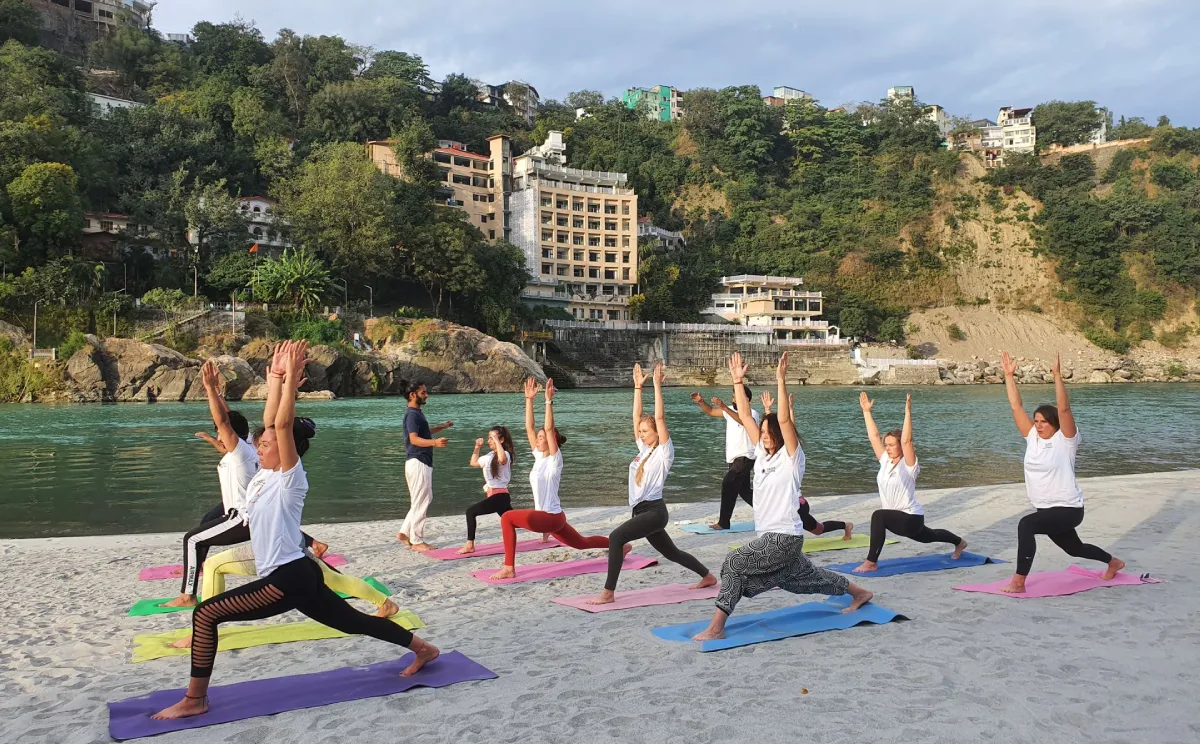
The other part of the answer is simpler: the mountains. There’s something about practicing a sun salutation while actual sunlight is hitting actual snow on an actual Himalayan peak in front of you that a yoga studio with a mural of mountains can’t replicate. Pokhara in particular has built its reputation on this, with the Annapurna range reflected across Phewa Lake every morning.
Additionally, the cost-to-experience ratio is extremely difficult to surpass. A long weekend at a Western health resort is sometimes more expensive than a week in Nepal that includes daily yoga, three meals, lodging, and a few excursions. That does not imply being inexpensive and of poor quality. This implies that your money is worth more here than it is in Bali, Costa Rica, or any other part of Europe.
What You’ll Actually Get Out of It
It’s easy to be skeptical of claims like “this retreat will change your life.” So, let’s talk about the more concrete, measurable benefits instead, the kind you’ll notice in the first few days and the kind that tend to stick around once you’re back home.
Your body will feel different, and not just from the yoga.
Daily yoga practice for a week or more does things that an occasional studio class can’t. Your joints loosen up. Tight hips and shoulders, the kind built up from years at a desk, start to release. But it’s not only the asana. Most retreats serve fresh, simple, vegetarian meals cooked with local vegetables, lentils, and rice, three times a day, with none of the processed food most of us eat without thinking.
Many visitors notice improved sleep within the first couple of days, often linked to a more regular daily routine, consistent meals, and morning physical activity instead of screen-based habits.
Your nervous system gets an actual break.
People talk about this advantage the most after they leave and undervalue it the most when they enter. You can escape alerts, deadlines, and decision fatigue by going on a retreat. The timetable makes all the decisions for you, including what to eat, where to go, and what to do next.
Instead of just asking your mind to “relax,” which seldom works on command, meditation sessions, led by instructors who have been doing this for decades, provide your mind with a structured technique to calm down.
You learn things you can actually take home.
A good retreat doesn’t just give you a nice week and send you back to your old life unchanged. It teaches you breathing techniques (pranayama) you can use during a stressful meeting. It teaches you modifications for poses your body actually needs, rather than the ones you see on Instagram.
Many people leave with a short home practice they can realistically keep up, ten or fifteen minutes a day, because it was built around their real life rather than around an idealized one.
You get to be around people doing the same thing.
There’s a particular kind of bonding that happens when you’re meditating in silence next to someone in the morning and sharing dal bhat with them by dinner. Many retreat-goers say the friendships were as valuable as the yoga itself. If you’re traveling solo, this matters even more, since you’re rarely “alone” for long once the group sessions start.
The Different Styles of Yoga You’ll Encounter in Nepal
One thing that surprises many first-time visitors is just how many styles of yoga are taught at Nepal’s retreats and ashrams. “Yoga” isn’t a single practice. Still, it’s an umbrella term for several distinct approaches, and knowing the basic differences will help you pick a retreat and a daily schedule that actually match what you’re looking for.
Hatha yoga
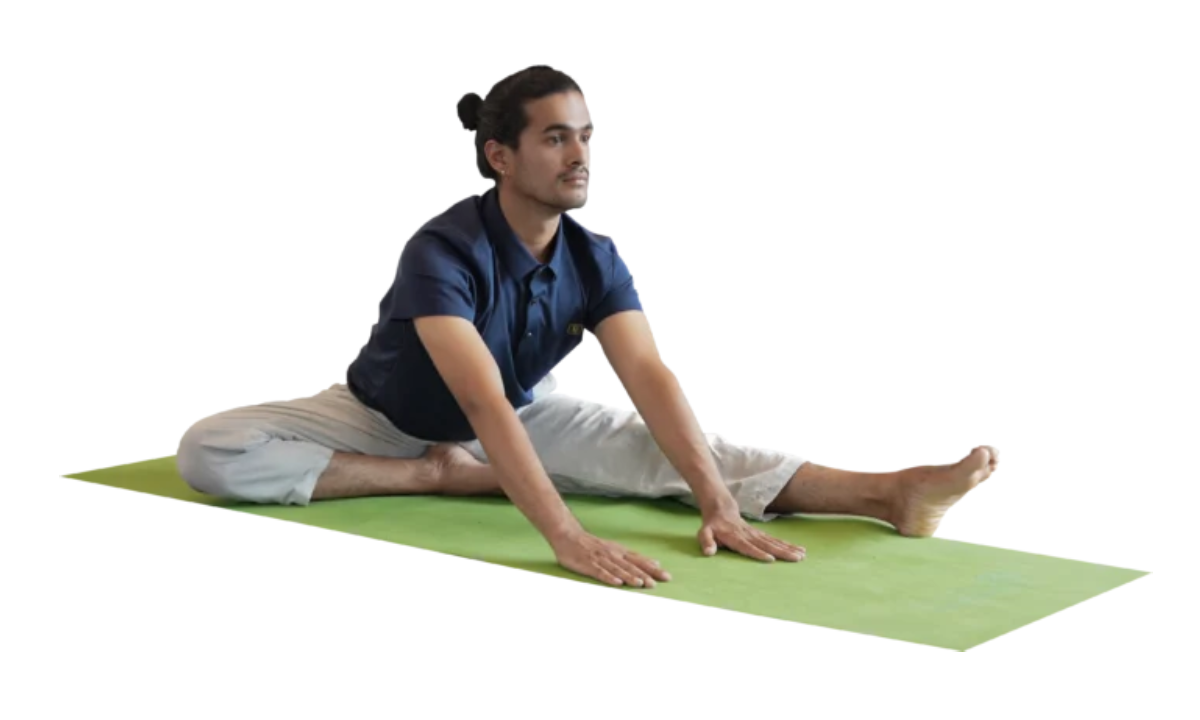
Hatha is the core of most retreats in Nepal and the slower, fundamental technique most beginners start with. The practice emphasizes holding postures (asanas) in conjunction with regulated breathing (pranayama), and the name derives from a Sanskrit root meaning “force” or “effort.” Instead of merely hurrying through a sequence, classes proceed more slowly than you may anticipate, spending more time on alignment and teaching you how a position should feel.
Ashtanga Yoga
Ashtanga translates as “eight limbs,” which refers to the eightfold path set out by the sage Patanjali, in which physical postures are just one component.
In practice, Ashtanga yoga is a structured, energetic style that moves through a set sequence of poses coordinated with the breath, making it more physically intense than Hatha yoga.
The sequence itself stays the same every time, which builds mastery through repetition rather than novelty. If you want a retreat that will genuinely challenge you physically and mentally, look for one that emphasizes Ashtanga.
Vinyasa Yoga
Vinyasa is a breath-linked, flowing technique that many individuals are already familiar with from their home yoga studios. Instead of being held one at a time, poses are sequenced into continuous movement, which increases strength, cardiovascular fitness, and body temperature.
Vinyasa is particularly popular at several retreats in the Pokhara area because it pairs well with early-morning practice as the sun rises over the Annapurna range. According to most reports, performing the identical sequence under fluorescent lights is quite different from performing sun salutations when the sun actually rises over real mountains.
Kundalini Yoga
Kundalini yoga is a practice built around breath, movement, and meditation. It often includes chanting and repeating specific sequences of movement called kriyas. One common technique is “breath of fire,” a quick, steady breathing pattern used during practice.
Instead of focusing solely on stretching or physical fitness, it leans more toward the internal experience. The emphasis on attention, emotion, and awareness is why it tends to appeal to people interested in the quieter, more reflective side of yoga.
Yin Yoga
Yin is the subdued opposite of everything said before. Instead of strengthening muscles, these passive poses, which are maintained for many minutes at a time, target the deep connective tissue surrounding joints. Since it supports the body’s recovery after a demanding day on the trail, it is often scheduled for the evening, especially on retreats that include yoga and hiking.
Sanatan yoga
Sanatan, meaning “eternal” or “timeless” in Sanskrit, is considered one of the oldest forms of yoga and takes a deliberately holistic approach, weaving together elements of Hatha, Ashtanga, and Kundalini rather than treating them as separate disciplines.
Many Sanatan teaching centers view yoga as a lifelong path rather than an exercise, and also give equal importance to philosophy, breathing practices, and postures. It’s worth asking about a retreat’s teaching style, as it shapes the overall experience, from how the day is structured to how much time is spent in discussion versus practice.
Most retreats don’t lock you into a single style for the duration of your stay. It’s common to do something more dynamic like Vinyasa or Ashtanga in the morning and a slower Hatha or Yin session in the evening, so you leave with a well-rounded experience rather than just one flavor of yoga repeated every day.
How Much Does It Actually Cost?
Let’s get specific, because vague answers like “it depends” don’t help anyone planning a trip. This is a fair breakdown based on what retreats are charging now, while prices in Nepal vary by area, length of stay, and level of comfort.
| Retreat type | Typical length | Price range (USD) |
| Budget ashram-style retreat | 7 days | $140 – $400 |
| Mid-range guided retreat | 7–10 days | $600 – $1,200 |
| Premium retreat with private room | 7–10 days | $1,200 – $2,000 |
| Holistic wellness / Ayurveda retreat | 4–7 days | $400 – $900 |
| Yoga + trekking combination | 10–15 days | $750 – $1,700 |
A few things worth knowing about these numbers: first, longer stays almost always lower the daily cost. A 10-day yoga and trekking package at roughly $1,200 works out to around $120 a day, all-inclusive, which compares well against a single night at most Western wellness resorts.
Second, location has a greater impact on price than you may think. Even if the program is almost the same, retreats in the heart of Kathmandu or directly on Phewa Lake in Pokhara typically cost more than those nestled in the hills outside of town.
Third, and this is surprising to many, the listed price seldom covers travel insurance, your airfare, or your visa costs. Make a separate budget for these. The cost of an international round-trip ticket to Kathmandu can vary from $700 to $1,800, depending on your departure location and how far in advance you purchase.
What’s usually included, and what isn’t
| Usually included | Usually NOT included |
| Accommodation (shared or private room) | International flights to Nepal |
| Daily yoga and meditation sessions | Nepal visa fee (paid on arrival) |
| Vegetarian meals, often three a day | Travel insurance |
| Airport pickup and drop-off | Massages, spa add-ons, or extra excursions |
| Basic excursions (a temple visit, a walk to a viewpoint) | Tips for teachers and staff |
| Yoga mats and props at the venue | Alcohol and bottled drinks beyond meals |
If a retreat’s website doesn’t clearly spell out what’s included, ask before you book. This single question prevents almost every budgeting surprise people encounter once they’ve arrived.
Getting There: Visas, Flights, and Entry
Nepal makes this part easier than most countries. Most travelers, including citizens of the US, UK, Canada, Australia, and the EU, can get a Tourist Visa on Arrival at Tribhuvan International Airport in Kathmandu, which is almost certainly where you’ll be flying into. You don’t need to apply for anything in advance unless you want to.
| Visa length | Cost (cash, USD) | Good for |
| 15 days | $30 | A short, focused retreat with little extra travel |
| 30 days | $50 | A standard retreat plus a few days of sightseeing or trekking |
| 90 days | $125 | An extended stay, multiple retreats, or a longer Nepal trip overall |
A few practical notes. You’ll need a passport valid for at least six months from your arrival date, one passport-sized photo, and the visa fee in cash, preferably clean, newer USD notes, since some counters are picky about worn or old bills. Filling out the online arrival form before your flight can save you significant time at the airport, especially during the busier travel seasons of spring (March to May) and autumn (September to November).
If you decide partway through your trip that you want to stay longer, extensions are simple. Your visa can be extended at the Immigration Office in Pokhara or Kathmandu. A total of 150 days may be added to your visa over the course of a year. Because of this flexibility, many individuals who had planned a 10-day retreat end up staying for a month.
A friend told me she’d planned ten days. She extended her visa twice and stayed for six weeks. I believed her the moment I landed.
The Different Types of Yoga Retreats You Can Choose From
“Yoga retreat” is a bit of a catch-all term, and once you start looking, you’ll find the offerings in Nepal split into fairly distinct categories. Picking the right type matters more than picking the right town, since two retreats in the same valley can deliver completely different experiences depending on what they’re actually built around.
Here’s a rundown of the main types you’ll come across, including a few drawn from the programs we run at Nepal Yoga Academy.
Short rejuvenation breaks (1 to 2 days)
A trip and a week off work are not necessary for every retreat. A few yoga sessions, a sauna or steam bath, guided meditation, and an Ayurvedic oil massage are frequently included in short, 1 day yoga retreat packages designed especially for those seeking a reset without the greater commitment.
These are ideal if you’re a resident who needs a weekend break from routine or if you’re already traveling through Nepal for other purposes and want to fit in a good recharge.
Classic multi-day yoga and meditation retreats
Most people envision this kind of retreat, which consists of 5 to 10 days of daily guided Hatha and Ashtanga classes, along with meditation practices focused on emotional equilibrium and mental clarity.
It’s the most adaptable category, appropriate for both total novices and seasoned practitioners, and typically the most accessible in nearly every price range.
Detox and cleansing retreats
Detox retreats build their entire schedule around a natural approach to cleansing the body and mind, grounded in ancient yogic and Ayurvedic tradition rather than any extreme fasting regimen. Expect a lighter, more deliberate diet, herbal teas, and yoga sequences specifically chosen to support digestion and circulation—these suit people who feel generally run-down or sluggish rather than those chasing a specific physical transformation.
Holistic healing and wellness retreats
Holistic healing and wellness retreats offer a more comprehensive approach to well-being by extending the focus beyond the yoga mat.
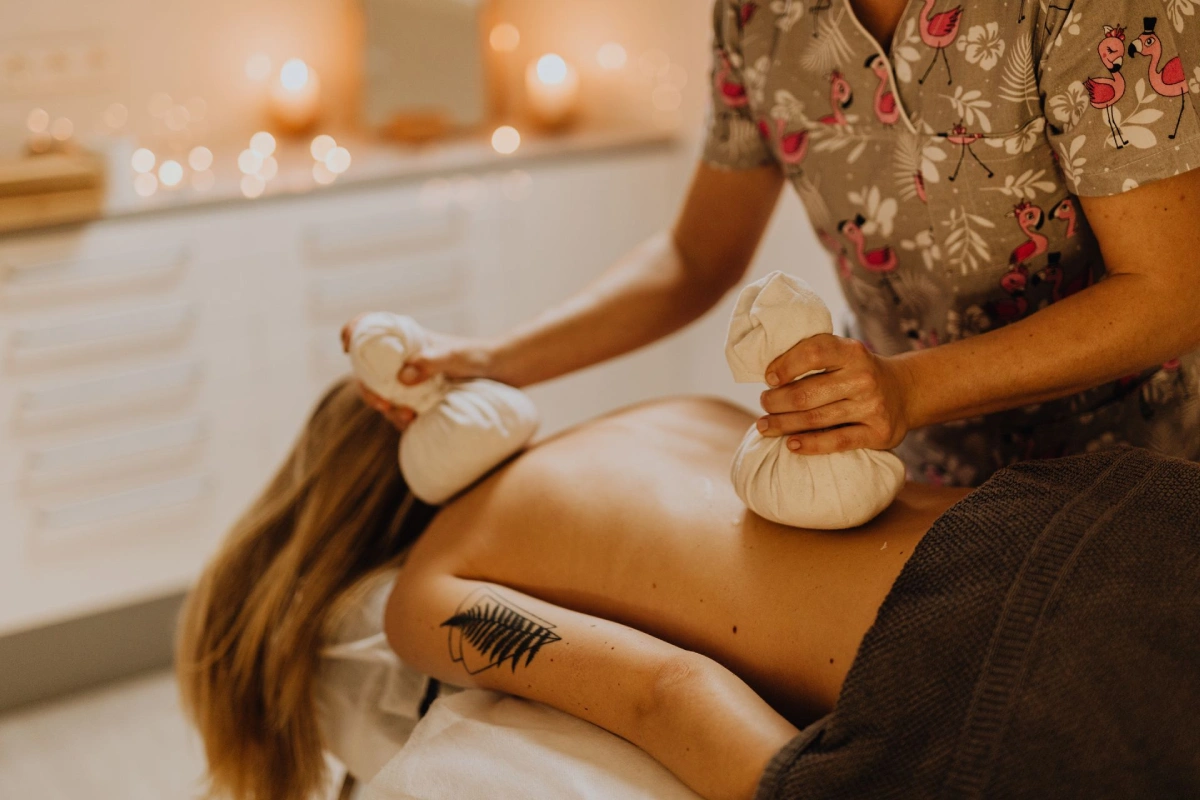
Programs frequently incorporate Ayurvedic treatments, massage therapy, meditation, dietary counseling, and sound-healing sessions with Tibetan singing bowls, in addition to yoga courses. The general focus is on rest, self-care, and holistic wellbeing, even though proponents of these therapies sometimes characterize them as promoting balance and relaxation.
These retreats are popular with tourists seeking a more comprehensive wellness experience, as they foster physical, mental, and emotional well-being rather than focusing solely on asana practice.
Ayurveda-focused pamper packages
Ayurveda Pamper Package retreats, which usually last three to four days, are a step further into therapeutic terrain and largely rely on Ayurvedic treatments, herbal therapies, and traditional massage in addition to daily yoga and meditation. They are a terrific fit if you’re coming exhausted, anxious, or just in need of a few days’ care, since they focus more on true physical rehabilitation than pushing your practice farther.
Yoga and heritage retreats
Yoga and Heritage Retreats pair daily practice with guided visits to Nepal’s UNESCO World Heritage Sites, blending the physical and spiritual side of yoga with the country’s temples, stupas, and centuries-old architecture. If part of your motivation for choosing Nepal specifically is the cultural and historical depth on offer, rather than just the mountains, this category makes sure that doesn’t get sidelined in favor of an all-mat, all-the-time schedule.
Post-trek recovery retreats
Designed for people who’ve just come off a trekking route, post treak retreats focus on unwinding tired muscles and re-attuning the body after days on the trail, usually over three to four days, with a gentler, more restorative style of yoga than you’d find elsewhere. If your trip already includes serious trekking, booking a few recovery days immediately afterward, rather than flying home directly, makes a noticeable difference in how your body feels in the following weeks.
Affordable and budget retreats
Affordable yoga retreats simplify the experience to its most basic: good food, comfortable lodging, and regular yoga, without the extra treatments or excursions that drive up the cost elsewhere. They are designed for folks who want a real vacation without breaking the bank. They serve as evidence that a meaningful retreat in Nepal need not be expensive.
Most retreat centers, including Nepal Yoga Academy, run several of these categories side by side, so it’s entirely possible to combine elements, a few days of classic practice followed by a shorter Ayurveda add-on, for instance, if you’re not sure a single category covers everything you want from the trip.
Combining Yoga with Trekking, Culture, and the Rest of Nepal
One advantage Nepal has over almost every other yoga retreat destination is that you’re not just choosing between “retreat” and “nothing else to do.” The country itself is one of the most rewarding places on earth to explore, and many retreats are built with this in mind.
Yoga and trekking together
Many programs combine a few days of yoga and meditation with a guided hike. Some of the programs are attached to popular Annapurna vistas like Poon Hill or to longer routes leading to base camps at higher altitudes.
Once you experience it, the reasoning for this combination becomes clear: doing restorative Yin yoga at night helps your body heal. In contrast, yoga in the mornings releases the muscles you’ll need on the route, and the walk itself becomes a moving meditation.
A combined yoga-and-trek schedule is a milder option if you’ve ever wanted to get up close and personal with Everest or the Annapurna range but were afraid of a full trip.
Temples, monasteries, and living spiritual culture
Most retreats schedule at least one excursion to a nearby temple or monastery, and in the Kathmandu Valley in particular, you’re rarely more than a short walk from one. These aren’t museum pieces; they’re active places of worship, often centuries old, where you can sit in on a Buddhist puja or observe monks going about their daily routine.
Bhaktapur and Patan, both within easy reach of Kathmandu, are UNESCO World Heritage Sites packed with preserved medieval architecture that most visitors find genuinely moving to walk through, retreat or no retreat.
Lumbini, the birthplace of the Buddha
Lumbini is worth the effort if your getaway permits a detour. Siddhartha Gautama, the Buddha, is said to have been born there, and practitioners from all Buddhist traditions are drawn to the nearby Sacred Garden and monastery. Even a half-day spent here provides a sense of context that is difficult to find elsewhere, especially if your retreat incorporates any Buddhist-inspired meditation practices.
Wildlife and a change of pace in Chitwan
Chitwan National Park, located in the country’s lowlands, provides canoe cruises, jungle hikes, and a genuine possibility of seeing tigers or rhinos if you’re looking for something different from mountains and temples.
There are a few retreats here that combine yoga in the morning with wildlife activities in the afternoon, creating a very different rhythm than a program centered around the mountains.
What an Actual Day on Retreat Looks Like
This is the part most people are genuinely curious about, but rarely find a straight answer to. Schedules vary a bit between retreat centers, but most follow a rhythm close to this:
- 5:30–6:00 AM — Wake-up. Many retreats start the day before sunrise, so the early yoga session lines up with the sunrise over the mountains.
- 6:00–7:30 AM — Morning yoga practice, usually Hatha or a gentle Vinyasa flow to wake up the body without overwhelming it.
- 7:30–8:30 AM — Breakfast. Expect porridge, fruit, herbal tea, sometimes eggs, and almost always something locally made.
- 8:30–11:30 AM — Free time, a walk to a nearby village or monastery, or a workshop on philosophy, anatomy, or breathwork.
- 12:00–1:00 PM — Lunch, typically the biggest meal of the day. Dal bhat (lentils, rice, and vegetable curry) shows up often, and it’s better than it sounds if you haven’t tried it.
- 1:00–4:00 PM — Rest, journaling time, a nap, or an optional excursion, depending on the program.
- 4:00–5:30 PM — Afternoon meditation or a second, often more restorative, yoga session.
- 6:00–7:00 PM — Dinner, lighter than lunch, again largely vegetarian.
- 7:00–9:00 PM — Evening satsang (a group discussion or chanting session), a quiet group activity, or simply free time before lights out.
You should definitely take note of the things that are absent from that list: phones, traffic, fashion choices, and the cacophony of daily life. When individuals claim that a retreat resets them, they are mostly referring to that absence.
How to Pick the Right Retreat for You
Not every retreat fits every person, and the wrong fit is the main reason people come home disappointed. Before booking, it helps to be honest with yourself about a few things.
Your actual yoga experience level
You should look for retreats that specifically state they welcome beginners if you’ve never done yoga before, and avoid anything labeled “intensive” or “advanced.”
Although the majority of respectable facilities in Pokhara and Kathmandu accommodate a variety of skill levels and will adjust poses for you, it is still beneficial to select a program designed for novices rather than relying on your ability to keep up.
How much silence and structure can you handle?
Some retreats include extended periods of silence, sometimes a full day or more. If you’ve never tried this, a shorter retreat with a more conversational, social atmosphere will probably suit you better than diving straight into a silent retreat.
Shared or private accommodation
If it is okay for you to stay in dorm-style lodging or shared rooms, you will receive a retreat program at a significantly lower cost.
You will also get the retreat programs that offer private rooms, only if you pay more to the institution. These costly programs let you be in your own space, especially after a full day of group activities.
What you actually want to get out of it
Are you looking to deepen an existing practice, recover after a trek, focus on Ayurvedic healing, unwind for a couple of days, or combine yoga with sightseeing? Nepal offers dedicated retreat types for each of these, and being specific about your goal when you search or ask questions will help you avoid picking a program that’s a poor match.
When Is the Best Time to Go?
Nepal has four fairly distinct seasons, and they affect a retreat experience more than you might expect.
- Spring (March to May): Considered the best overall window. Clear mountain views, comfortable daytime temperatures, and rhododendrons blooming across the hillsides. This is peak season, so book a few weeks ahead.
- Autumn (September to November): The other peak season, and for good reason. Skies are clear after the monsoon has washed away the dust, and temperatures are mild. Expect more company at popular retreat centers.
- Summer / Monsoon (June to August): Warm, humid, and rainy, particularly in the afternoons. Retreats still run, and the surrounding hills turn a deep, vivid green, but outdoor excursions get rained out more often.
- Winter (December to February): Cold at night, especially in the mountains, but daytime sun in Kathmandu and Pokhara is often pleasant. Quieter, with fewer tourists, and frequently cheaper.
If mountain views are your main motivation, you should aim for spring or autumn. If you’d rather avoid crowds and don’t mind cooler evenings, winter is genuinely underrated.
Practical Tips Before You Go
What to pack
- Comfortable, breathable yoga clothes, plus a few warmer layers for early mornings and evenings, even in warmer months.
- A reusable water bottle. Tap water isn’t generally safe to drink, so you’ll either filter it or buy bottled water throughout your stay.
- Basic toiletries, since rural retreat centers may not stock the specific brands you’re used to.
- A small daypack for excursions, plus a headlamp or small flashlight if your retreat is outside a city with reliable electricity.
- Any personal medication you need, along with a basic travel first-aid kit. Pharmacies in Kathmandu and Pokhara are well-stocked, but rural areas are not.
Money matters
Although ATMs are common in Kathmandu and Pokhara, they can be unreliable in smaller towns, so withdraw what you need before traveling to remote areas.
Cash is used locally for personal expenses, tipping, and visa fees. The majority of retreats request payment via bank transfer or credit card at the time of booking.
Health and safety
If your retreat is at altitude, particularly if it includes trekking above 3,000 meters, give yourself a day or two to acclimatize before pushing into strenuous activity. Altitude sickness is real and doesn’t care how flexible you are. Travel insurance that covers medical evacuation is worth the cost if your itinerary includes any trekking.
As for general safety, Nepal is considered one of the friendlier and safest countries in Asia for travelers, including solo women, which is part of why so many retreat-goers travel alone. Reputable retreat centers offer airport pickup specifically so you’re not navigating an unfamiliar city alone late at night after a long flight.
Frequently Asked Questions
Do I need to be flexible, or should I already practice yoga, to go on a retreat?
No. The majority of retreats in Nepal are designed to accommodate total novices. Flexibility comes with practice, not as a prerequisite for getting started. Teachers will provide suggestions, and you’ll be astonished at how much your body relaxes after only a few days of constant practice.
Is it safe to travel to a Nepal yoga retreat alone?
Yes, for most travelers. Many retreat participants arrive on their own, including solo women. With airport pickups and a planned daily routine, retreats often offer a comfortable, supportive environment for solo guests.
How long should my first retreat be?
For a first visit, seven to 10 days is the ideal length. It’s long enough to get into the rhythm and experience genuine benefits, but short enough not to be a huge time commitment if you’re unclear how you’ll respond to the framework.
Can I combine a yoga retreat with trekking in Nepal?
Definitely, and it’s one of the more popular combinations. Several programs pair a few days of yoga and meditation with a guided trek, often toward viewpoints like Poon Hill or base camps in the Annapurna region, so you get both the stillness and the adventure in one trip.
What’s the food like, and will I have options if I have dietary restrictions?
Meals are almost always vegetarian, fresh, and simple: lentils, rice, seasonal vegetables, and a variety of local dishes. Most established retreat centers can accommodate vegan, gluten-free, or other dietary needs if you let them know when booking, though options narrow the more remote the location.
Do I need travel insurance?
It isn’t legally required, but it’s strongly recommended, especially if your trip includes any trekking or time at higher altitudes. Look for a policy that covers medical treatment and evacuation, since these costs can be high if something goes wrong far from a major hospital.
What’s the difference between all these retreat types, really?
Mostly, it comes down to what fills the hours between yoga sessions. A classic retreat keeps the focus on asana and meditation. A detox or Ayurveda retreat adds cleansing diets and traditional treatments.
A heritage retreat adds guided visits to temples and historic sites. A post-trek retreat is gentler and built around recovery. None of them require previous experience, so the right choice mostly depends on what kind of week you’re looking for, not your skill level.
Will I be able to use my phone or the internet during the retreat?
WiFi is available at most retreat facilities, at least in the general areas; however, outside of Kathmandu and Pokhara, it may be unreliable or sluggish. While it’s generally a mild recommendation rather than a formal mandate, many retreats advocate limiting phone use during the program, especially during meditation or silence moments.
If a genuine digital detox is part of what you’re looking for, ask the retreat directly how they handle it, since policies vary widely between centers.
What’s dal bhat, and will I have to eat it every day?
The main dish of Nepal is called “dal bhat,” which consists of rice, lentil soup, and a vegetable curry, typically served with pickled achar. It is eaten frequently in daily life, valued for being both filling and nutritionally balanced, and genuinely well-suited to a yoga practice.
Most retreats vary the vegetables and accompaniments enough that it doesn’t feel repetitive, and almost every visitor who arrives skeptical ends up requesting the recipe before they leave.
Why Choose Nepal Yoga Academy
Everything in this guide applies broadly to retreats across Nepal, but if you’re trying to decide where actually to book, it helps to know what sets one center apart from another. Here’s an honest look at what Nepal Yoga Academy offers, and why so many guests end up extending their stay or coming back for a second program.
Decades of authentic teaching, not a recent wellness trend
Dr. Chintamani Gautam established the Nepal Yoga Academy after spending more than 25 years studying yoga and its teachings in both India and Nepal. And with this level of experience, he has truly made the Nepal Yoga Academy one of the best yoga institutions in Nepal.
Anyone who has done yoga here can see those details of expertise:
- How is a class organized?
- How is philosophy incorporated into a practical session rather than added as a stand-alone lecture?
- How patiently does a teacher work with a student who has never tried a single position?
You won’t be getting a workout wrapped up in Sanskrit words since you will be receiving instruction precisely in the Sanatan tradition. You are engaging in yoga as it was intended to be: a lifelong, comprehensive practice that unifies the mind, body, and breath.
A setting that does half the work for you
The academy is nestled in the hills on the outskirts of the Kathmandu Valley, where you will witness the forested slopes, terraced fields, and distant views of the mountains. The region, which is close to the historic Changu Narayan Temple, blends a strong sense of peace with cultural legacy.
Even though it’s only a short drive from Kathmandu, the throng and nonstop action of the city seem far away.
A retreat menu built around different needs, not a single format
Rather than offering one fixed retreat and asking everyone to fit into it, Nepal Yoga Academy runs a genuine range of programs side by side:
- Yoga Holiday Retreat for a tranquil, tailored escape.
- Affordable Yoga Retreat for those who want a proper break without the bigger price tag.
- Yogic Detox Retreat is built around natural cleansing.
- Holistic Healing and Wellness Retreat combining yoga with Ayurvedic therapies and Tibetan sound healing.
- 4-Day Ayurveda Pamper Package for deeper bodywork and herbal treatment.
- Yoga and Heritage Retreat pairing daily practice with visits to nearby UNESCO World Heritage Sites.
- 4-Day Post Trek Retreat for unwinding after time on the trail.
- Shorter 1-day and 2-day rejuvenation packages for anyone working with a tighter schedule.
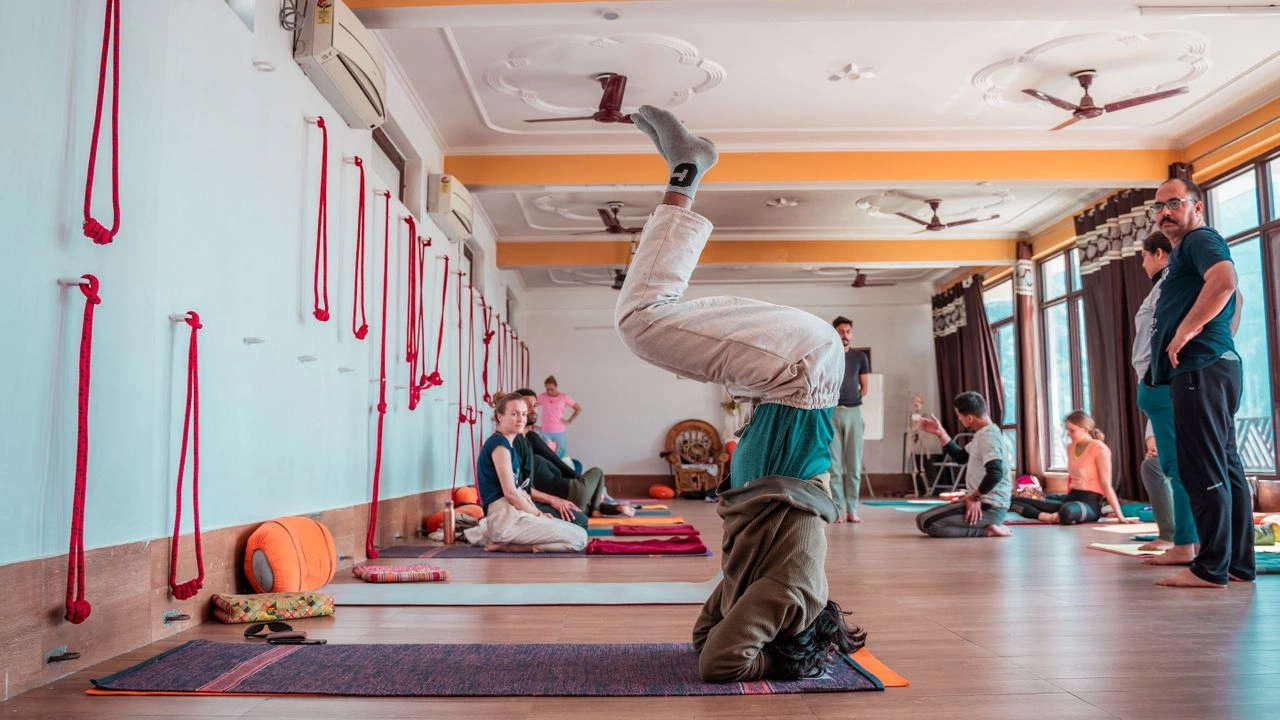
Classes throughout draw on Hatha and Ashtanga, supported by pranayama, an introduction to Ayurvedic food, and sound healing, all under the guidance of Guru Dr. Chintamani Gautam and the academy’s senior teachers, with small enough groups that an instructor can actually walk over and adjust your alignment by hand rather than calling out corrections from the front of the room.
Food, comfort, and care
The accommodation has a simple, ashram-inspired style, but is generally more comfortable than many first-time visitors expect. Rooms are kept clean and cozy, meals are freshly prepared and vegetarian, and the staff manages practical issues so guests can focus on their stay without interruption.
Although the prices are still legitimately affordable, guests describe the experience as more like a health resort than a simple retreat home because of this kind of care, which is difficult to fake and even harder to sustain.
A community that doesn’t end when the retreat does
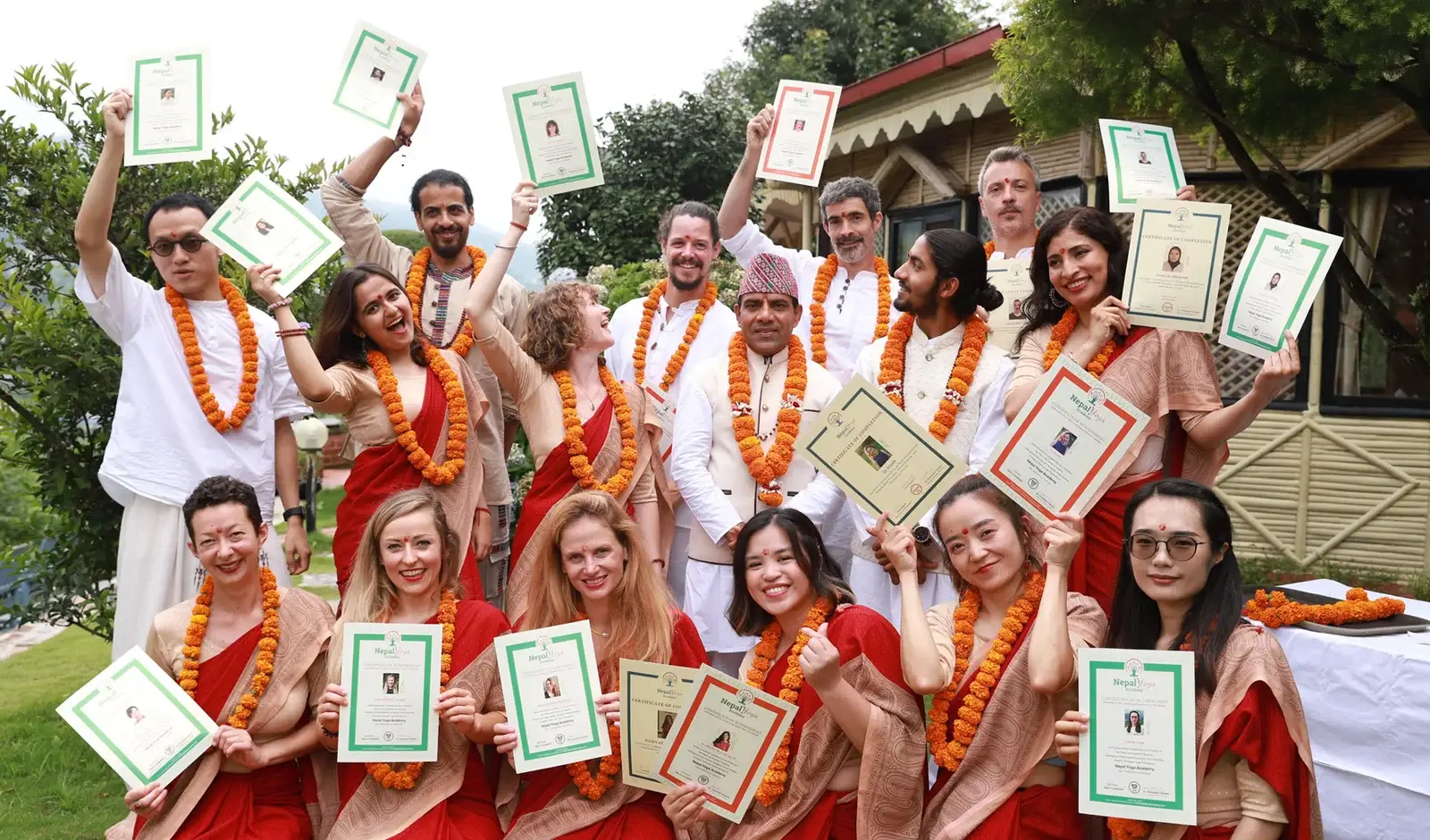
Many guests leave with more than new skills or experiences. The small-group setting encourages people to spend time together both during and outside scheduled activities, and friendships formed during a retreat often continue long after participants return home. Over the years, the academy has welcomed visitors from a wide range of countries, creating an international community connected by a shared experience in the hills above Changu Narayan Temple.
Is a Yoga Retreat in Nepal Worth It?
If you’re hoping someone will hand you a guarantee that a week in the Himalayas will fix everything that’s been weighing on you, no one can honestly offer that. What a retreat can offer is something more modest and, in our experience, more reliable: a week or two where you eat well, move your body every day, sleep properly, and have actual space to think, surrounded by people on a similar path and mountains that don’t ask anything of you except to notice them.
For many people, that turns out to be exactly what they needed, even if they couldn’t have named it before they arrived. The cost is genuinely accessible compared to almost anywhere else offering a similar experience, the logistics are simpler than most people expect, and the only real risk is that you might end up, like plenty of others before you, extending your visa and staying far longer than you originally planned.
We would be happy to assist you whenever you’re ready to see what it looks like for yourself. If you have any concerns regarding programs, dates, or logistics, contact Nepal Yoga Academy. We will assist you in finding the retreat that best suits your current situation rather than where a brochure suggests you should go.