



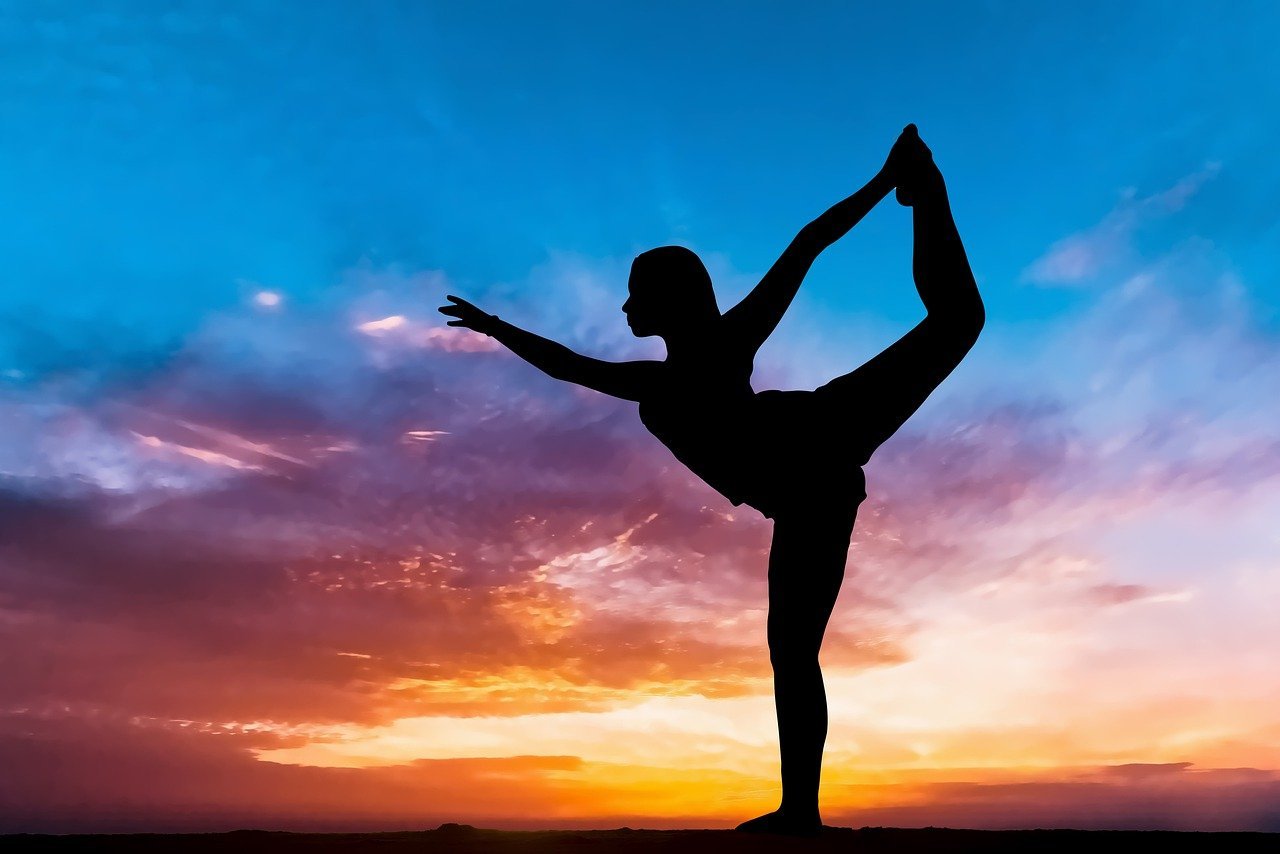
Yoga and Meditation

Somewhere between waking up and going to bed, the day disappears.
You check your phone first thing in the morning. Messages, emails, updates, they’re already waiting. The mind starts running before the body even catches up. And from that moment on, it rarely slows down.
Even during quiet moments, there’s noise. You might have thoughts about work, responsibilities, plans, and worries. You may sit still, but your mind keeps moving.
And over time, that constant movement starts to feel heavy.
Not always in obvious ways. Sometimes it shows up as tiredness you can’t explain. Sometimes, it may be irritation, lack of focus, or simply a feeling that something is missing.
This is exactly where yoga and meditation begin to matter. Not as something complicated. Not as a strict routine. But as a simple way to pause. To breathe. To reconnect.
At first, it may feel unfamiliar. Sitting quietly and paying attention to your breath, and moving slowly instead of rushing. But gradually, something shifts.
You begin to feel lighter. Clearer. More present. And in a world that constantly pulls your attention outward, that simple shift inward can change everything.
Before we jump into the power of yoga and meditation, let’s get a clear picture of how they fit into daily life.
What is Yoga and Meditation?
Yoga is not just about physical postures. And meditation is not about “stopping your thoughts.” At its essence, yoga meditation is about awareness.
Yoga works with the body through movement, posture, and breath. It helps you become aware of how your body feels, how you move, and how you breathe.
Meditation, on the other hand, works with your mind. It teaches you to observe your thoughts without getting caught in them.
When practiced together, they create balance.
You are no longer disconnected. You begin to notice your own breathing. You become aware of your body. Your thoughts slow down. And gradually, you shift from doing everything on autopilot to actually experiencing life.
This is why yoga and meditation are at the heart of many retreats around the world, as they bring you back to yourself.
Why Yoga and Meditation matter more in today’s way of living?
There’s no doubt that the way we live today is very different from how our bodies and minds were designed to function. We sit for long hours, constantly consume information, multitasking, and we rarely pause.
This leads to:
- Mental exhaustion
- Reduced focus
- Increased stress and anxiety
- Physical stiffness and discomfort
Over time, this becomes normal, but it doesn’t have to be. When you start practicing yoga and meditation regularly, it will help you step out of this cycle. It doesn’t mean you stop being busy. It means you stop being overwhelmed by that busyness.
You begin to:
- Think more clearly
- React less impulsively
- Feel more in control of your emotions
- Experience moments of calm, even in a busy day
And that changes everything.
Benefits of Yoga and Meditation
The benefits of yoga and meditation go far beyond what you might expect. They don’t just help you relax, but they help you reset, both physically and mentally.
Yoga and meditation have a significant effect on many aspects of life, from improving mental clarity and emotional stability to improving physical health and flexibility. The main advantages of yoga and meditation, which make them so beneficial to the body and mind, are listed below.
Emotional Stability
Instead of reacting quickly, you start responding calmly. This shift can improve relationships and bring a sense of emotional balance.
Physical Balance and Strength
Your body feels lighter and more flexible. Regular practice strengthens your muscles naturally, eases stiffness, and improves your posture.
Mental Clarity
Meditation helps calm the constant chatter in your mind, so you can think more clearly, make better decisions, and feel less overwhelmed.
Stress Relief
Stress doesn’t disappear instantly, but you learn to handle it differently. Instead of letting it control you, you manage it with greater ease.
Better Sleep and Energy
With a relaxed mind and body, sleep improves naturally. You wake up feeling more refreshed and energized.
Types of Yoga Meditation
You may explore many forms of yoga meditation during your retreat or private sessions. Whatever the type of yoga meditation, each has its own benefits. Some focus on gentle movement and breath, while others emphasize stillness, mindfulness, or deep relaxation.
Mindfulness Meditation
This is simple but is very powerful. This meditation practice teaches you to stay present and observe your thoughts without judgment.
Guided Meditation
If you are a beginner, then this guided meditation is the perfect choice. This will help you relax deeply as you are gently led through the process.
Mantra Meditation
This is beneficial for everyone as repeating a sound or phrase (mantras) creates focus and helps quiet the mind.
Hatha Yoga Meditation
A balanced approach combining gentle postures, breathing, and meditation, which is commonly offered in retreats.
Loving-Kindness (Metta) Meditation
This practice focuses on compassion, helping you develop a deeper connection with yourself and others.
Yoga Poses for Meditation
It’s important that your body feels open, calm, and supported before you settle into quiet. You should not directly jump right into meditation, as it often leads to pain, restlessness, or distraction.
Before starting your yoga and meditation sessions, practice a few basic yoga postures to make sitting comfortably for longer periods easier.
Sukhasana (Easy Pose)
Sukhasana is a simple cross-legged pose that’s great for beginners. It opens the hips, aligns the spine, and provides a stable base so you can sit comfortably and focus on your breath.
Padmasana (Lotus Pose)
Padmasana, or Lotus Pose, is a more advanced cross-legged position. It keeps your spine straight, increases flexibility in the hips and knees, and helps your mind stay calm and focused for longer meditation sessions.
Vajrasana (Thunderbolt Pose)
Vajrasana is a kneeling pose where you sit back on your heels with a straight spine. It helps with digestion, improves posture, and keeps you alert, making it great for meditation after meals.
Balasana (Child’s Pose)
Balasana is a gentle resting pose that stretches your back, hips, and shoulders while calming the mind. It releases tension, reduces stress, and prepares your body for meditation.
Tadasana (Mountain Pose)
Tadasana, or Mountain Pose, is a standing pose that improves balance and grounding. It aligns your spine, strengthens your legs, and brings awareness to your body and breath, helping you focus during meditation.
These poses will help you release tension, improve your posture, and relax your body. This way, you will be more focused during your meditation.
Yoga and Meditation in Daily Life
One of the most important things you can learn on a retreat is how to incorporate yoga and meditation into your everyday life.
Even a few minutes of mindful breathing, gentle movement, or quiet reflection each day can help you stay calm, balanced, and focused.
It doesn’t require hours of practice.
- Begin your morning with a few stretches and deep breaths
- Take short breaks to reset during work
- Spend a few minutes in silence before sleep
- Practice awareness while walking or eating
The Art of Living Yoga and Meditation
The idea behind the art of living yoga and meditation is simple. You don’t have to do much more. All you have to do is carry the practice you did during the yoga and meditation program into your everyday life.
It’s not just about what happens on the mat.
It’s about:
- Staying calm in stressful situations
- Being present in conversations
- Appreciating simple moments
- Living with awareness and intention
Common Challenges (And Why They’re Normal)
Almost everyone faces challenges in the beginning.
You might feel:
- Restless while sitting
- Distracted by thoughts
- Unsure if you’re doing it “right.”
This is completely normal.
Meditation is not about having no thoughts, but it’s about noticing them and gently returning your focus.
Yoga is not about flexibility, but it’s about awareness. The more you practice, the more natural it becomes.
Why choose Nepal to experience better Yoga and Meditation?
There might be doubt about choosing a specific destination for yoga and meditation, since it can be practiced anywhere, right?
Yes, it can. But the environment can deeply influence your experience.
Nepal, a country in the Himalayas, offers something unique. There are mountains in other countries, too, but it’s not about visual attraction. It is all about being emotionally and spiritually connected.
There’s a natural stillness in the surroundings. The mountains, the quiet mornings, and the slower rhythm of life all create a space where you can truly disconnect from distractions.
In such an environment:
- It becomes easier to focus
- You feel more present
- The practice feels deeper and more meaningful
Many people come for a short retreat and leave with a completely different perspective. It’s not just about learning yoga and meditation, but it’s about experiencing them fully.
Final words
Today’s world is not just disturbed but also cruel, constantly demanding your attention, energy, and time. You will be occupied with other work and will not be able to look after yourself. But it all changes with yoga and meditation practices that give you something back. They give you a moment to pause, to breathe, and to be without pressure or expectation.
Yoga and meditation are not just about mastering poses or achieving a perfectly quiet mind, but returning to yourself. Without you realizing it, something shifts within you.
And yes, life may not get easier, but it starts to become clearer. You will start responding calmly rather than reacting in the moment. You will become calmer and slow down without losing your pace. You find calm, not because the world around you is quiet, but because something within you is steady.
That is the real value of yoga and meditation. It’s not a quick fix. It’s not a one-time experience; it’s a quiet, ongoing journey.
So, wherever you are right now, that’s enough.
Take a breath. Start there.
And let that be the beginning.
