



Introduction
Surya Namaskara, also known in English as Sun Salutation (literally meaning – salute to the sun) is a well-known sequence of asanas.
These series of movements and asanas can be practiced with varying levels of awareness, ranging from physical exercise to complete sadhana, which incorporates asana, breathing, and mantra.
Without the Sun, there would be no life on Earth. The Sun is the essential source on the planet that provides vital life energy for all living beings. It is believed that the practice of Surya Namaskar helps us receive solar energy directly from the sun.
Sun salutation is an ancient yogic technique, a sequence of twelve different poses practiced to express respect or gratitude to the sun and connect with its energy. In Surya Namaskar, each step is performed with synchronized breathing, and chanting the mantras. The combination of backward and forward bending postures stretches, strengthens, and energizes the whole body and activates the spine’s full range of motion.
Often, after a hard day’s work, we just flop down on the couch “apparently” relaxing our bodies – but in reality not rejuvenating them. The stagnant energies remain locked up and the organs remain de-oxygenated to a large extent. Surya Namaskara has a profound effect on detoxifying the organs through copious oxygenation, and it has a deeper relaxing effect.
Simply knowing what Surya Namaskar is and how to do it is not enough. It is equally important to understand the principle of practice, science behind this ancient tradition, limitations, and risk factors. Because a deeper awareness cultivates the right attitude and reverence towards this sacred and powerful transformative yogic discipline.
Why start the day with Surya Namaskara?
Surya Namaskara is a set of twelve postures, preferably to be performed at sunrise. The regular practice of Surya Namaskara improves blood circulation throughout the body, maintains health, and helps one remain disease-free. There are numerous benefits from the practice for the heart, liver, intestine, stomach, chest, throat and legs. From head to toe, every part of the body is greatly benefitted by incorporating this routine into your daily life, which is why it is highly recommended by all yoga experts.
These postures can be used as a link between warm-ups and asanas and can be performed at any time on an empty stomach. However, morning time is considered to be the best for practicing Surya Namaskara as it revitalizes the body and refreshes the mind, preparing us to take on all tasks of the day. If performed in the afternoon, it energizes the body instantly and if practiced at dusk, it helps you unwind. When performed at a fast pace, Surya Namaskara is an excellent cardiovascular workout and a good way to lose weight.
Prayer to the Sun
Chanted prior to Surya Namaskar practice
ॐ यहि सूर्य सहस्रांशो तेजो राशे जगत्पते ।
अनुकम्पय मां भक्त्या गृहाणार्घ्यं दिवाकर ॥
Om yahi sūrya sahasrāmśo tejo rāśe jagatpate,
Anukampaya māṁ bhaktyā gṛhāṇārghyaṁ Divākara.
Step by Step
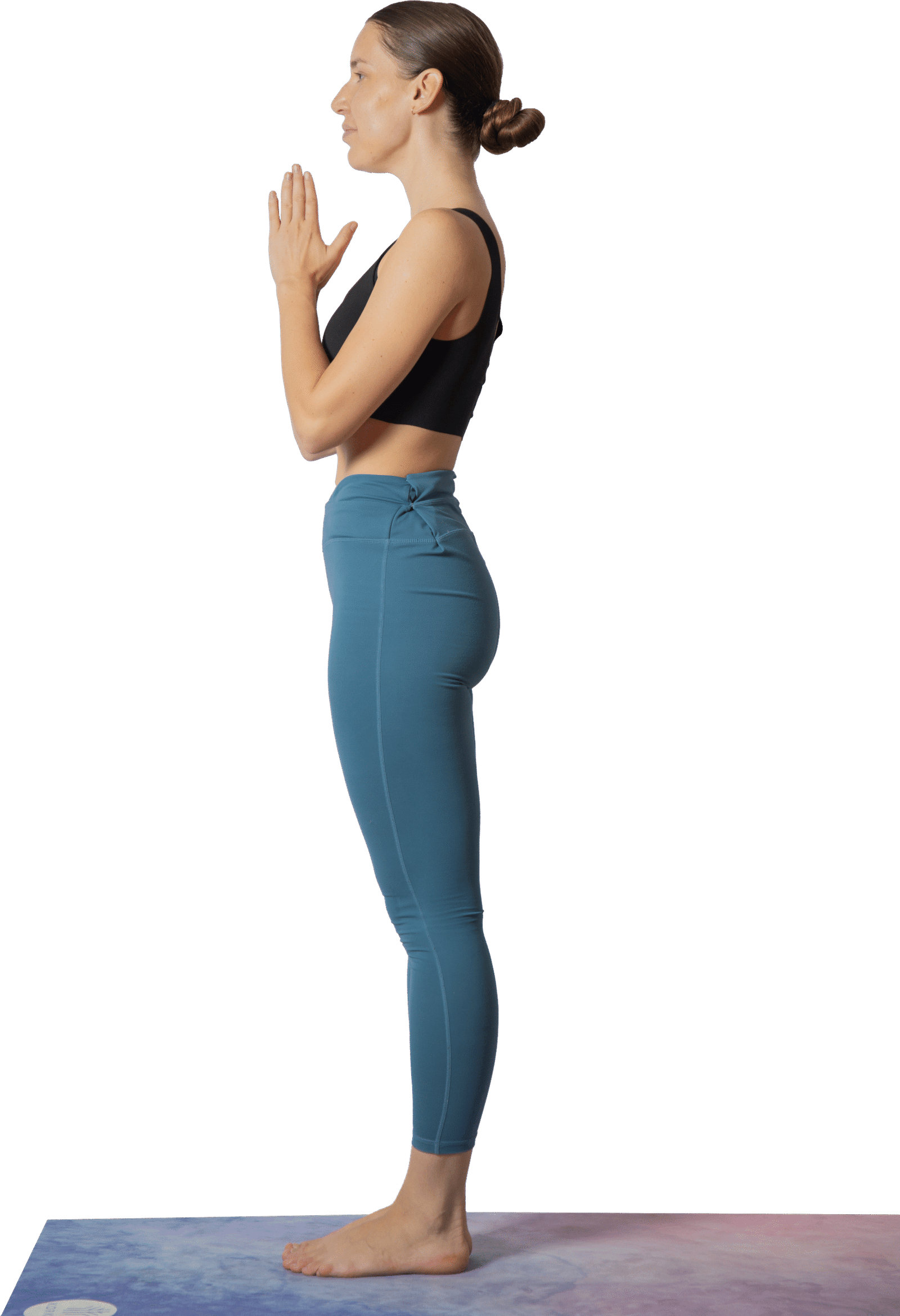
Step 1. Pranamasana (Prayer Pose)
Sanskrit Name: प्रणामासन / Praṇāmāsana
Pronunciation Guide: pra-nā-mā-sun
English Name: Prayer Pose
Mantra: ॐ मित्राय नमः / Om Mitrāya Namaḥ
Pronunciation Guide: om-mit-rā-ya-na-ma-ha
Breath:
- Inhaling, arms above the head
- Exhaling, lower to the chest
- Stand on the top of the mat with feet together in an upright position. Hands by the sides of your hips.
- Inhaling, raise arms above the head from the sides of the body. Join the palms together.
- Exhaling lower the palms in front of the chest in Namaskar mudra.
Tips:
- Concentrate on standing straight, steady and in a prayerful attitude.
- Bring relaxation in the body and calm in the mind.
- Imagine you are connected to the rising sun and receiving energy from.
Step 2. Hastottanasana (Raised Arms Pose)
Sanskrit Name: हस्तोत्तानासन / Hastottānāsana
Pronunciation Guide: hus-tot-tā-nā-sun
English Name: Raised Arms Pose
Mantra: ॐ रवये नमः / Om Ravaye Namaḥ
Pronunciation Guide: om-ra-va-ye-na-ma-ha
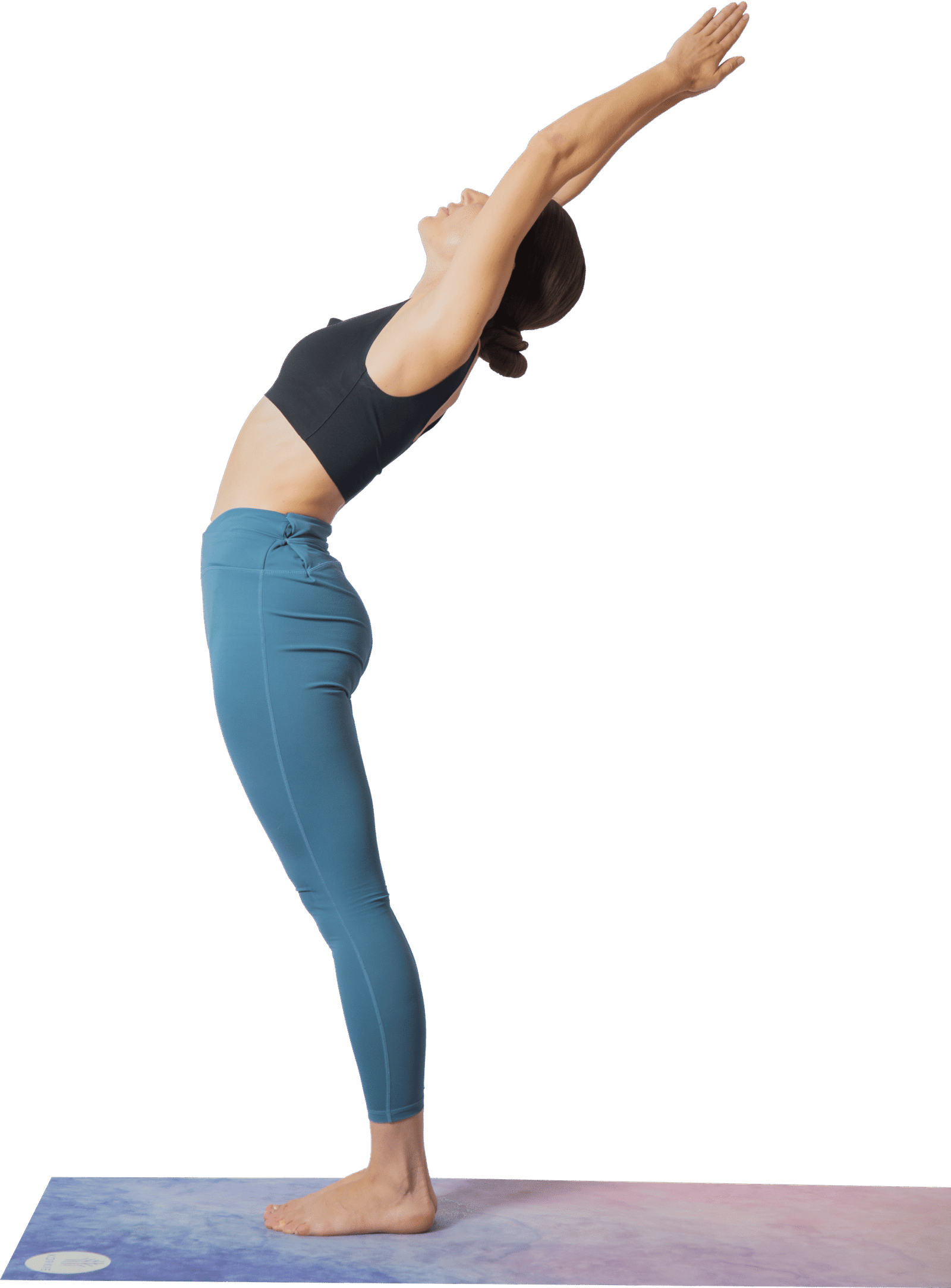
Breath: Inhaling
- Inhaling, raise your arms above the head, keeping palms together or facing them upward. Elongate the spine and gently arch backward.
Tips:
- Engage the glutes while bending backward to support the lower back.
- Elongate the spine to create space to bend backward easily and safely.
Step 3. Padahastasana (Hand to Foot Pose)
Sanskrit Name: पादहस्तासन / Pādahastāsana
Pronunciation Guide: pā-da-hus-tā-sun
English Name: Hand to Foot Pose
Mantra: ॐ सूर्याय नमः / Om Sūryāya Namaḥ
Pronunciation Guide: om-soo-ryā-ya-na-ma-ha
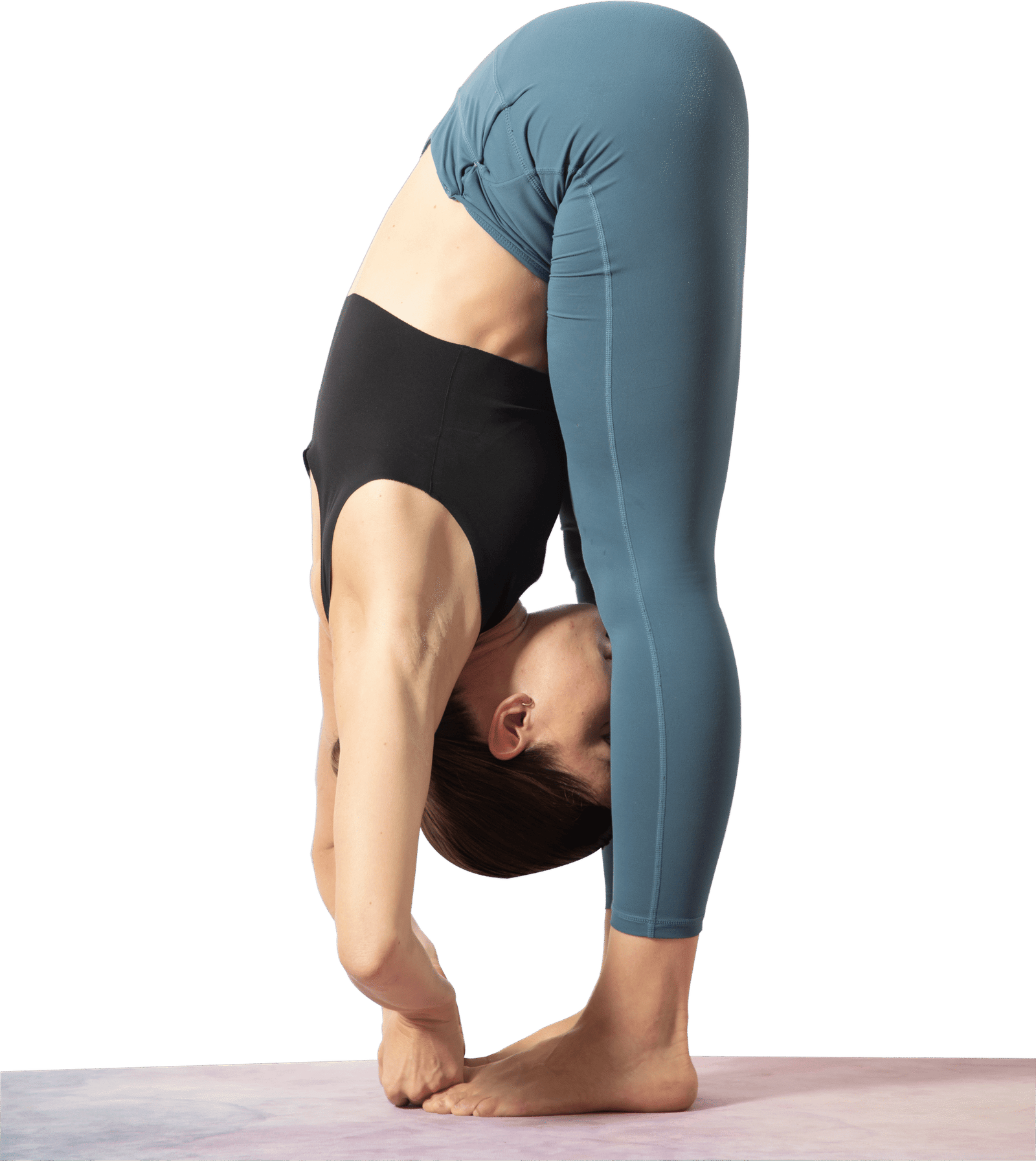
Breath: Exhaling
- Exhaling, bend forward from hips, elongate the spine. Palms besides the feet and bring the head close to the knees or shins.
Tips:
- Slightly open the chest before you elongate the spine to avoid excessive hunching.
- Microbend the knees, If you feel a tight hamstring.
Step 4. Ashwa Sanchalanasana (Equestrian Pose)
Sanskrit Name: अश्वसंचालनासन / Aśvasañchālanāsana
Pronunciation Guide: aś-va-sun-chā-la-nā-sun
English Name: Equestrian Pose
Mantra: ॐ भानवे नमः / Om Bhānave Namaḥ
Pronunciation Guide: om-bhā-na-ve-na-ma-ḥ
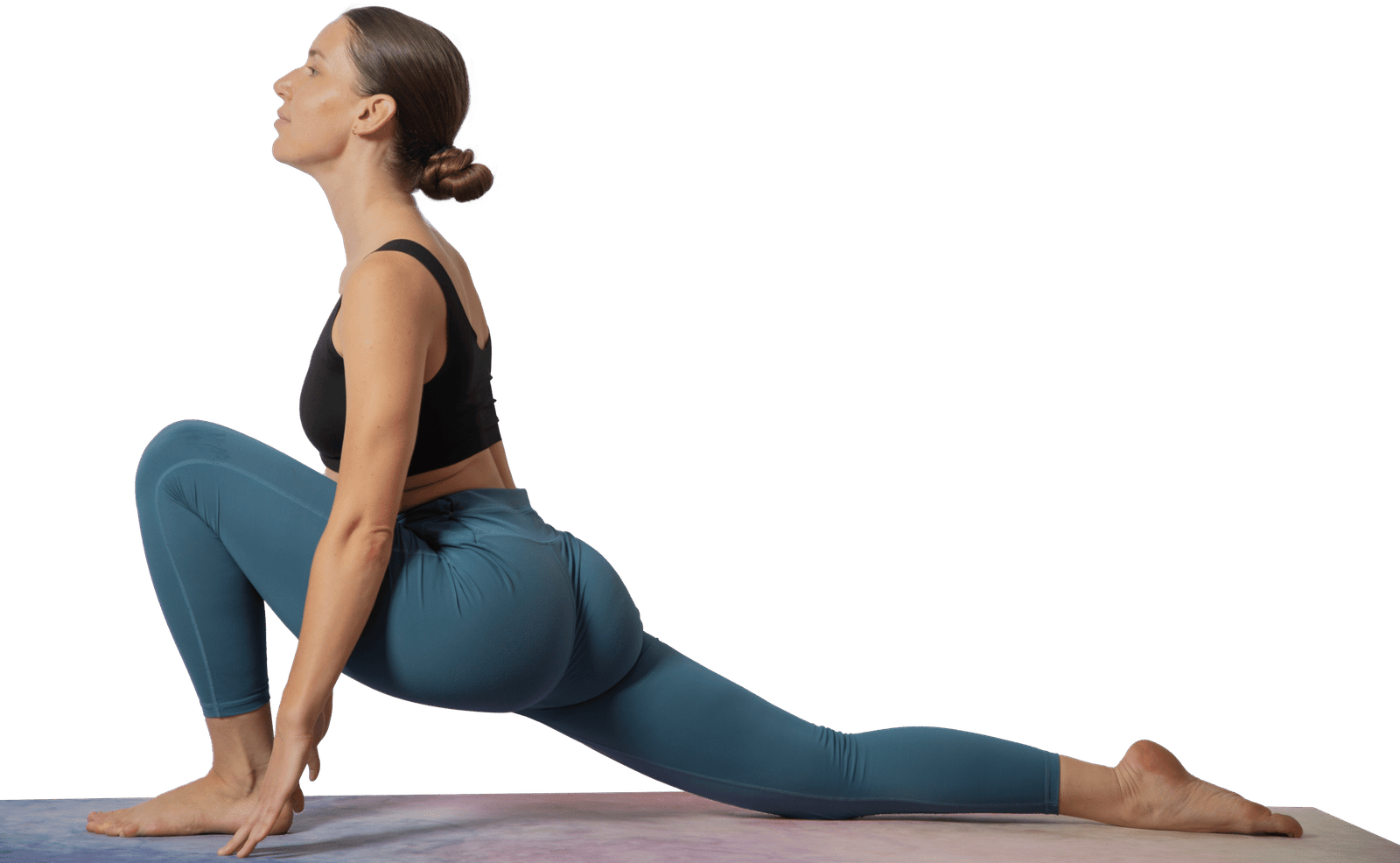
Breath: Inhaling
- Inhaling, bring the right leg back, place the knee and top of the foot on the floor.
- Keep your left foot flat on the floor in between the palms; keeping knee and ankle in alignment.
- Rolling the shoulders back, open the chest and gently arch your back.
Tips:
- Keep the front knee in alignment with the hip to avoid overstretching.
- Keep the palms or fingertips on the floor to avoid overstretching.
- Arch your entire back instead of lower back.
Step 5. Parvatasana (Mountain Pose)
Sanskrit Name: पर्वतासन / Parvatāsana
Pronunciation Guide: par-va-tā-sun
English Name: Mountain Pose
Mantra: ॐ खगाय नमः / Om Khagāya Namaḥ
Pronunciation Guide: om-kha-gā-ya-na-ma-ḥ
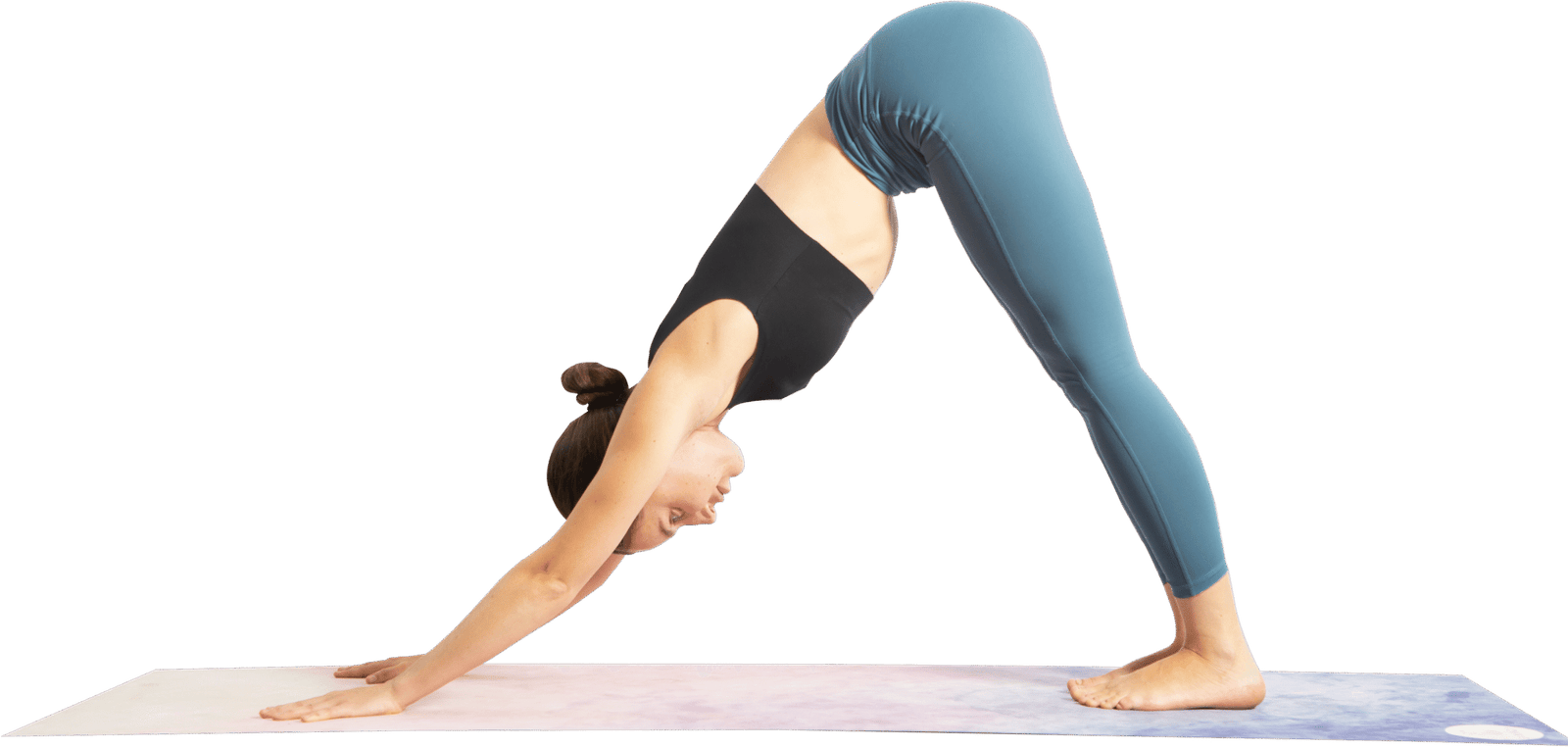
Breath: Exhaling
- Exhaling, bring the left foot back to the right foot, keeping them together.
- Elongate the spine and stretch the legs. Place the heels on the floor.
- Keep arms, neck, and spine in alignment. pressing palms and feet against the floor, lift the buttocks as high as possible.
Tips:
- If you feel a tight hamstring, microbend the knees to allow the spine to lengthen.
- Or separate the feet to hips-width apart for comfort and stability.
Step 6. Ashtanga Namaskarasana (Salute with Eight Parts)
Sanskrit Name: अष्टाङ्गनमस्कारासन / Aṣṭāṅganamaskārāsana
Pronunciation Guide: aṣ-ṭān-ga-na-mas-kā-rā-sun
English Name: Eight-Limbed Pose
Mantra: ॐ पुष्णे नमः / Om Puṣṇe Namaḥ
Pronunciation Guide: om-puṣ-ṇe-na-ma-ḥ
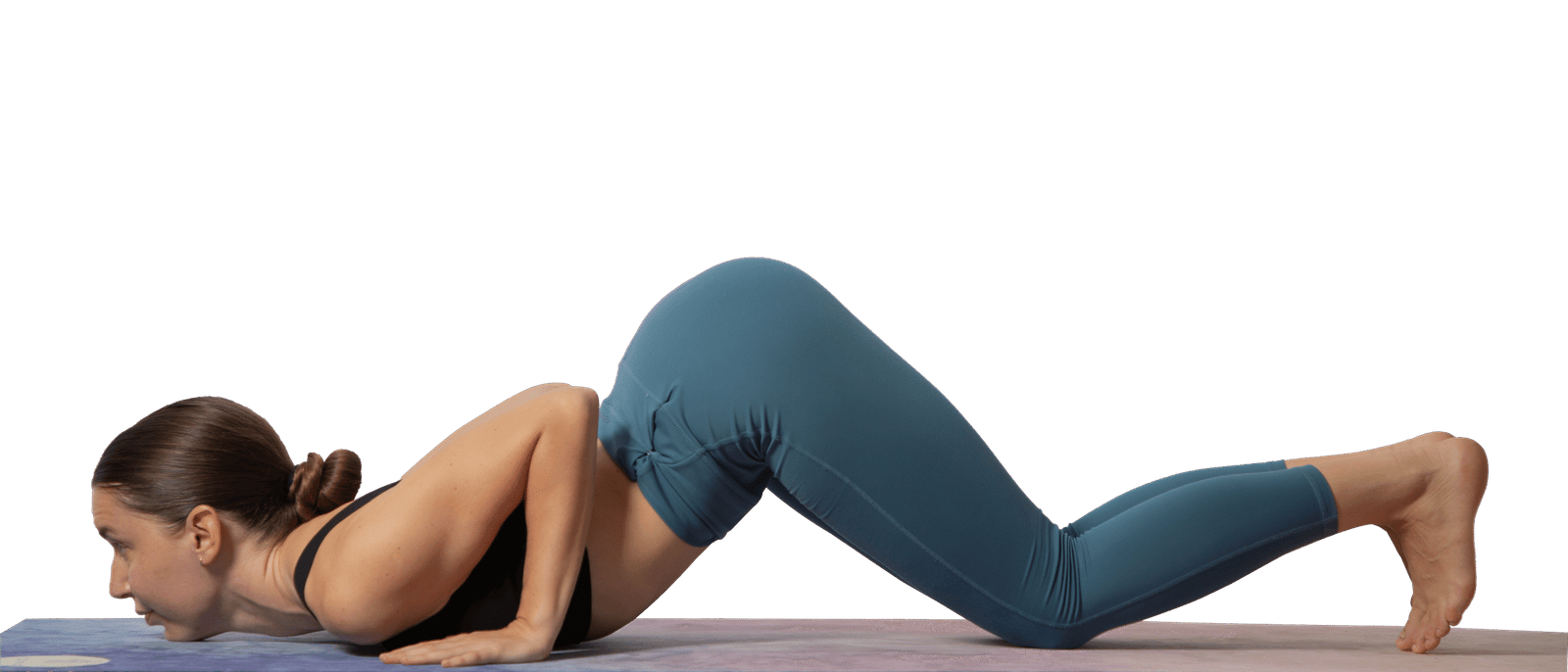
Breath: Holding the Breath Outside
- Holding the breath outside, drop both knees, chest and chin on the floor. Tuck the toes, keeping heels together. Bring elbows closer to the body and gently arch the back.
Tips:
- Focus on creating an arch on the upper back.
Step 7. Bhujangasana (Cobra Pose)
Sanskrit Name: भुजङ्गासन / Bhujangāsana
Pronunciation Guide: bhu-jun-gā-sun
English Name: Cobra Pose
Mantra: ॐ हिरण्यगर्भाय नमः / Om Hiraṇyagarbhāya Namaḥ
Pronunciation Guide: om-hi-run-ya-gar-bhā-ya-na-ma-ḥ
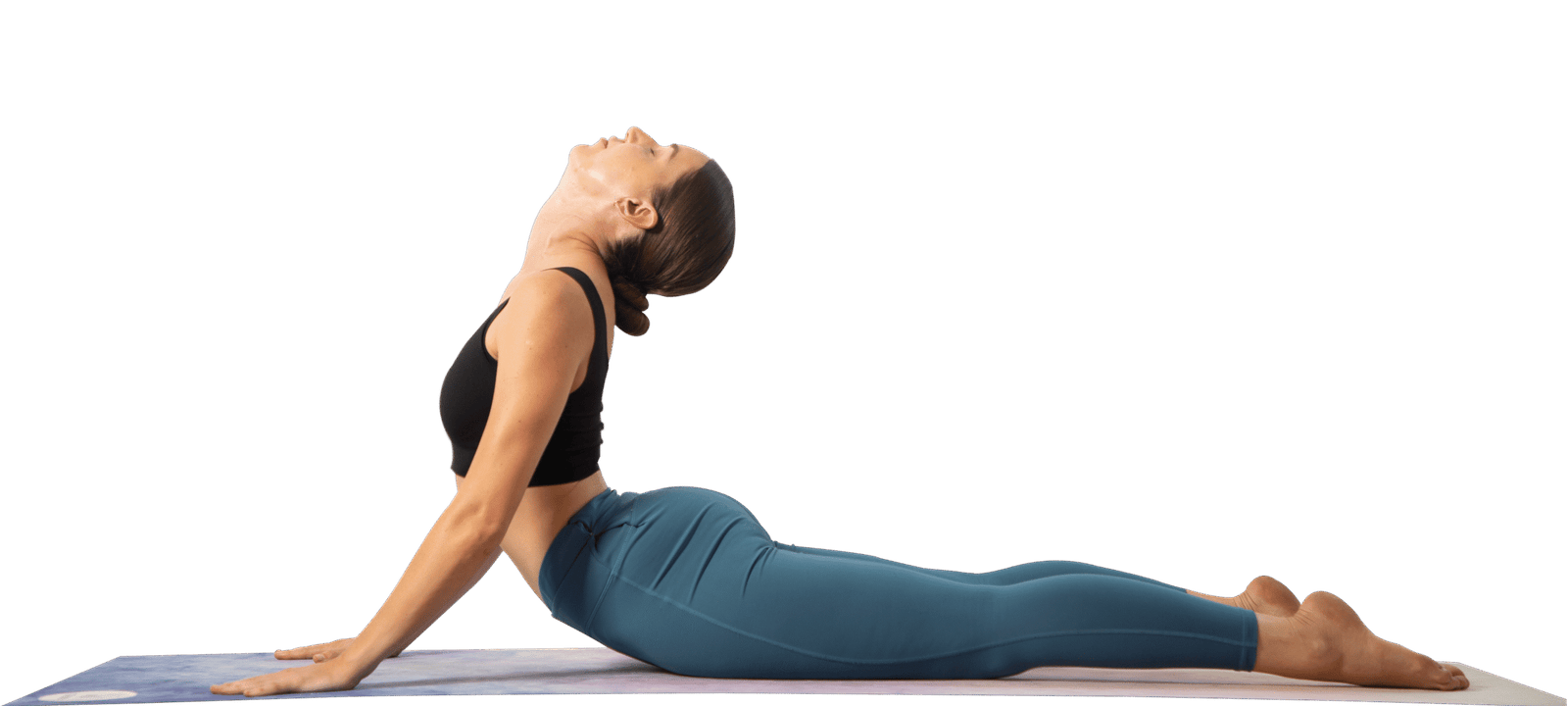
Breath: Inhaling
- Inhaling, pushing the chest forward lower the hips down. Straighten the arms until the spine is fully arched and the head is facing up. Relax the neck.
- Roll the shoulders backward, open the chest and arch the back farther
Tips:
- Activate the glute muscles to take pressure off the lower back if you feel pain.
- Relax the glute muscles to allow the back to arch farther.
Step 8. Parvatasana (Mountain Pose)
Sanskrit Name: पर्वतासन / Parvatāsana
Pronunciation Guide: par-va-tā-sun
English Name: Mountain Pose
Mantra: ॐ मरीचये नमः / Om Marīchaye Namaḥ
Pronunciation Guide: om-ma-rī-cha-ye-na-ma-ḥ
Breath: Exhaling
- Exhaling, lower the torso, place the feet on the floor and lift your hips while lowering your head toward the ground. Place your feet flat on the ground and raise the hips. This is a repetition of step five.
Step 9. Ashwa Sanchalanasana (Equestrian Pose)
Sanskrit Name: अश्वसंचालनासन / Aśvasañchālanāsana
Pronunciation Guide: aś-va-sun-chā-la-nā-sun
English Name: Equestrian Pose
Mantra: ॐ आदित्याय नमः / Om Ādityāya Namaḥ
Pronunciation Guide: om-ā-di-tyā-ya-na-ma-ḥ
Breath: Inhaling
- Inhaling, swing the right leg forward between the hands. The left leg remains back. This is a repetition of step four.
Step 10. Padahastasana (Hand to Foot Pose)
Sanskrit Name: पादहस्तासन / Pādahastāsana
Pronunciation Guide: pā-da-hus-tā-sun
English Name: Hand to Foot Pose
Mantra: ॐ सवित्रे नमः / Om Savitre Namaḥ
Pronunciation Guide: om-sa-vi-tre-na-ma-ḥ
Breath: Exhaling
- Exhaling, bring the left foot forward. Join both legs and straighten them. This is a repetition of step three.
Step 11. Hastauttanasana (Raised Arm Pose)
Sanskrit Name: हस्तोत्तानासन / Hastottānāsana
Pronunciation Guide: hus-tot-tā-nā-sun
English Name: Raised Arms Pose
Mantra: ॐ अर्काय नमः / Om Arkāya Namaḥ
Pronunciation Guide: om-ar-kā-ya-na-ma-ḥ
Breath: Inhaling
- Inhaling, raise the torso up and slightly bend backward. This is a repetition of step two.
Step 12. Pranamasana (Prayer Pose)
Sanskrit Name: प्रणामासन / Praṇāmāsana
Pronunciation Guide: pra-nā-mā-sun
English Name: Prayer Pose
Mantra: ॐ भास्कराय नमः / Om Bhāskarāya Namaḥ
Pronunciation Guide: om-bhās-ka-rā-ya-na-ma-ḥ
Breath: Exhaling
- Straighten the body and bring the hands in front of the chest. This is a repetition of step one.
Inhaling, raise the arms and exhaling lower them from the sides of the body to come to the starting position and relax.
Video tutorial
Precautions & Benefits
Benefits of Surya Namaskara
- Tones up the digestive system by the alternate stretching and compression of the abdominal organs.
- Activates digestion and gets rid of constipation and dyspepsia.
- Strengthens the abdominal muscles.
- Thoroughly ventilates the lungs and oxygenates the blood.
- Acts as a detoxifying agent, by getting rid of enormous quantities of carbon dioxide and other toxic gases.
- Promotes sleep and calms anxiety.
- Tones up the nervous system and improves memory.
- Normalizes the activity of the endocrine glands – especially the thyroid gland.
- Refreshes the skin. Prevents skin disorders.
- Improves muscle flexibility.
- In women: stimulates the breasts to help firmness, restores any lost elasticity, through stimulation of the glands and strengthening of the pectoral muscles.
- Helps in cases of menstrual irregularity and assists in easy childbirth.
- Prevents hair loss and greying.
- Helps to reduce fat.
- Reduces abnormal prominence of Adam’s apple.
- Eliminates unpleasant smells from the body.
- Lends grace and ease of movement to the body.
- Revives and maintains the spirit of youthfulness.
- Broadens the chest and beautifies the arms.
- Makes the spine and waist flexible.
- Increases health, strength, efficiency, and longevity.
Precautions for Surya Namaskara
- Pregnant women should not practice this after the third month of pregnancy.
- Those with hernia and high blood pressure are warned against this practice.
- People suffering from back conditions should seek professional advice before commencing Surya Namaskara.
- Women should avoid Surya Namaskara during menstruation.
Postural Effects on the Body Systems
Musculoskeletal System:
- Strengthens paraspinal muscles and erector spinae which improves posture.
- Strengthens important supportive muscles. Such as: triceps, deltoids, scapular stabilizers and pectorals.
- Activates core muscles which support spine and improves balance.
- Rhythmic forward and backward bends increase flexibility in the spinal area, also enhance range of motion.
Nervous System:
- Stimulates the parasympathetic nervous system that promotes relaxation.
Cardiovascular System:
- Increases venous return while doing semi-inverted postures like, Padahastasana, Uttanasana that help the heart pump more blood.
Respiratory System:
- Forward and backward bends expand the thoracic cavity i.e. Bhujangasana (Cobra Pose) that opens the chest and improves airflow.
Digestive and Abdominal Organs:
Many steps create both compression and elongation of the abdominal cavity which enhances peristalsis and blood flow in the digestive organs, resulting in improved digestion.
Surya Namaskar has become an essential part among the yoga practitioners. It is a holistic practice that maintains sound health of the body by stretching, strengthening, and energizing the entire body. It enhances digestive function, respiratory, and cardiovascular system. It maintains balance between hormonal and nervous systems and cultivates mental clarity and spiritual awareness.
By allowing breath and movement to work in perfect harmony, Surya Namaskar naturally opens the door to exploring pranayama techniques for those looking to deepen their journey. In Nepal, where ancient yogic wisdom is taught in its purest form, it is a fundamental practice that is frequently highlighted in yoga teacher training courses. It is also essential to many yoga retreats and workshops, providing practitioners with a potent yet approachable means of reestablishing a connection with their inner selves, bodies, and breath.
Follow Nepal Yoga Academy.
