



General Rules: Tips for Performing Pranayama
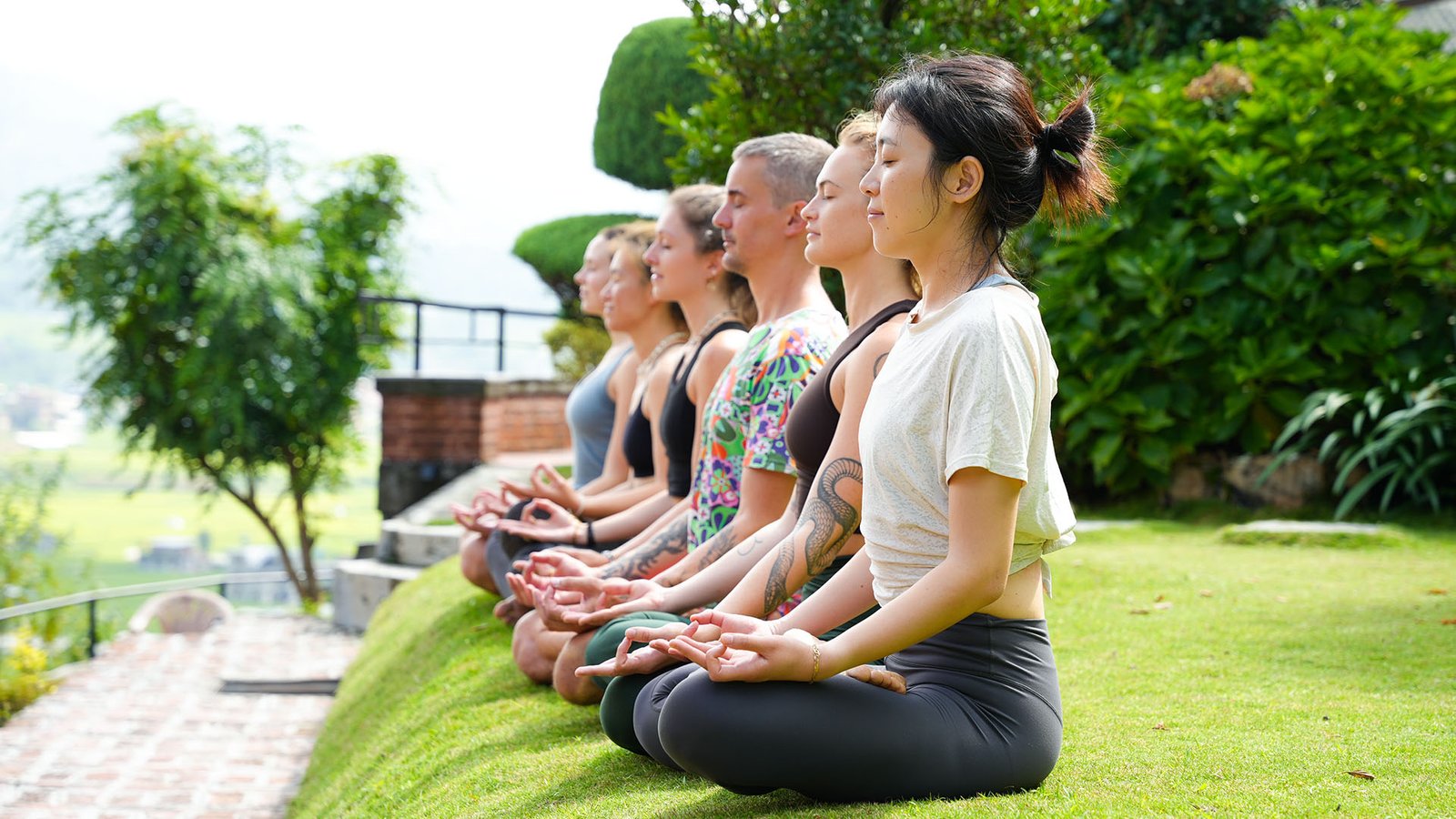
Following a few easy techniques makes pranayama practice simpler and more enjoyable. Begin by locating a quiet place where you may sit comfortably with your back straight. Good posture allows your lungs to expand completely and promotes smooth, steady breathing.
Begin with gentle, quiet breaths, and never force an inhalation or exhalation. Your breathing should be smooth and natural. Practice on an empty stomach, ideally in the morning when your mind is fresh and clear. If you feel dizzy or uncomfortable, halt and resume regular breathing. Consistency is more crucial than intensity, so begin with a few minutes and gradually increase the duration as your body adjusts.
Instead of striving for perfection, focus on awareness. Allow yourself to relax while paying attention to how your breath goes through your body. Pranayama, with constant practice, builds a calming habit that leaves you feeling clearer, more energetic, and more balanced.
Pranayama Preparation
- It is best to be experienced and skilled in asanas before mastering pranayama. This is because practicing various asanas increases the elasticity of the lungs and flexibility of the intercostal (rib) muscles, by opening and compressing the chest area. This allows the lungs to expand further and fill with air more smoothly and effectively. Practice relevant asanas to prepare the intercostal muscles, pelvic floor, and thoracic diaphragm for pranayama.
- In traditional philosophy, it is recommended to do pranayama in a place with a lamp of ghee, which purifies the environment.
- The cushioning to sit on during pranayama should be comfortable and organic (if possible). Good choices include cotton cushion/organic yoga mat/blanket/kusa-mat (grass mat).
- Pranayama should always be done in a quiet place. Noise creates distractions, and makes the practice less effective.
- The best time to practice is early morning before sunrise. During this time, there is often less air pollution and the body and mind are recovered from a whole night of sleep. Another good time to practice is during or after sunset when the air/environment is cool and comfortable.
- Empty the bladder and bowels before practicing pranayama. If constipated, you can still practice carefully because the muscles and membranes of the intestines are sufficiently strong. When practicing in the morning, drinking water and washing the eyes with water beforehand improves the removal of toxins from the body during pranayama.
Performing Pranayama
- Always sit straight neck and spine erect and in alignment during pranayama. Relax the whole body, especially the face, head, and neck, which makes the practice easier and more effective.
- Breathing should always be through the nose, and not the mouth, unless otherwise stated (e.g. Sheetali and Sheetkari).
- While inhaling, expand chest upward and outward, lengthening the spine. Do not raise the shoulders or allow your torso to tilt forward, backward, or to either side, which will prevent the lungs from expanding fully and will put excess tension on the neck and throat. The breath should begin expanding from the navel and sides of the lower abdomen (below the ribcage).
- The breath taken into the body is absorbed by the cells of the body. Try to feel the sensations from the breath throughout the body.
- While holding the breath in, keep the chest up and spine lengthened.
- While exhaling, allow the breath to come out steadily and smoothly under control, keeping the spine and neck erect and upright, and the ribcage lifted. Do not contract the chest or abdomen or slouch.
- Pay close attention to the rhythmic pattern of the breath.
- During pranayama, the posture you sit in should be as comfortable as possible.
- Do not clench or jerk the diaphragm. Breathe should be smooth and controlled the entire time.
- If there is any jerking/skipping in the flow of the inhalation or exhalation, this is a sign of loss of concentration.
- If you feel tired, do some light exercises before or during pranayama to reduce fatigue and stiffness. Lie in shavasana after pranayama to release tension from the body and mind.
- Always perform pranayama with patience, caution, and mindfulness.
