
Yoga Teacher Training with Retreat
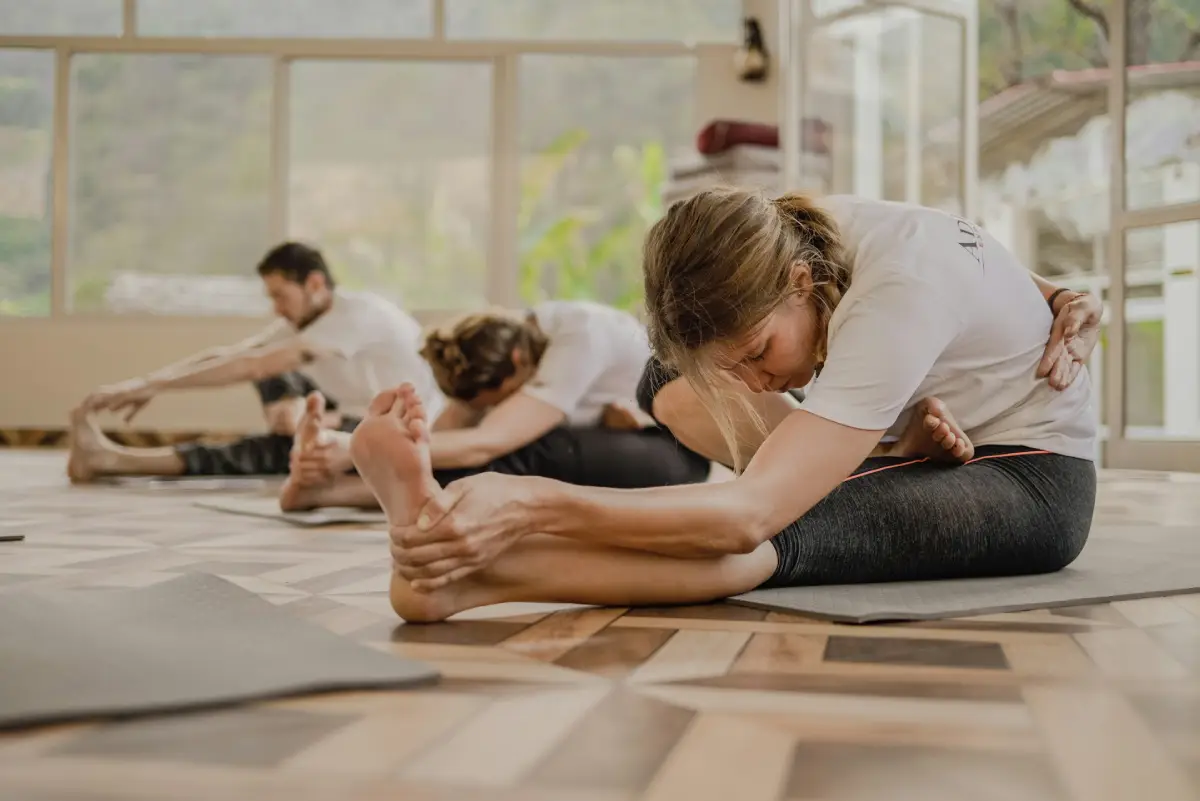
Yoga teacher training is no longer only for people who want to become professional yoga instructors. Today, many are seeking balance, clarity, and peace of mind amid stress, burnout,
emotional fatigue, and constant digital distractions. This growing need for well-being is one of the main reasons yoga has shifted from being just physical exercise to a way of living. When
combined with a retreat experience, yoga teacher training with retreat becomes more than a certification course, it becomes an opportunity for personal transformation.
A retreat environment also removes many of the distractions of everyday life. There are fewer external pressures, less screen time, and more time for reflection. Over time, this allows you to
build discipline naturally, without force, and to understand yoga as a lifestyle rather than just a physical exercise. You begin to experience yoga as something that influences how you think,
eat, rest, and relate to others.
There is no doubt that this approach is the most powerful as it combines learning, practice, rest, and reflection into a single process. Everything works together without separating in daily
life. This helps people develop a deeper and more meaningful understanding over time.
What Is Yoga Teacher Training with a Retreat?
Yoga teacher training (YTT) is a structured program designed to take practitioners beyond the physical postures and into the philosophical, anatomical, and pedagogical depths of yoga.
When combined with a retreat setting, particularly one nestled in a spiritually charged location such as Nepal, the experience becomes far more immersive and profound.
A yoga teacher training retreat is more than a vacation or a short yoga class. It combines yoga instruction with the calming, relaxing experience of a wellness retreat. Students can take a
break from daily stress, focus on personal growth, and fully experience the yogic lifestyle.
What to Expect from the Yoga Teacher Training with Retreat?
Asana (Posture Practice and Alignment)
Here, you will dedicate roughly 80–90 contact hours. This includes daily practice sessions and separate technical study of individual postures, their anatomical mechanics, common
misalignments, safe entry and exit points, and how to sequence them logically for different populations.
You will learn multiple styles:
- Hatha yoga: The foundational classical approach.
- Ashtanga Vinyasa: A set sequence that builds strength, flexibility, and breath coordination.
- Yin yoga: Long-hold, passive postures that target connective tissue.
By the end, you can teach confidently in each style and explain to a student why you have chosen a particular approach for a particular class.
Yoga Philosophy and Classical Texts
Yoga Philosophy and Classical Texts require approximately 30 contact hours. These teachings are not just for spiritual people. Learning yoga philosophy helps you become a better teacher, explain yoga more clearly to students, and improve your own practice. A teacher who only knows yoga poses is like a music teacher who teaches notes without understanding the meaning of music.
You will study the primary texts:
- The Yoga Sutras of Patanjali: 196 aphorisms on the nature of mind and the path to liberation.
- The Bhagavad Gita: The dialogue between Arjuna and Krishna on duty, action, and self-knowledge.
- The Hatha Yoga Pradipika: A 15th-century manual on physical yoga practices.
Pranayama (Breathing Techniques)
Pranayama translates roughly as “control of life force”. You will learn a set of structured breathing practices that form a core part of classical yoga.
You will learn six to eight techniques in depth:
- Nadi Shodhana: Alternate nostril breathing, used to balance the nervous system.
- Kapalabhati: Rapid diaphragmatic pumping is used both as a cleansing practice and as an energizer.
- Ujjayi: The ocean-sounding breath used in dynamic yoga.
- Bhramari: Humming breath, strongly connected to calming the nervous system.
- Kumbhaka: Breath retention, the most advanced pranayama practice.
The physiology of breathing is taught alongside the techniques that help you understand how different breathing patterns affect the body and the nervous system. If you want to be a
yoga teacher, this is extremely valuable because it helps you understand which techniques increase energy and promote relaxation, and why they work.
Meditation and Yogic Practices
Meditation and Yogic Practice sessions are an important part of the training.
Here, you will get to explore different meditation techniques:
- Dharana: Concentration practices, including Trataka, sustained gazing at a candle flame.
- Dhyana: Open-awareness meditation.
- Mantra-based practice.
- Yoga Nidra: A guided practice that induces a state between waking and sleep, shown in research to be measurably restorative for the nervous system.
The goal is not to master meditation in four weeks. The goal is to establish a personal practice, understand the differences among techniques, and guide you through each one.
Anatomy and Physiology
This part of the training covers both Western (modern) anatomy and traditional Yogic anatomy.
The western anatomy focuses on major muscle groups, joint movement, skeletal structure, fascia, connective tissue, and the nervous system, along with how these relate to yoga postures and injury prevention.
The traditional yogic anatomy focuses on the chakra system, nadis (energy channels in the body), the five koshas (layers of human existence), and the prana vayus, which describe different flows of energy within the body.
Both frameworks are genuinely useful, and if you understand both, then you can communicate with a much wider range of students.
Teaching Methodology and Practicum
This is where theory becomes practice. You will learn how to design a complete yoga class, including warm-up, peak poses, cool-down, and savasana, while understanding how to sequence postures safely for a specific purpose or outcome. The training also covers effective communication, voice guidance, safe physical adjustments, and ways to adapt classes for beginners, seniors, pregnant women, and students with injuries.
During the final week, you will take part in practical teaching sessions, guiding full 60- minute classes for your fellow trainees while receiving feedback from instructors. You may feel nervous before teaching, but don’t worry, you will quickly gain confidence and feel more comfortable after a few sessions.
The Retreat Experience: More Than Just Accommodation
A yoga retreat gives you the space to slow down, learn, and grow without the distractions of everyday life. Being surrounded by a peaceful, yoga-focused environment makes it easier to stay consistent with your practice and fully enjoy the training journey. Simple daily routines, nourishing food, and supportive people around you all come together to create a meaningful and life-changing experience.
Daily Schedule and Structure
You’ll follow a clear and balanced schedule with time for practice, rest, reflection, and connecting with other students. A typical day during the training may include:
- 6:00 AM — Meditation and pranayama
- 7:30 AM — Hatha or Ashtanga yoga practice
- 9:30 AM — Healthy sattvic breakfast
- 10:30 AM — Yoga philosophy or anatomy class
- 12:30 PM — Lunch and rest/self-study
- 2:00 PM — Teaching practice and workshops
- 4:00 PM — Afternoon yoga or restorative session
- 6:00 PM — Kirtan, chanting, or Yoga Nidra
- 7:30 PM — Dinner and free time
Sattvic Nutrition and Ayurvedic Meals
You will be served with fresh, plant-based sattvic meals prepared to support yoga practice and overall well-being. Inspired by Ayurvedic principles, the food is simple, nourishing, and easy to digest. You, along with other students, will notice positive changes in your energy, focus, and eating habits during the training.
Who is this training for?
One of the most common questions that crosses the mind is whether you need to be an advanced yoga practitioner before joining a teacher training course.
The answer is no.
You do not need to be highly flexible or experienced to begin. What matters most is your openness to learn, commitment to practice, and willingness to grow.
This training may be right for you if you are:
- Looking to deepen your personal yoga practice
- Interested in becoming a yoga teacher
- New to yoga but feeling strongly connected to the practice
- Working in health, wellness, or healing professions and want to include yoga in your work
- Going through a life transition and seeking clarity or balance
- Feeling stressed or burned out and looking for a meaningful reset
- Drawn to the spiritual culture and traditions of Nepal
The retreat environment helps you stay focused, away from daily distractions, and fully connected to your learning and personal journey.
Yoga Teacher Training and Retreat Programs
100-Hour Yoga Teacher Training
This short introductory program, usually around 12 days, teaches the basics of yoga, including asana, pranayama, meditation, and yoga philosophy. It’s a good option for anyone who wants
to experience immersive yoga training before joining a full certification course. In many cases, the training hours can also be added toward a future 200-hour yoga teacher training certification.
200-Hour Yoga Teacher Training
This is the most common and widely recognized yoga teacher training program. This course roughly follows a 28-day schedule. It follows Yoga Alliance RYS 200 standards and allows you to register as an RYT 200 teacher after completion. This course includes yoga practice, anatomy, teaching methodology, meditation, pranayama, and philosophy.
300-Hour Advanced Yoga Teacher Training
If you hold a 200-hour Yoga Alliance certification, then this advanced training is designed for you. This lasts for around 30 days, and you will explore advanced asana, meditation, pranayama, Ayurveda, yogic psychology, and specialized teaching methods.
Once you complete this 300-hour training session, you will hold 2 certifications: 200 hours and 300 hours. Now you are perfectly ready to apply for the RYT 500-hour certification.
Specialty Retreats
You can also choose shorter retreats focused on specific practices and wellness topics, such as:
- Yin Yoga and Mindfulness — 7 days
- Yoga Nidra and Sound Healing — 5 days
- Ayurvedic Lifestyle and Cleanse — 10 days
- Himalayan Meditation — 7 days
These retreats can be joined independently or added before or after a teacher training program for a more complete experience.
Yoga Alliance Certification: What It Means and Why It Matters
Many yoga teacher training courses are recognized by Yoga Alliance as RYS 200 or RYS 300 programs. RYS stands for “Registered Yoga School,” indicating that the course meets proper
teacher-training standards.
After the completion of 200-hour training, you can then apply for the RYT 200 (Registered Yoga Teacher) certification. Once you are certified, you will be accepted by many yoga studios,
gyms, wellness centers, online teaching platforms, and other retreat programs.
If you later complete a 300-hour advanced training after your 200-hour certification, you can qualify for RYT 500 registration.
It is also important to understand what the certification actually provides. It confirms that you have completed the required training hours and coursework in approved subject areas. While it
can help create professional opportunities, it does not automatically guarantee employment or income. Your experience, teaching style, consistency, and personal growth will play a major
role in building your path as a yoga teacher.
What is the after-training?
The yoga industry is growing worldwide, creating job opportunities in yoga studios, fitness centers, wellness retreats, schools, corporate programs, and even healthcare spaces. A Yoga
Alliance RYT 200 certification is recognized in many countries and can help you start teaching yoga professionally.
After completing the training, you may start small by teaching a weekly class, offering private sessions, or teaching online. Over time, experience, confidence, and specialization can help
you build a stronger teaching career. Prenatal yoga, yoga for athletes, corporate wellness, and therapeutic yoga are becoming increasingly popular.
However, not everyone enrolls in teacher training programs to work as a professional yoga instructor. You may want to pursue a more meaningful, intensive lifestyle, improve your
practice, or take a break from everyday stress. The habits and self-awareness you form during the process are frequently more beneficial than the certification itself.
Your own objectives will determine what happens following the training. The experience may have a lasting impact on your life, whether you decide to pursue yoga as a personal practice or
as a career.
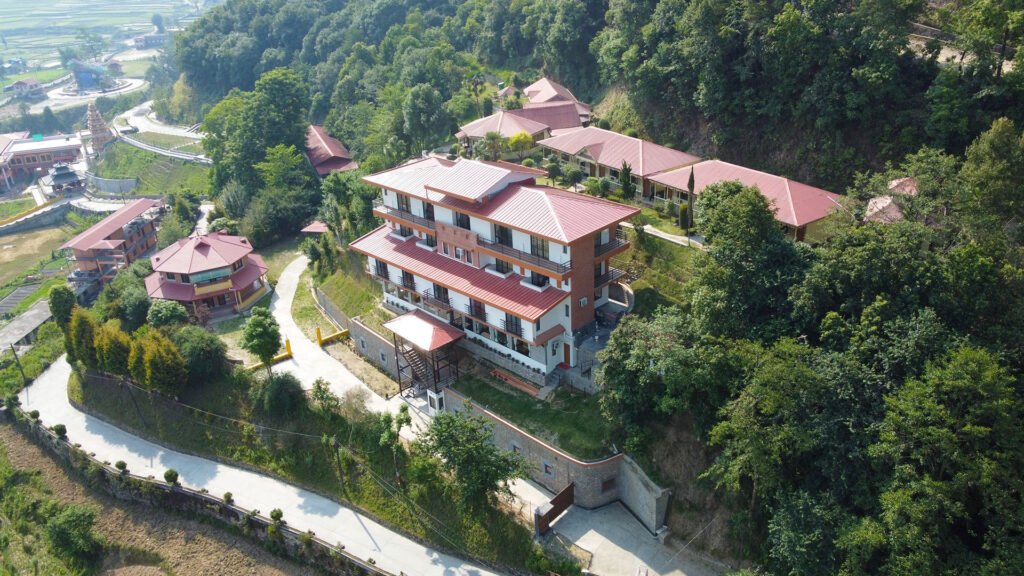
Why Choose Nepal Yoga Academy
There are many yoga teacher training programs available today, but what makes this training experience different is the focus on authentic learning, personal guidance, and traditional yoga
teachings rather than mass certification.
You learn in a calm, supportive setting with small class sizes, so you receive personal guidance throughout the training. The focus is not only on physical yoga practice but also on the deeper
values, discipline, and lifestyle associated with yoga.
The teachers have many years of experience studying and teaching yoga. They aim to help you build a genuine connection with the practice, not just earn a certificate.
Training in Nepal also gives you the chance to experience the country’s spiritual traditions more closely. Along with yoga practice, you are introduced to meditation, traditional teachings,
and yogic wisdom that go beyond modern fitness-based yoga. This creates a richer and more meaningful learning experience for both personal growth and future teaching.
A straightforward summary
A retreat-based yoga teacher training is one of the most effective ways to deepen your understanding of yoga. Once you step into an immersive environment, living and learning feel easy, helping you stay focused on your practice, studies, and personal growth without the usual distractions of everyday life.
A well-organized Yoga Alliance-certified training gives you a complete understanding of yoga, including asana, meditation, pranayama, anatomy, philosophy, and teaching methods. The training can be intensive, but it often becomes a rewarding experience that supports both personal and professional growth.
So, choosing Nepal for the Yoga Teacher Training with Retreat is probably the best decision you would make. Nepal is a unique place for this experience because of its spiritual culture,
peaceful natural surroundings, and long connection to yoga and meditation traditions. Along with practical benefits such as affordable living and retreat-style learning, the environment
itself supports deeper focus and reflection.
If you are considering joining a training, the best approach is to ask questions, understand the program clearly, and choose a course that genuinely matches your goals, experience level, and
expectations.