


Complete Guide to Yoga Teacher Training in 2026
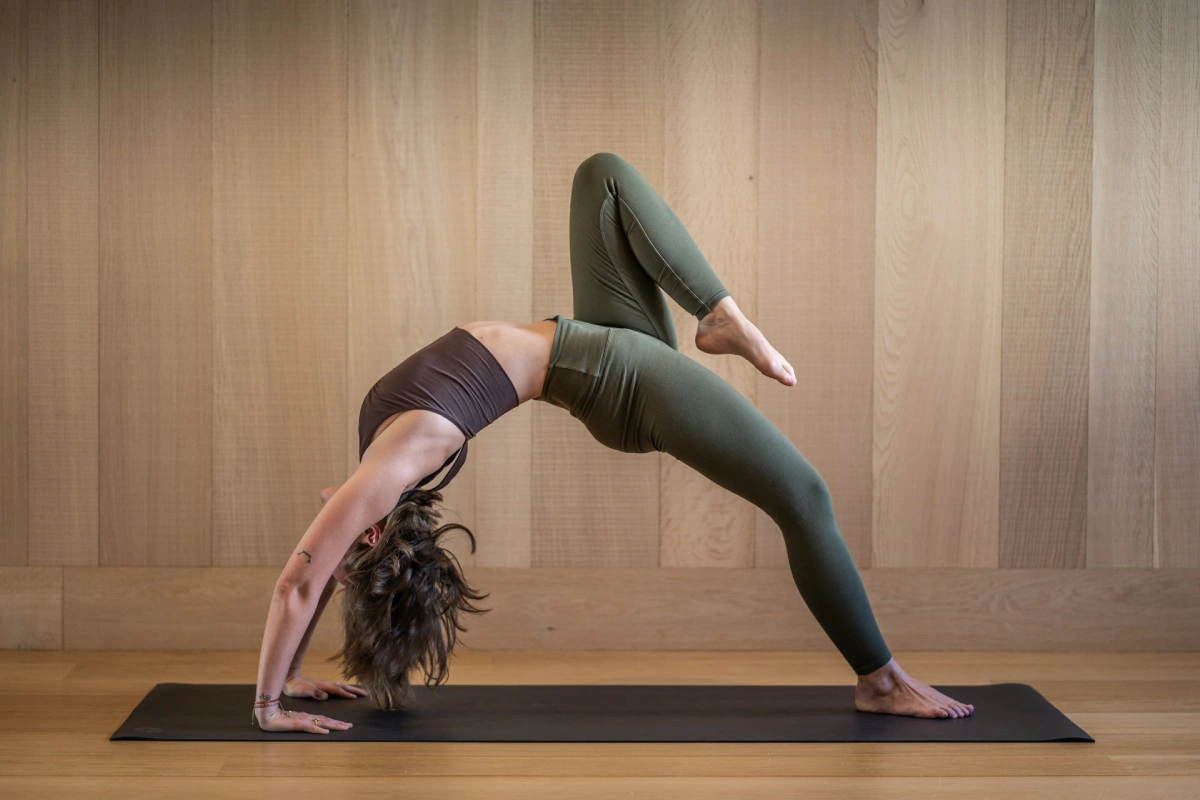
In 2026, being a yoga instructor involves more than merely teaching a lesson and demonstrating postures. It has developed into something more profound, intimate, and meaningful over time. Nowadays, people participate in training not just to become teachers but also to take a break, reset, and re-establish a connection with themselves, in a way seldom possible in contemporary life.
Students frequently start their trip with quite varied goals in mind. Some are seeking a new professional path, while others are looking for balance, clarity, or just a change of pace. At the conclusion of the program, a noticeable change has occurred. In addition to feeling calmer, more grounded, and more conscious, not just physically but also psychologically and emotionally, they also feel stronger and more self-assured.
Once you complete the reading of this guide, you will be filled with a clear, honest, and useful overview of yoga teacher training in 2026. There will be a clear picture of what it actually entails, what to expect, and how to make the best decision for yourself.
What is Yoga Teacher Training in 2026 really?
Yoga teacher training is fundamentally an intensive educational process. It extends beyond learning how to execute postures correctly. You spend time learning about how the body moves, how the mind responds to breath, and how your entire experience can change when you pay attention.
The training brings together multiple aspects:
- Physical practice (asanas)
- Breathwork (pranayama)
- Meditation and awareness
- Anatomy and body mechanics
- Philosophy and yogic lifestyle
- Teaching methodology
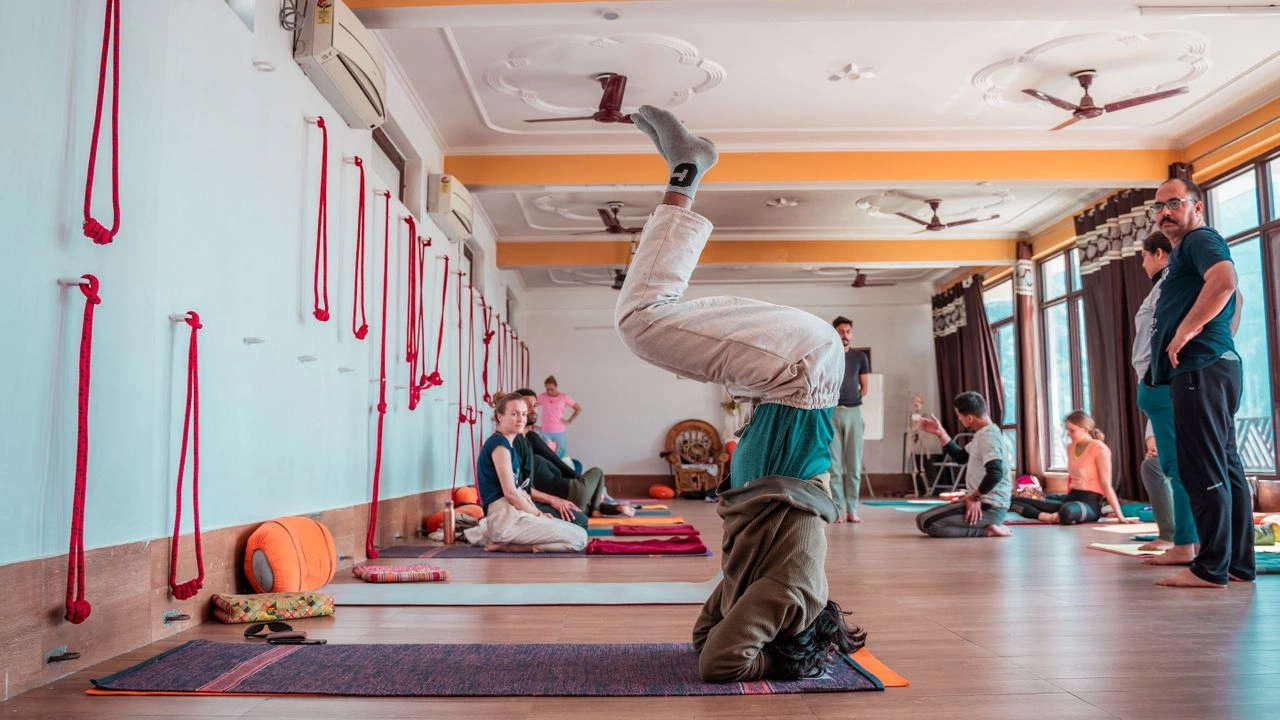
The majority of programs are designed to combine theoretical and practical experience. You will practice asanas for alignment, strength, and flexibility for a portion of the day. Learning about anatomy takes up another section, as you start to understand what’s really going on within your body as you move. Philosophy, on the other hand, introduces you to classical teachings that shape how yoga is viewed beyond the mat.
Additionally, instruction is given a lot of attention. Even if you’ve never imagined yourself guiding a class, you’ll slowly be introduced to it. Finding your voice and speaking in front of people might be awkward at first, but it eventually gets more natural.
What makes it different from other forms of education is that everything is interconnected. What you learn in theory, you experience in practice. What you experience physically begins to influence your thoughts and habits.
Why So Many People Are Choosing It in 2026
In recent years, people have begun to seek something more meaningful than routine work and daily stress. Yoga teacher training fits into that space. It offers structure, but also space to think, reflect, and reconnect.
In 2026, this shift is even more visible. People are more aware of:
- Burnout and mental fatigue.
- The impact of digital overload.
- The need for slower, more intentional living.
Training in yoga offers a means of focusing inside and stepping away from the incessant cacophony. It’s important to learn how to slow down in addition to increasing strength and flexibility.
Another reason for its growing popularity is flexibility. You may now go far without adhering to a particular format.
You can choose:
- Intensive in-person retreats
- Flexible online programs
- Hybrid models combining both
The structure of a typical Yoga Teacher Training Program
Most people begin with a 200-hour training, which is considered the foundational level. This can be completed in different ways, over a few weeks in an intensive setting or spread out over a few months.
During an intense program, a typical day begins early.
Morning sessions typically include:
- Gentle wake-up practices
- Breathwork and meditation
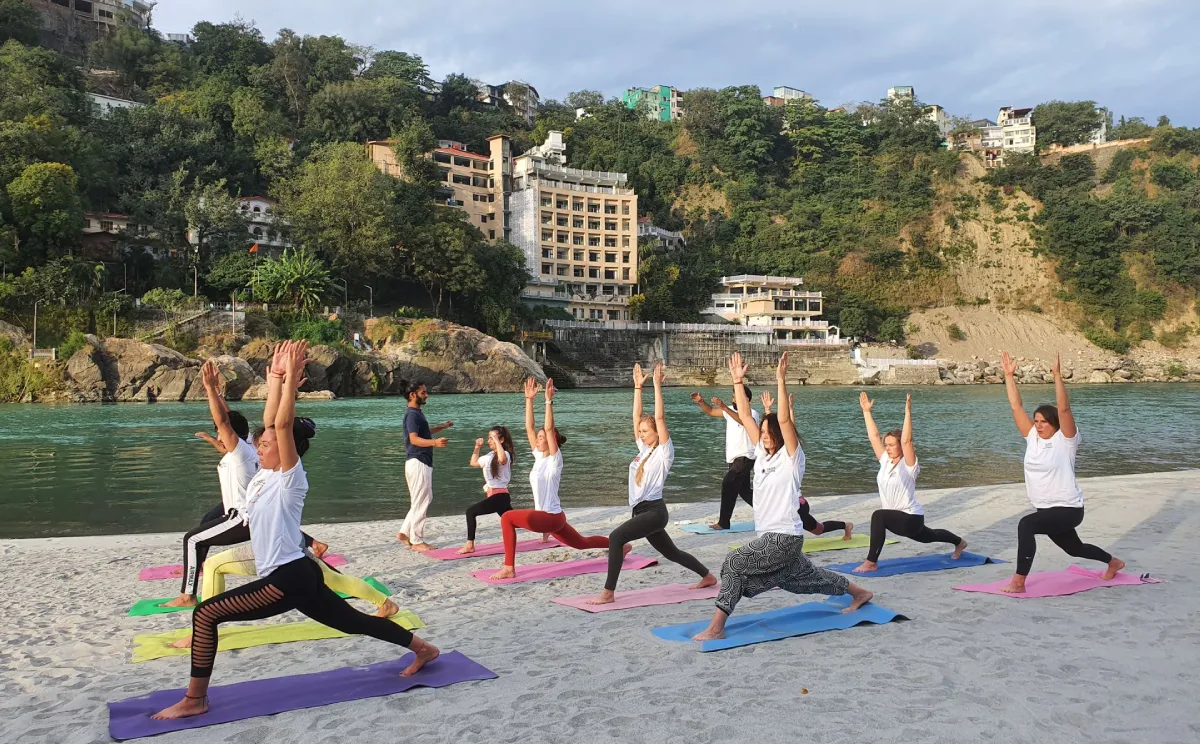
- Dynamic asana practice
This part of the day is often quiet and focused. The body feels fresh, and the mind is more receptive.
The timetable shifts to education after breakfast.
- Anatomy classes
- Philosophy discussions
- Alignment workshops
Afternoons often include:
- Teaching practice
- Group discussions
- Technique refinement
The evenings are quiet and relaxing, often used for meditation or gentle movement. Though the day is full, it never feels too heavy because of the well-balanced flow.
What you actually learn
One of the biggest surprises for many people is how much they learn beyond physical movement. Of course, you will spend time improving your postures, understanding alignment, learning how to modify poses, and building strength.
But the learning goes deeper. You begin to notice how your breath changes when you’re stressed or relaxed. You learn simple techniques to calm your mind or energize your body. Meditation becomes less abstract and more practical.
Anatomy classes help you understand why certain movements feel easy while others feel restricted. Instead of forcing your body into shapes, you learn to work with it.
Philosophy introduces a different perspective on life. It doesn’t feel like studying a subject, but it feels like exploring ideas that quietly influence how you think and respond to situations.
One of the biggest shifts in students’ experiences is in discipline.
In the beginning, waking up early and following a routine can feel challenging. Some days, your body feels resistant. Other days, your mind feels distracted. But slowly, something changes. You stop relying on motivation and start relying on consistency. Discipline becomes less about forcing yourself and more about supporting yourself.
And that’s where real transformation begins.
Also, there is a common fear among students of teaching. Standing in front of others, speaking clearly, and guiding a class can feel intimidating, especially if you’ve never done it before. But the training is designed to ease you into it.
You start small:
- Practicing with a partner
- Teaching short sequences
- Receiving feedback
Confidence grows naturally over time. During the course, you also discover that teaching is not about being flawless, but it’s about being sincere, straightforward, and present.
Why Nepal is a unique place for Yoga Teacher Training
Your entire experience may be shaped by where you choose to do your yoga teacher training, and Nepal offers something difficult to find anywhere else. The surroundings greatly influence the program.
Nepal’s Himalayan surroundings naturally promote tranquility and introspection. There is a sense of tranquility that enhances your learning, whether you are practicing in a peaceful valley or near the foothills of a mountain. It is simpler to detach from outside distractions and concentrate within when life moves more slowly, and the scenery is beautiful.
Yoga training is very popular in places like Pokhara, Nagarkot, and a few other hilly areas. It provides the ideal environment for both practice and relaxation, with views of lakes and mountains, pure air, and serene settings. Many students find Nepal refreshing because it feels less commercial and more grounded than other places.
This place also has a significant spiritual and cultural presence. Daily rituals, temples, and monasteries are part of daily life, which inevitably deepen your experience. It just exists around you and doesn’t feel contrived or forced.
At the same time, Nepal remains accessible and affordable compared to many international yoga destinations, making it a practical choice without compromising the quality of experience.
Physical and Mental Changes
The physical changes are noticeable. Over time, your body becomes stronger and more flexible. Movements that once felt difficult start to feel natural.
However, the mental shifts are frequently more profound. You become more conscious of your feelings and ideas. You begin to see trends in your reactions to stress, discomfort, and difficulties.
Additionally, there is a change in confidence. At first, leading a class and standing in front of a group might be frightening, but with experience, it gets easier. This self-assurance frequently extends to other facets of life.
Many people also find that their relationship with themselves changes. There’s more patience, more understanding, and less pressure to be perfect.
Choosing the Right Training
It might be difficult to select the best training in 2026 because there are so many possibilities. However, it’s helpful to begin with a straightforward query: what makes you wish to accomplish it?
An intensive retreat-style program could be ideal for you if you’re seeking a total escape from your daily routine. These are often held in serene outdoor environments that allow you to detach and concentrate fully.
The teaching style is an important factor. Some programs focus mostly on physical activity, while others emphasize philosophy or mental development. It makes a significant difference to find a balance that aligns with your interests.
The surroundings are also important. While larger programs can offer a broader range of viewpoints, smaller groups often provide more personalized attention.
Challenges You Might Face
Yoga teacher training is not always easy. There are moments when your body feels tired, or your mind feels overwhelmed. Learning new concepts, adjusting to a schedule, and stepping out of your comfort zone can be challenging.
There could also be moments of emotion. Spending time in a contemplative setting might elicit ideas or emotions that you haven’t completely digested. This is a typical element of the experience, and for many, it’s the most worthwhile part of the trip.
The secret is to take a patient approach. Everything doesn’t have to be perfect. Progress is frequently made gradually and without your immediate awareness.
Life After the Training
Not everyone who completes yoga teacher training becomes a full-time instructor. Some teach part-time, others share what they’ve learned with friends or small groups, and many return to their personal practice with a deeper understanding.
Even if teaching is not your goal, the skills you gain stay with you. The ability to manage stress, stay present, and move your body with awareness becomes part of your daily life.
For those who do choose to teach, the journey continues. Teaching is a skill that develops over time, and each class becomes an opportunity to learn and grow.
Final Thoughts
In 2026, there will be a greater variety, flexibility, and accessibility to yoga teacher training. And the major thing is the same whether you enroll in a course from home or travel for an immersion retreat.
If you’re looking to experience yoga in a more meaningful way, learning in a place like Nepal adds another layer to that journey. The experience becomes more than just training because of the surrounding mountains, culture, and serene surroundings; it becomes something you remember long after it’s over.
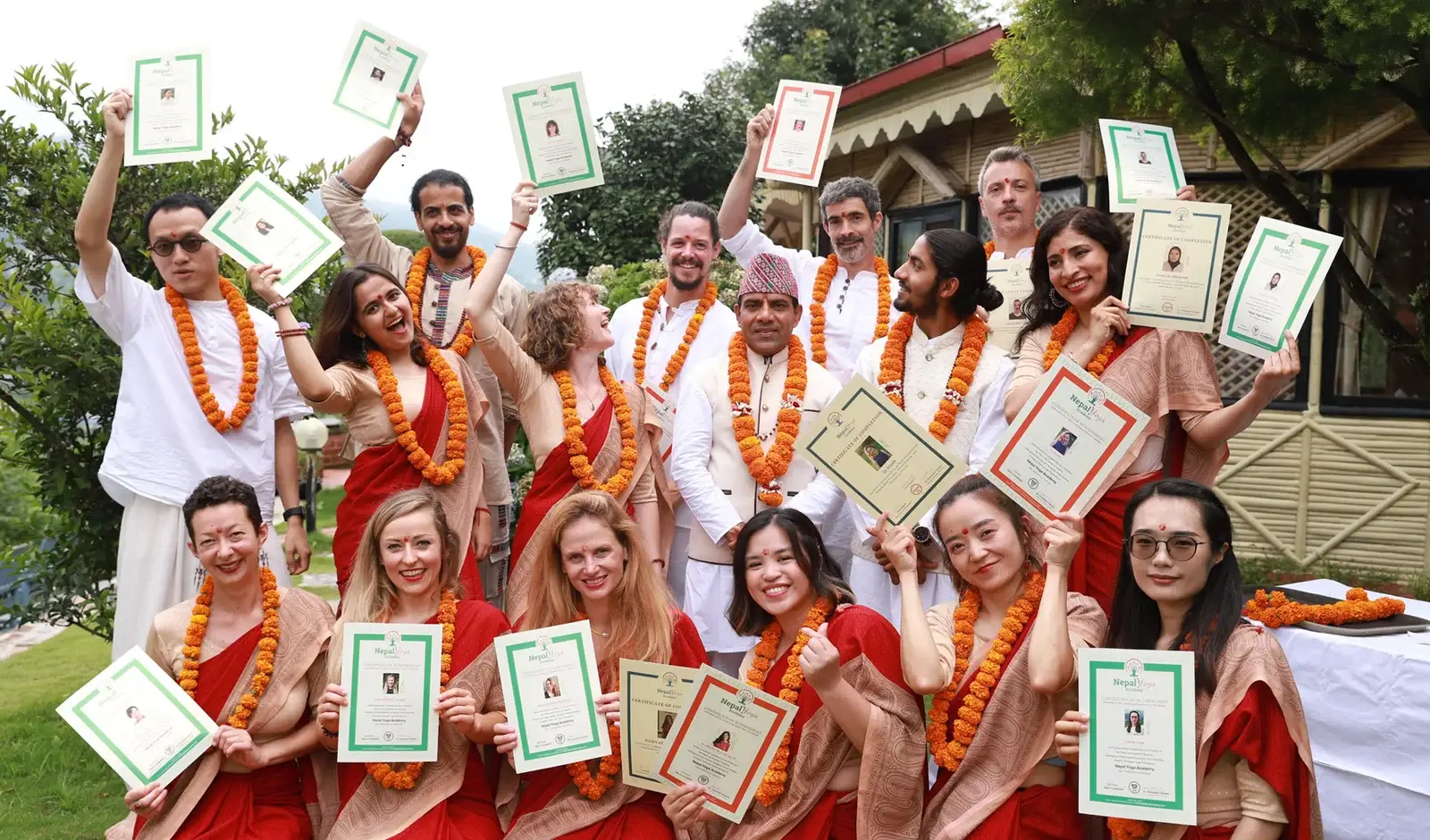
Now is a wonderful moment to take action if you have been thinking about doing something. With knowledgeable instructors, encouraging surroundings, and an emphasis on education and personal development, programs like those offered by Nepal Yoga Academy are designed to support you through the process. With the proper support in place, you can investigate your options, select a program that suits your pace, and start your adventure.