


Introduction
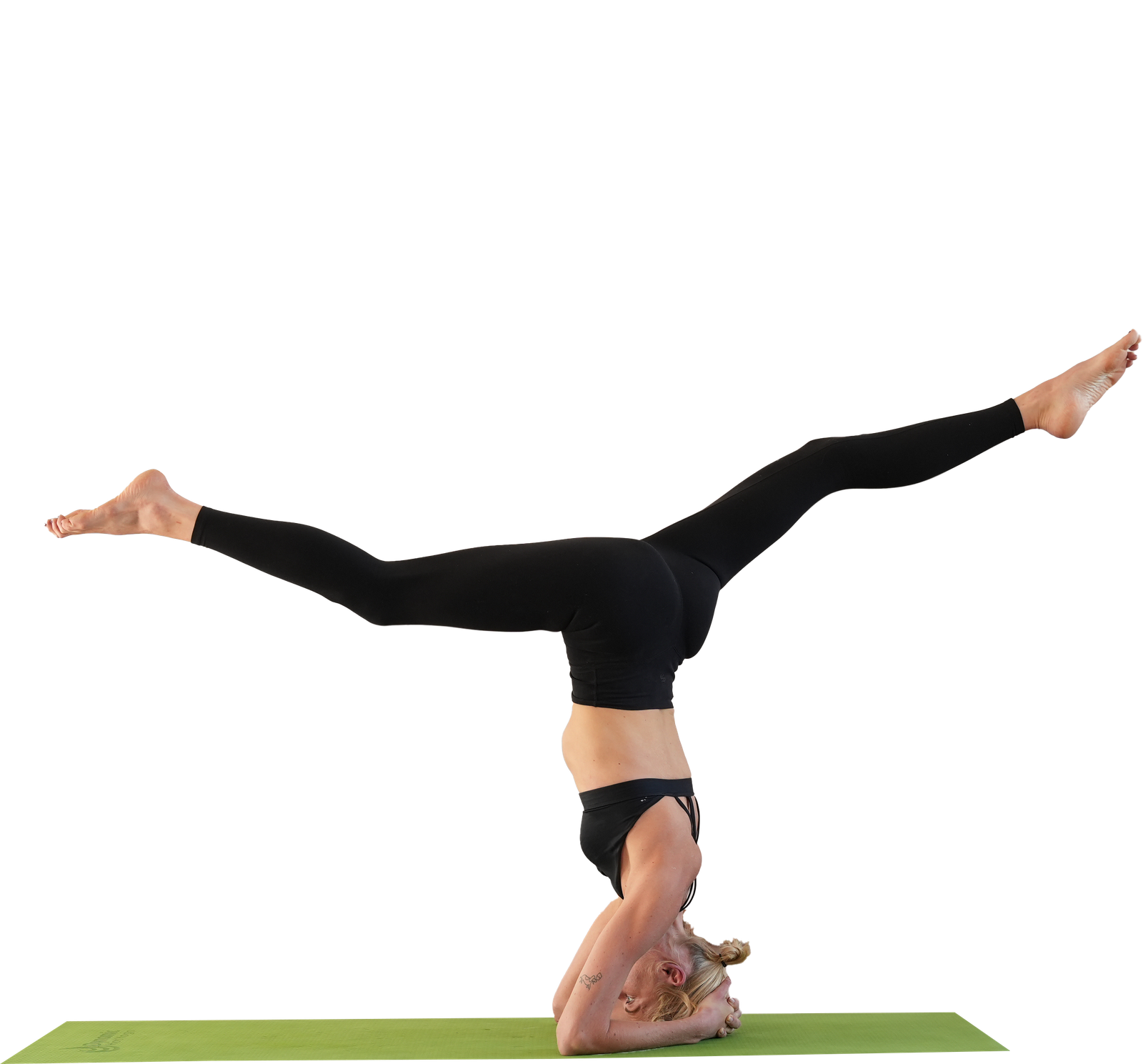
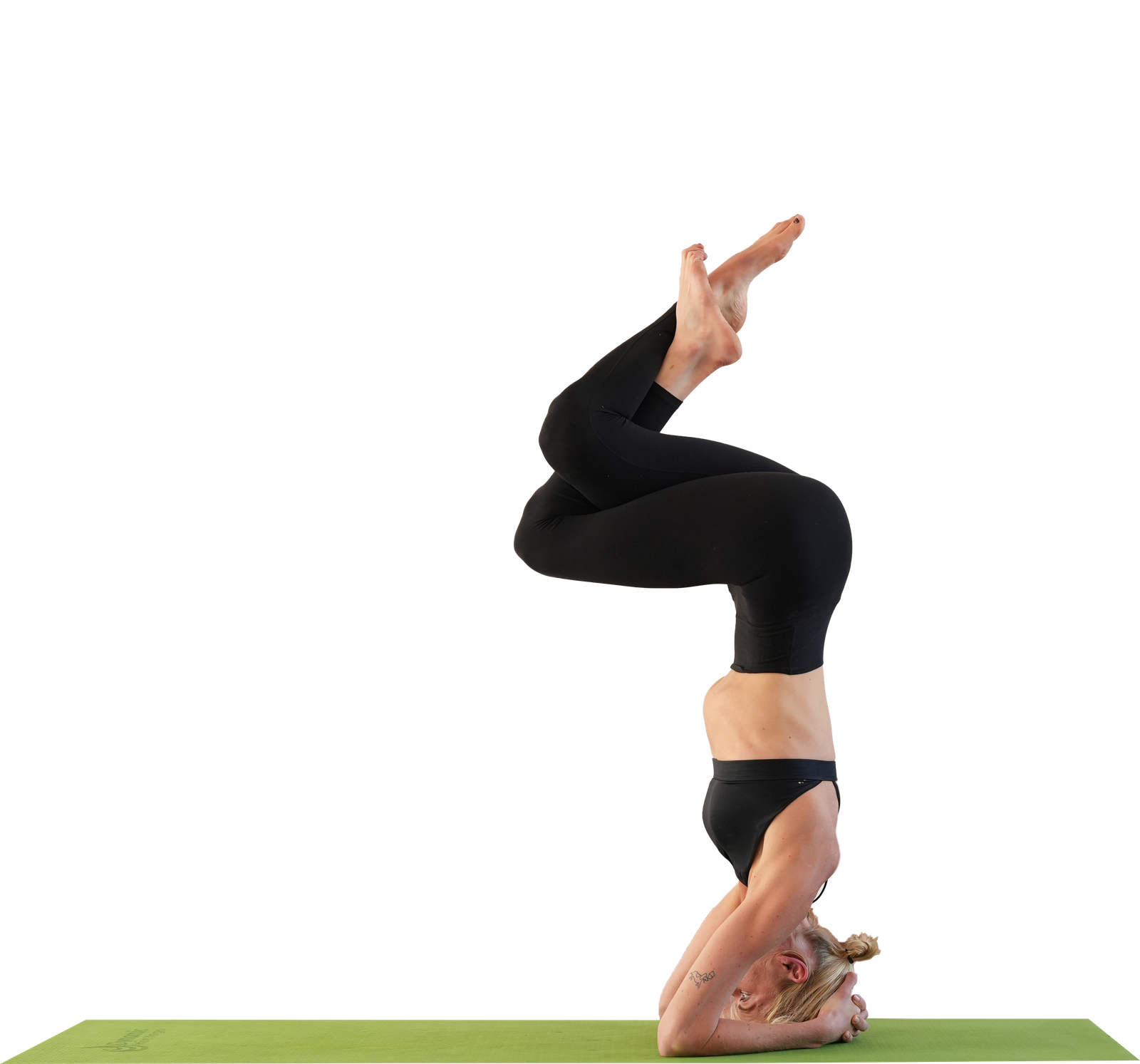
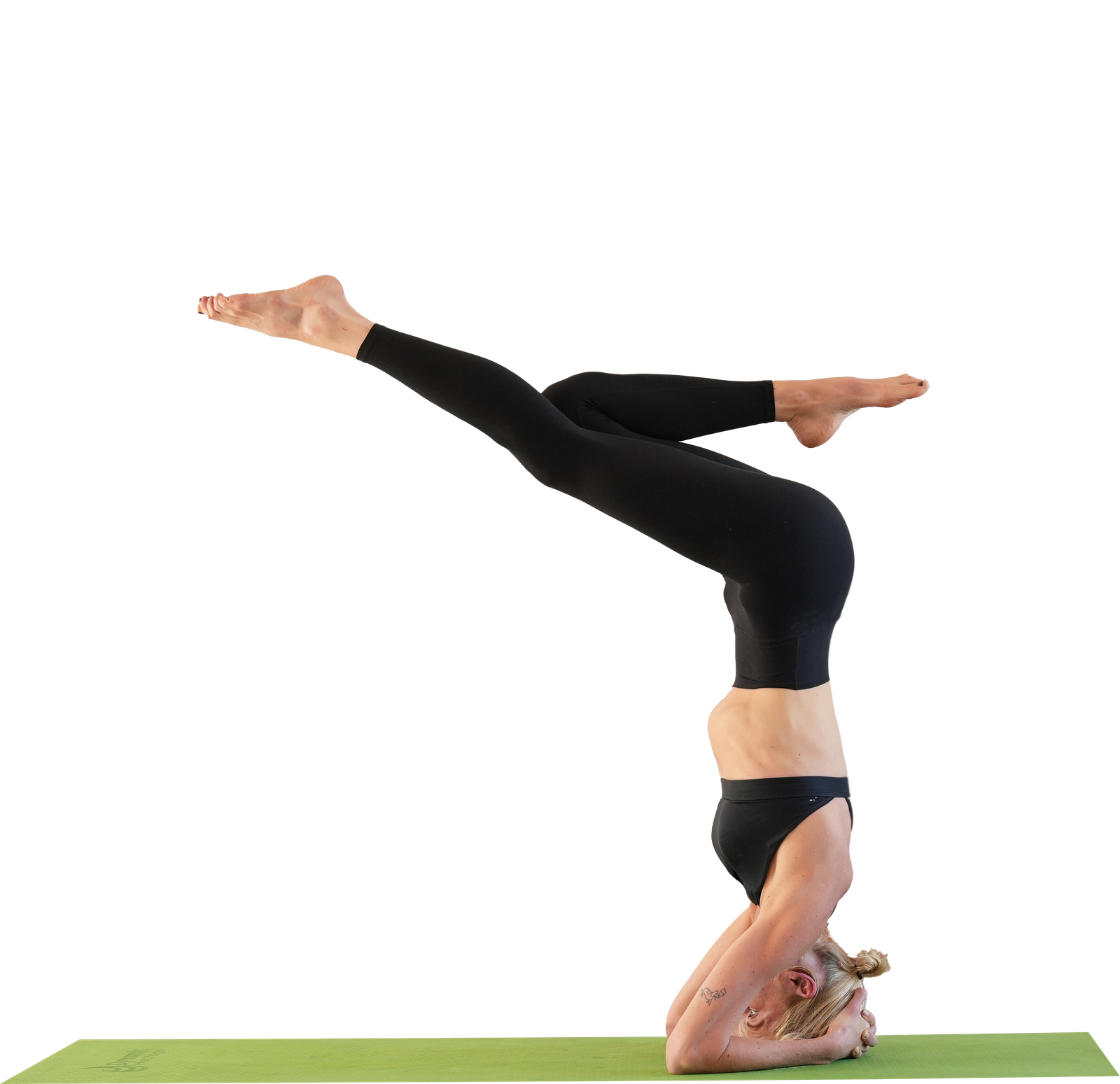
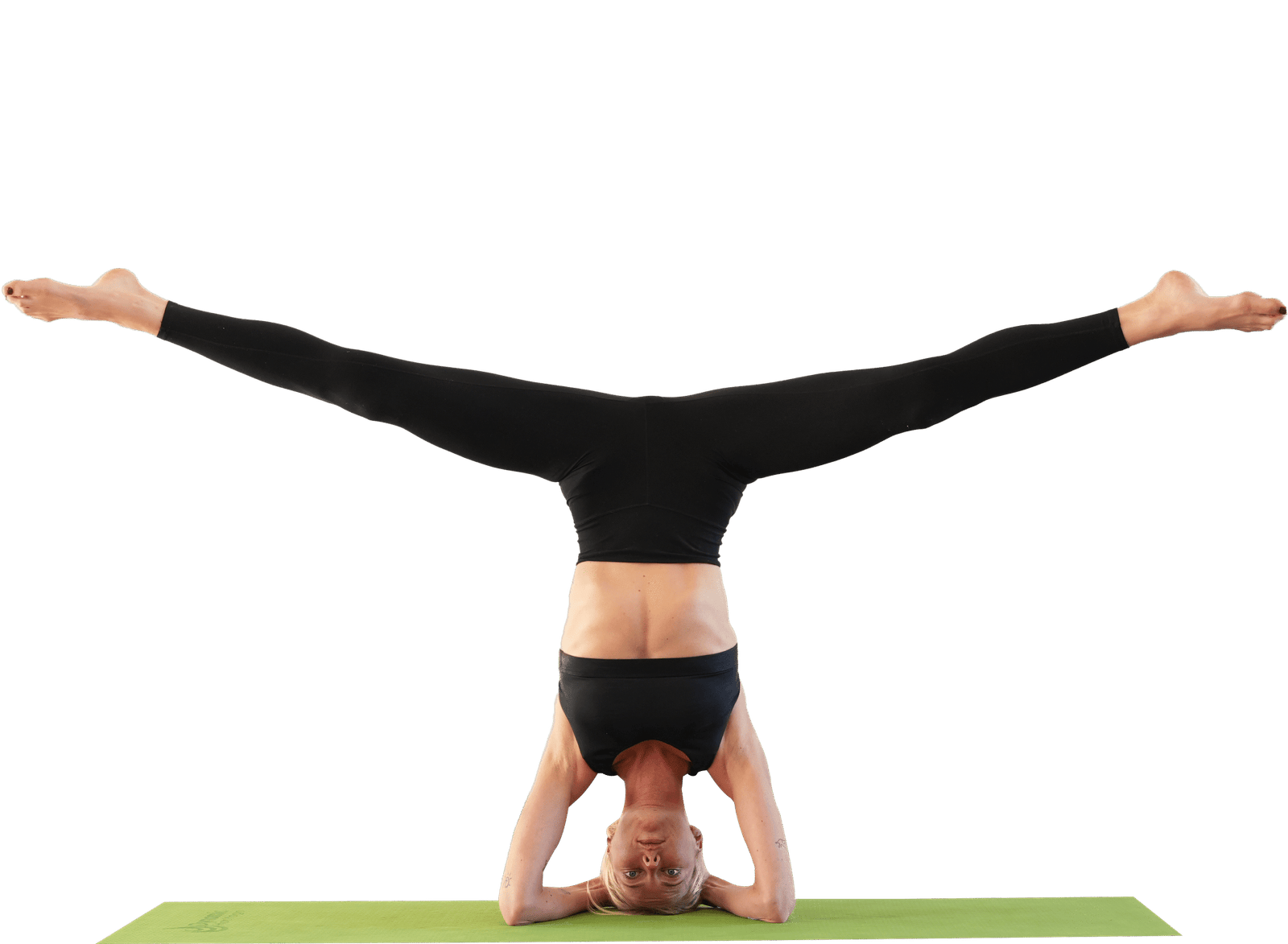
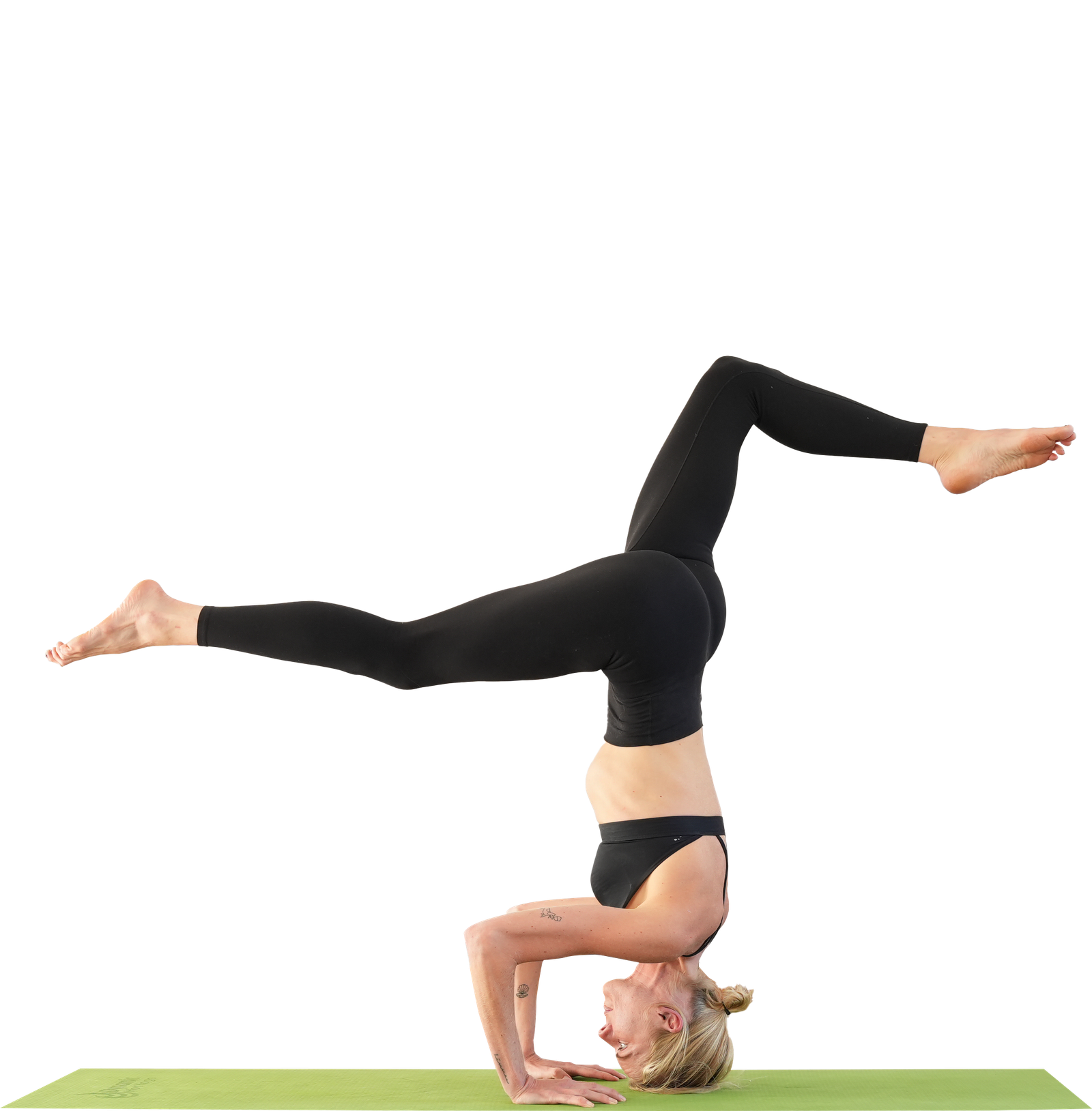
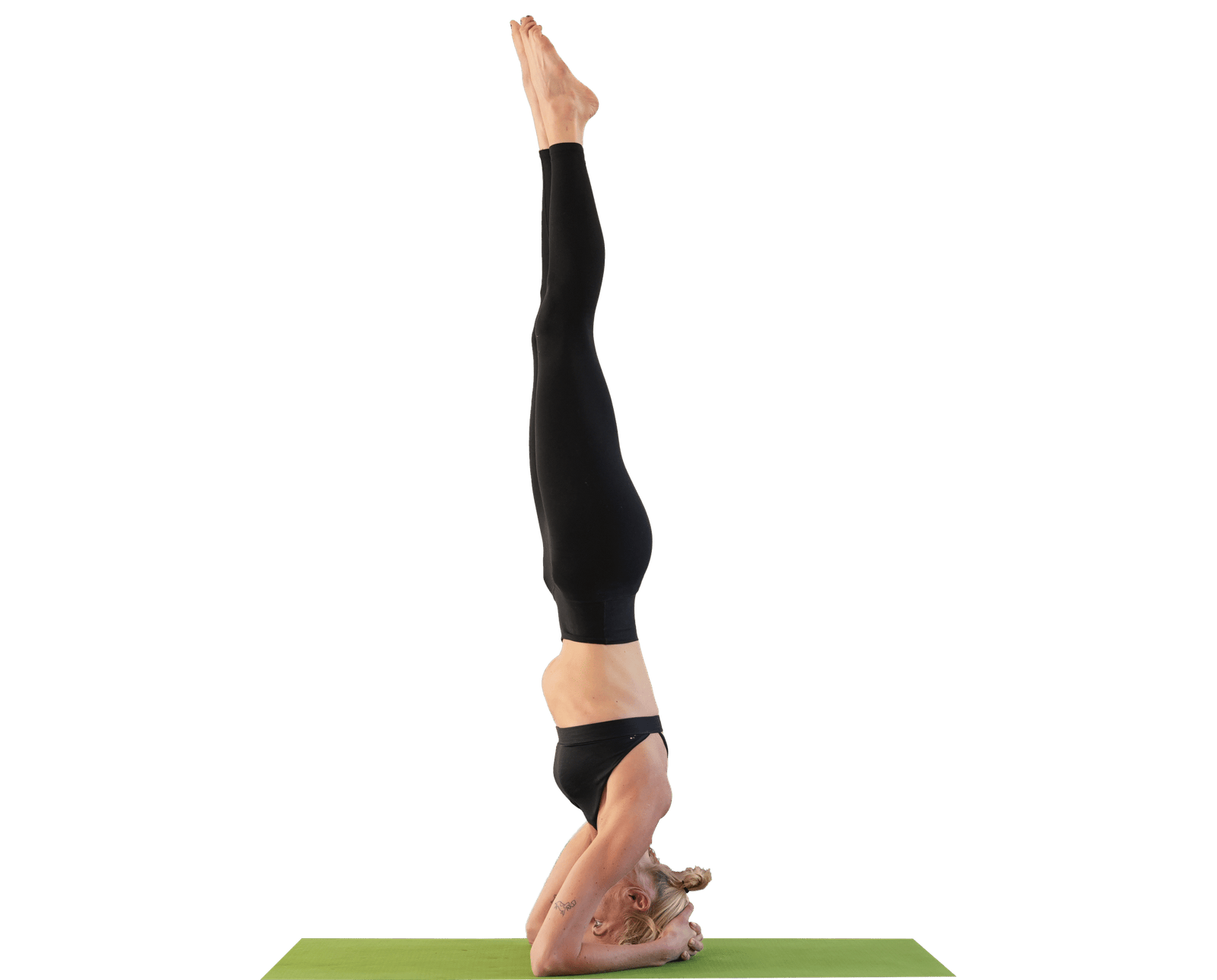
Shirshasana (known as the King of Asanas), is an advanced inversion pose where the body is turned upside down. It reverses the body’s relationship with gravity and helps improve blood circulation to the brain, and also strengthen the upper body, improve balance and focus. Shirshasana is considered one of the most important poses in classical asana practice, which helps develop physical strength, mental clarity, and inner awareness.
Base Positions
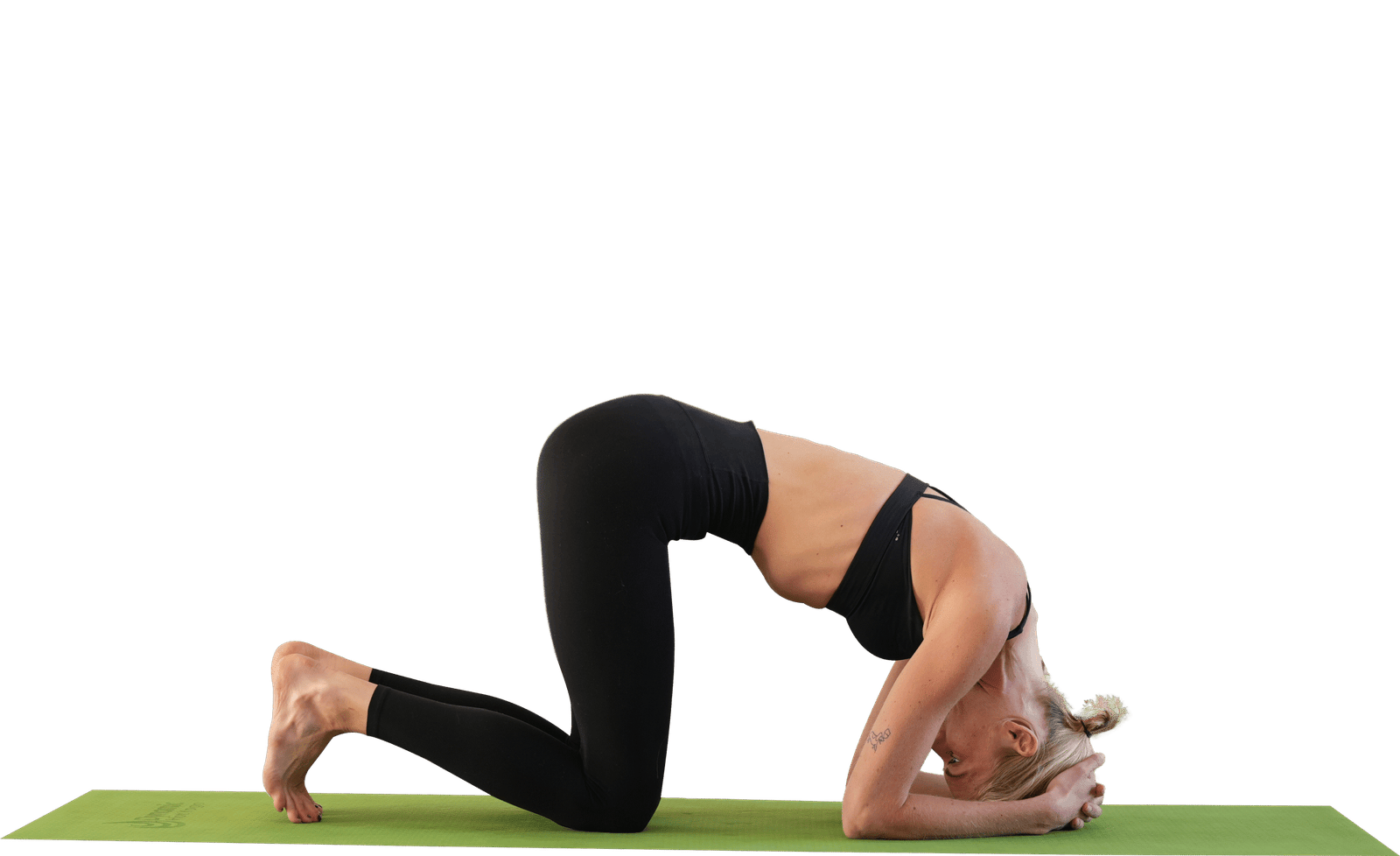
Sit in Vajrasana (Thunderbolt Pose). Placing palms on the floor, come into tabletop position. Keep the wrists under shoulders, knees together, feet together and flat on the floor. Inhale, exhale, and relax.
Getting into position
Here’s a step-by-step guide to getting into Shirshasana:
Step 1: Lower your elbows to the floor (shoulder-distance apart) and interlock fingers. Place the crown of the head on the floor inside the palms. Roll the upper arms slightly outward and press the hands into the floor. Tuck the toes on the floor.
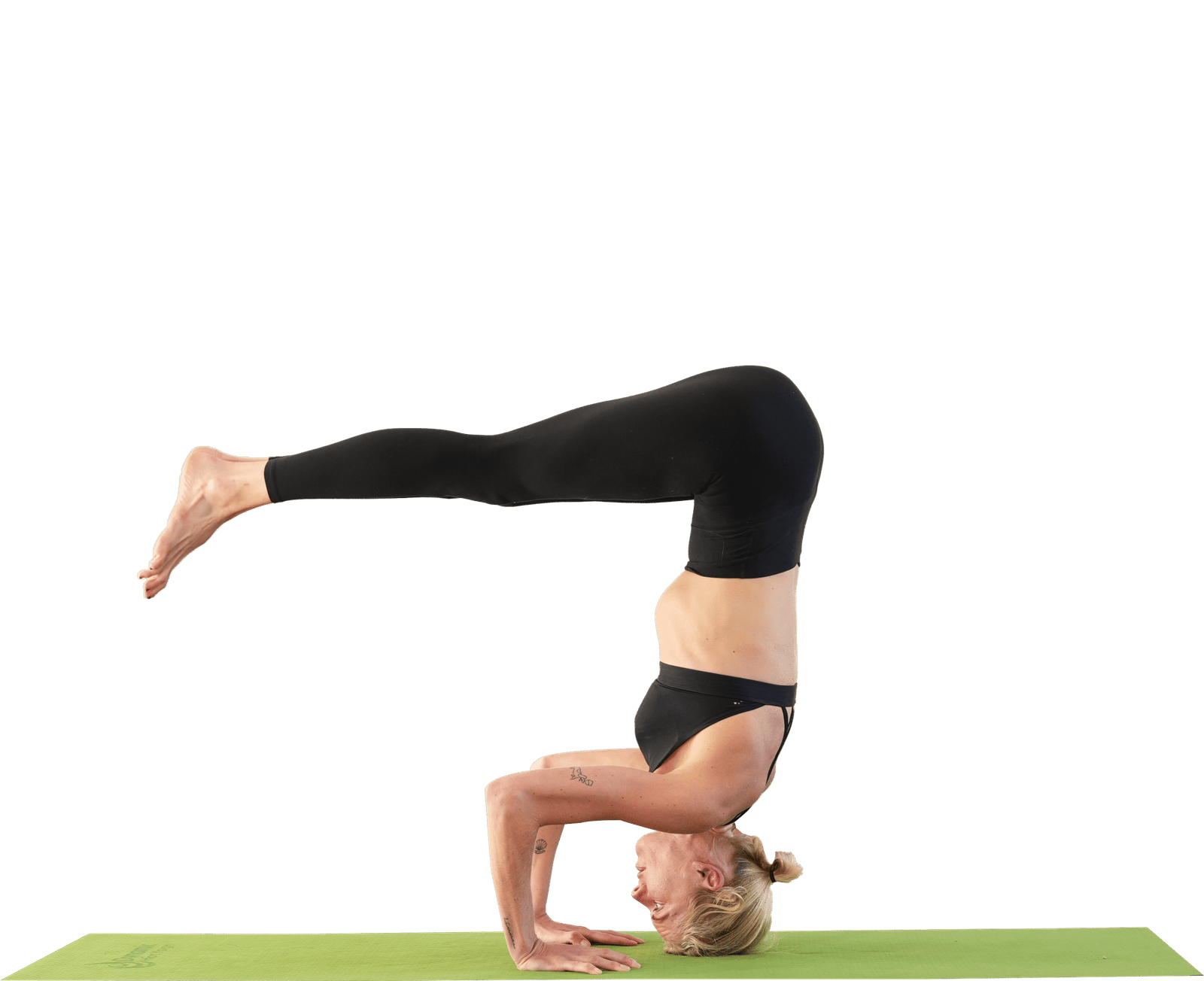
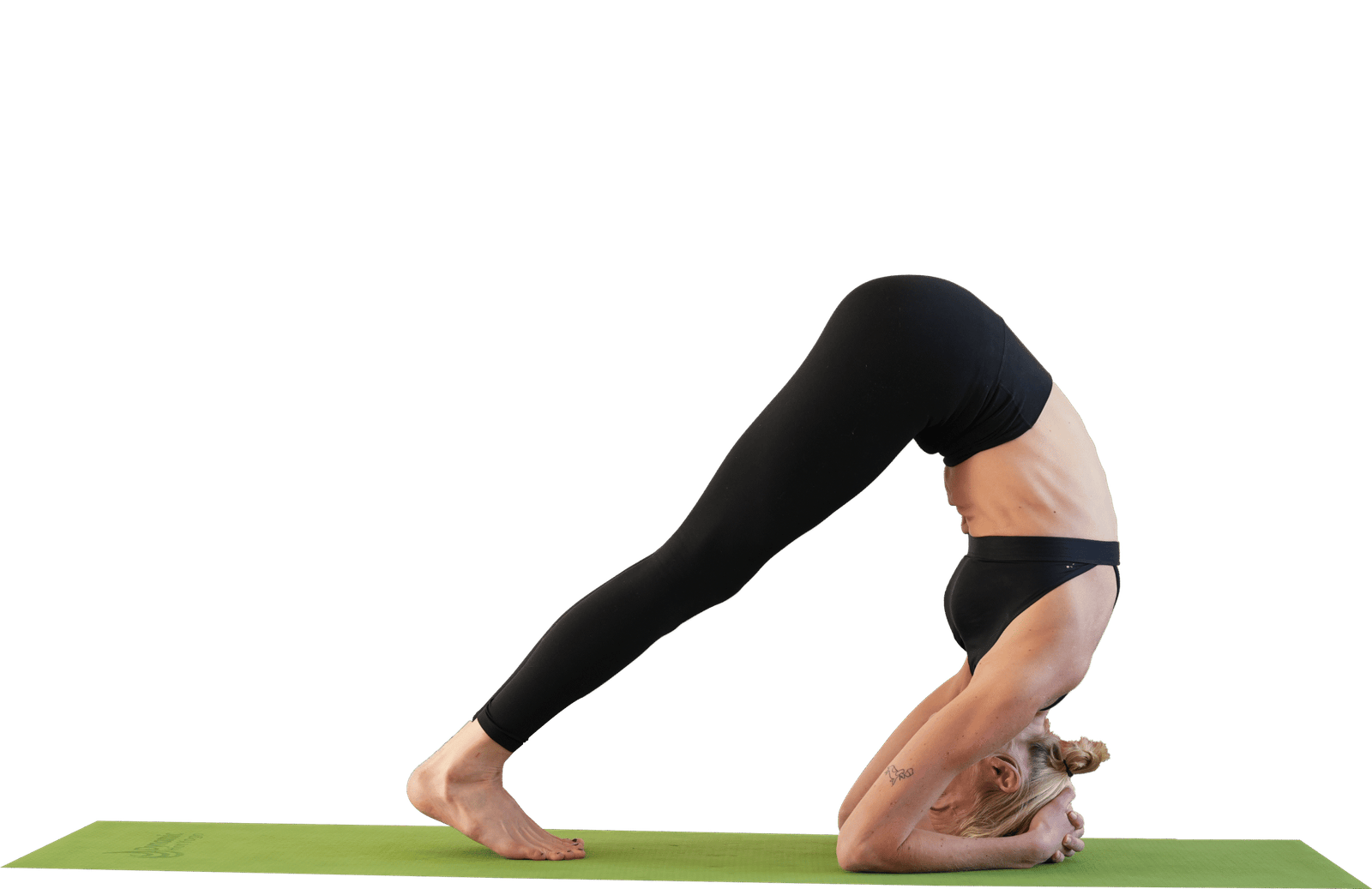
Step 2: Lift your knees off the floor and hips up. Carefully walk your feet (heels up) toward your elbows until your hips are above the shoulders and only your toes are touching the floor with very little weight on them. Keep your shoulders and entire arms engaged to keep your body weight on your forearms and hands (and very little on your head). Activate your abdominal muscles to keep the spine straight.
Step 3: If you find the space, bring your toes even closer to the head. Slowly lift one foot off the floor, bring the knee in towards your chest.
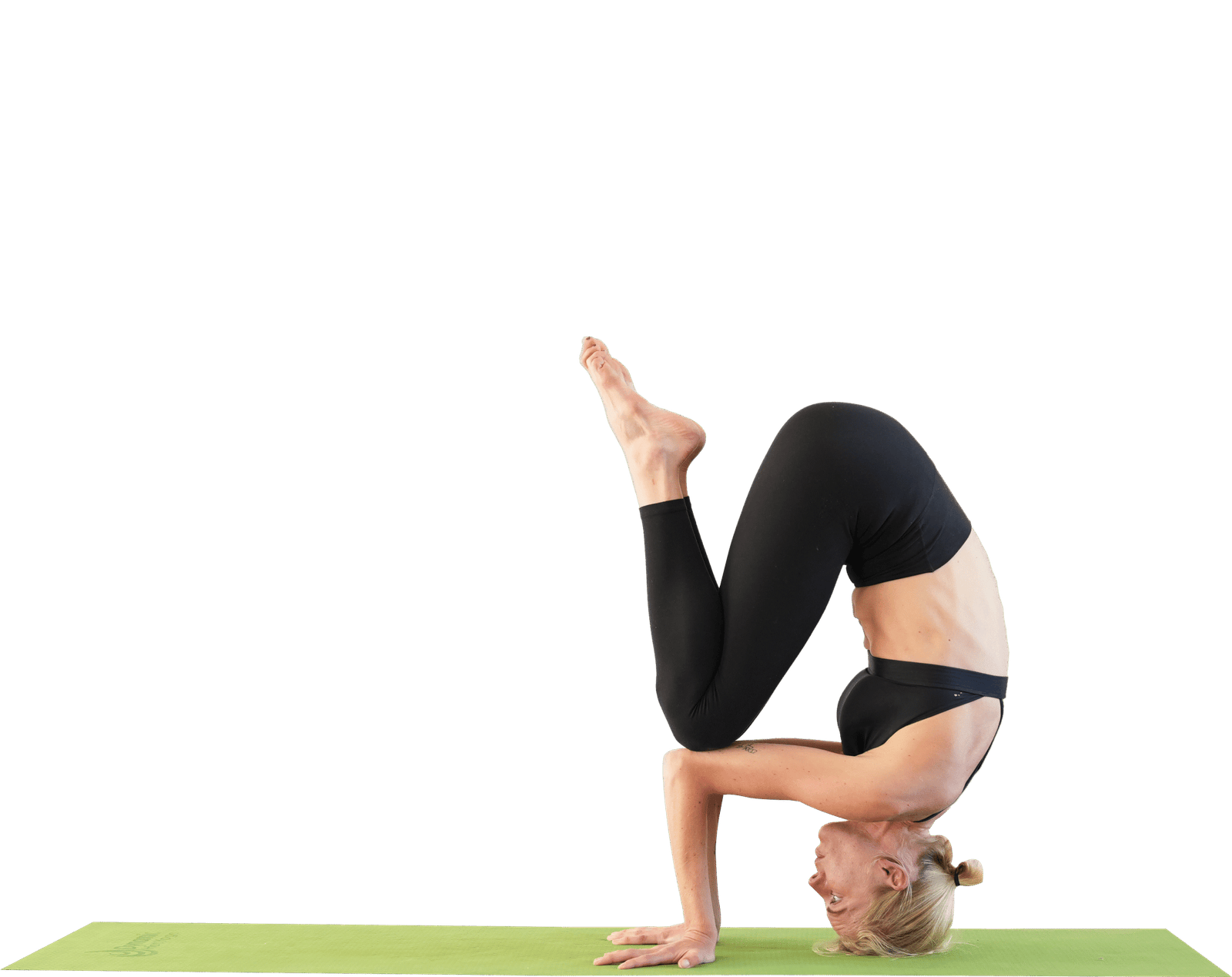
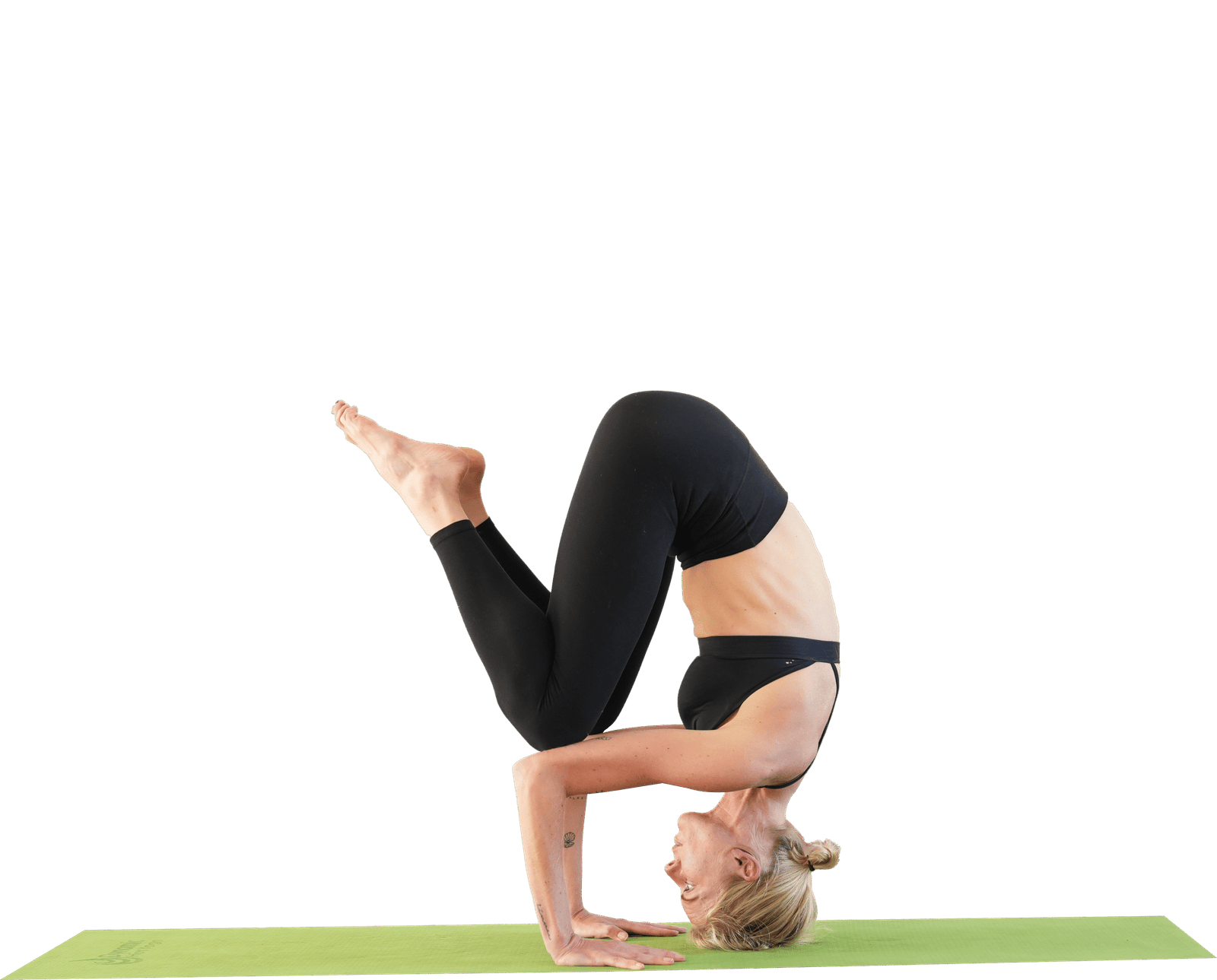
Step 4: Slowly lift the other foot off the floor, bring the knees in keeping them together.
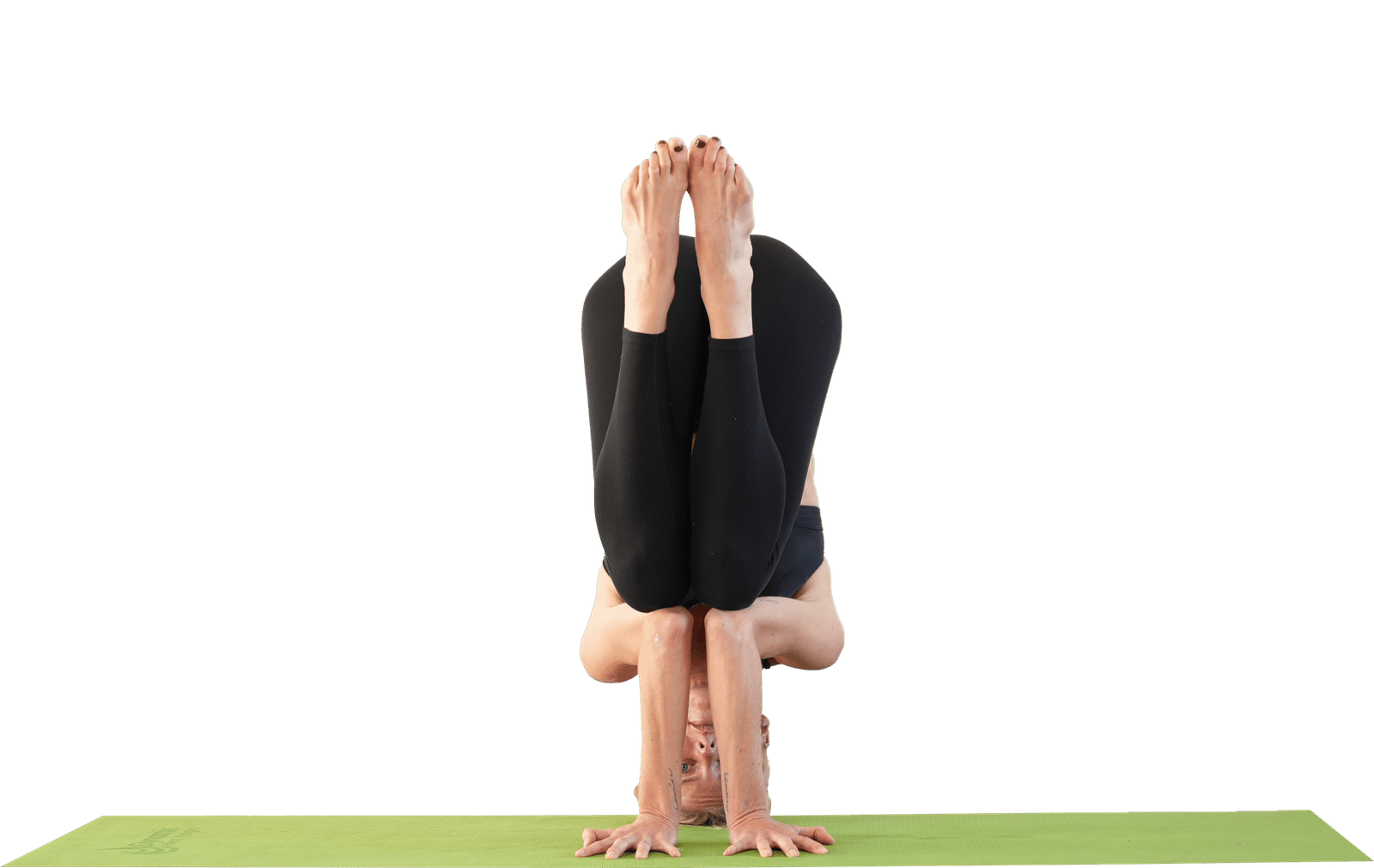
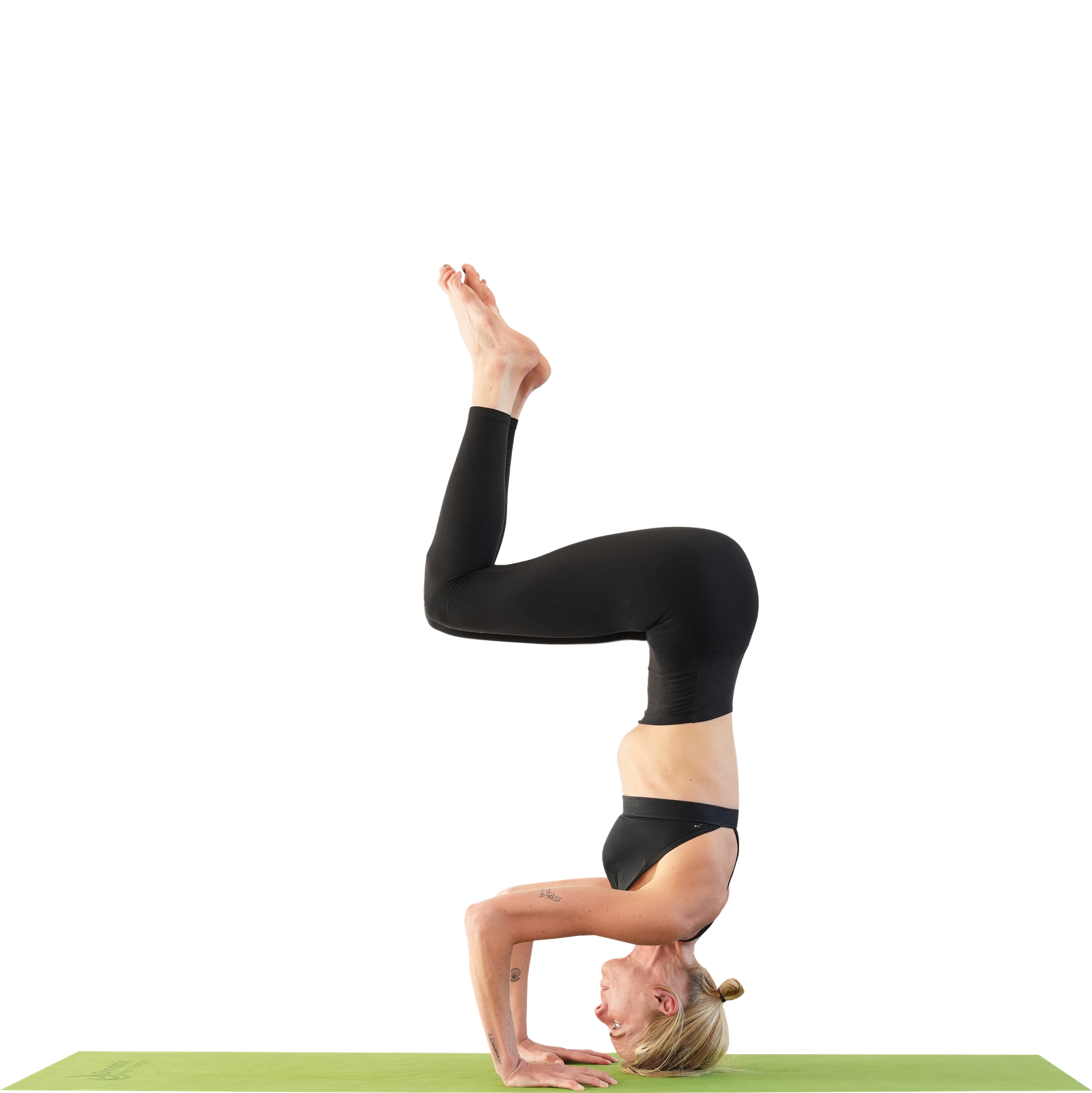
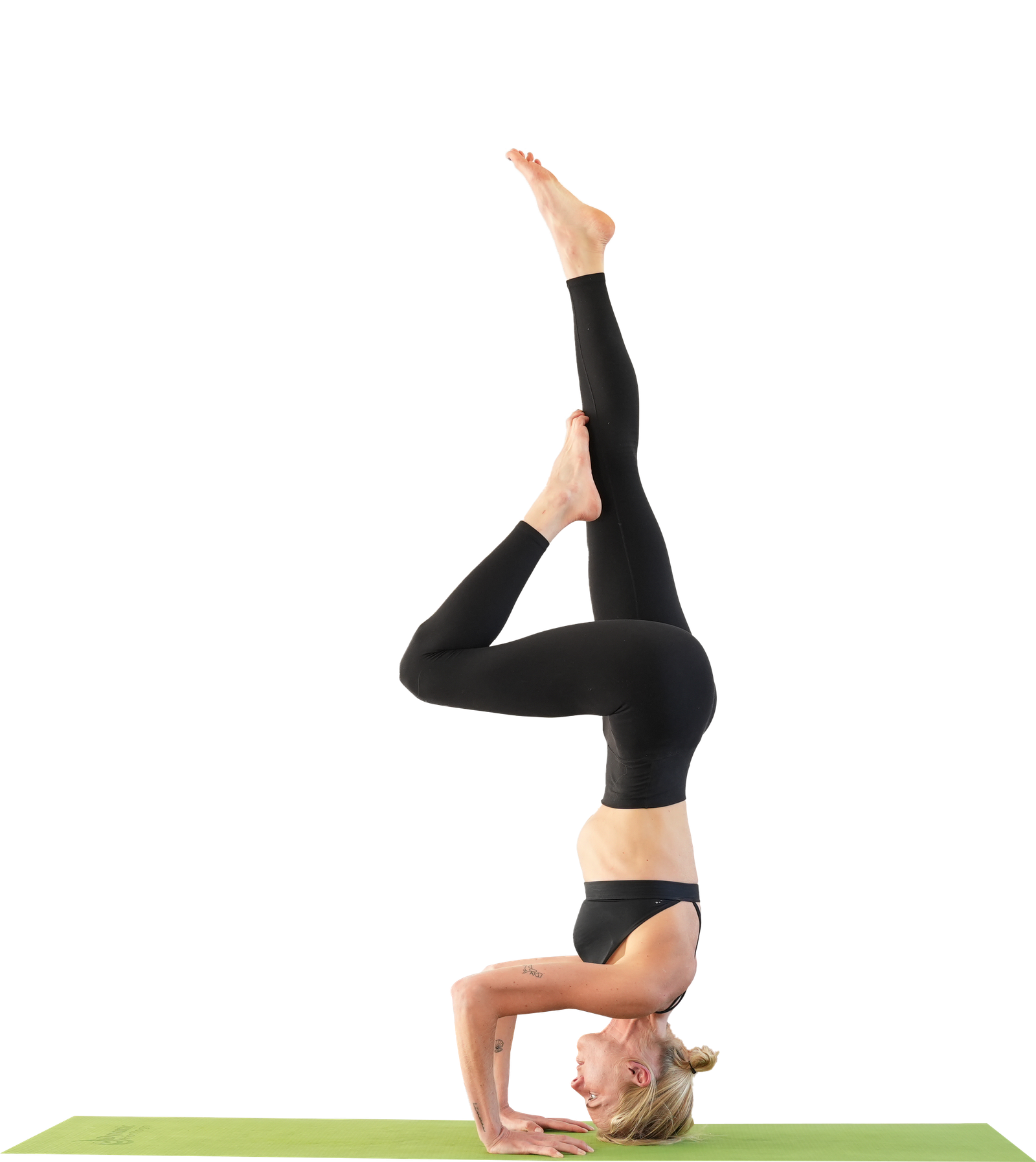
Step 5: Then, slowly straighten your legs upward (one leg at a time for better control). Activate the glutes and core muscles to bring your legs in-line with your torso. Actively press the feet upward. (Your ankles should be directly above your hips, hips above shoulders, and shoulders above head). Keep weight evenly balanced on both forearms. Hold with normal breathing for about 30 seconds.
Coming out of position
Step 1: Slightly relax the body. Inhale. Exhaling, bend the knees only (keeping thighs in-line with torso); then, lower the knees down to the chest. Hold for a moment to maintain balance.
Step 2: Then, lower the feet under control one at a time, touching the toes to the floor. Inhale. Exhaling, lower your knees and shins to the floor. Take a rest in Sashankasana (Moon Pose) for a few moments. Inhaling, slowly lift your head up, and sit into Vajrasana. Inhale, exhale, and relax.
Note: For a counter posture, stand in Tadasana for a few moments.
Poses: Step by Step
 Step 1
 Step 2
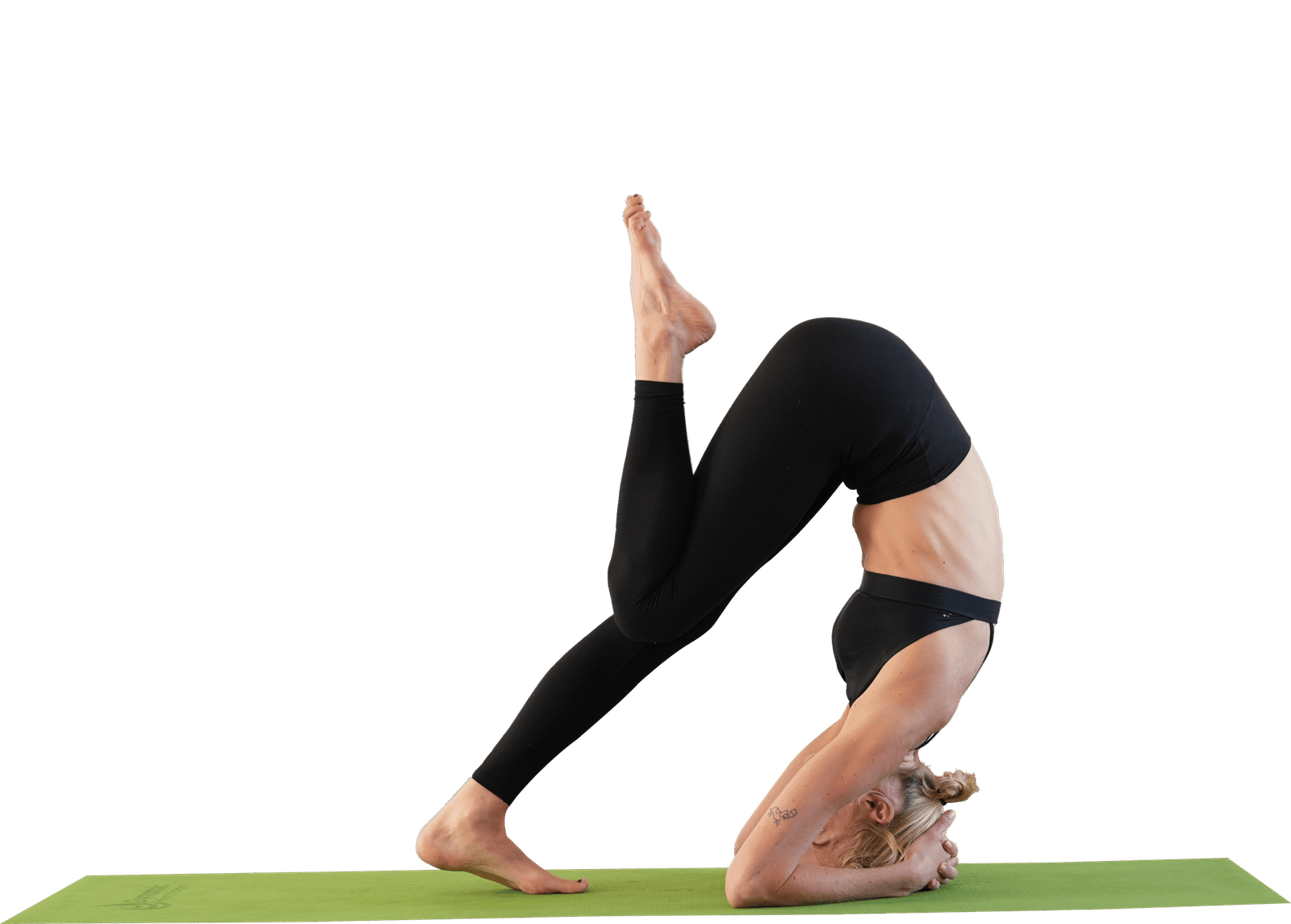 Step 3
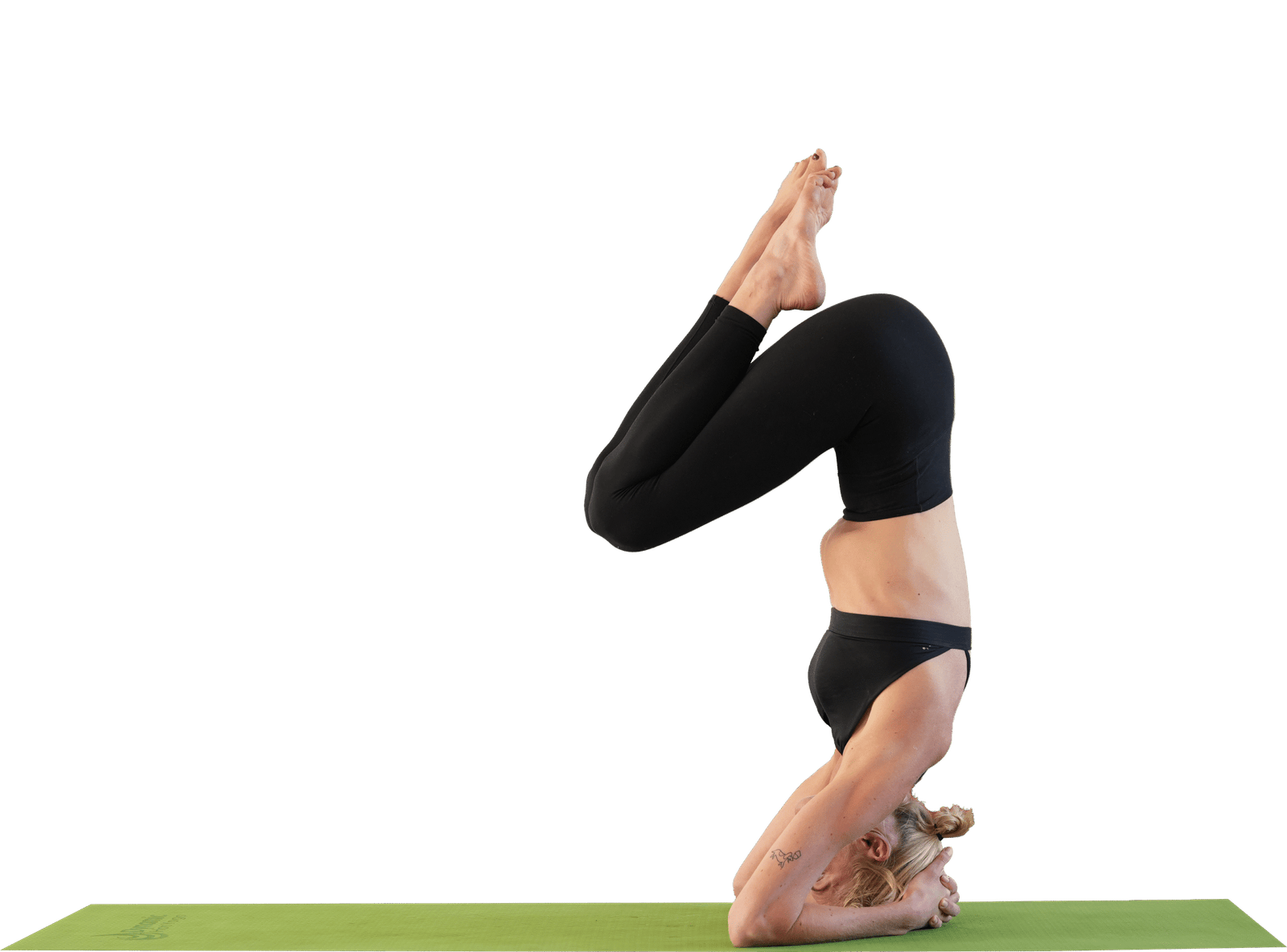 Step 4
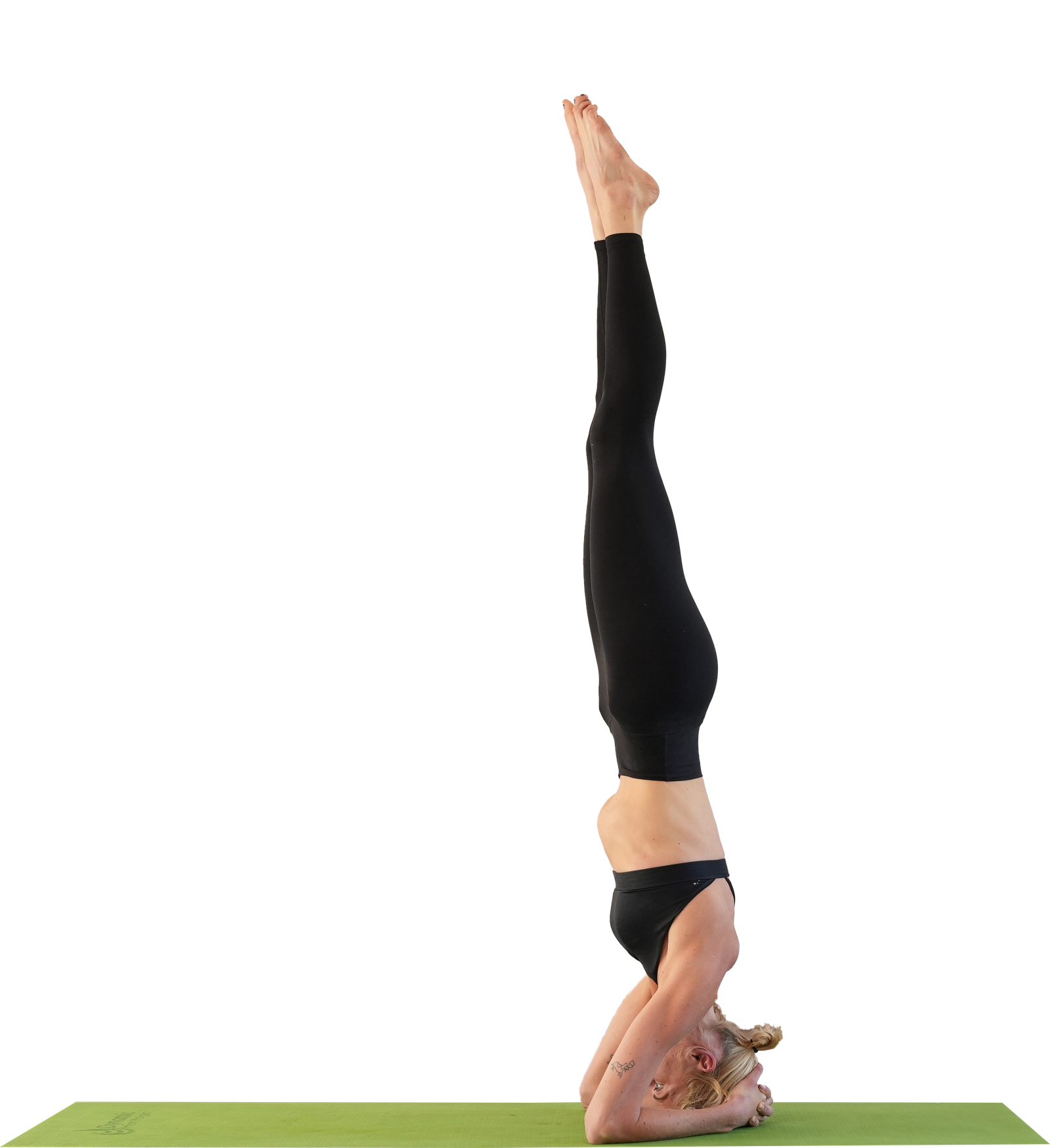 Step 5
Tips
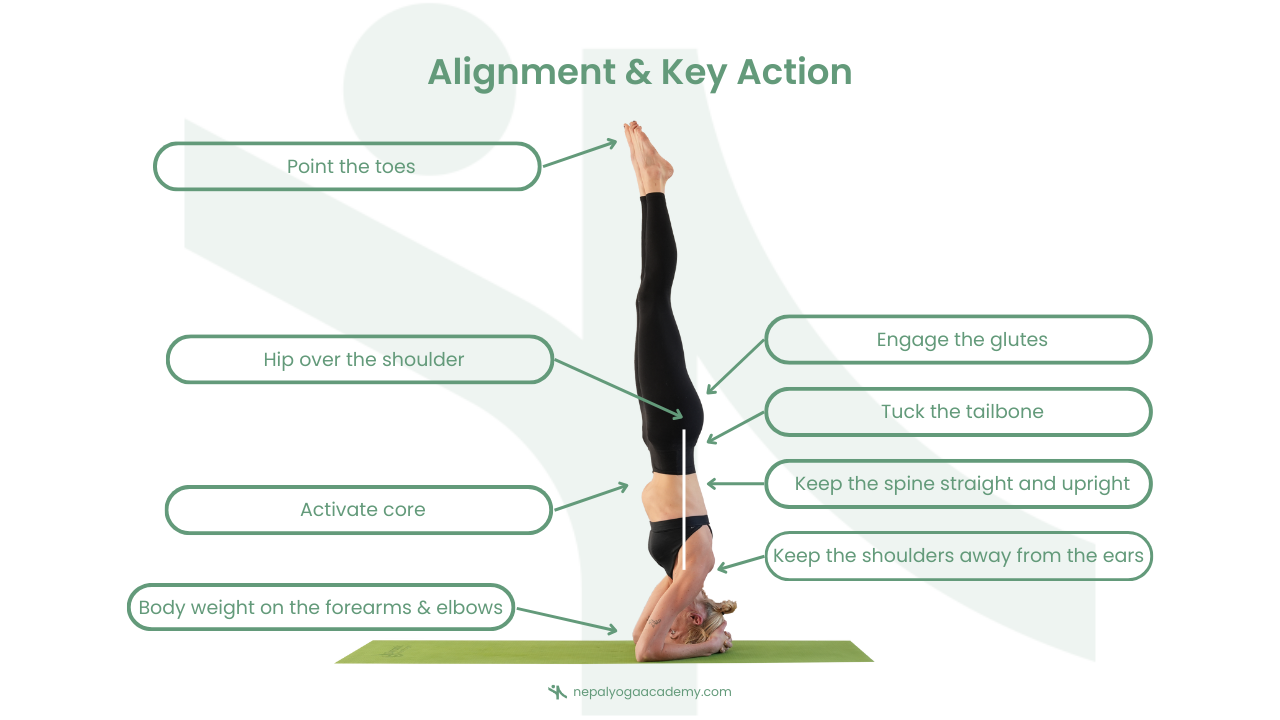
- Focus the eyes on a fixed point in front of you for balance.
- Keep the spine straight and upright. Do not arch back or hunch.
- Keep the shoulders tense and away from the ears.
- Keep the abdominal muscles, glutes, shoulders, and entire arms strong in this pose. Keep all of your body weight on the forearms and on the elbows (and very little on the head).
- If you lose balance, try to fall forward under control to avoid injury.
- Avoid holding for too long initially; gradually increase duration.
Beginners Tips:
- Use a folded towel to avoid excess pressure on your head and forearms.
- Make sure the towel is not too thick or too soft to avoid losing balance.
- Beginners should practice against a wall or with a partner for safety.
- Try the poses which strengthen core muscles and arms before attempting this pose.
- Use a wall for support when learning alone, placing your hips against it for stability and balance.
- Hold the pose for shorter durations initially and gradually increase as strength develops.
Alignment & Key Actions
Video tutorial
Precautions & Benefits
Precautions
AVOID
- If you have high blood pressure, chronic/serious head, neck, shoulder, back, or heart problems, or headache/migraine.
- If you have osteoporosis, herniated disk, cervical spine or neck injuries.
- If you have retinal problems, glaucoma or ear infections.
- During menstruation and pregnancy.
BE CAREFUL
- If you get dizzy easily, have elbow issues, or if you are menstruating.
- If you haven’t practiced this pose before, try under expert guidance.
- If you have a recent surgery, try with extra caution.
Benefits
Therapeutic:
- May help manage mild depression and anxiety through increased cerebral circulation.
- Supports lymphatic drainage and immune system function through inversion.
- Can improve digestive function by reversing gravitational effects on abdominal organs.
- May help relieve varicose veins by promoting venous return from the legs.
- Strengthens respiratory capacity through diaphragmatic engagement in the inverted position.
General:
- Strengthens the arms, shoulders, core muscles, glutes, and legs.
- Stimulates thyroid, parathyroid, pituitary, and pineal glands.
- Increase blood flow to the head and brain.
- Improves digestion, helps energize the body.
- Stimulates the central nervous system.
- May improve memory, focus, mental clarity and cognitive function.
- Develops confidence, courage, and mental resilience through mastery of a challenging pose.
Postural Effects on the Body Systems
Nervous System and Brain
- Enhances cognitive function, memory, and mental clarity, through increased blood flow to the brain.
- Helps regulate hormonal balance throughout the body, by stimulating the pituitary gland.
- Calms the mind through concentrated focus required for balance.
Musculoskeletal System
- Strengthens the deltoids, trapezius, and rotator cuff muscles of the shoulders.
- Continuous engagement of abdominal and spinal stabilizers, builds core strength.
- Strengthens the deep neck flexors and extensors.
- Enhances overall neuromuscular coordination throughout the body.
Respiratory System
- Expands lung capacity through the opening of the chest and engagement of intercostal muscles.
- Encourages deeper, and diaphragmatic breathing patterns, enhancing respiratory efficiency.
- Improves oxygen supply to the upper lobes of the lungs.
Core and Abdominal Organs
- Reverses gravitational pull on abdominal organs, improving their positioning and function.
- Stimulates digestive organs (stomach, liver, spleen, and intestines) through inverted compression.
- Enhances metabolic function by increasing blood flow to abdominal viscera.
Circulatory and Lymphatic Systems
- Facilitates venous return from the lower body, reducing pooling of blood in the legs and feet.
- Facilitates lymphatic drainage from the lower body.
- Nourishes brain tissue with oxygen and nutrients by increased cerebral blood flow.
- By reversing normal gravitational blood flow patterns, it improves circulation throughout the entire body.
Shirshasana inspires the practitioner to approach the pose with balance, patience, and discipline. It encourages mindful practice, steady breathing, and self-control rather than force.
Regular practice of this pose with proper preparation and guidance builds a deeper connection between body and mind. At Nepal Yoga Academy, you are guided well for all the Asanas so that you can perform smooth Yoga Asanas.
Preparatory Poses
Modifications and Variations