


Introduction
Ardha Matsyendrasana (Half Spinal Twist Pose) is one of the most popular and accessible postures in the seated asana series. It is named after the great yogi Matsyendra, one of the revered masters of the Hatha Yoga tradition. This seated twisted posture involves a deep rotation of the spine, helping release stiffness in the back and promoting the healthy functioning of the digestive organs.
Base Positions
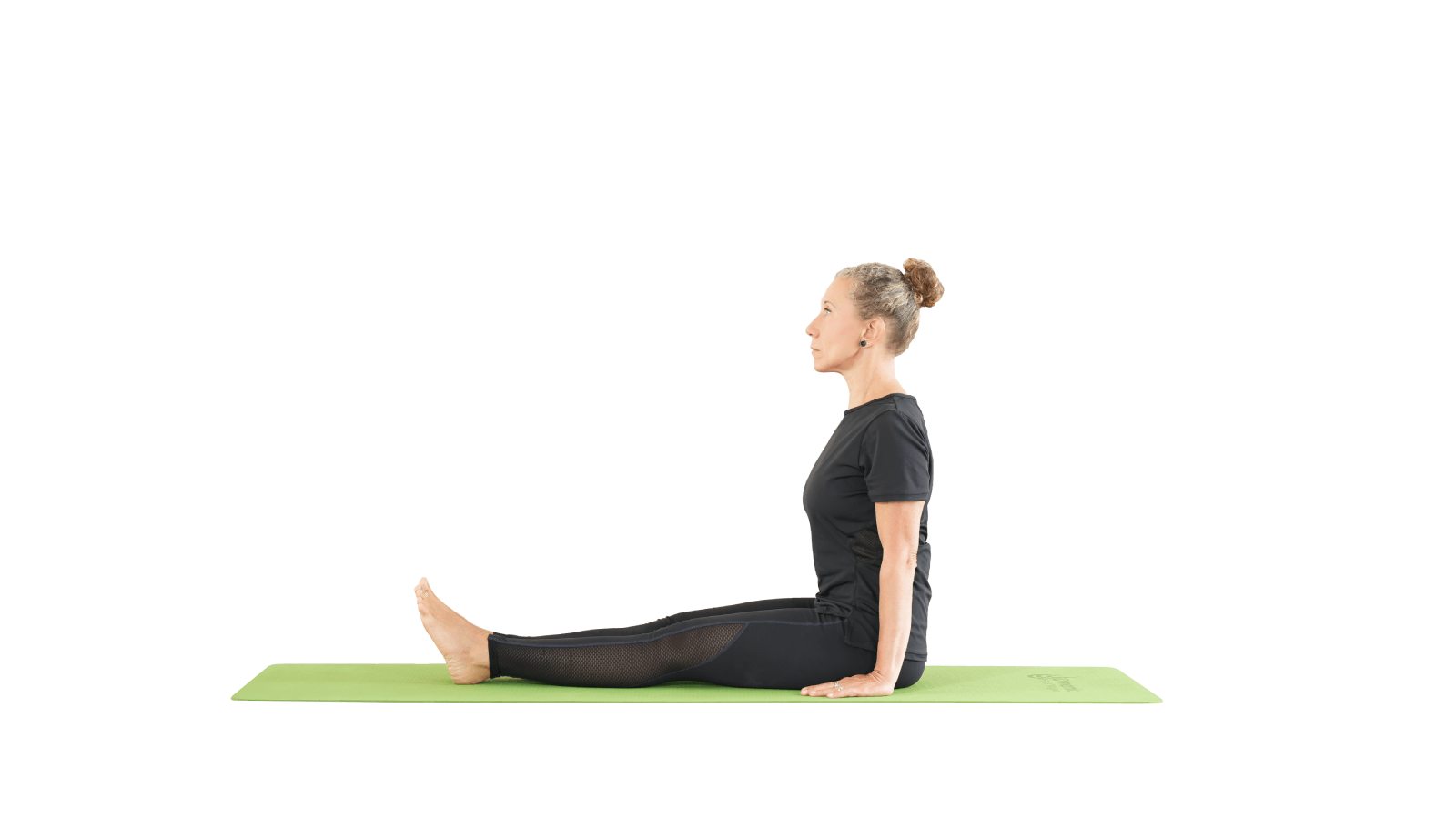
Sit in Dandasana (Staff Pose) with the spine straight and upright, hands by the sides, and legs extended forward with the feet together. Inhale, exhale, and relax.
Getting into position
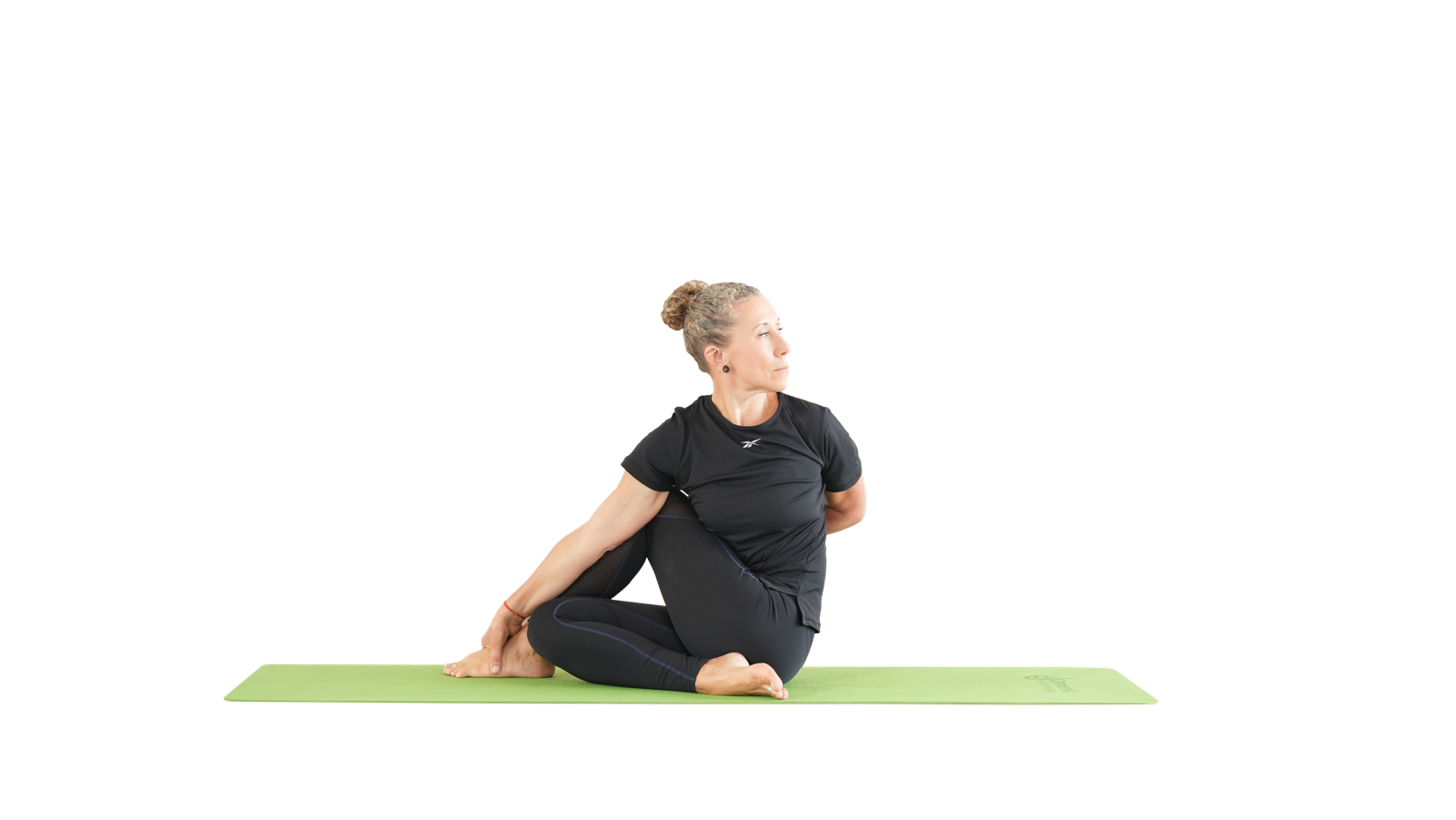
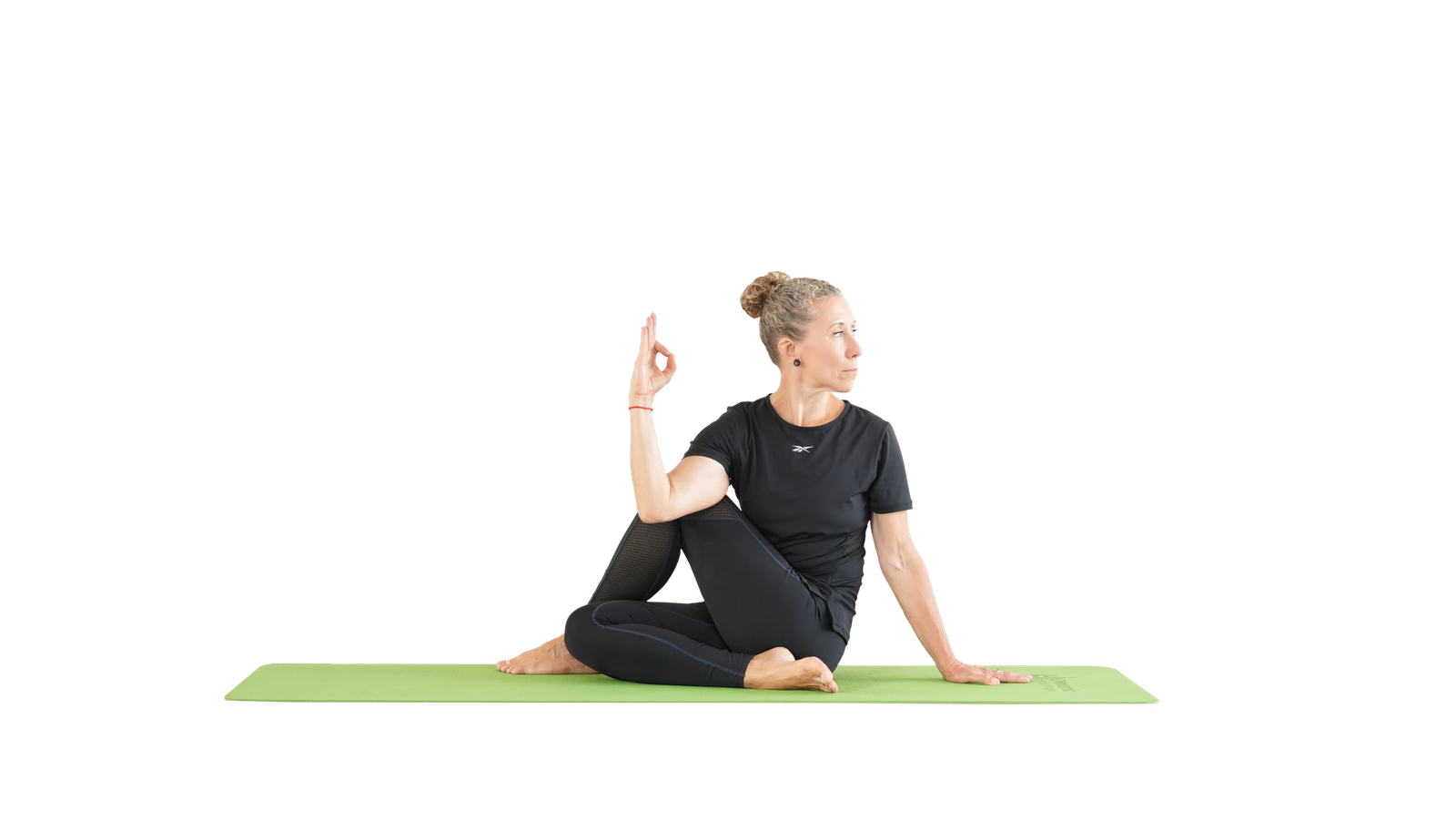
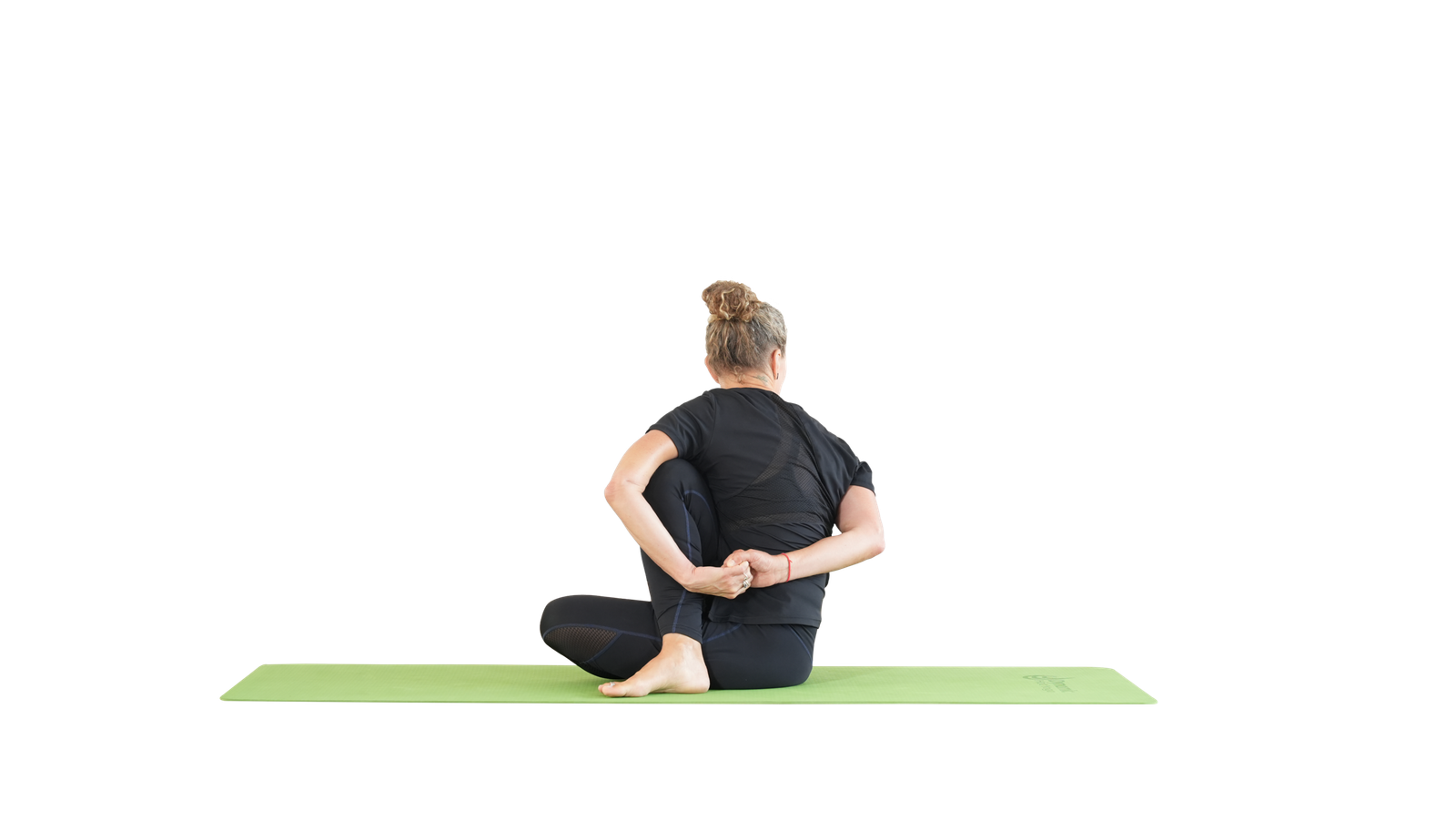
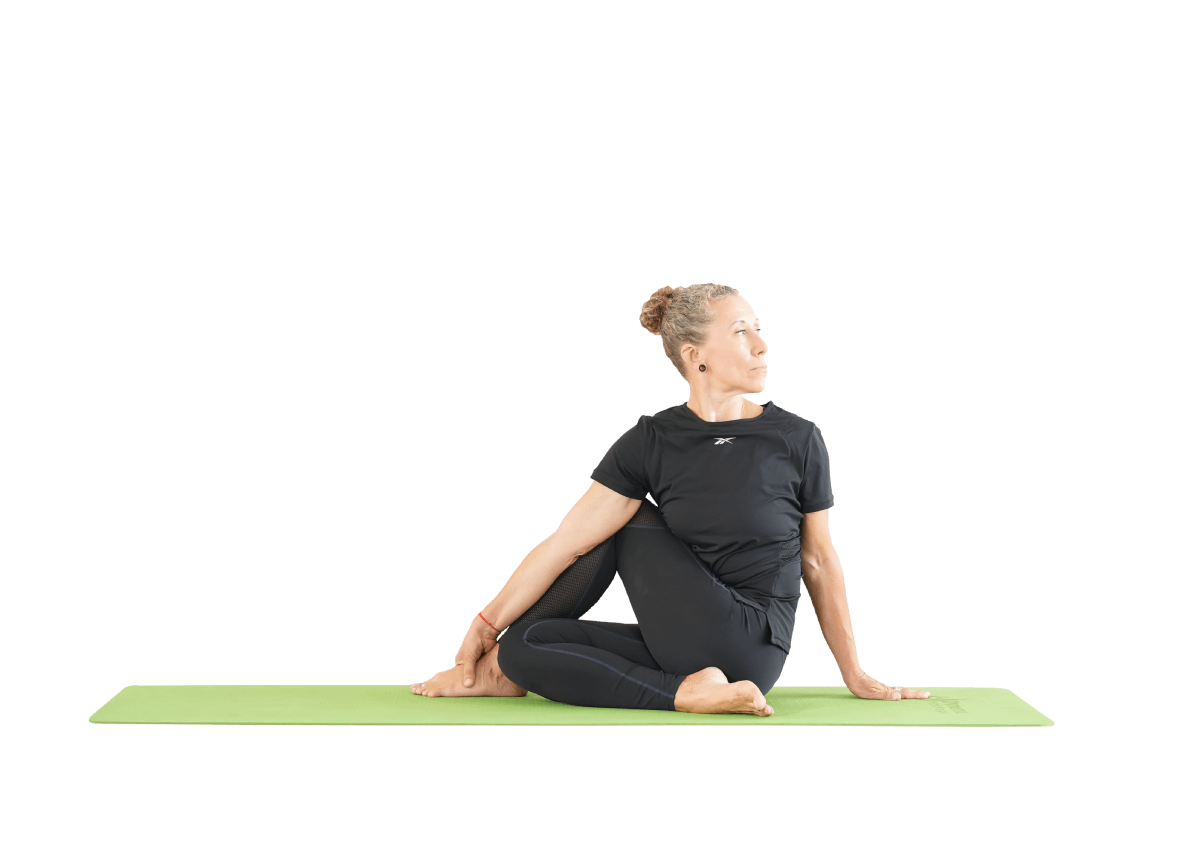
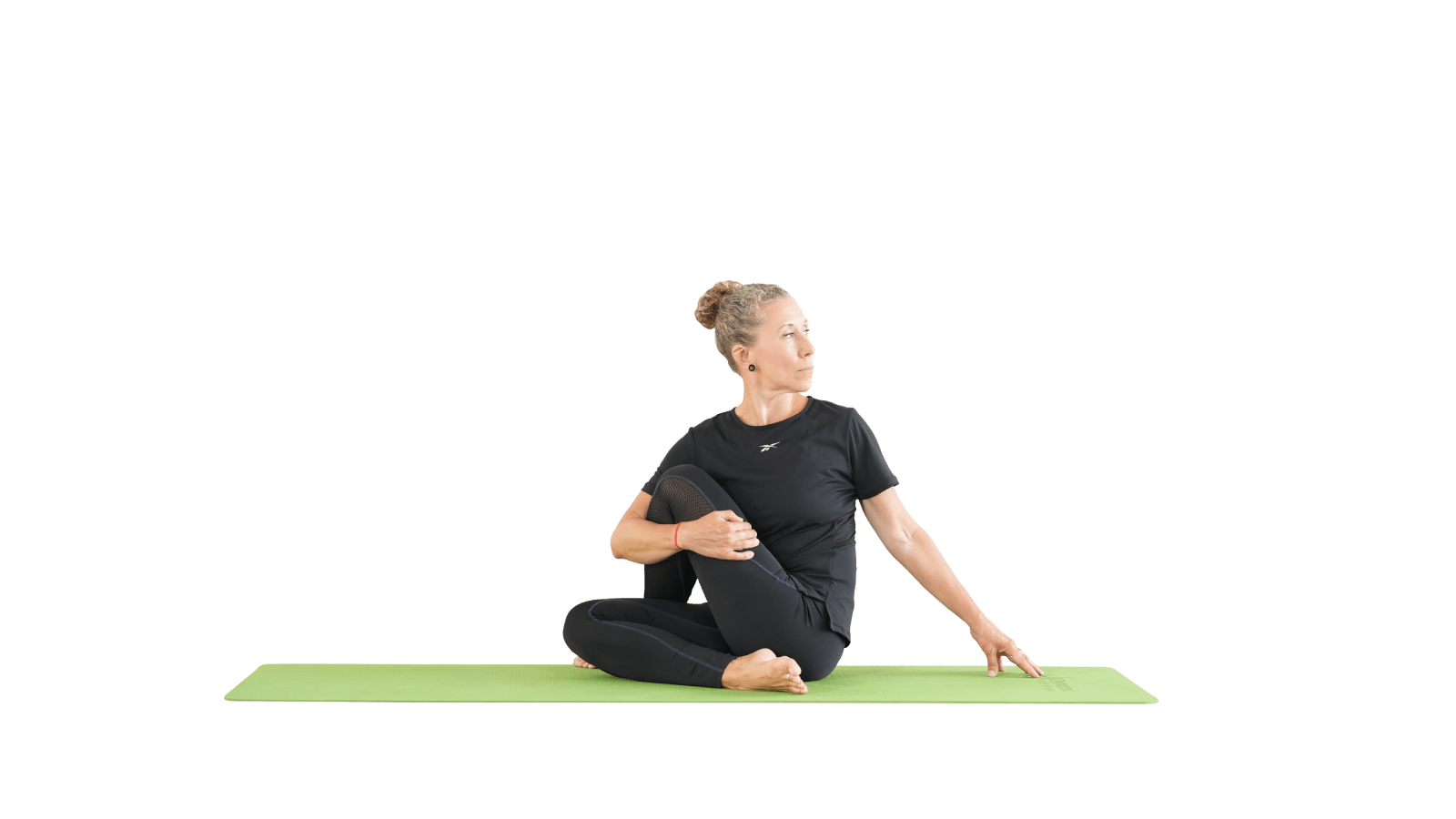
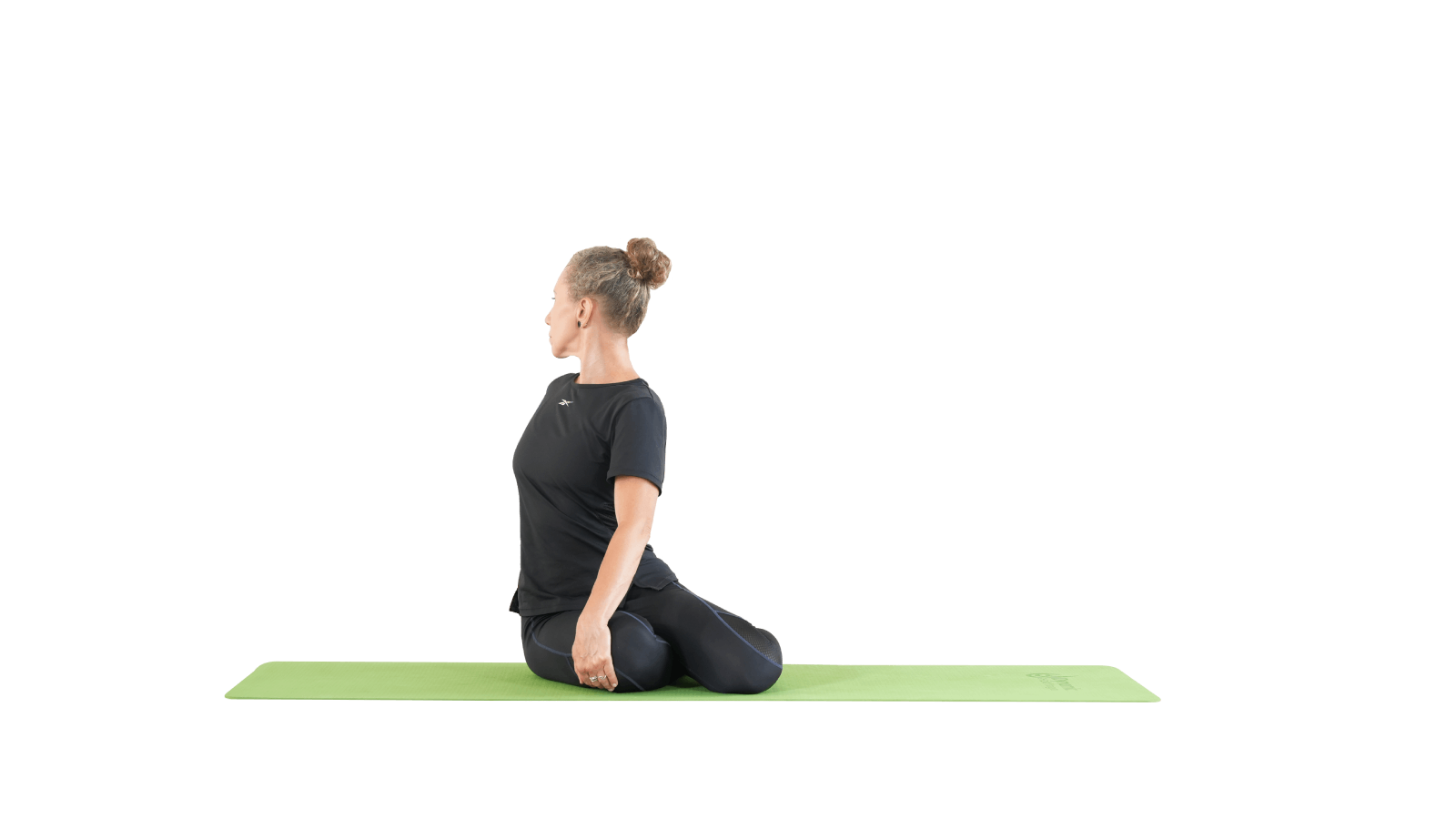
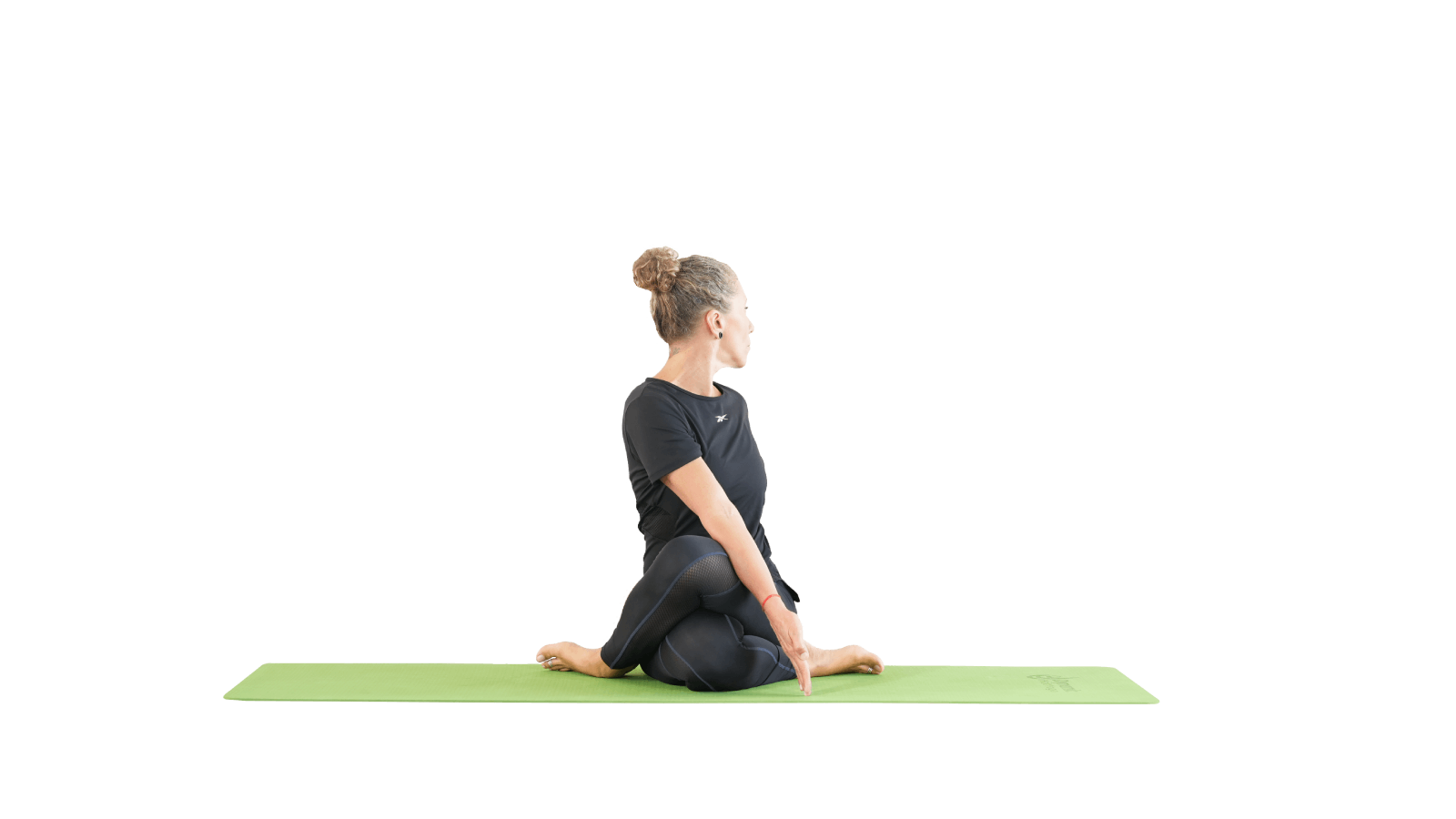
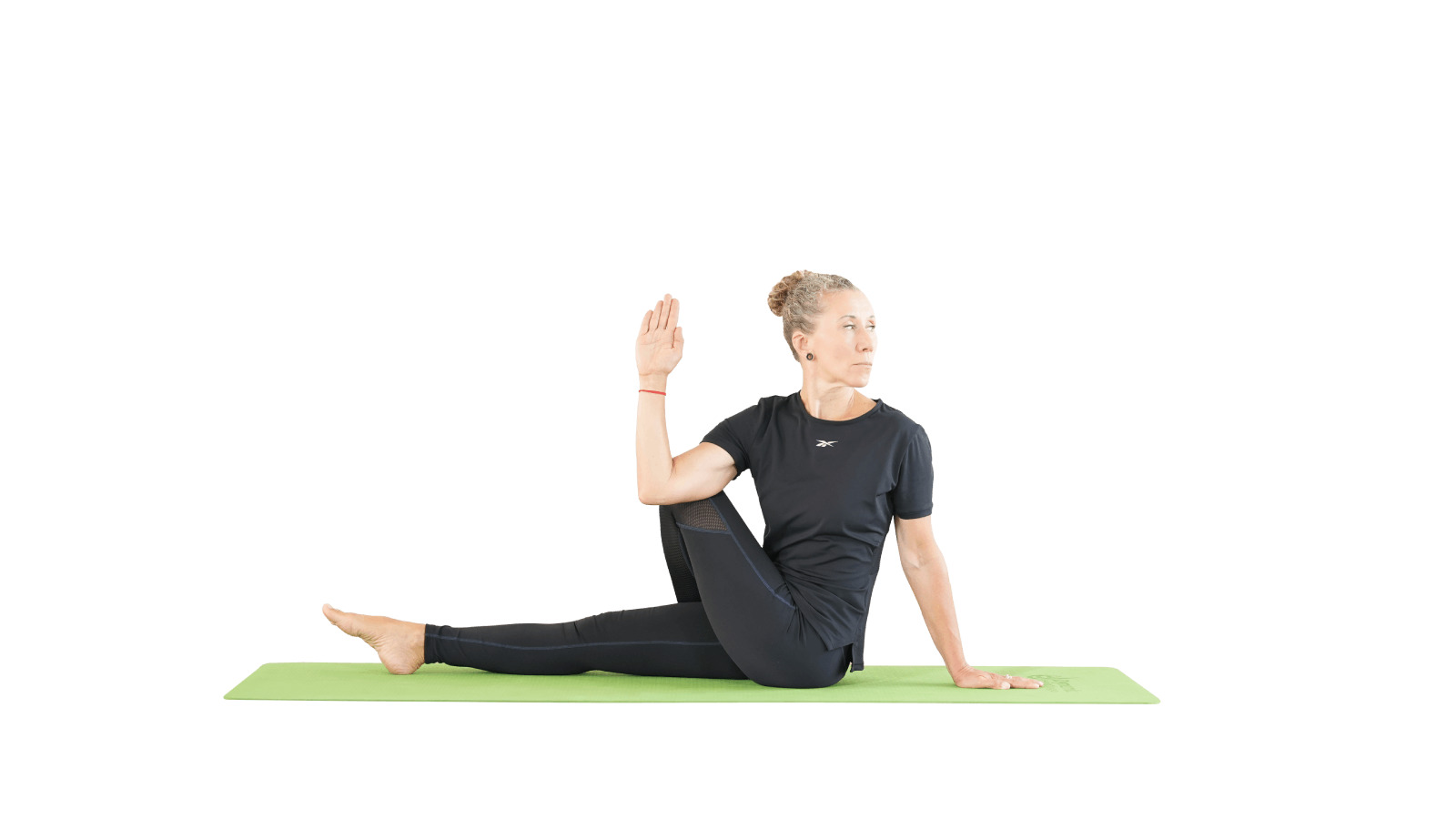
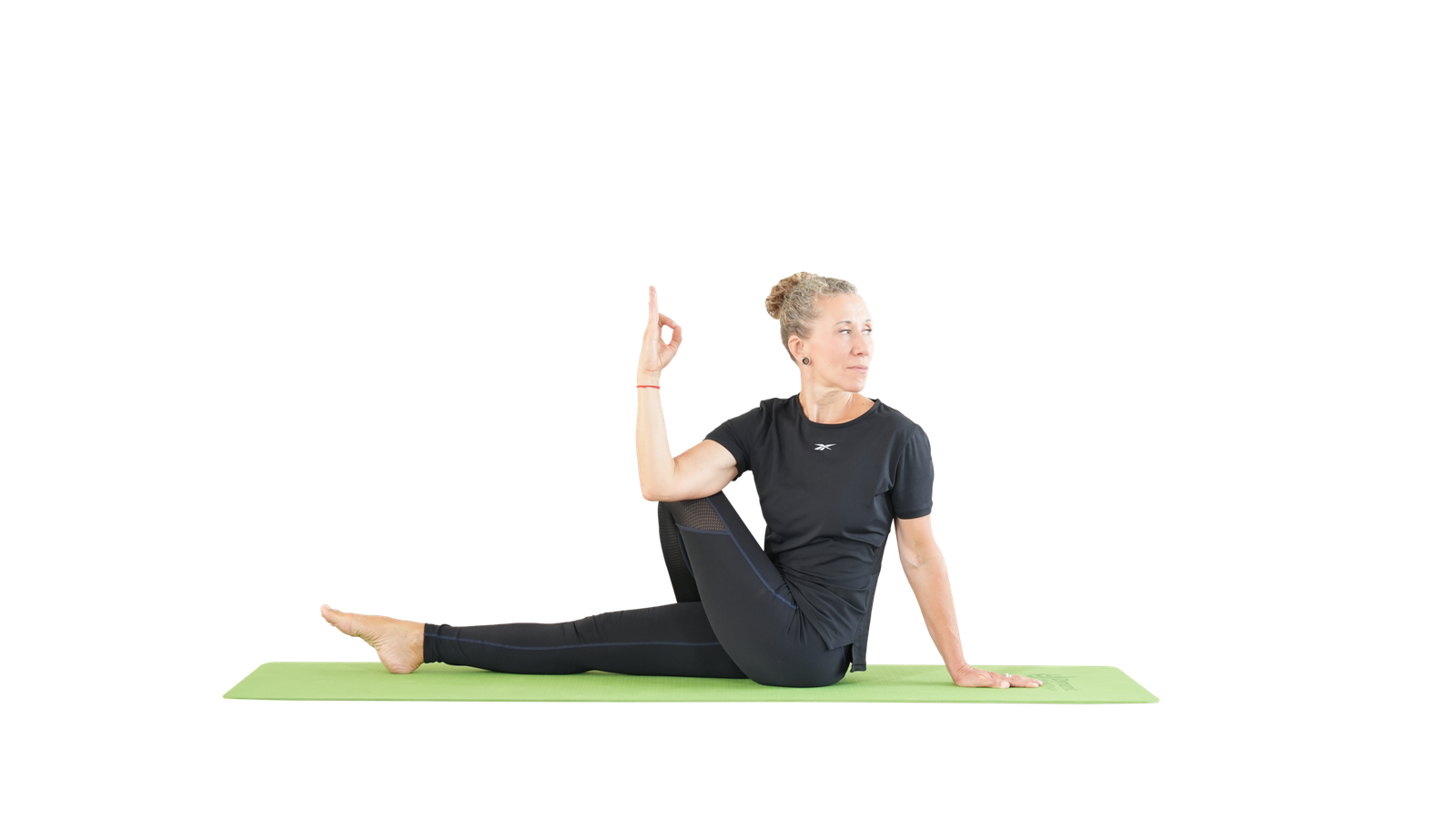
Step 1: Bend one leg and bring the heel beside the opposite buttock, with the knee on the floor. Bend the other leg and place the foot outside the opposite knee. Twist the torso toward the side of the bent top leg and place the same-side hand behind the back for support.
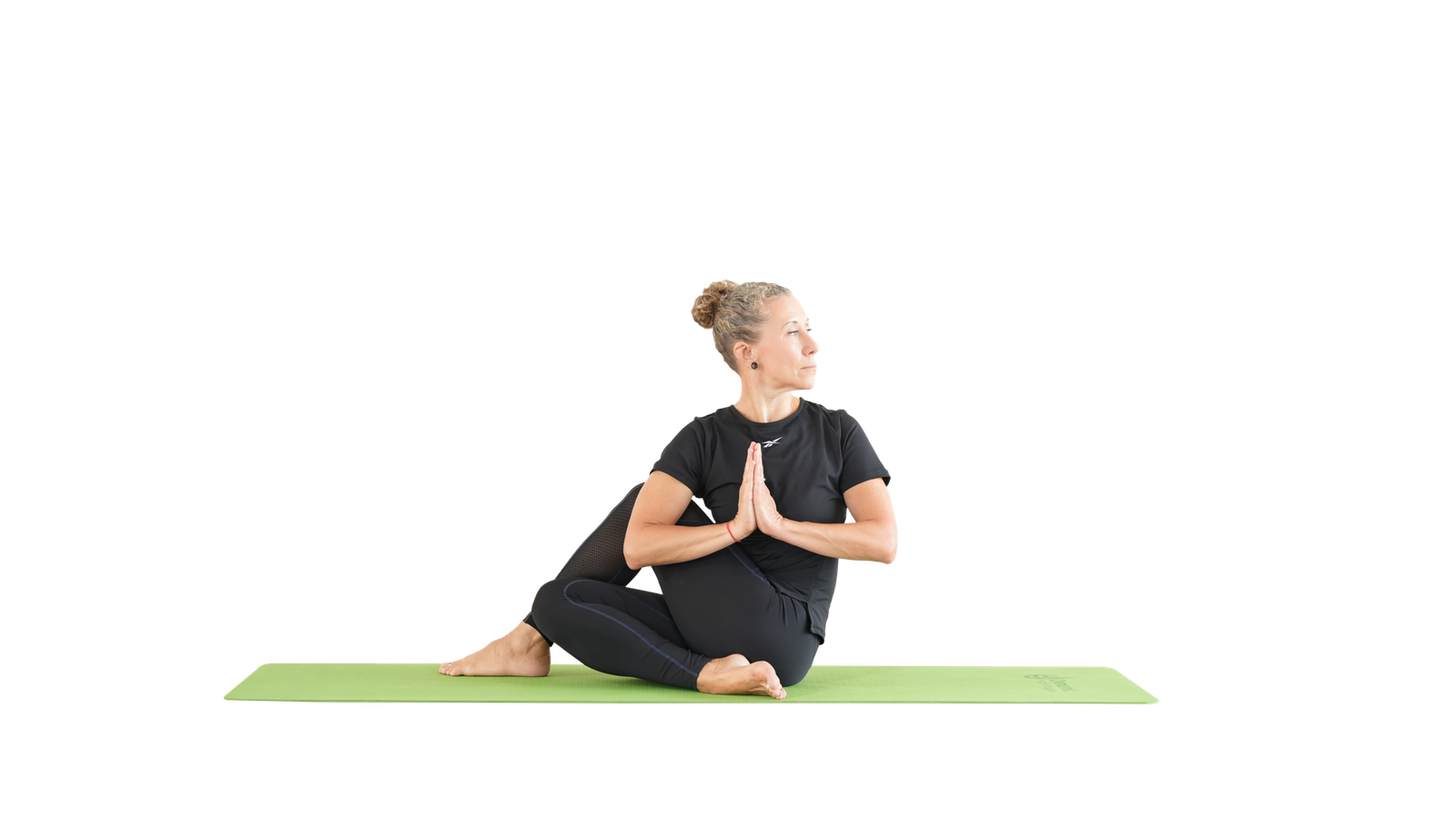
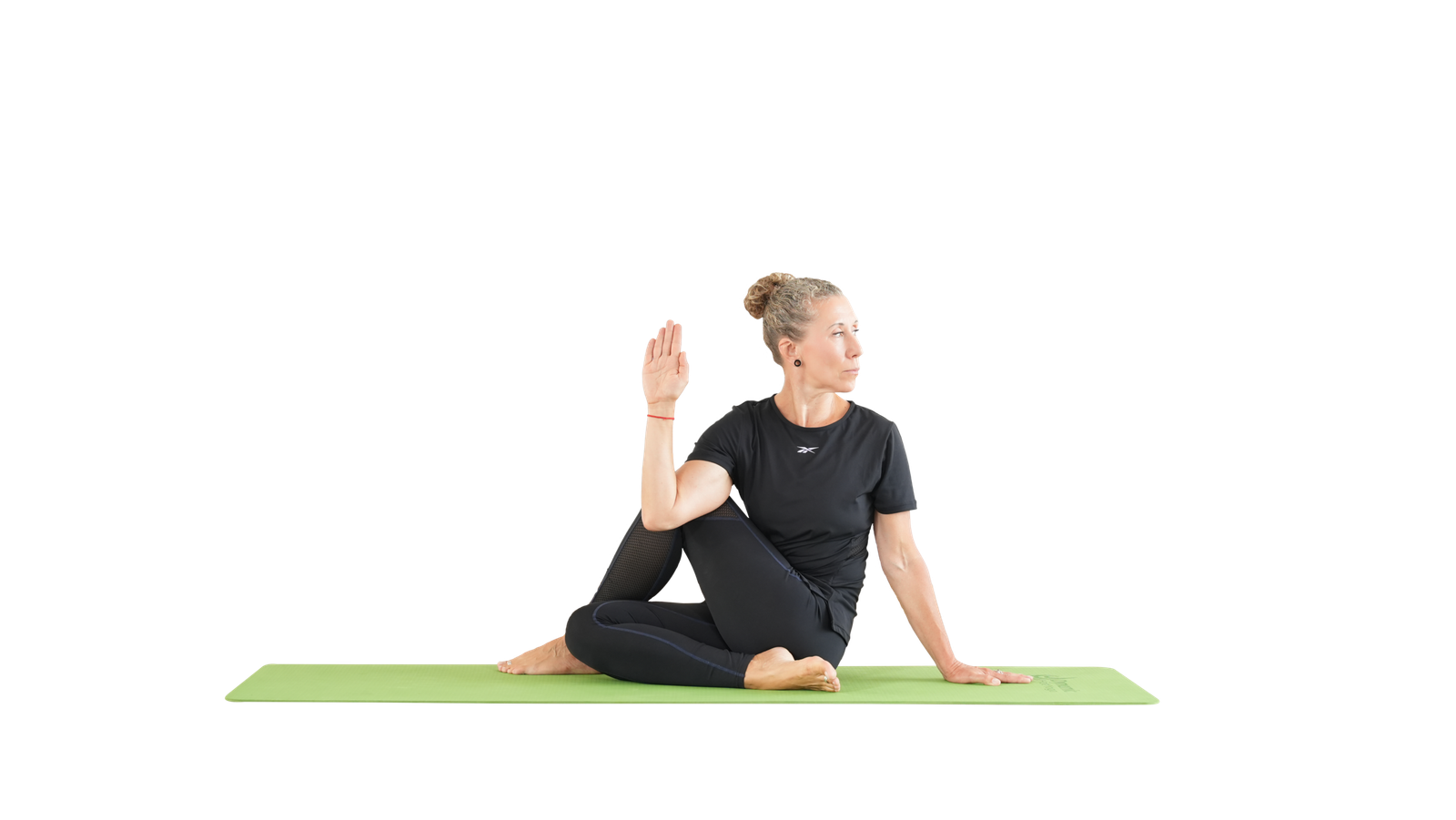
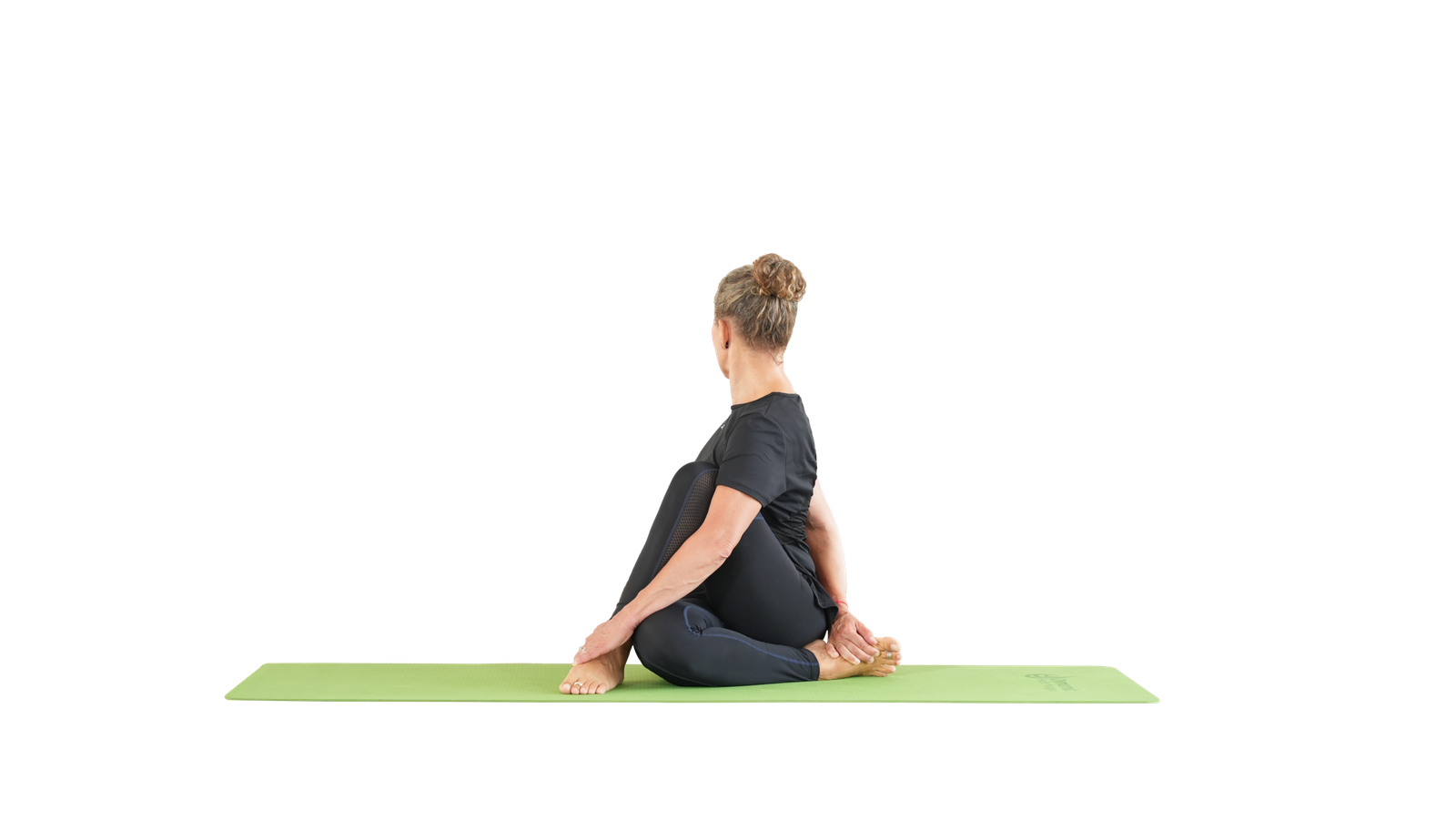
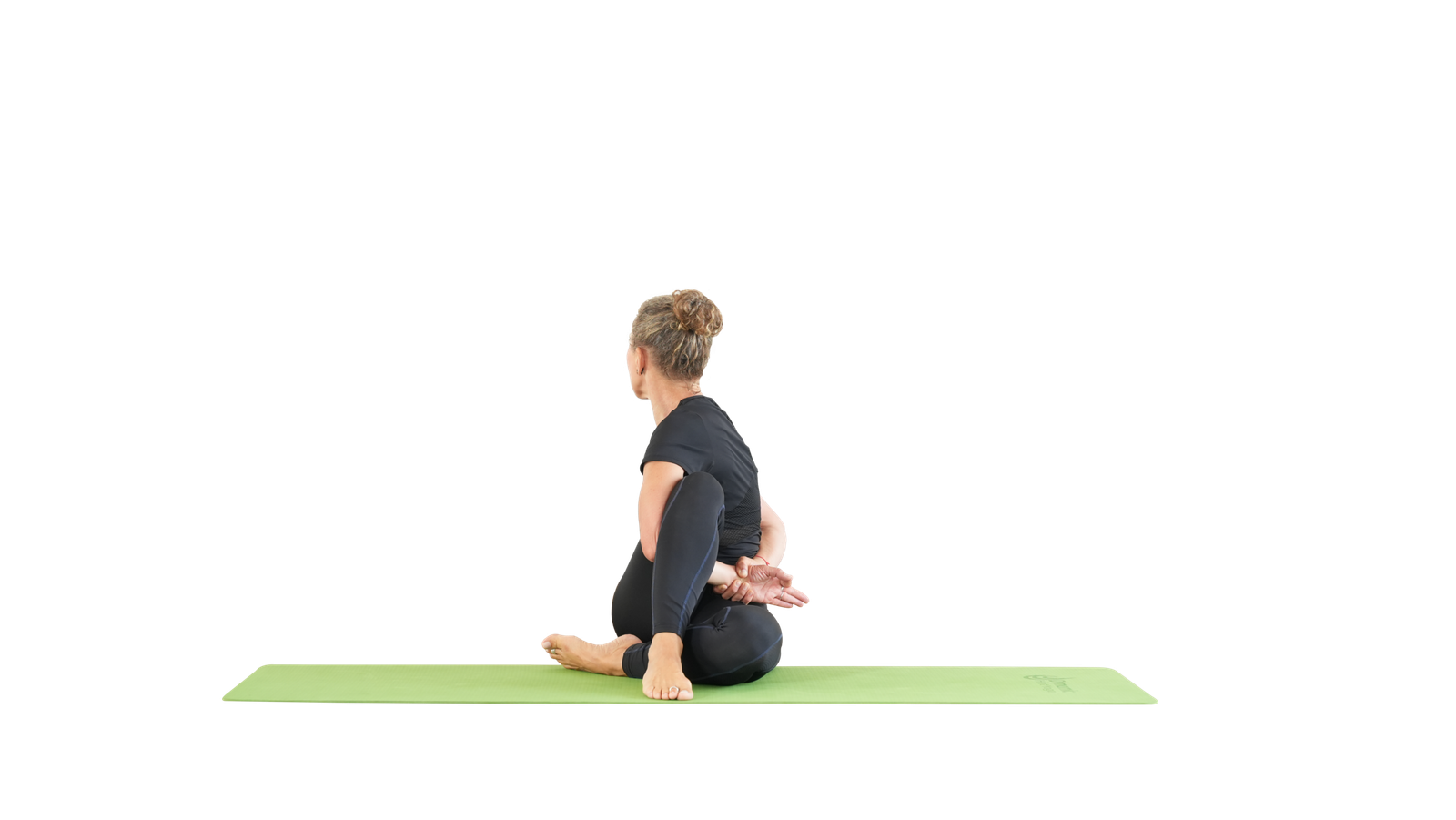
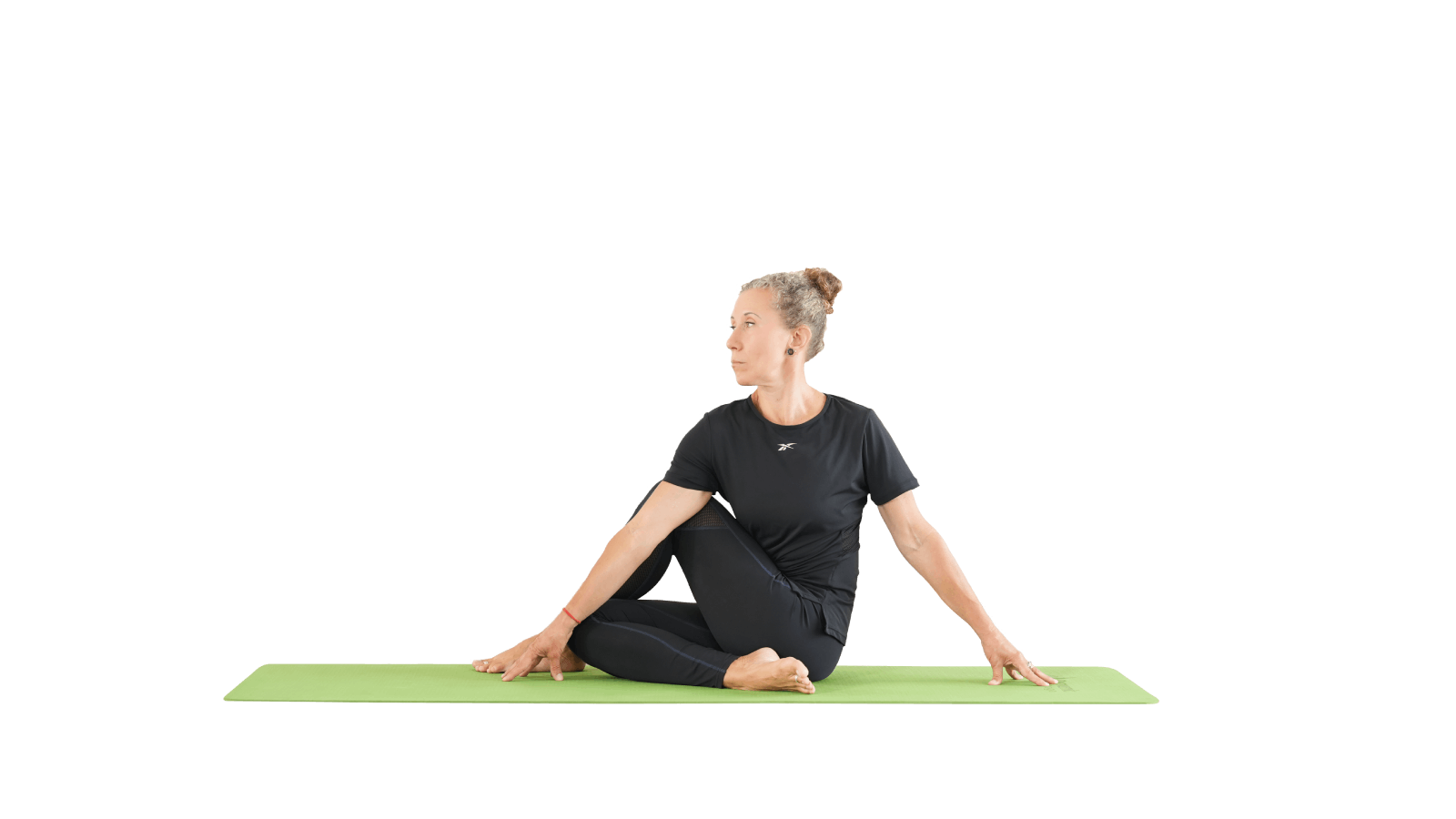
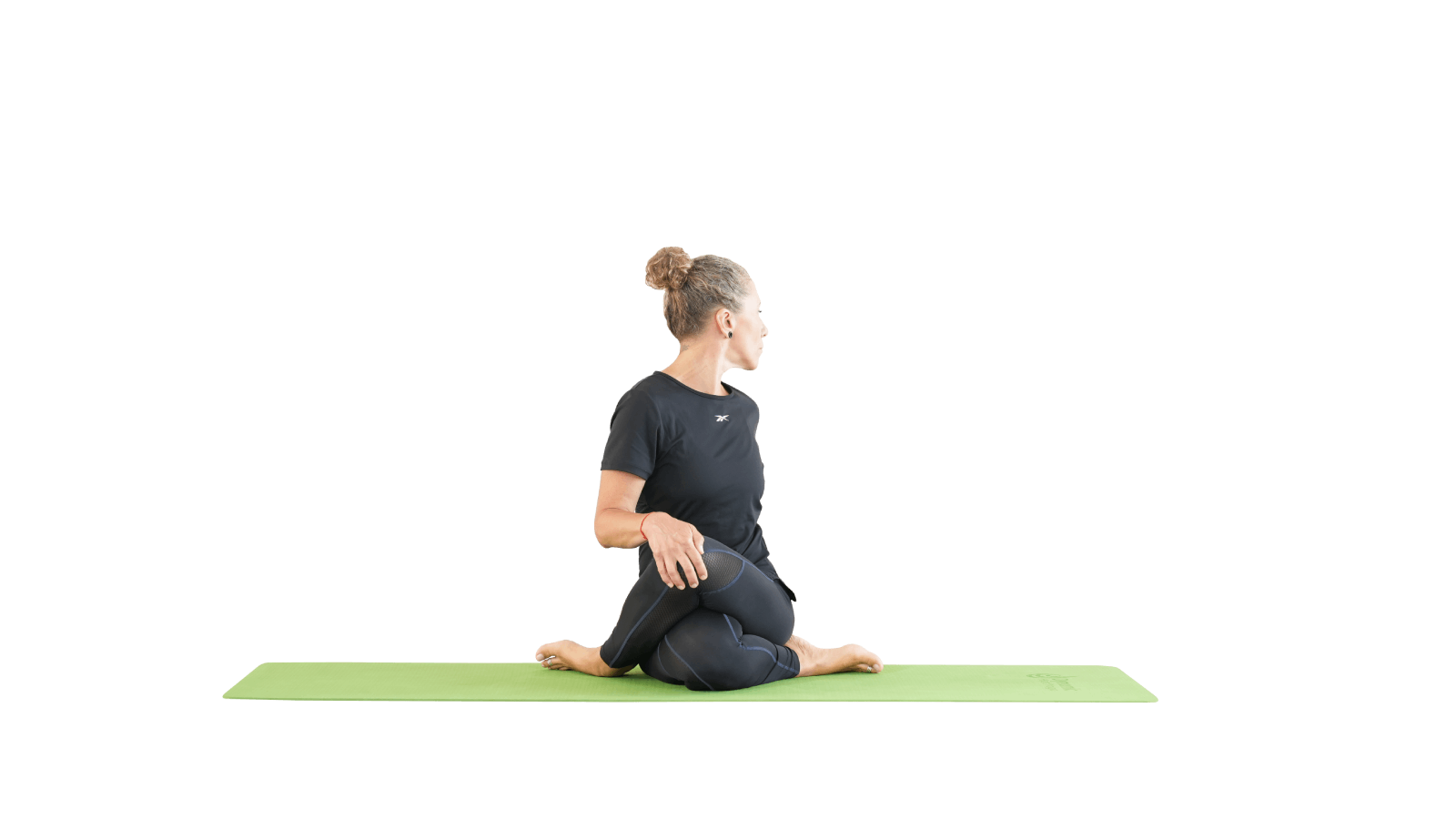
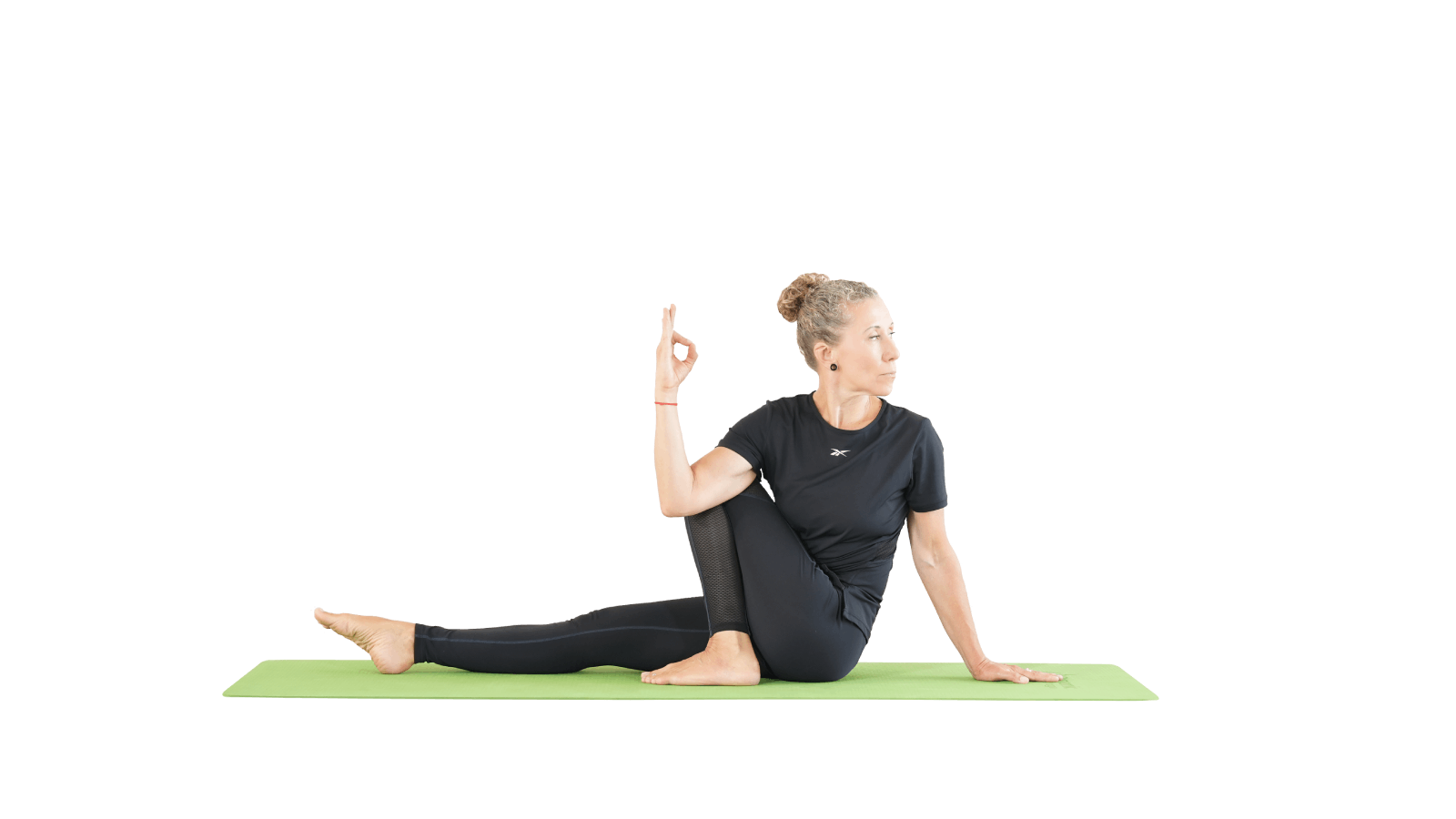
Step 2: Exhale. While inhaling, raise the opposite arm upward and while exhaling, bring the elbow to the outside of the bent knee and wrap the arm around it to hold the inside of the foot (or shin). Exhale. While inhaling, lengthen the spine and roll the shoulder of the supporting arm backward. For an advanced version, wrap the supporting arm around the back.
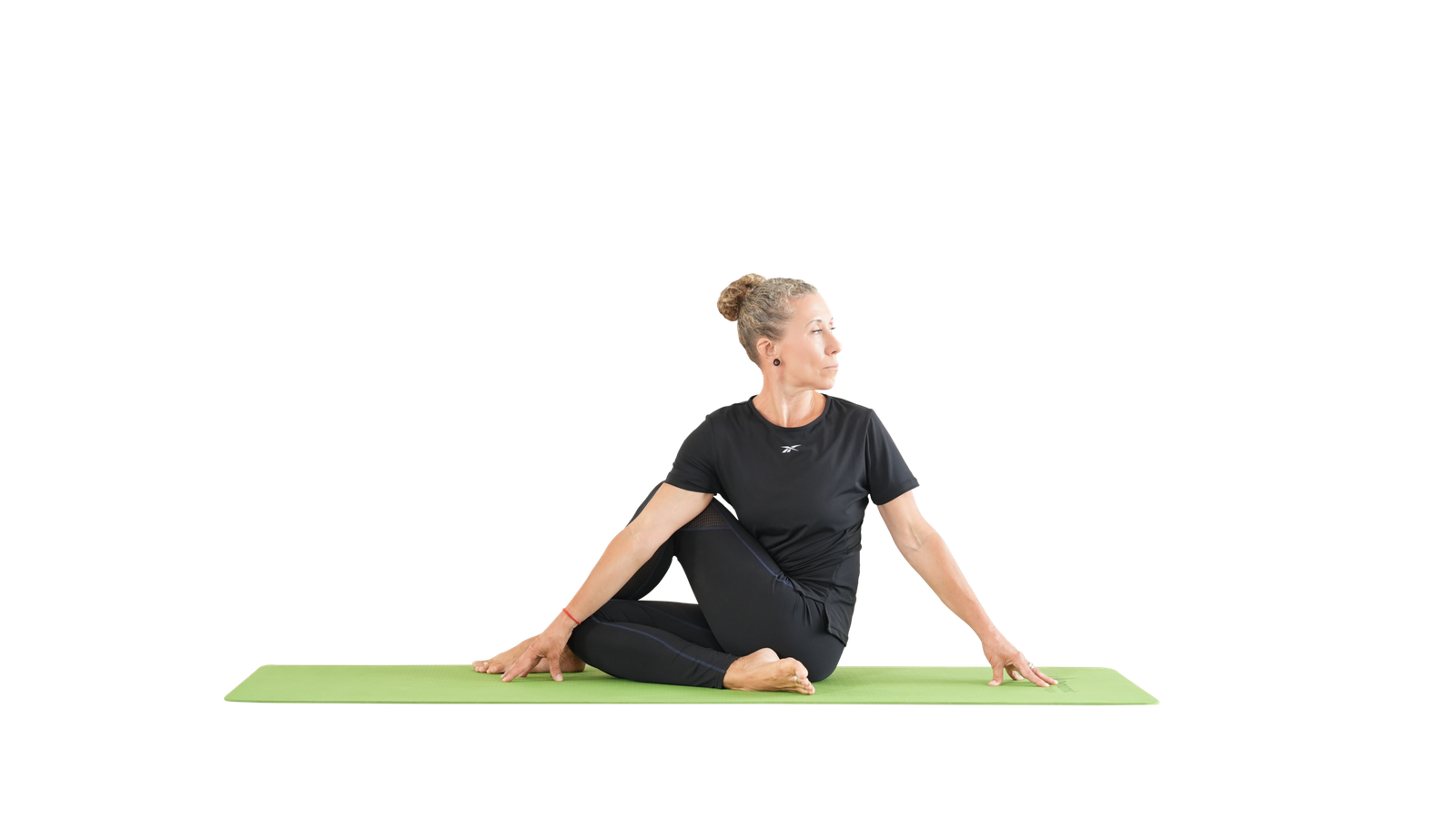
Step 3: While exhaling, twist the torso further in the same direction. Look over the shoulder. Hold for a few moments to allow the body to adjust. Inhale. While exhaling, twist further. Hold with normal breathing for about 30 seconds.
Coming out of position
Step 1: Slightly relax the body. Inhale. Exhaling, bend the knees only (keeping thighs in-line with torso); then, lower the knees down to the chest. Hold for a moment to maintain balance.
Step 2: Then, lower the feet under control one at a time, touching the toes to the floor. Inhale. Exhaling, lower your knees and shins to the floor. Take a rest in Sashankasana (Moon Pose) for a few moments. Inhaling, slowly lift your head up, and sit into Vajrasana. Inhale, exhale, and relax.
Note: For a counter posture, stand in Tadasana for a few moments.
Poses: Step by Step
 Ardha Matsyendrasana Step By Step: Step 1
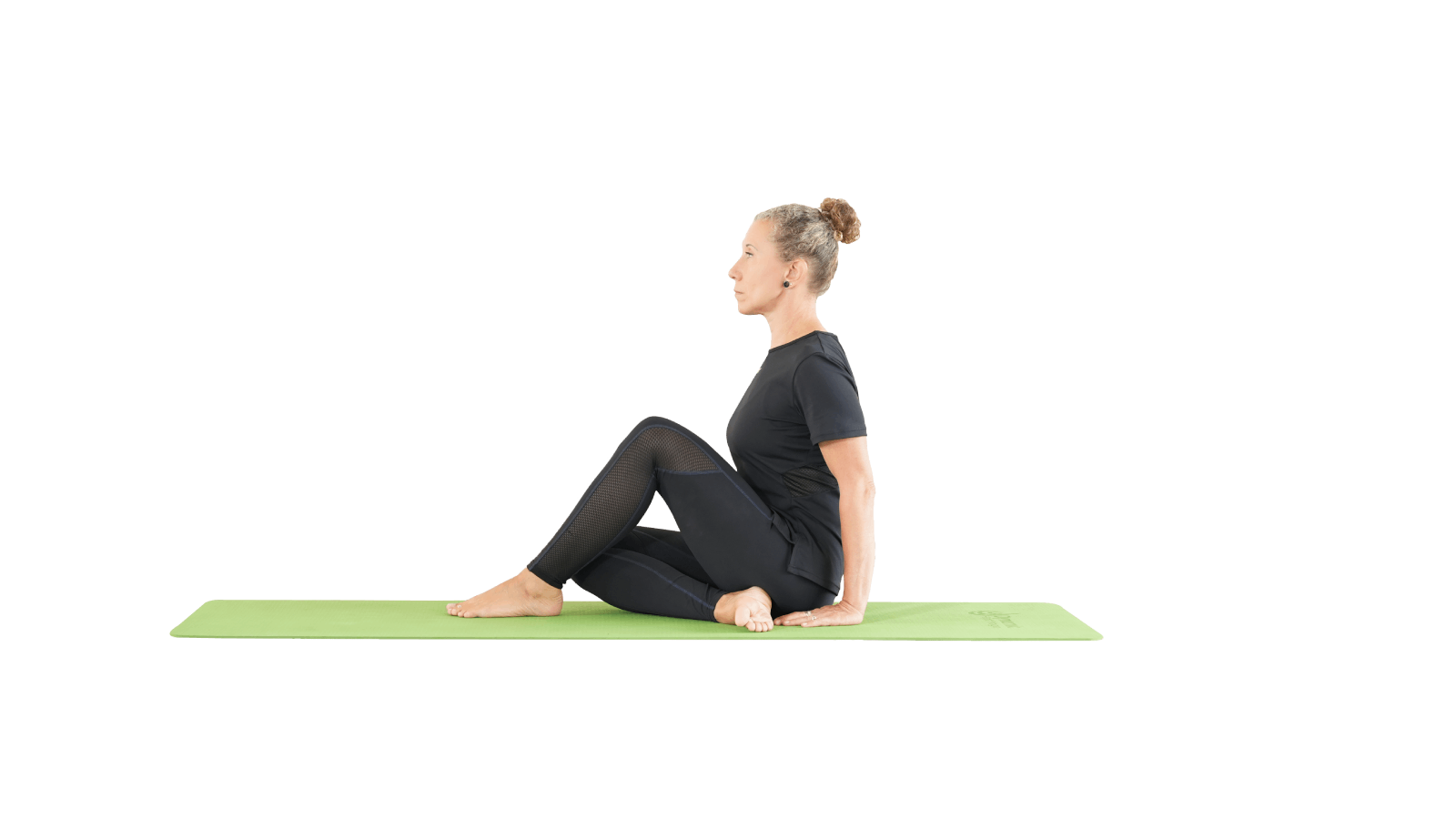 Ardha Matsyendrasana Step By Step: Step 2
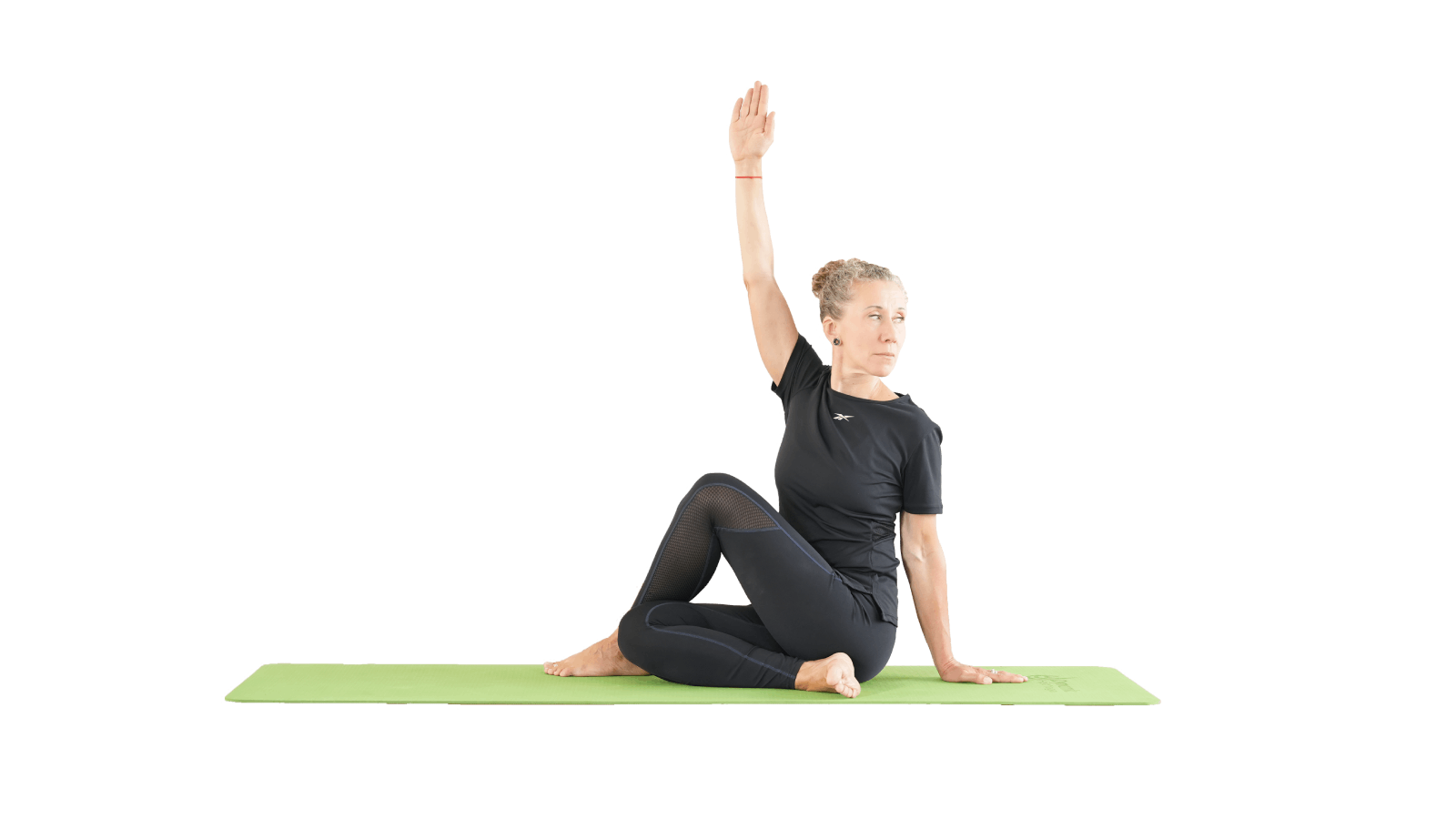 Ardha Matsyendrasana Step By Step: Step 3
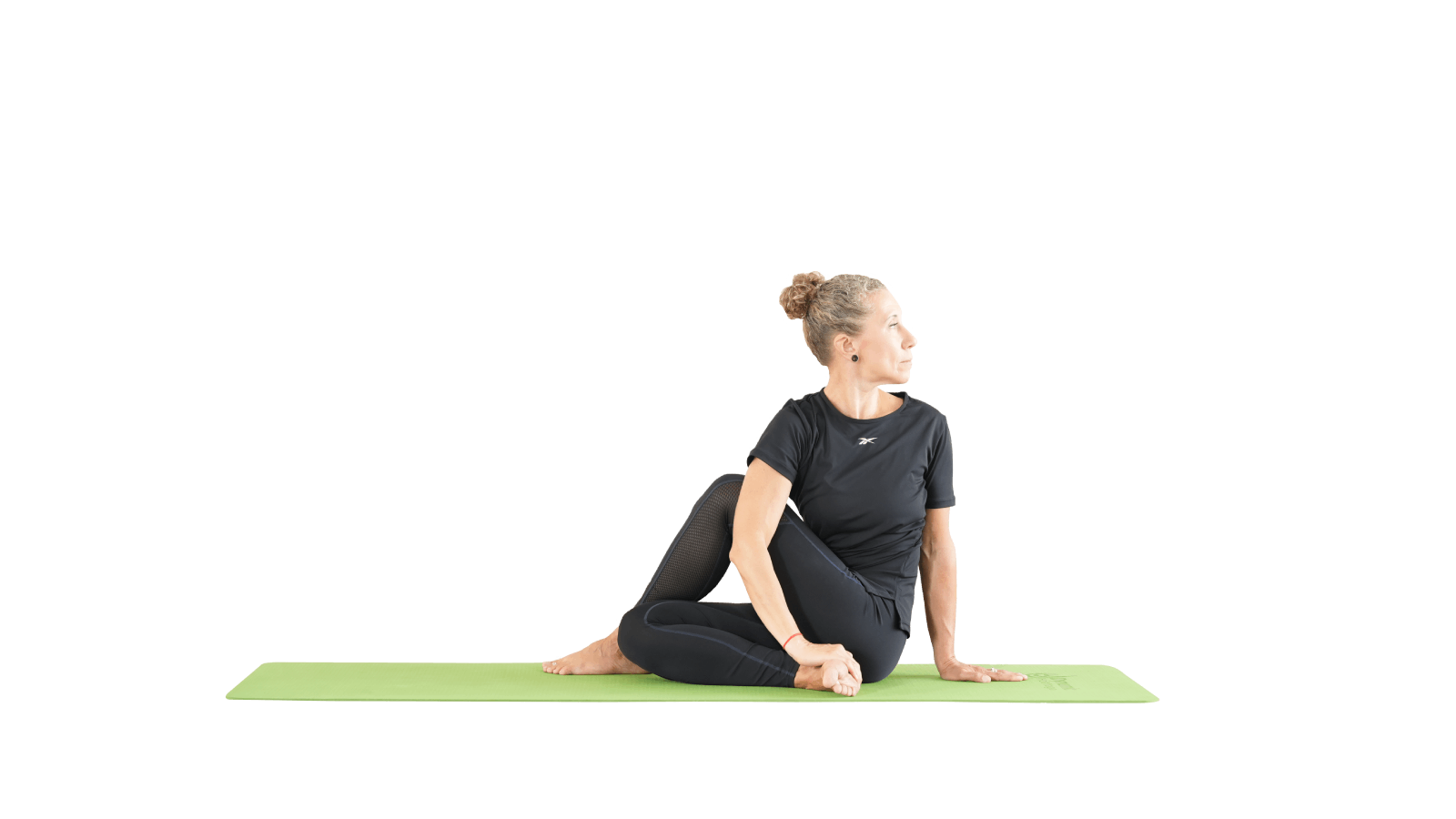 Ardha Matsyendrasana Step By Step: Step 4
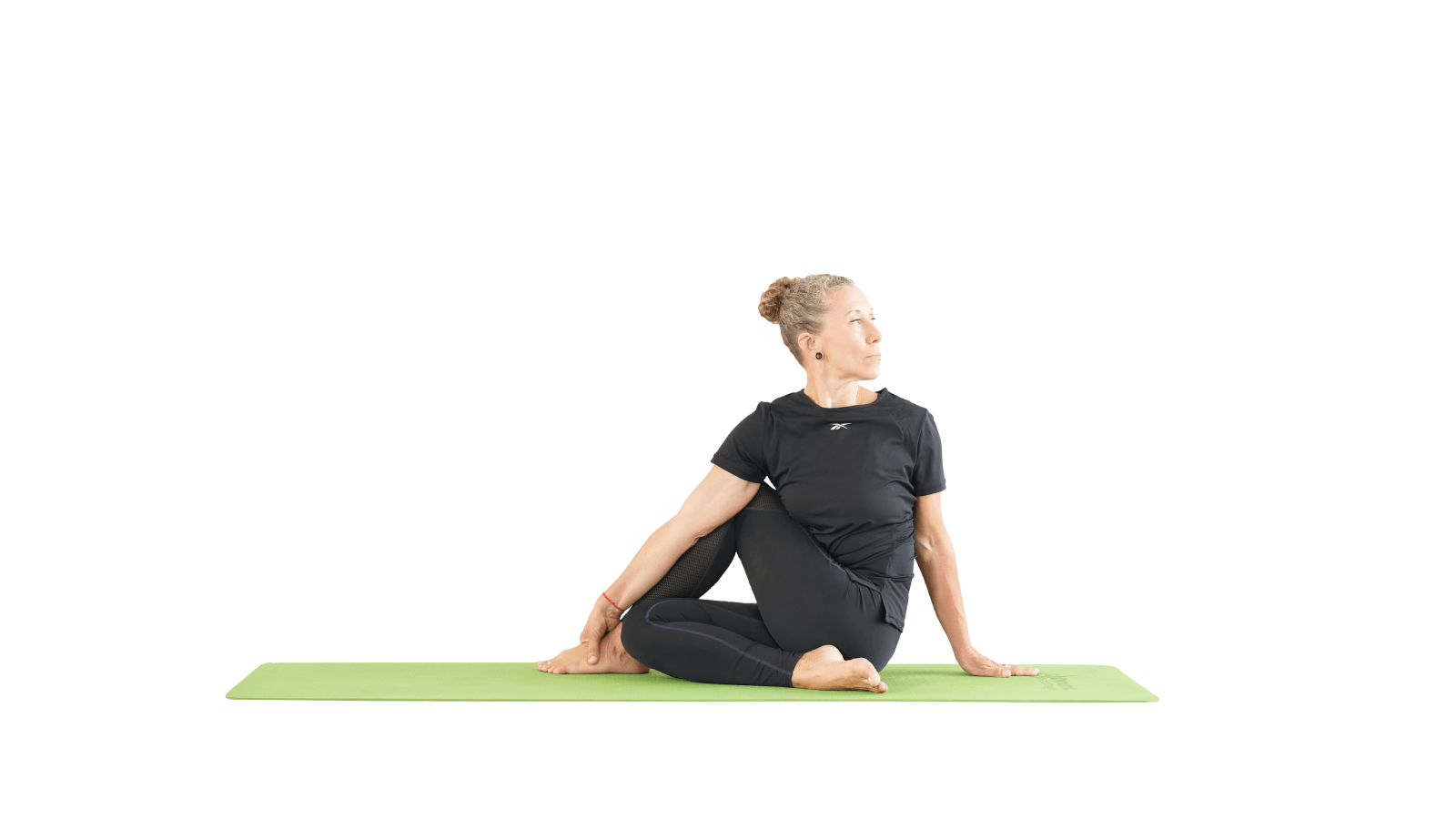 Ardha Matsyendrasana Step By Step: Step 5
Tips
- The buttock of the top leg may rest on the floor or on the heel of the bottom leg or sit on a folded blanket if your hips feel tight.
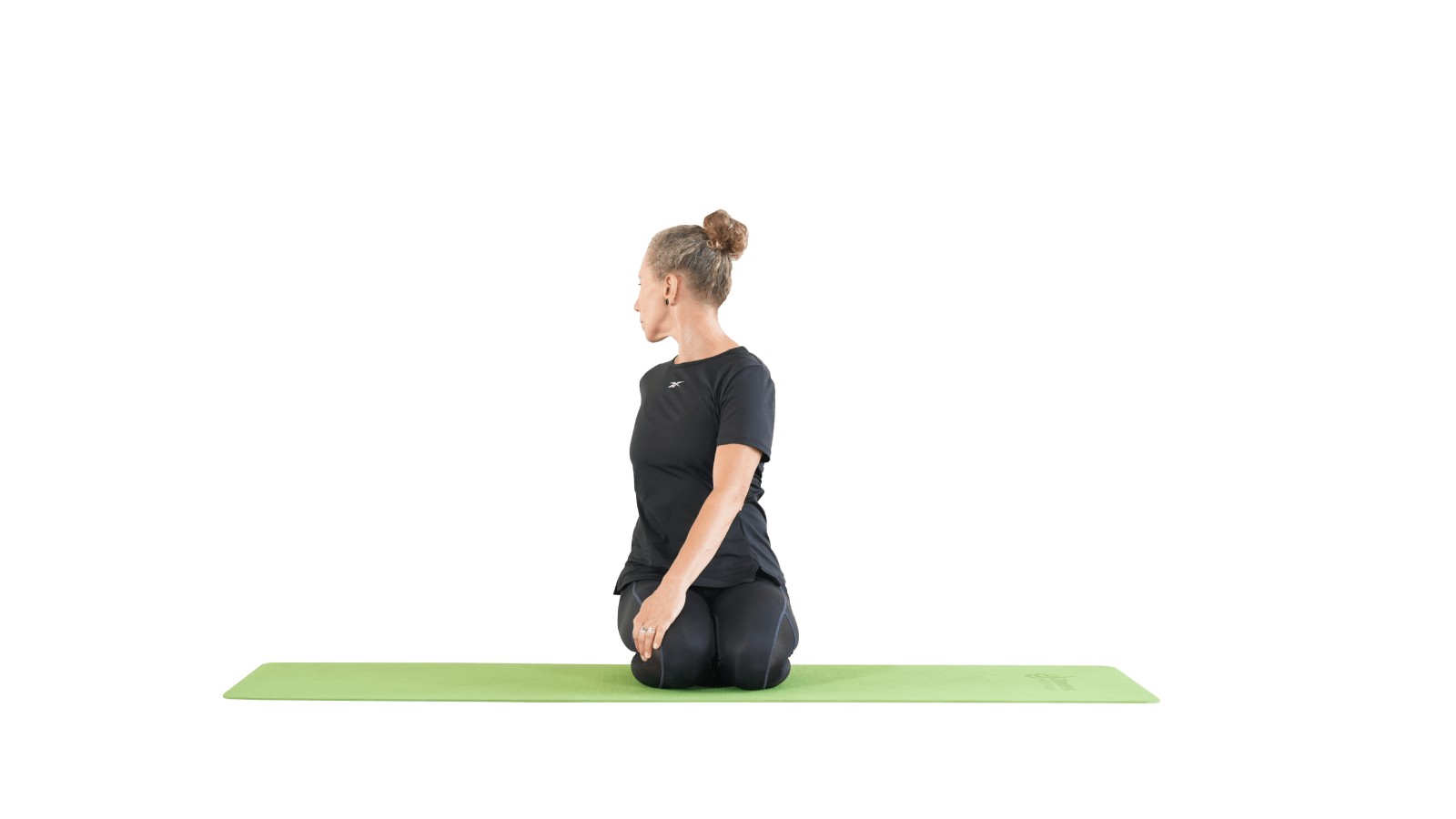
- If it is difficult to hold the foot, first improve Vakrasana, then try again.
- Press the front of the foot down for balance.
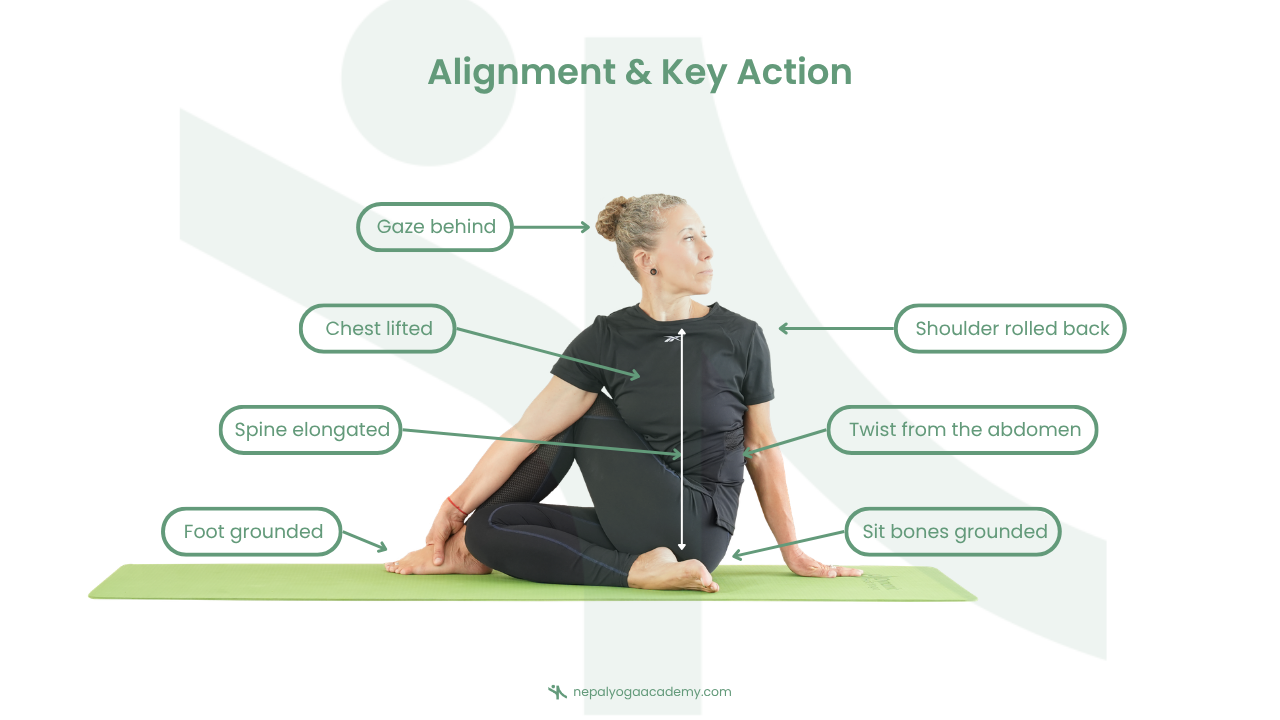
- Focus on twisting the abdomen along with the spine, trying to bring it outside the thigh. Draw the abdomen in to create more space for the twist.
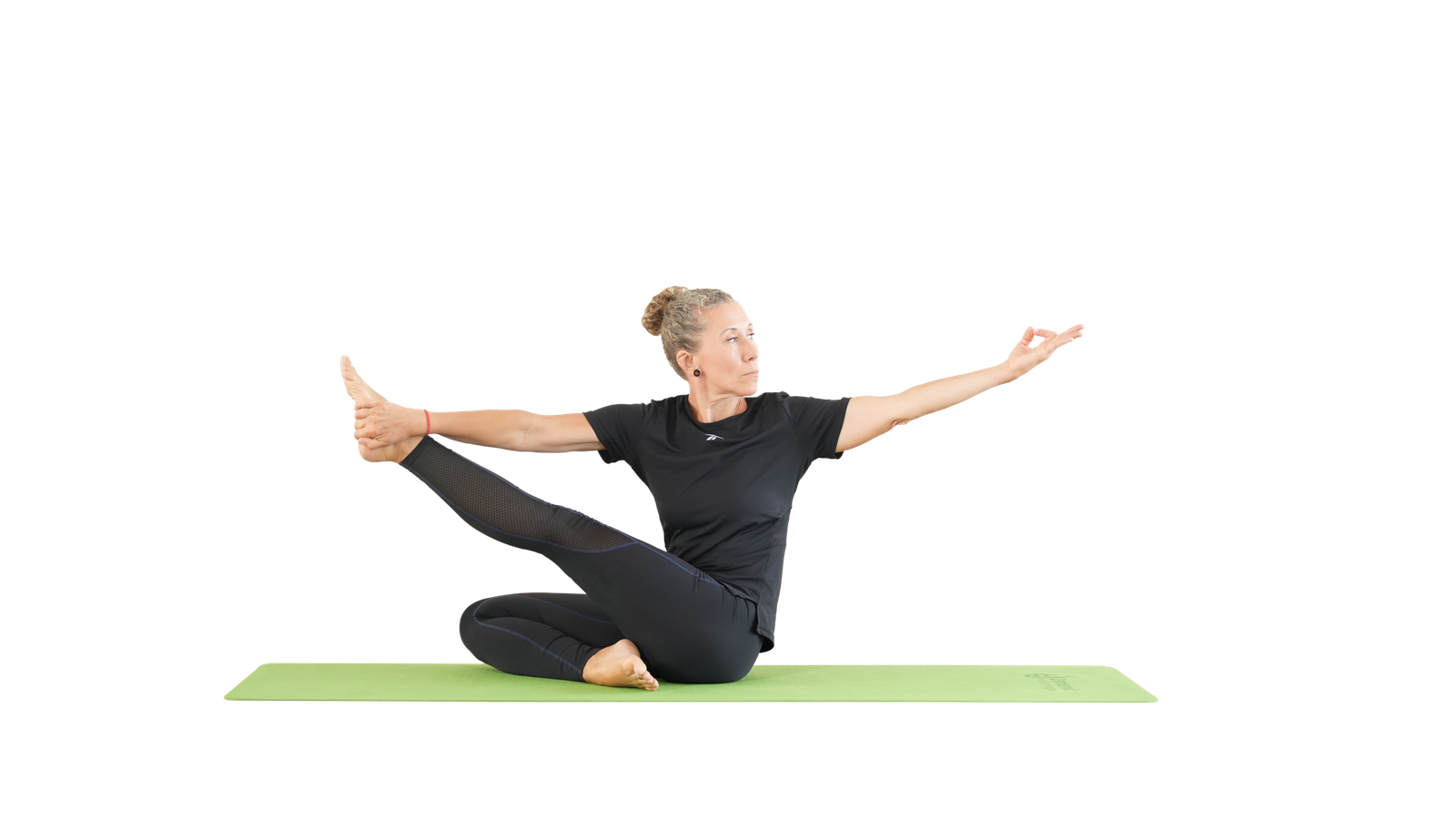
- To reach the foot with the opposite hand, bring the shoulder closer to the raised knee by gently twisting and slightly rounding first, then hold the foot and straighten the spine again. You may also lift the front of the foot for easier reach, hold it, and then lower it back down.
- Try to distribute the stretch evenly throughout the body rather than concentrating it in one area, to reduce the risk of strain.
- Do not look down when turning the neck; look straight back into the distance to avoid strain.
- Do not put excess weight on the fingertips behind the back. Use the hand for balance and twisting, not to support full body weight.
- Keep the spine straight from tailbone to neck without hunching.
- To deepen the twist, exhale as you rotate.
- Keep the hips grounded to maintain stability.
- Avoid forcing the twist; move within a comfortable range.
Beginner’s Tips:
- Lengthen the spine before twisting deeper to ensure ease and safety.
- Keep both sitting bones grounded throughout the posture.
- If the full pose is challenging, practice a simpler variation until flexibility and stability improve.
Alignment & Key Actions
Precautions & Benefits
Ardha Matsyendrasana Precautions:
Avoid
- If you have stomach ulcers, enlarged liver, or recent heart, abdominal, or brain surgery.
- If recovering from spinal surgery or disc injury.
- Deep twisting during pregnancy.
Be Careful
- If you have neck, back, spine, or knee issues; herniated discs, high blood pressure, diarrhea, or constipation.
Ardha Matsyendrasana Benefits:
General
- Opens the chest and stretches the spine, shoulders, neck, and hips.
- Improves spinal flexibility.
- Stimulates abdominal organs, liver, and kidneys.
- Improves digestion and relieves mild constipation.
- Helps reduce fatigue, backache, and sciatic discomfort.
Therapeutic
- Helpful for asthma.
- Traditionally believed to stimulate appetite, support overall health, and awaken kundalini energy.
Postural Effects on the Body Systems
Musculoskeletal System
- Enhances flexibility, mobility and strength of the spine.
- Stretches the muscles of the back, shoulders, hips, and chest.
- Strengthens the muscles that support the spine and trunk.
Digestive System
- Stimulates digestive organs, through the gentle compression and release around the abdomen.
- When practiced appropriately, it can help support healthy digestion by encouraging better circulation in the abdominal region.
Nervous System
- Promotes concentration and body awareness through coordinated breathing and movement.
- Helps calm the mind and reduce mental tension.
Respiratory System
- Expands the chest and rib cage, helping improve lung capacity, encouraging more conscious breathing patterns.
Circulatory System
- The twisting and releasing action helps improve circulation to surrounding tissues and organs.
Ardha Matsyendrasana informs us that growth comes through balance rather than force. The posture teaches patience, awareness, and the importance of moving with mindfulness. Through synchronized breathing and conscious movement, practitioners can experience a sense of release, renewal, and inner harmony, both physically and mentally.
Preparatory Poses
Modifications and Variations