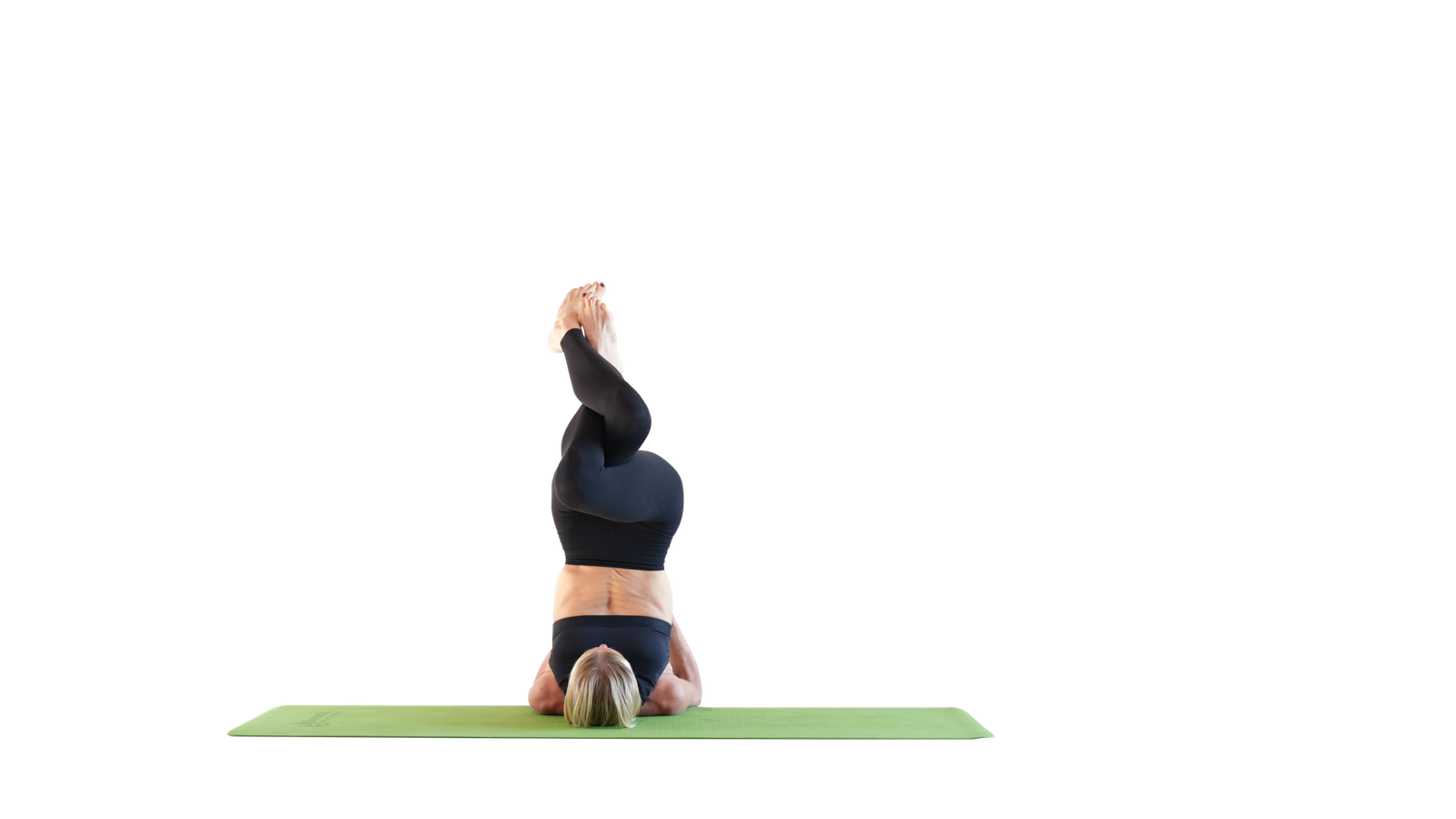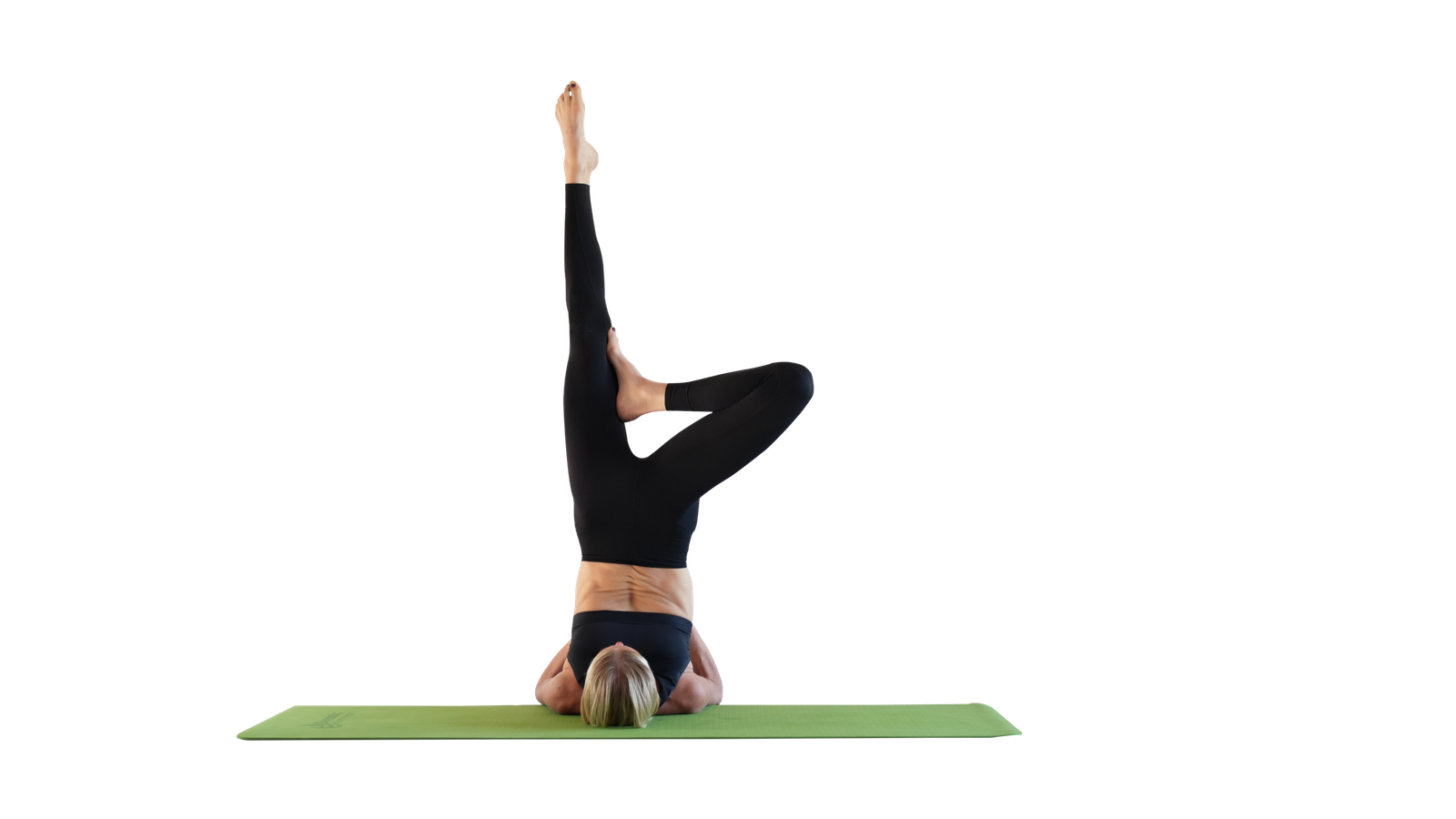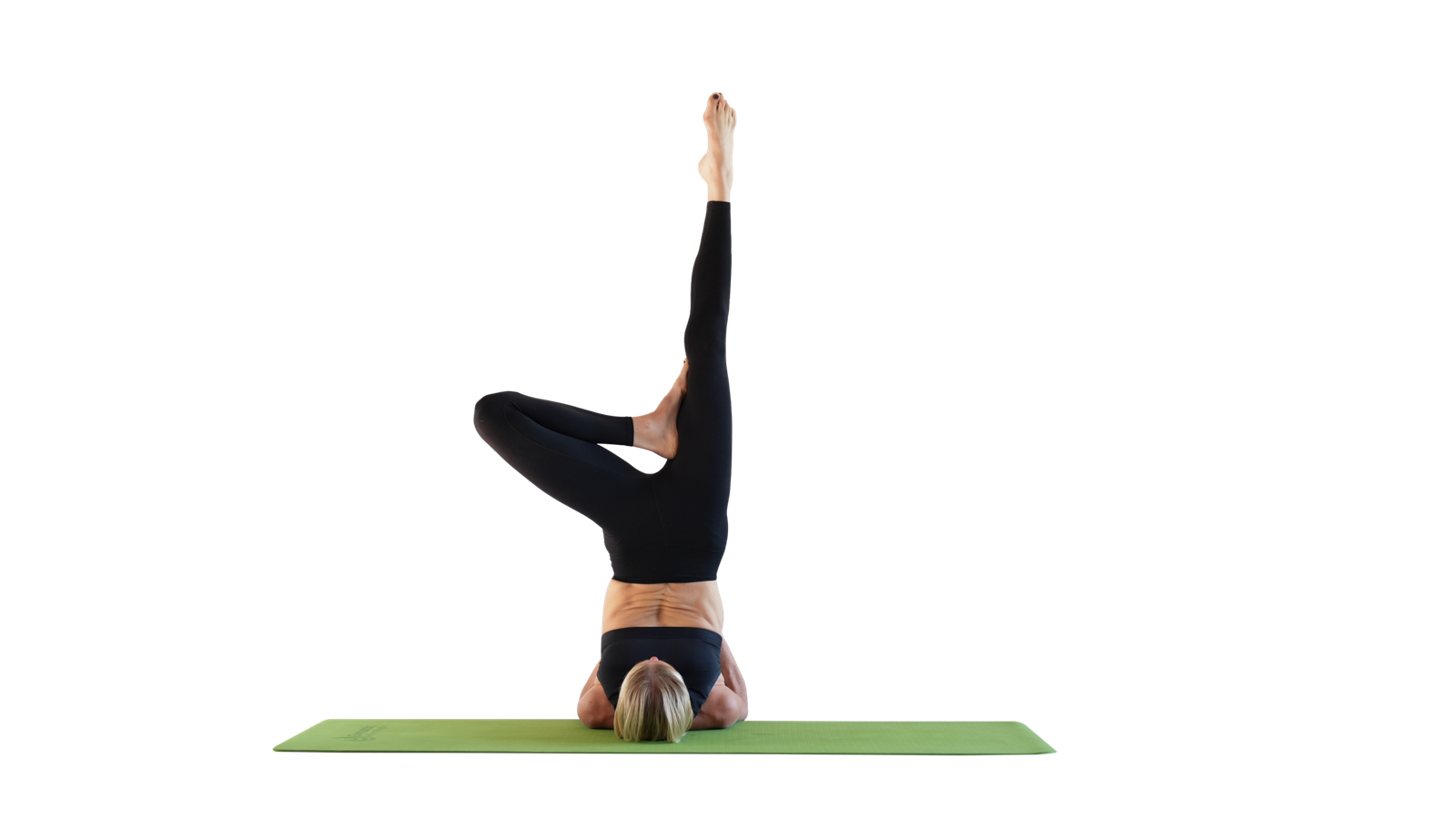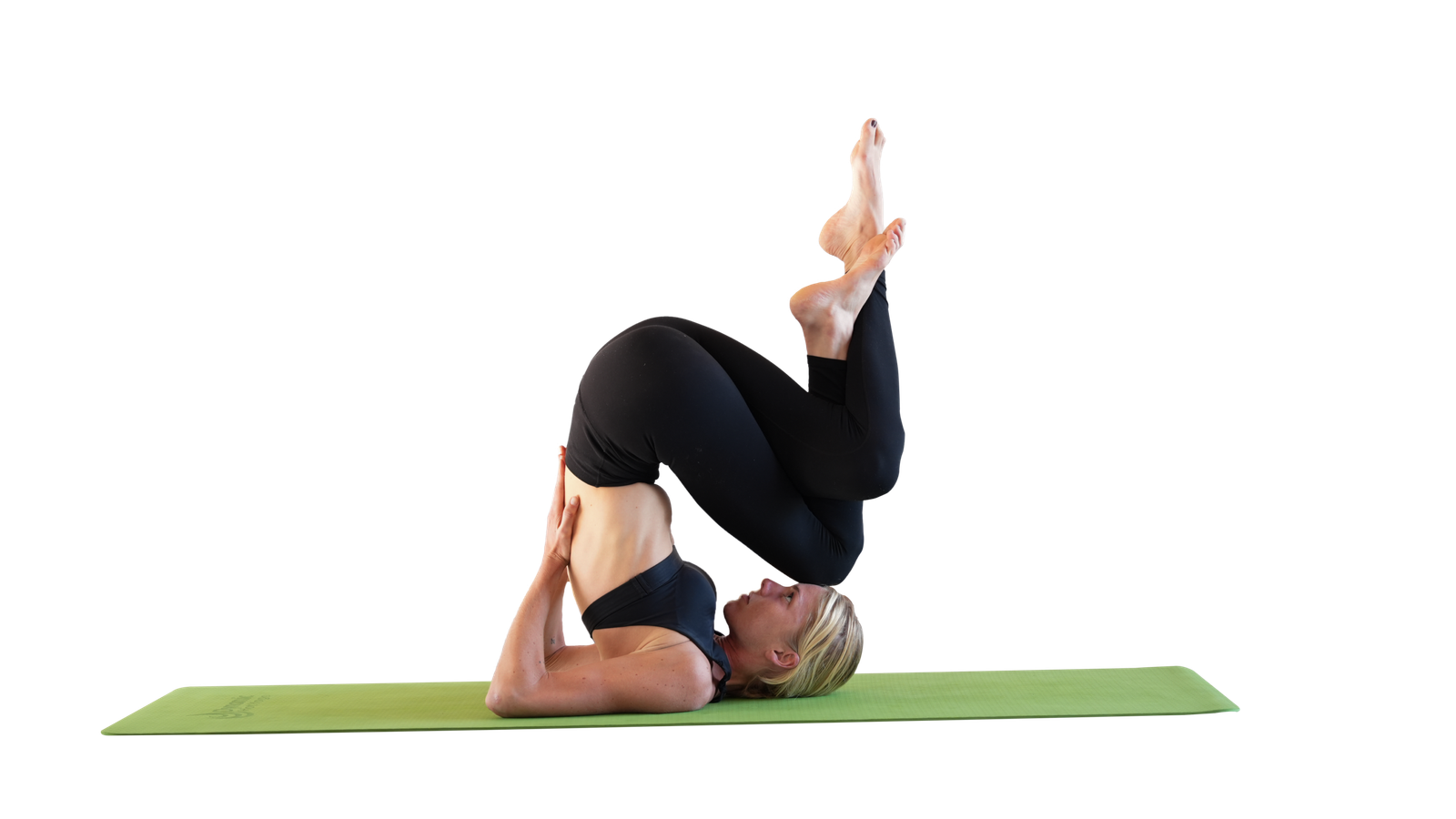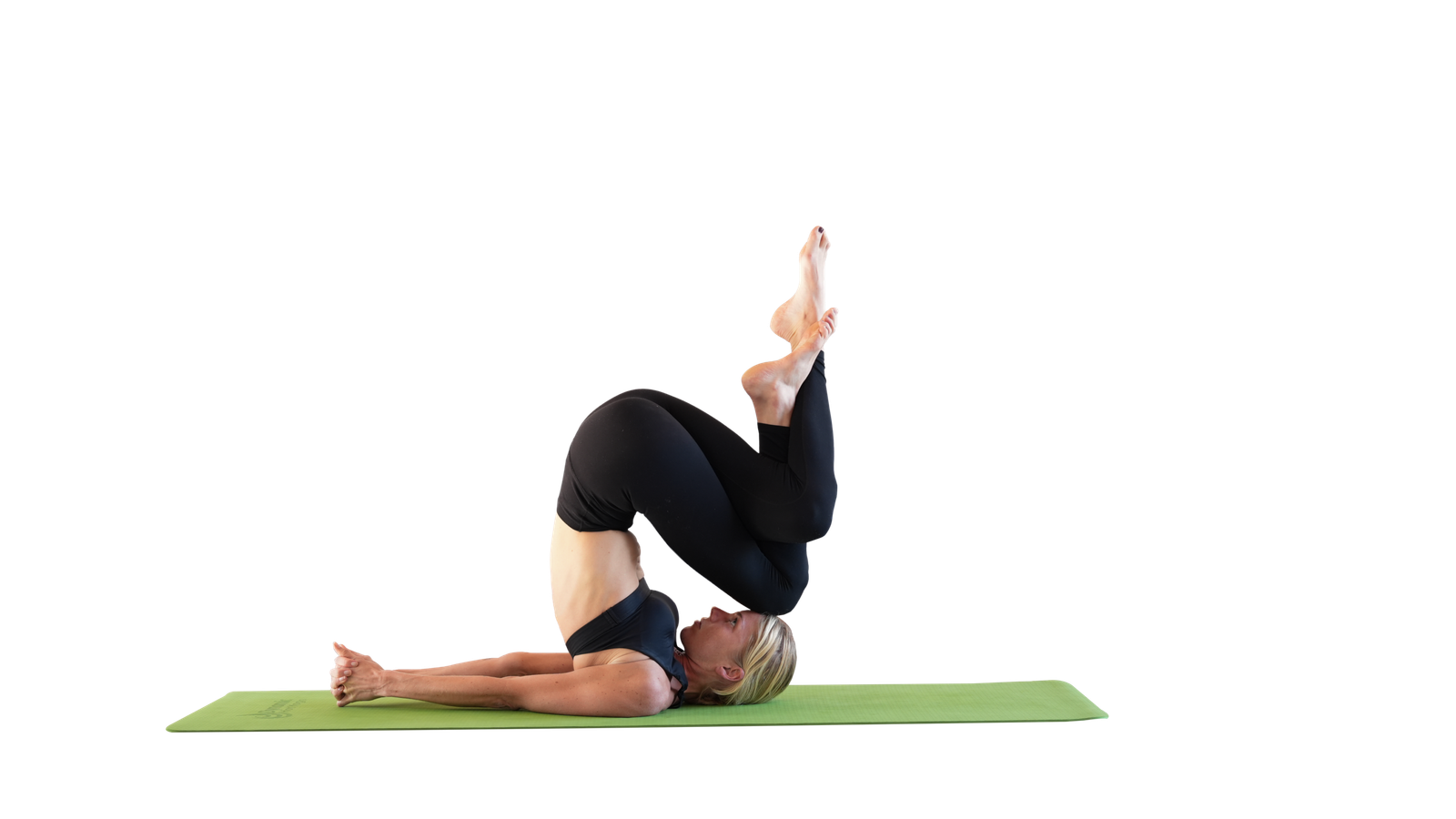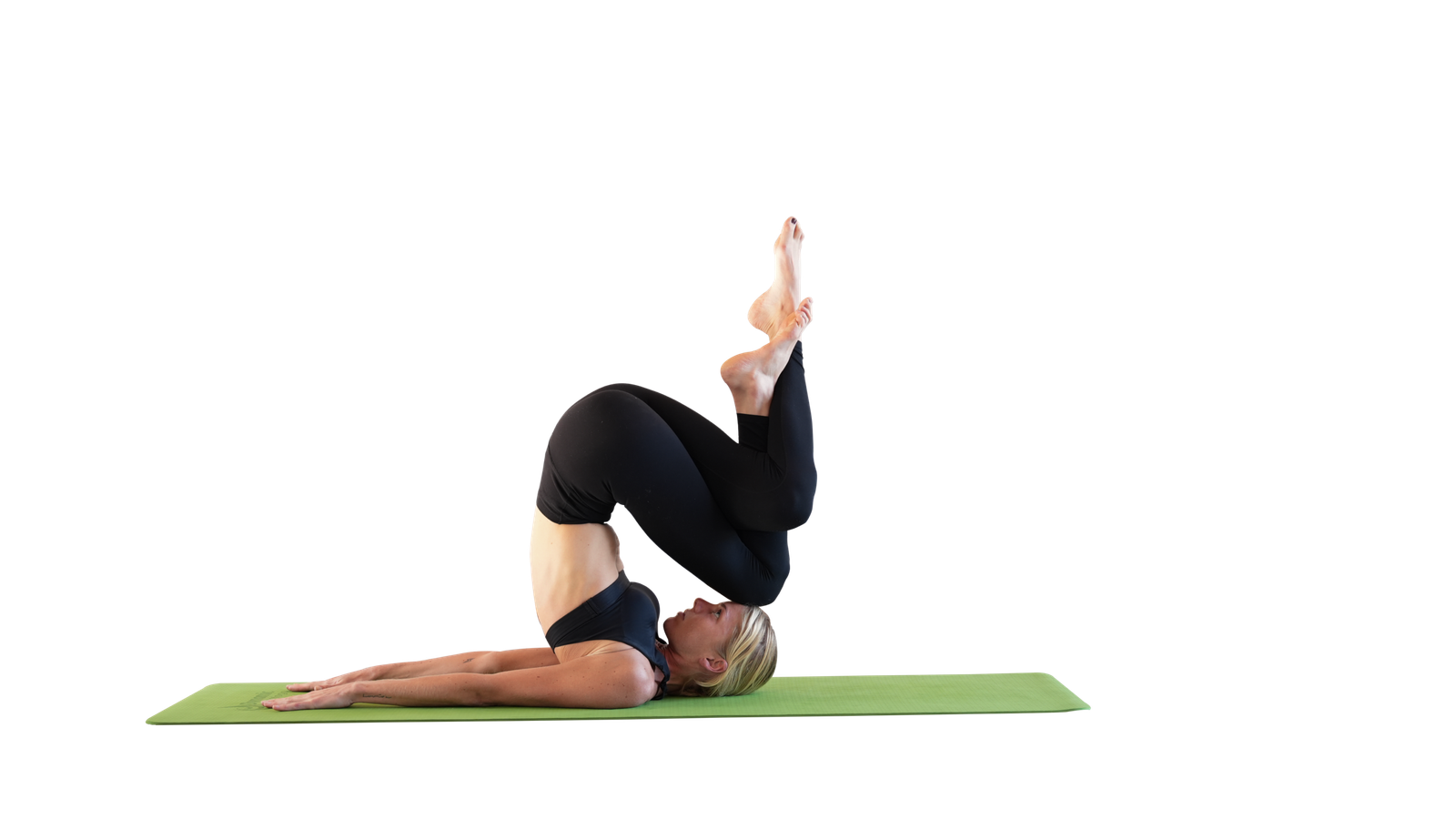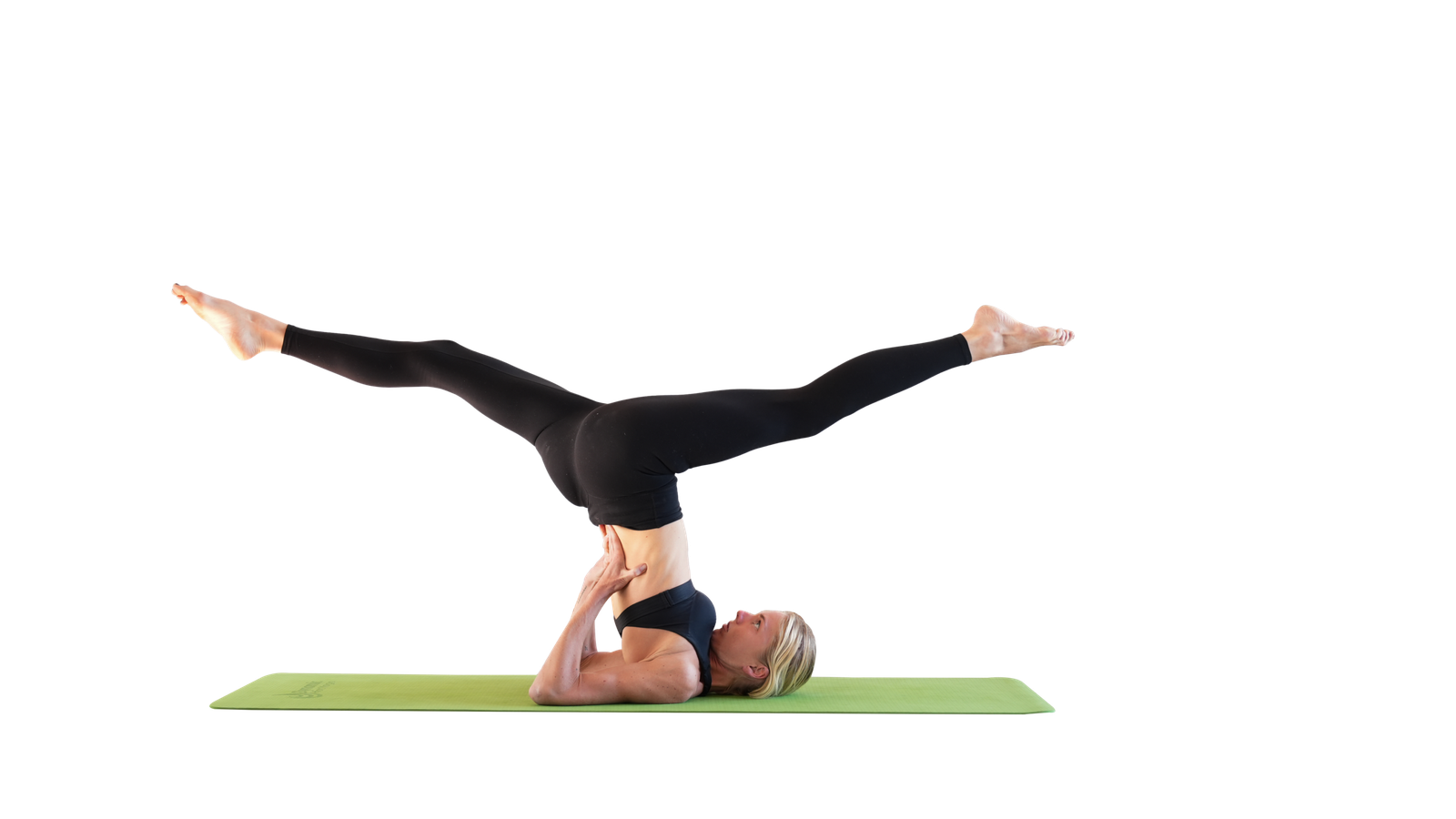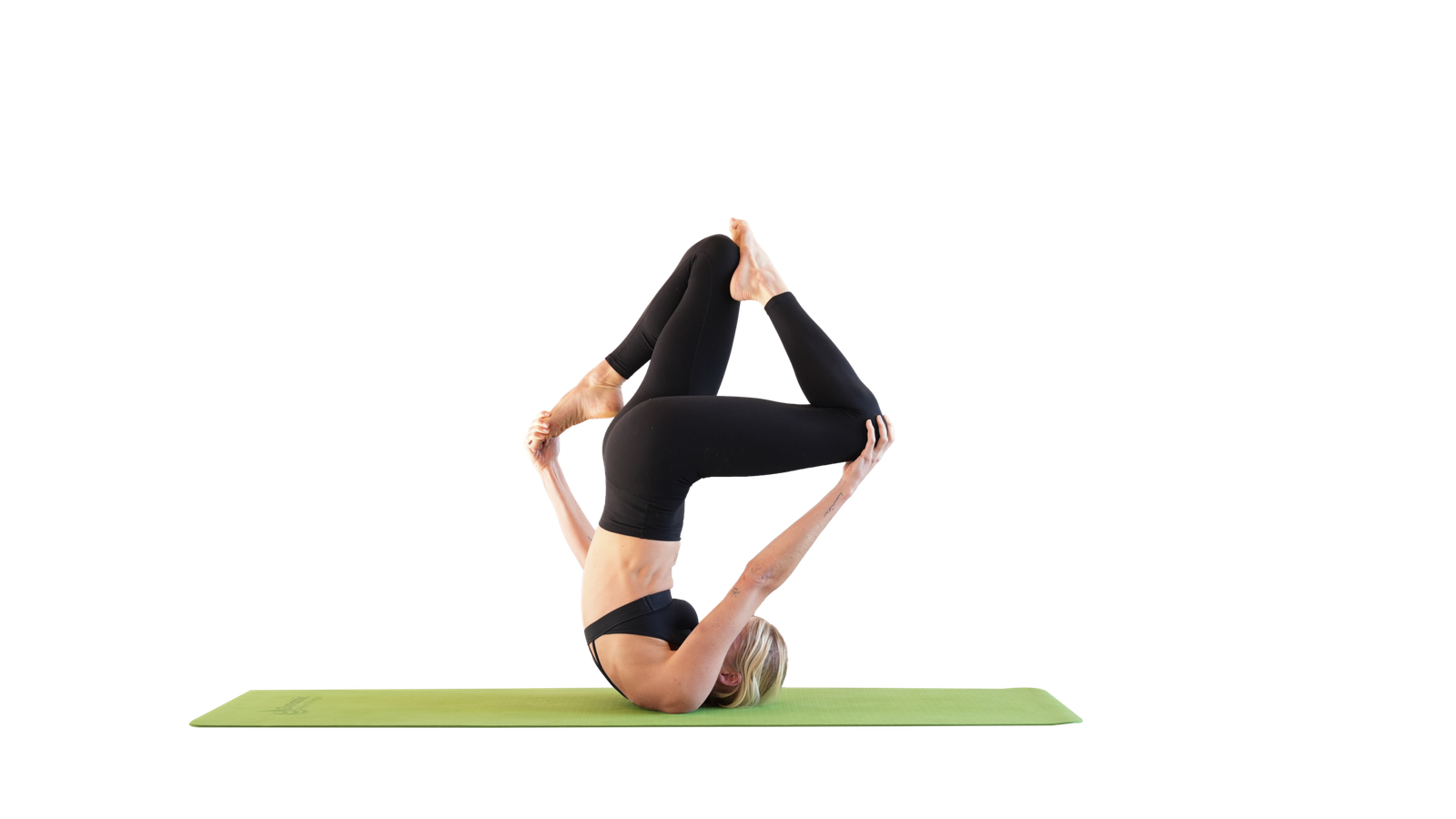



Introduction
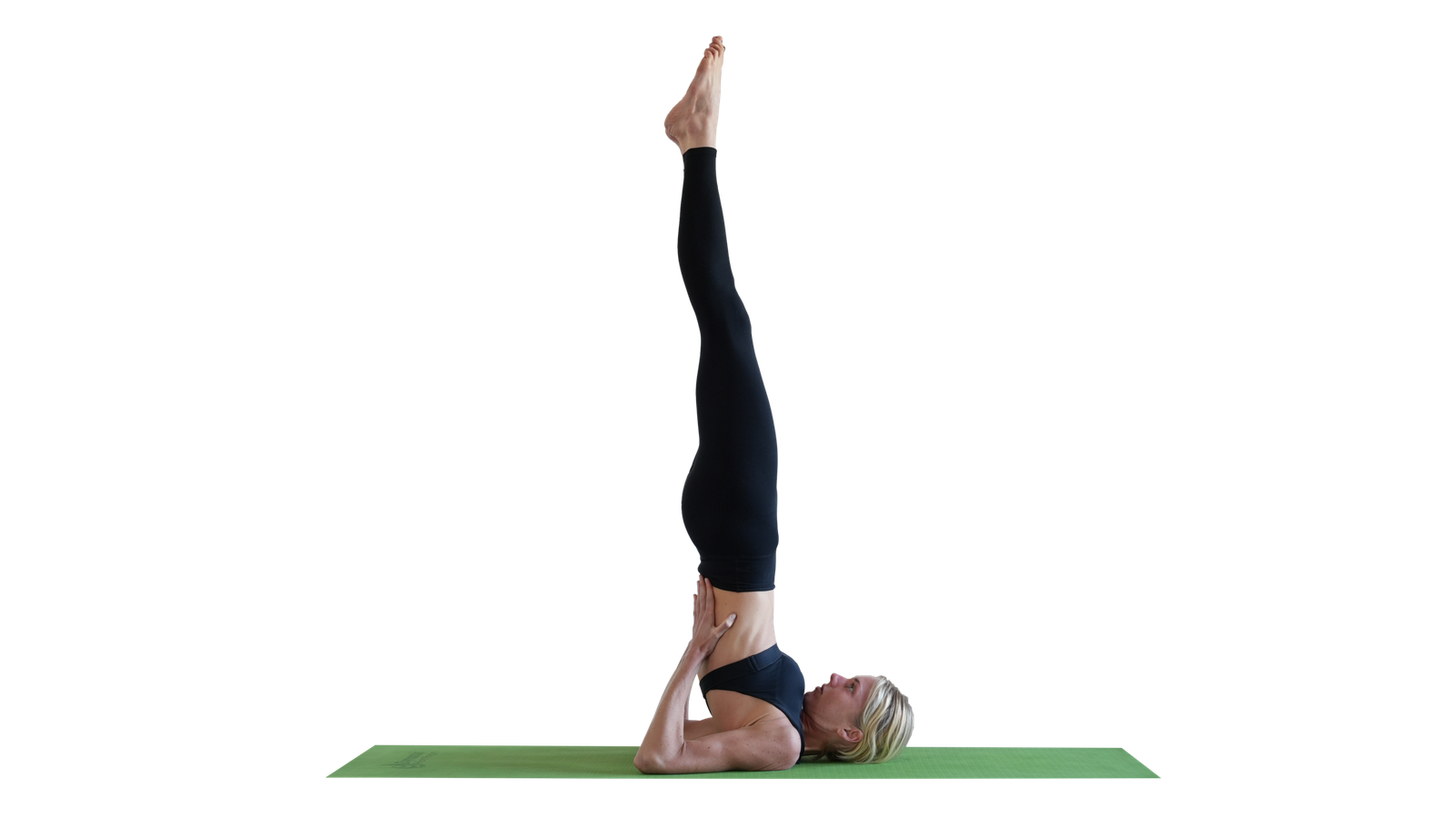
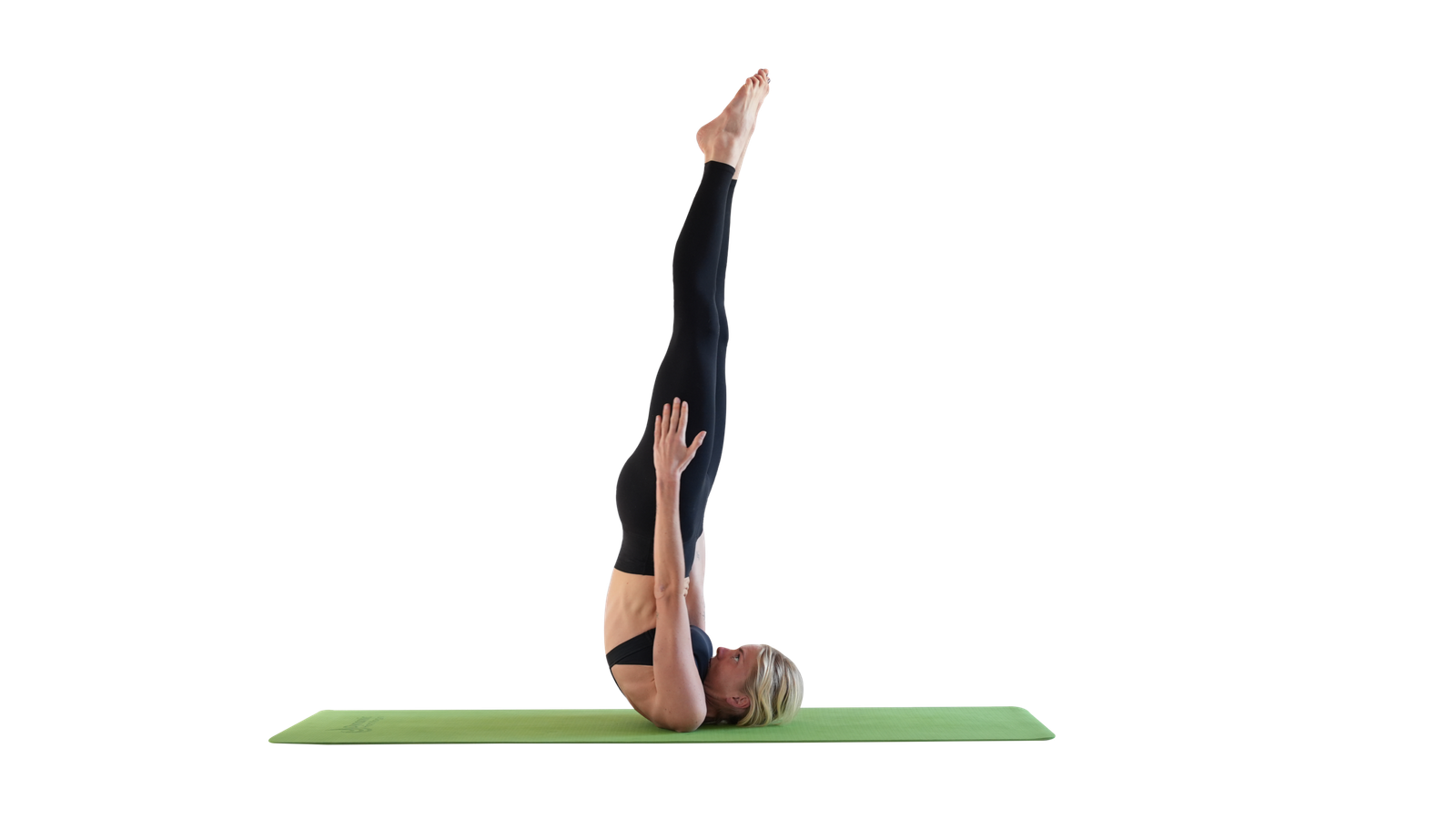
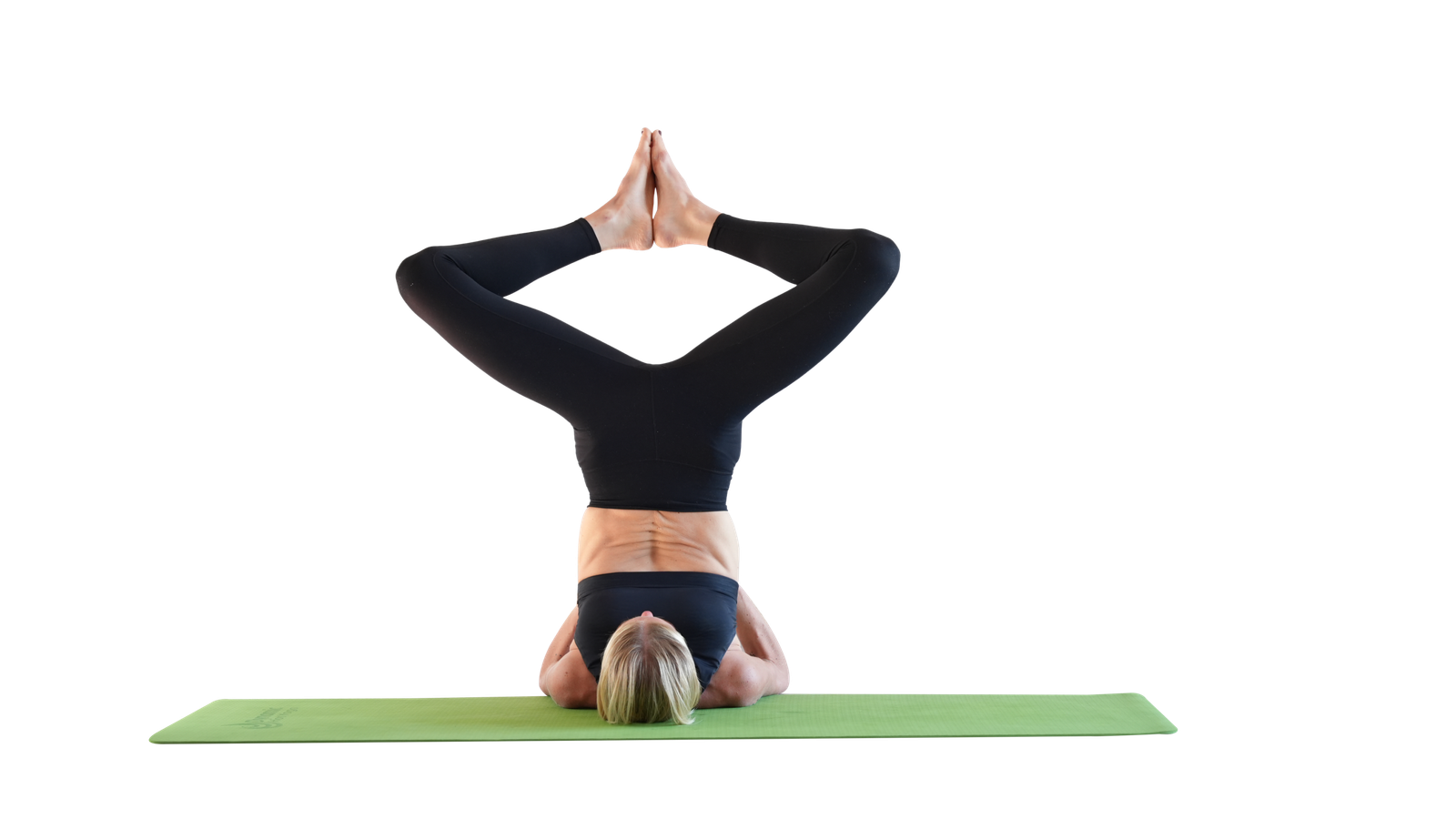
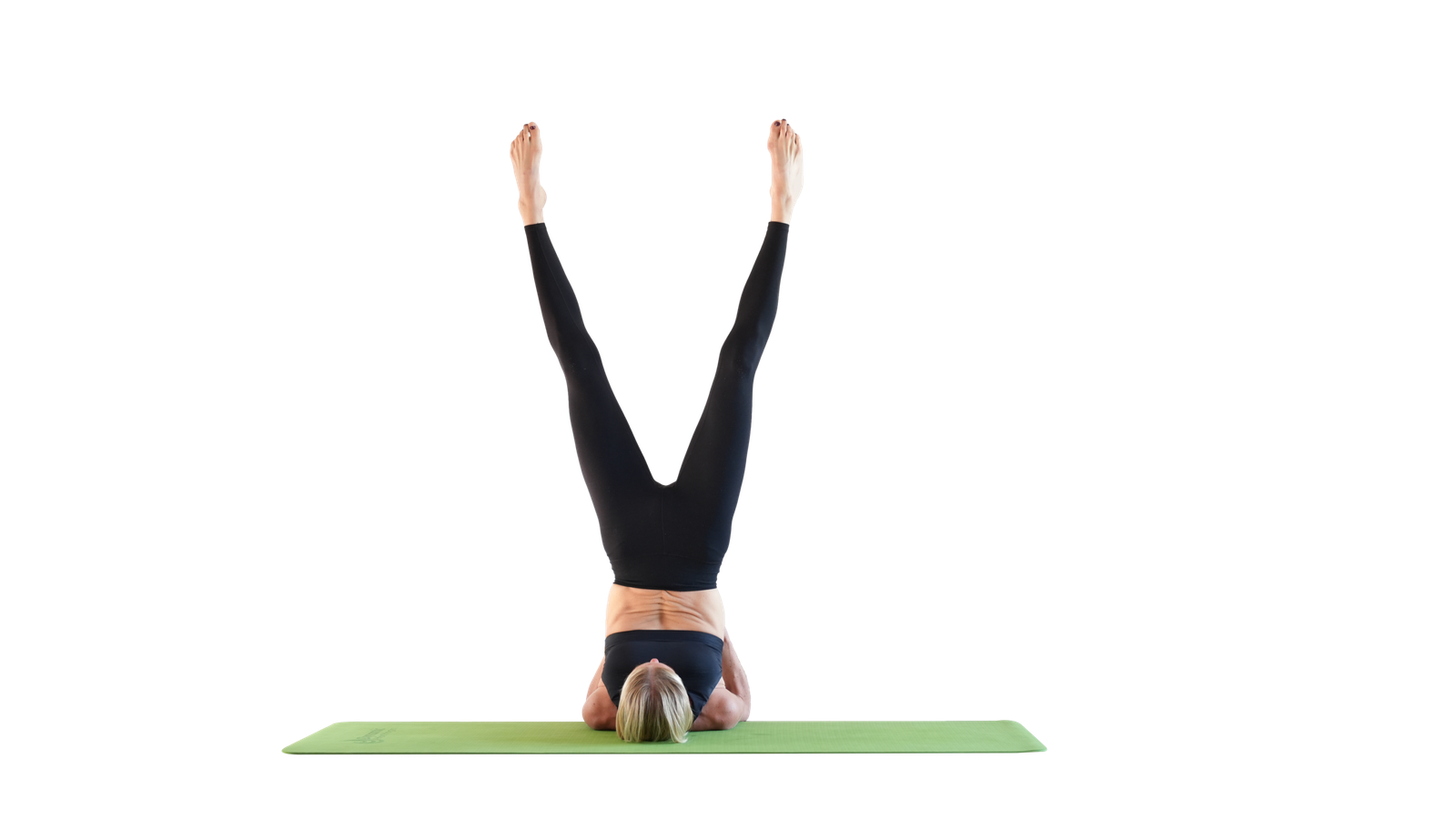
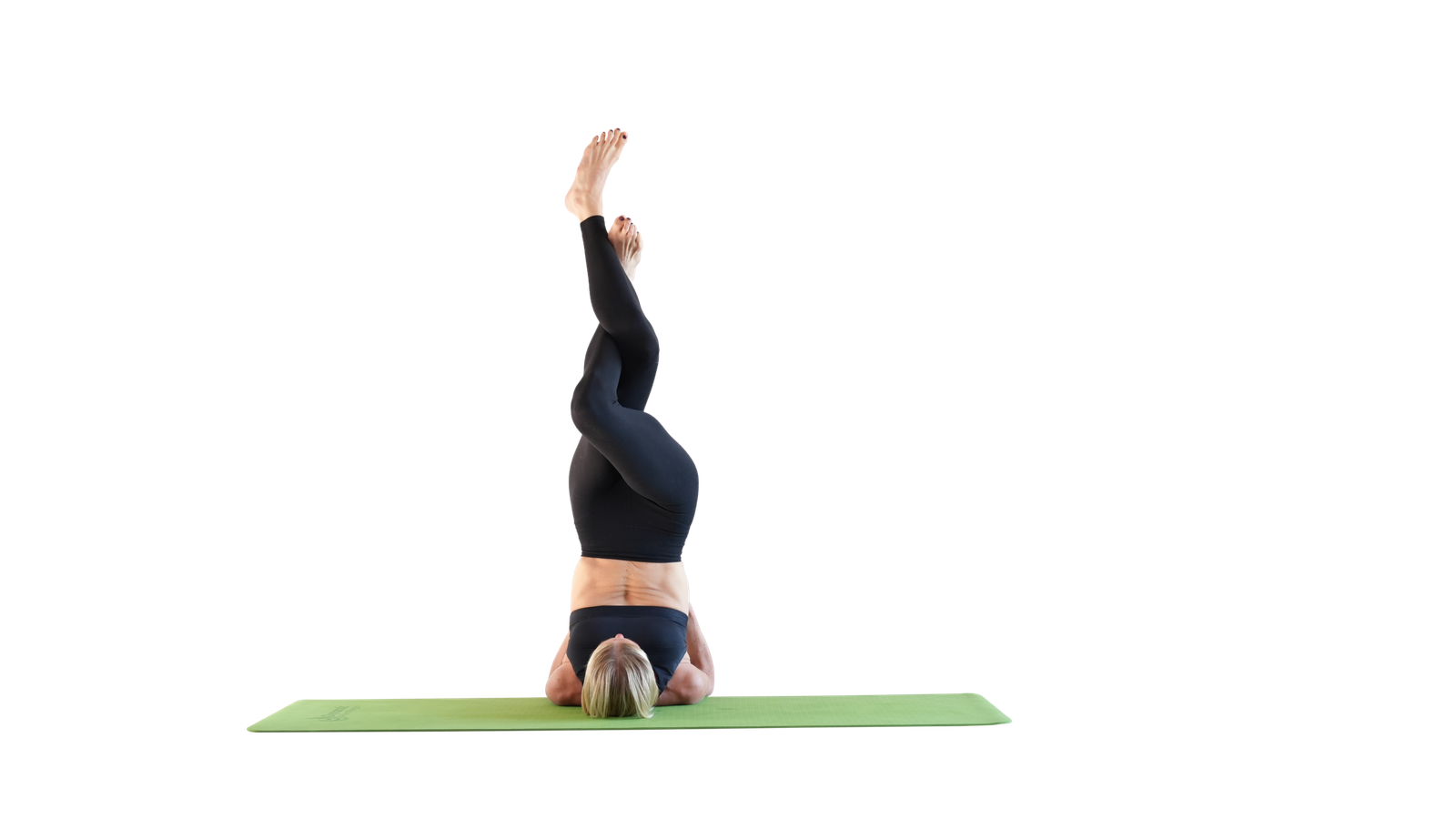
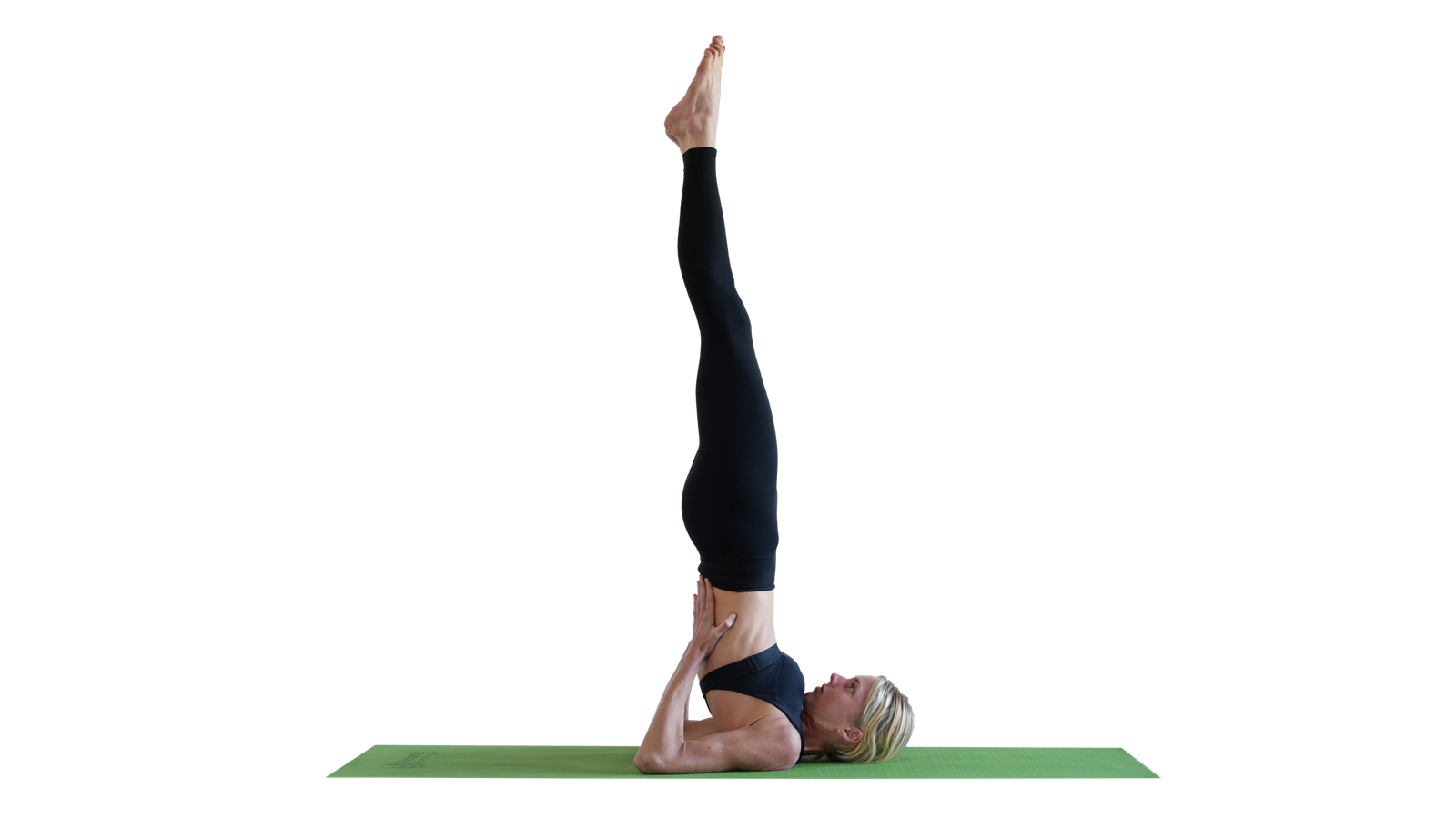
Sarvangasana (Shoulder Stand Pose) is a classical inversion posture in which the entire body is lifted vertically, with the shoulders supporting the weight and the back supported by the hands. It is one of the most globally popular asanas due to its wide range of benefits. This posture helps strengthen the upper body, stimulates the thyroid and nervous system, supports healthy circulation, and promotes mental calmness and inner balance.
Base Positions
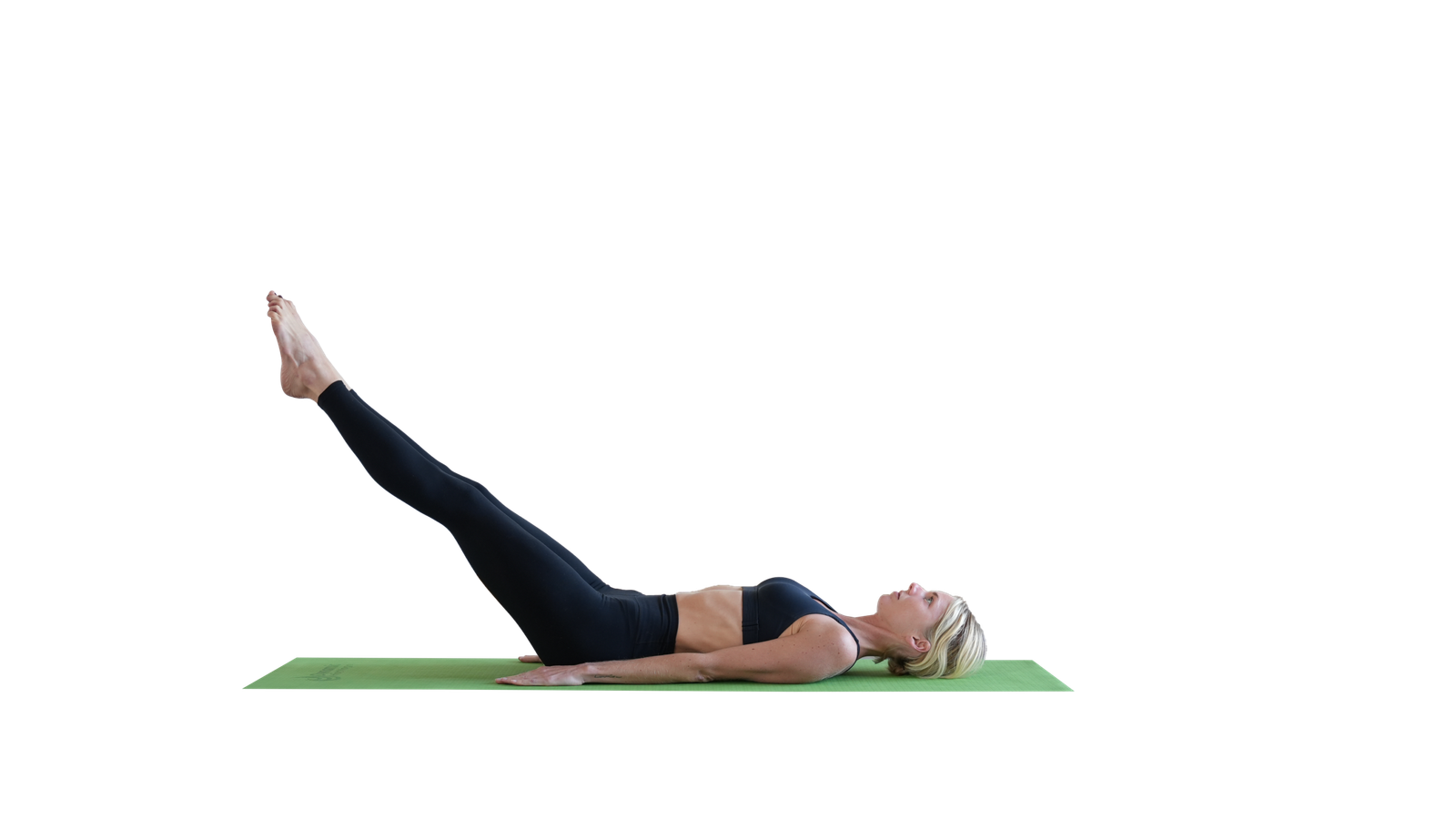
Lie on your back with the body relaxed, legs together, and palms on the floor. Inhale, exhale, and relax.
Getting into position
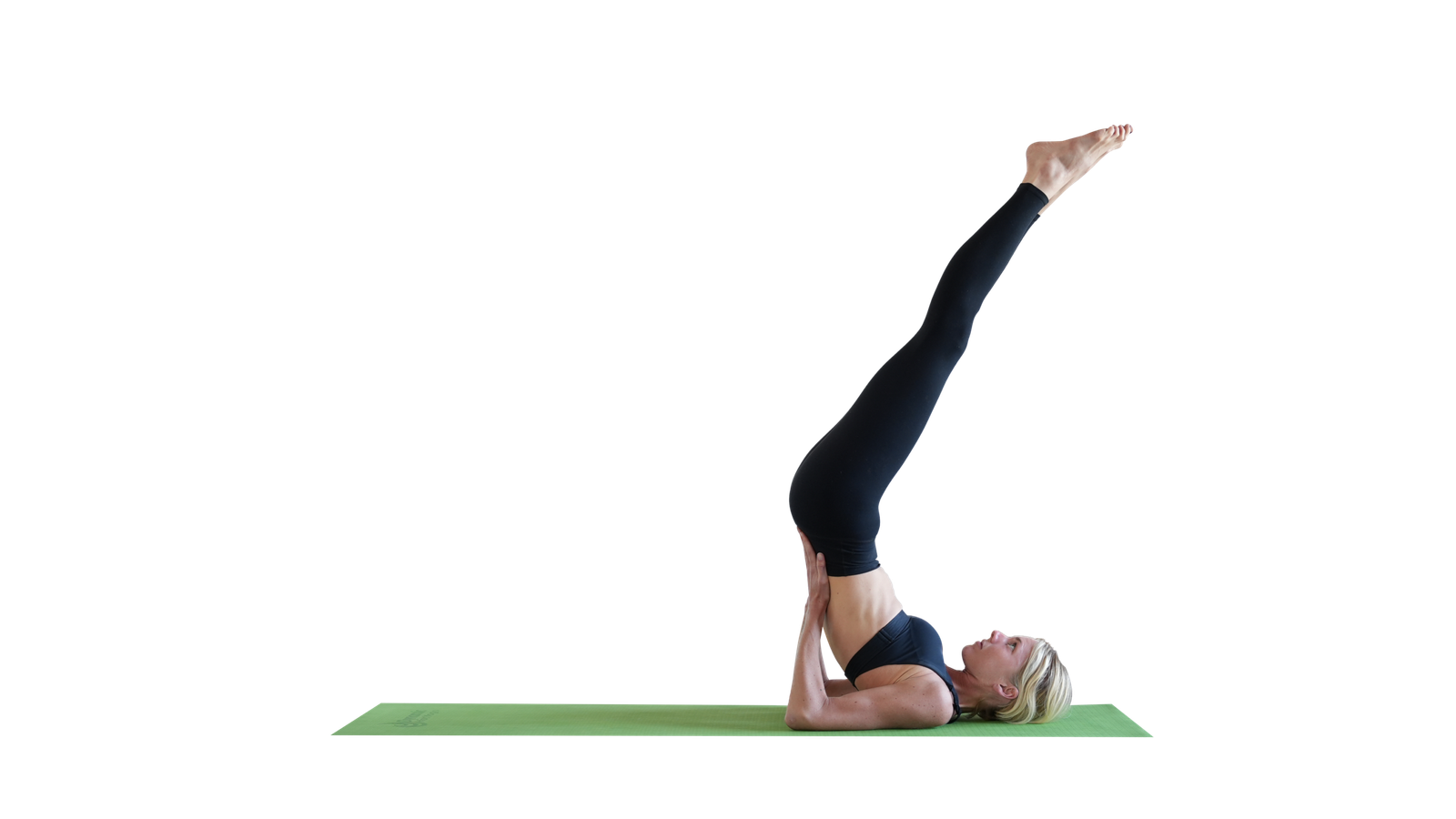
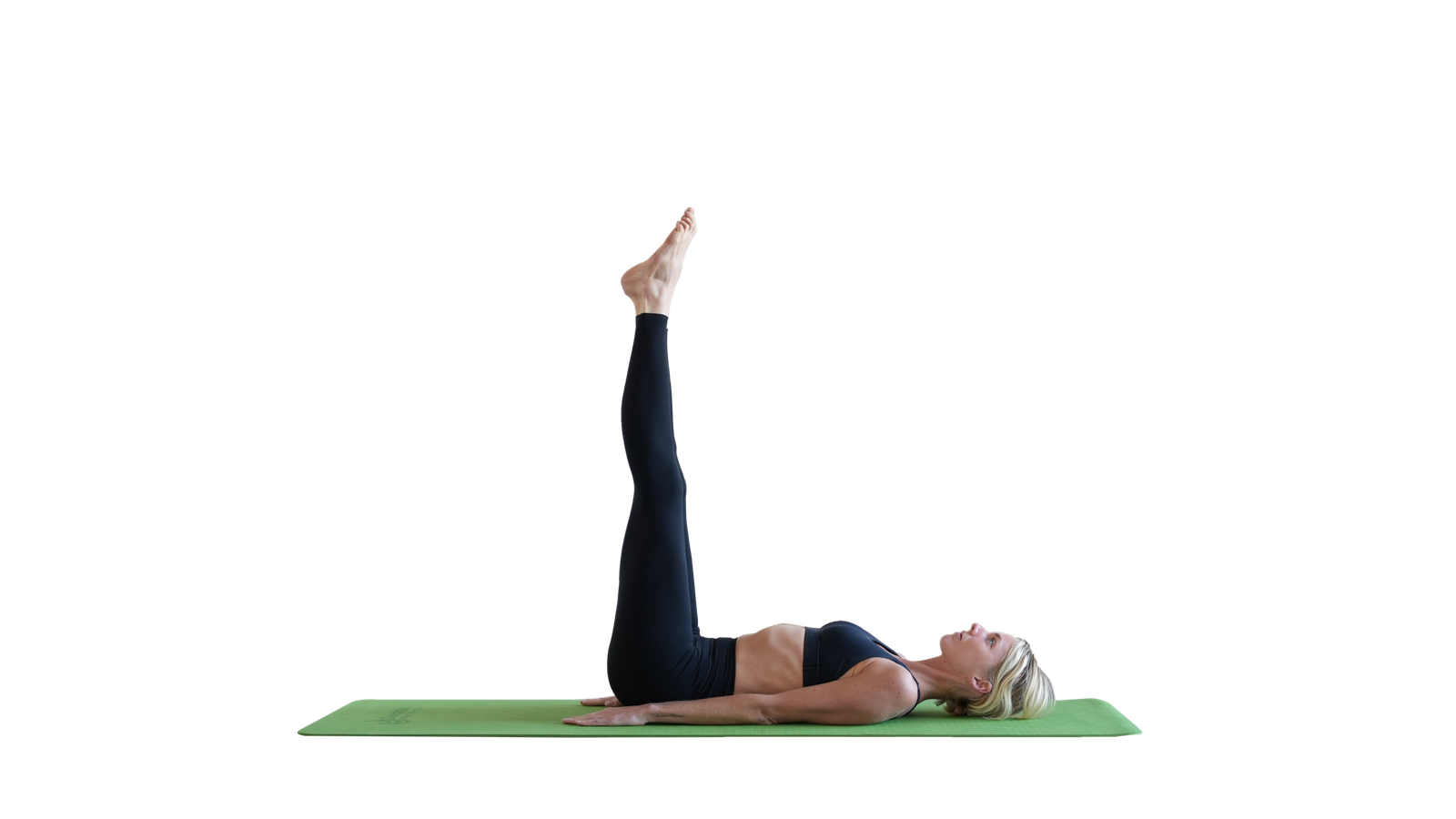
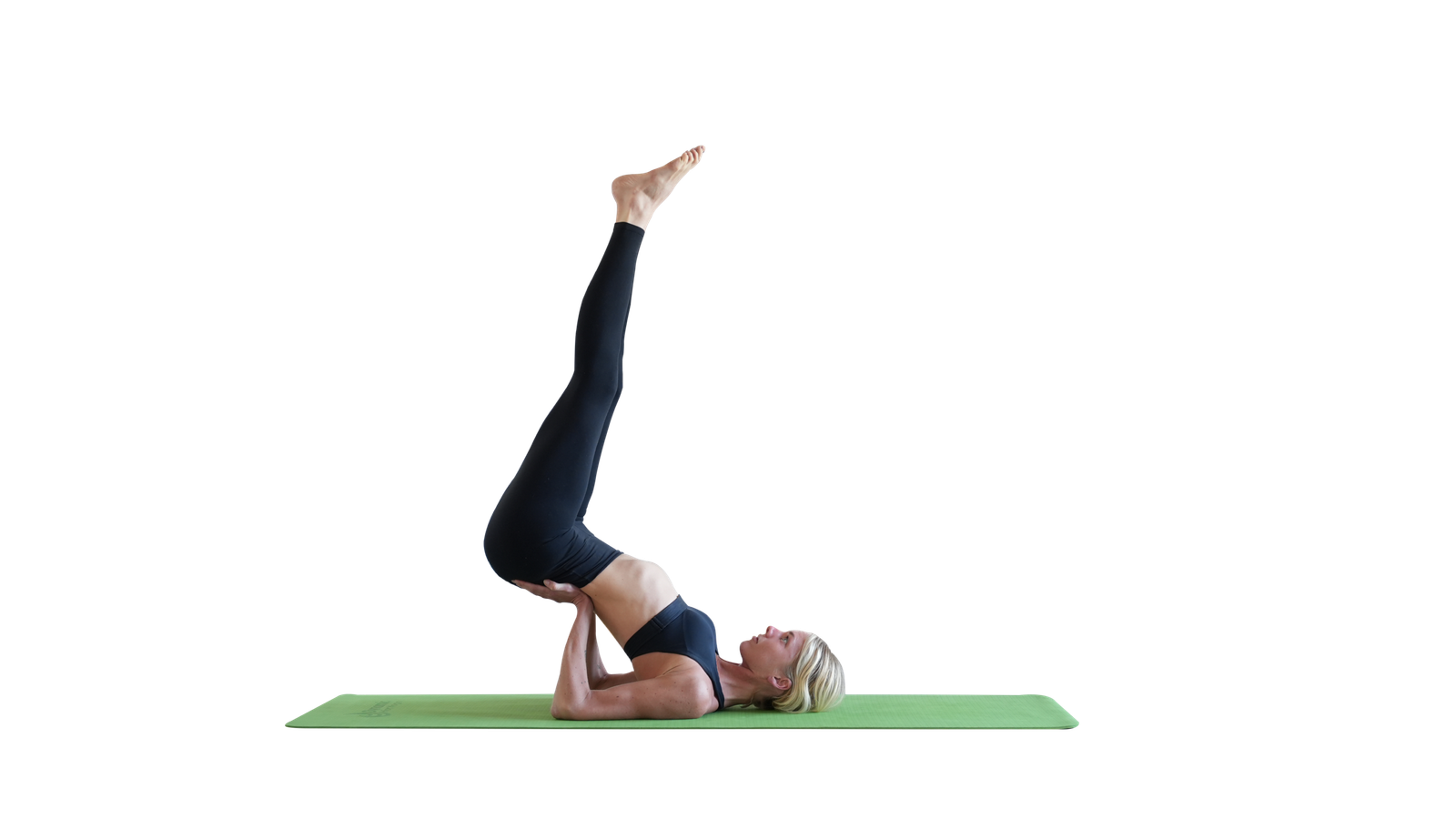
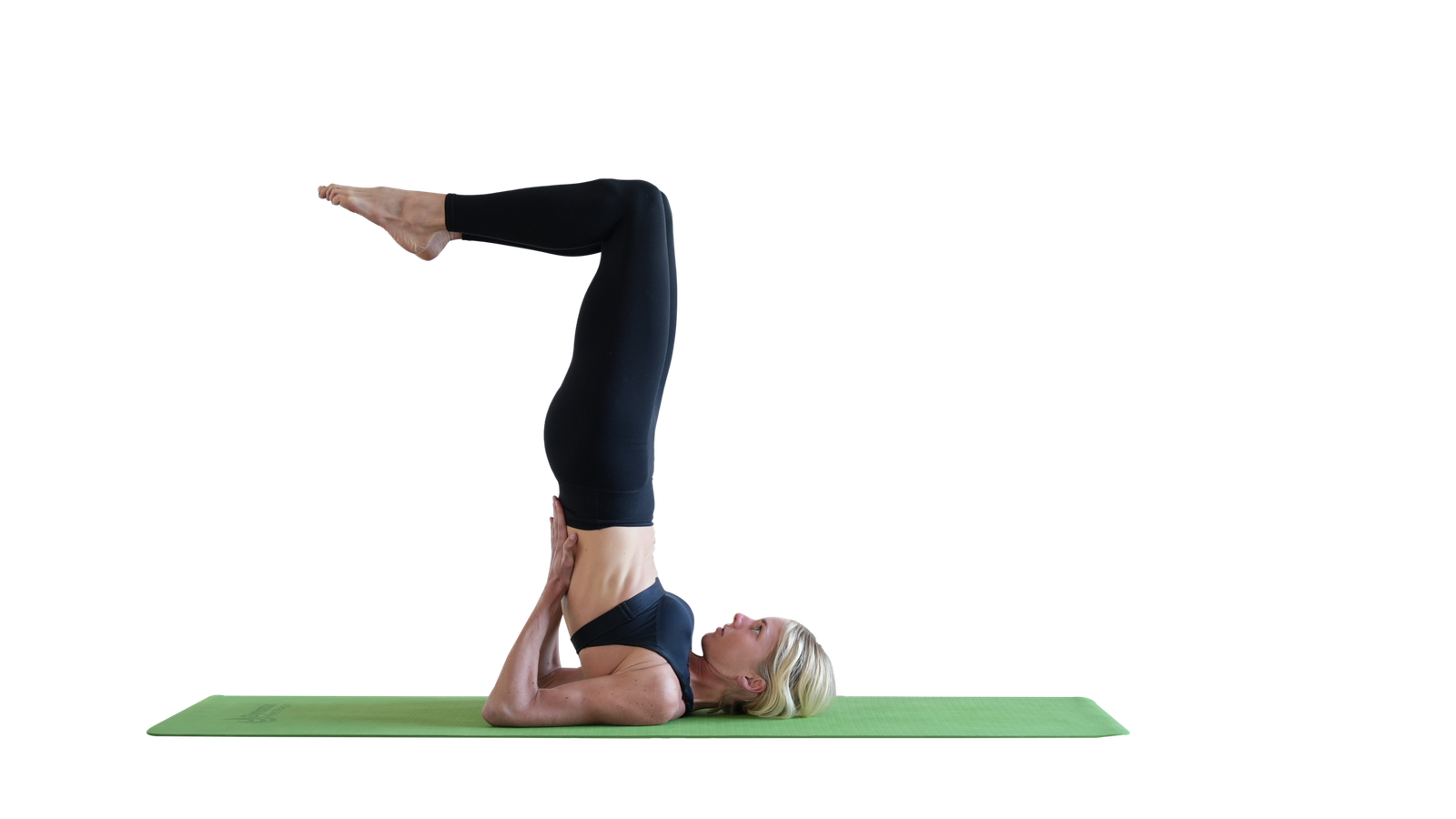
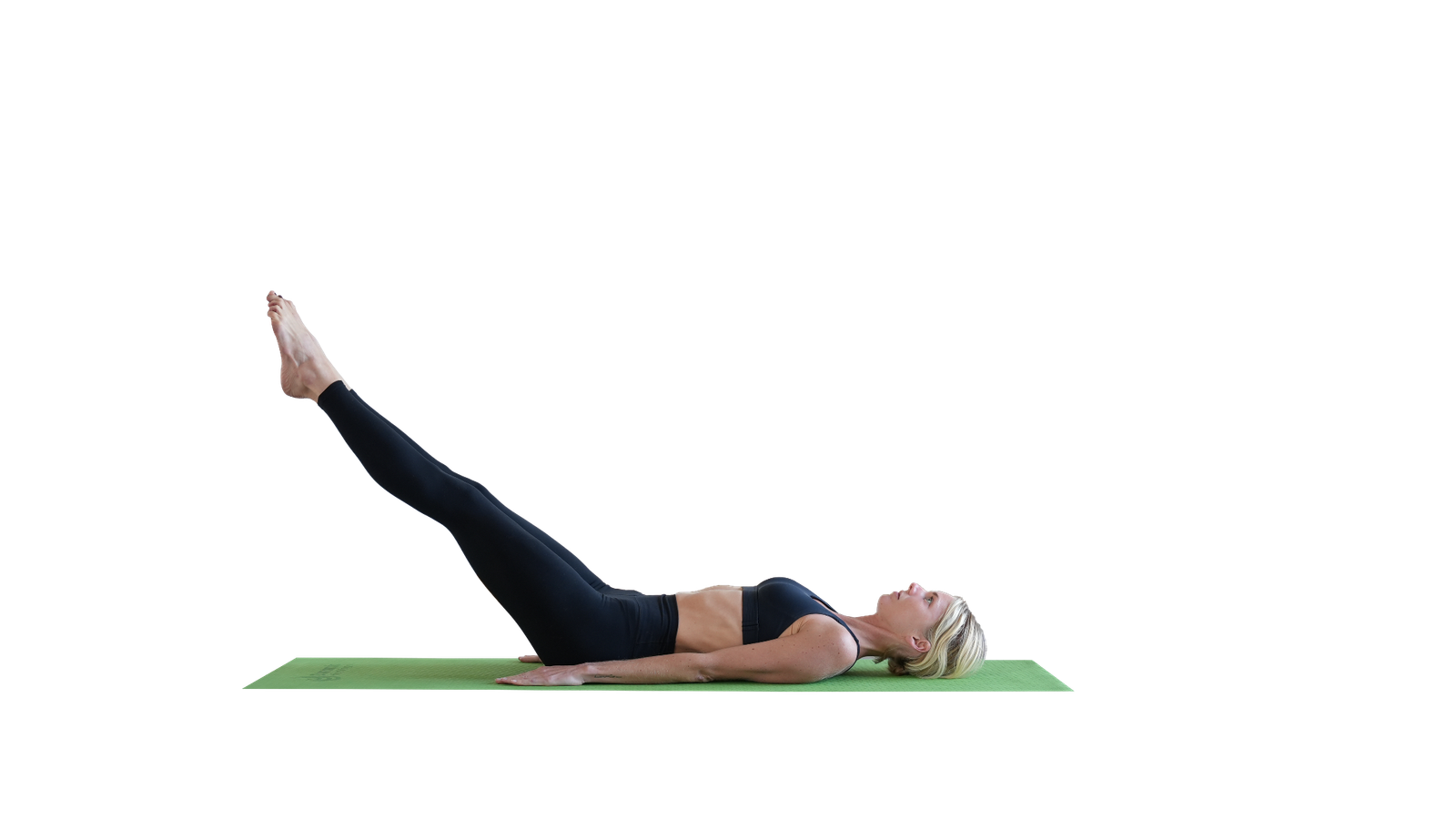
Step 1: Exhale. While inhaling, lift the legs to 90 degrees, keeping the back lengthened on the floor. Exhale. While inhaling, lift the buttocks and back to come onto the shoulders. Support the middle back with the palms, keeping the elbows on the floor parallel to each other.
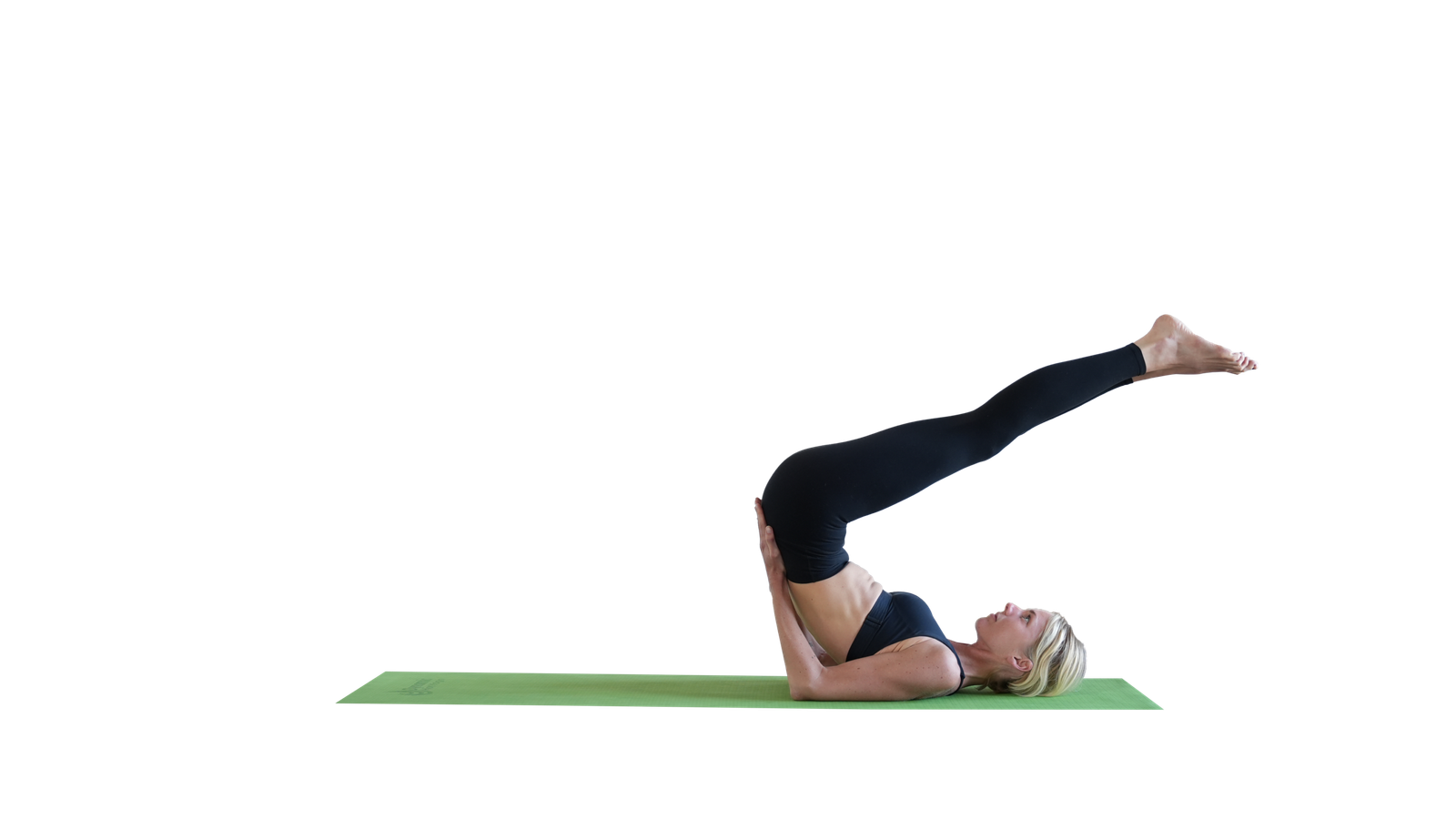
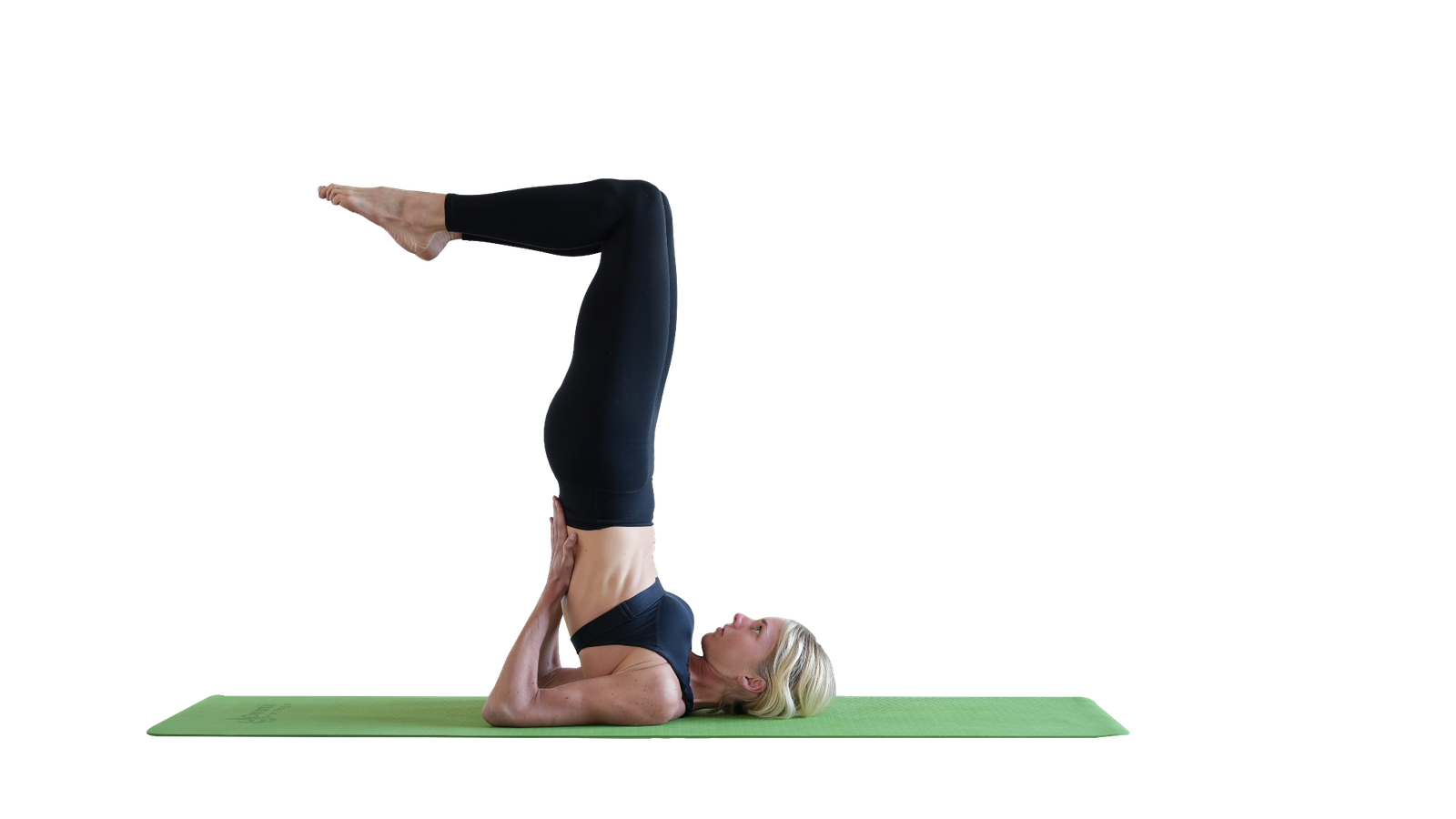
Step 2: Bend the legs toward the head and draw the shoulder blades closer together. Take time to adjust into a stable and comfortable position. Do not compress the throat.
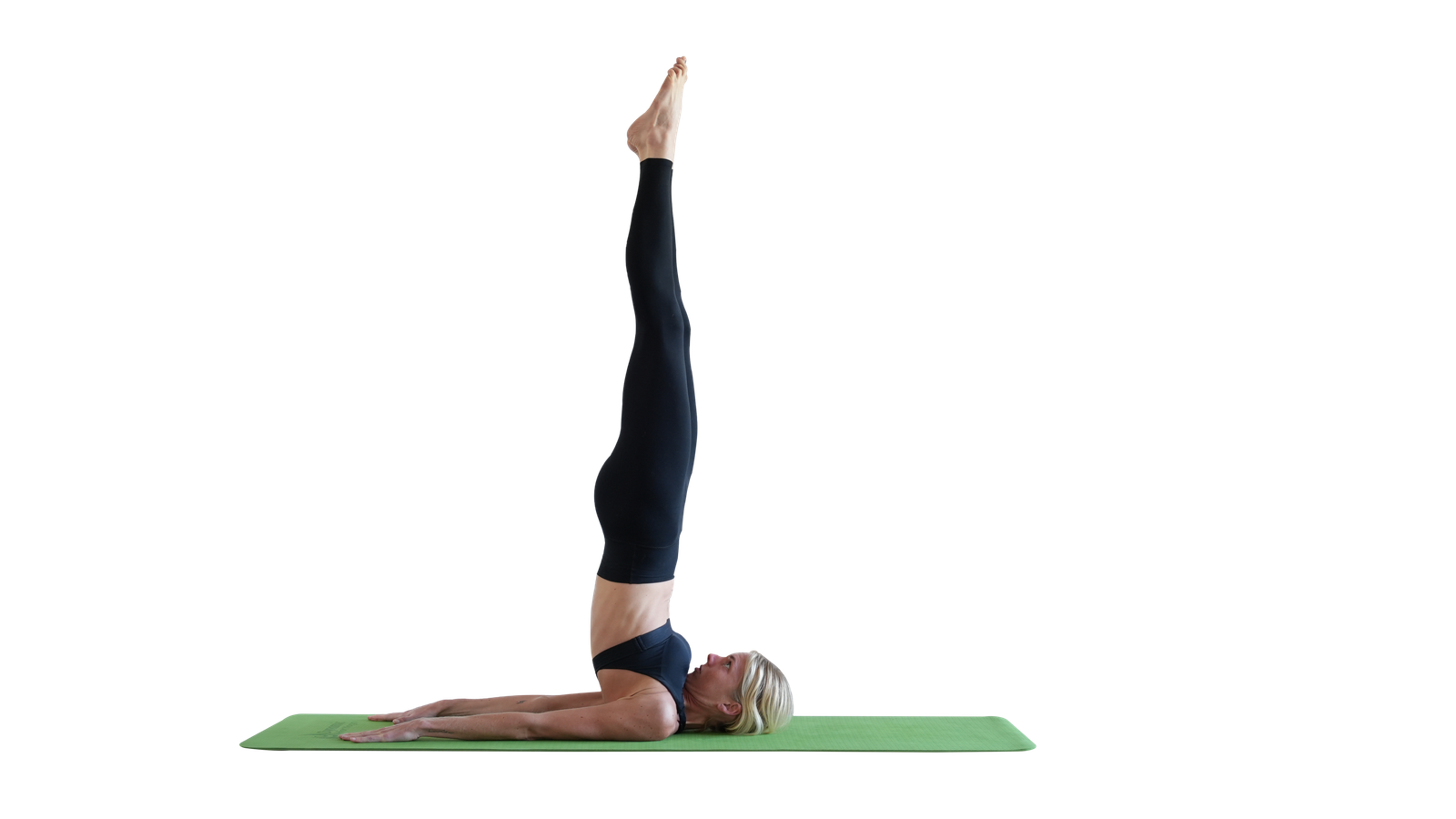
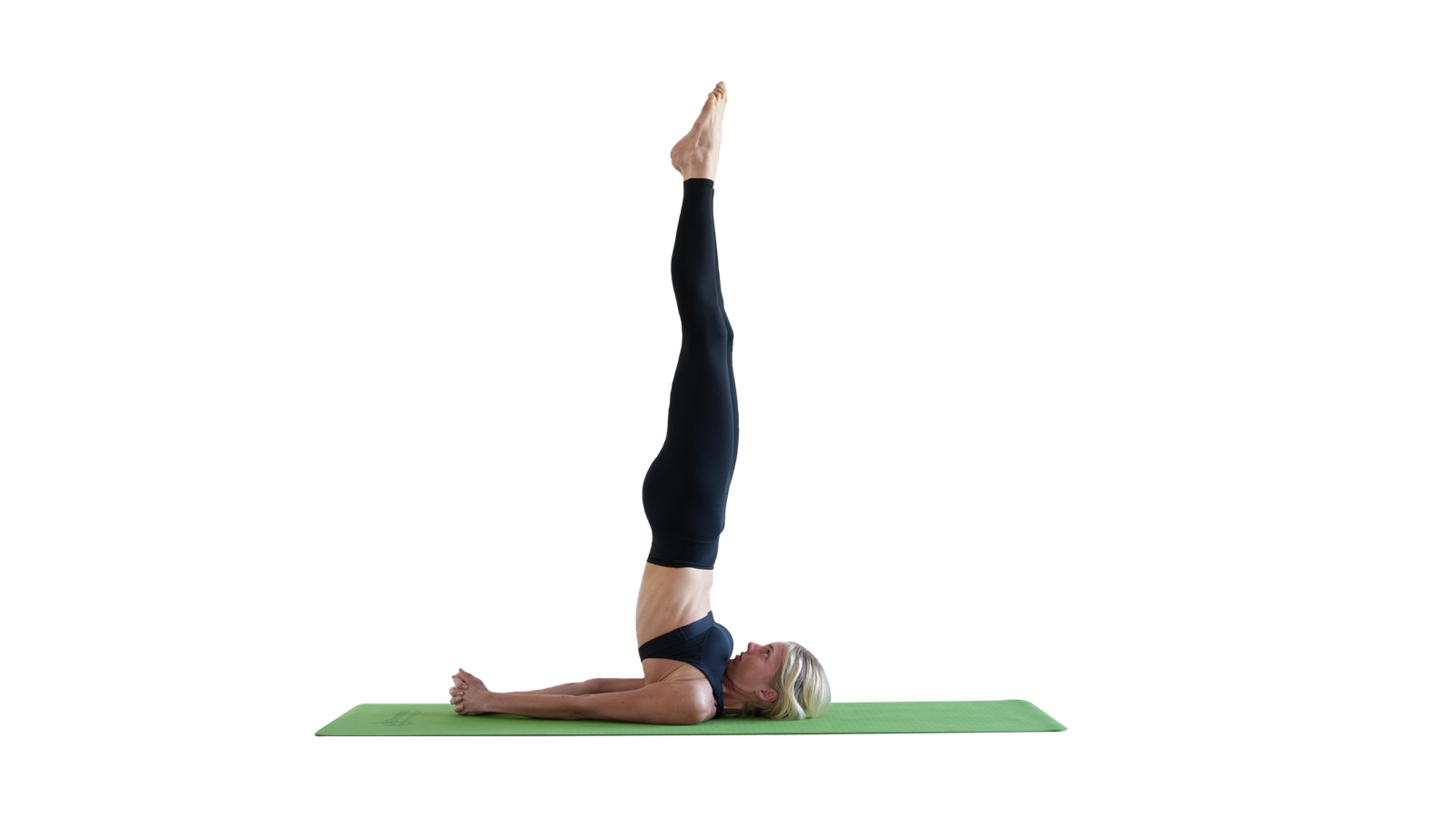
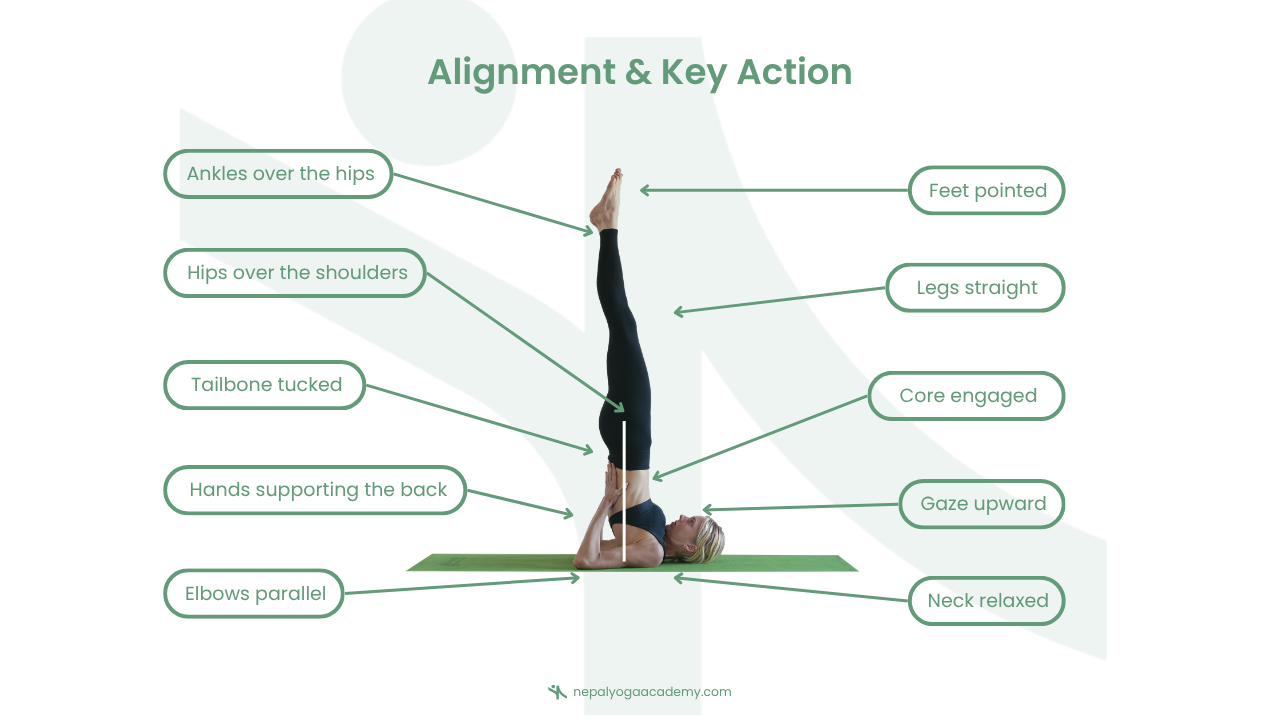
Step 3: Straighten the legs and spine by pressing the elbows and shoulders into the floor and supporting the back with the hands. Activate the glutes. Keep the weight on the shoulders and upper arms, not on the head and neck. Keep the legs strong and toes pointing upward. Press the sternum toward the chin. Hold for a few moments to allow the body to adjust. Inhale. While exhaling, extend further. Hold with normal breathing for about 30 seconds.
Coming out of position
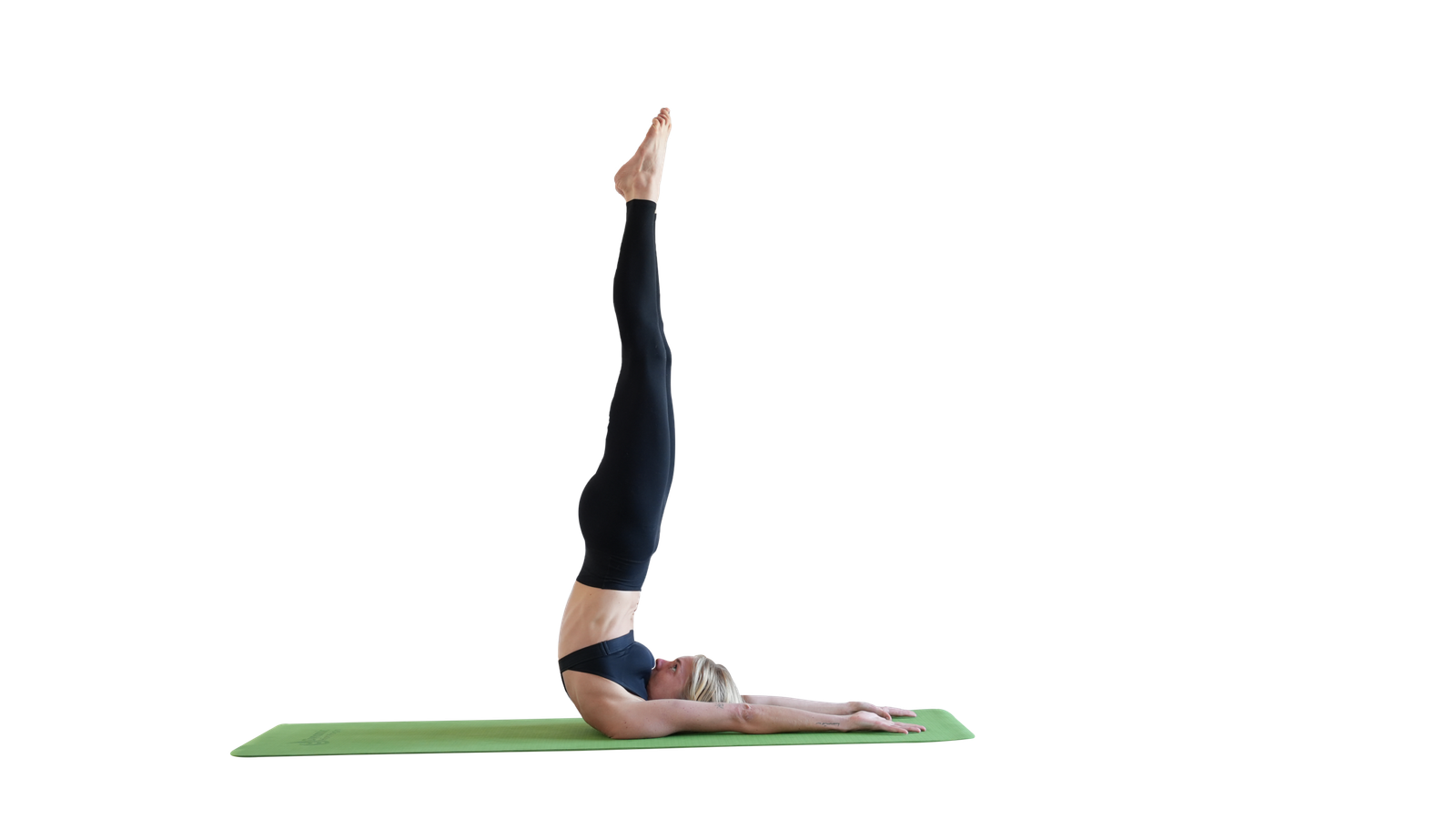
Step 1: Slightly relax the body. Inhale. While exhaling, lower the legs toward the forehead, keeping them straight. Move the hips slightly back and bring the hands to the floor one at a time (palms facing down).
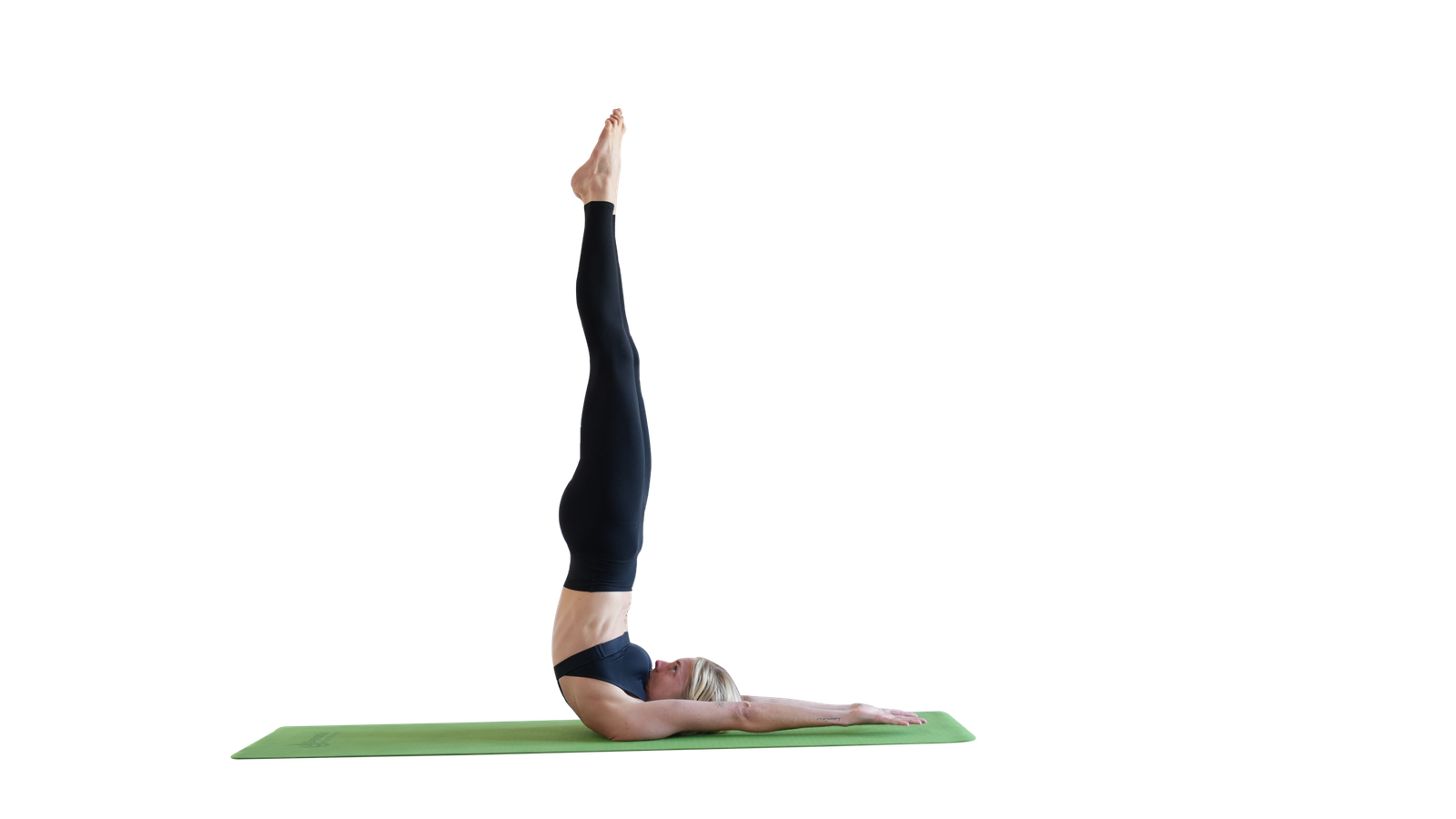
Step 2: While inhaling, slowly roll the spine down until the legs are at 90 degrees. While exhaling, lower the legs to the floor, returning to the starting position. Inhale, exhale, and relax.
Poses: Step by Step
 Step 1
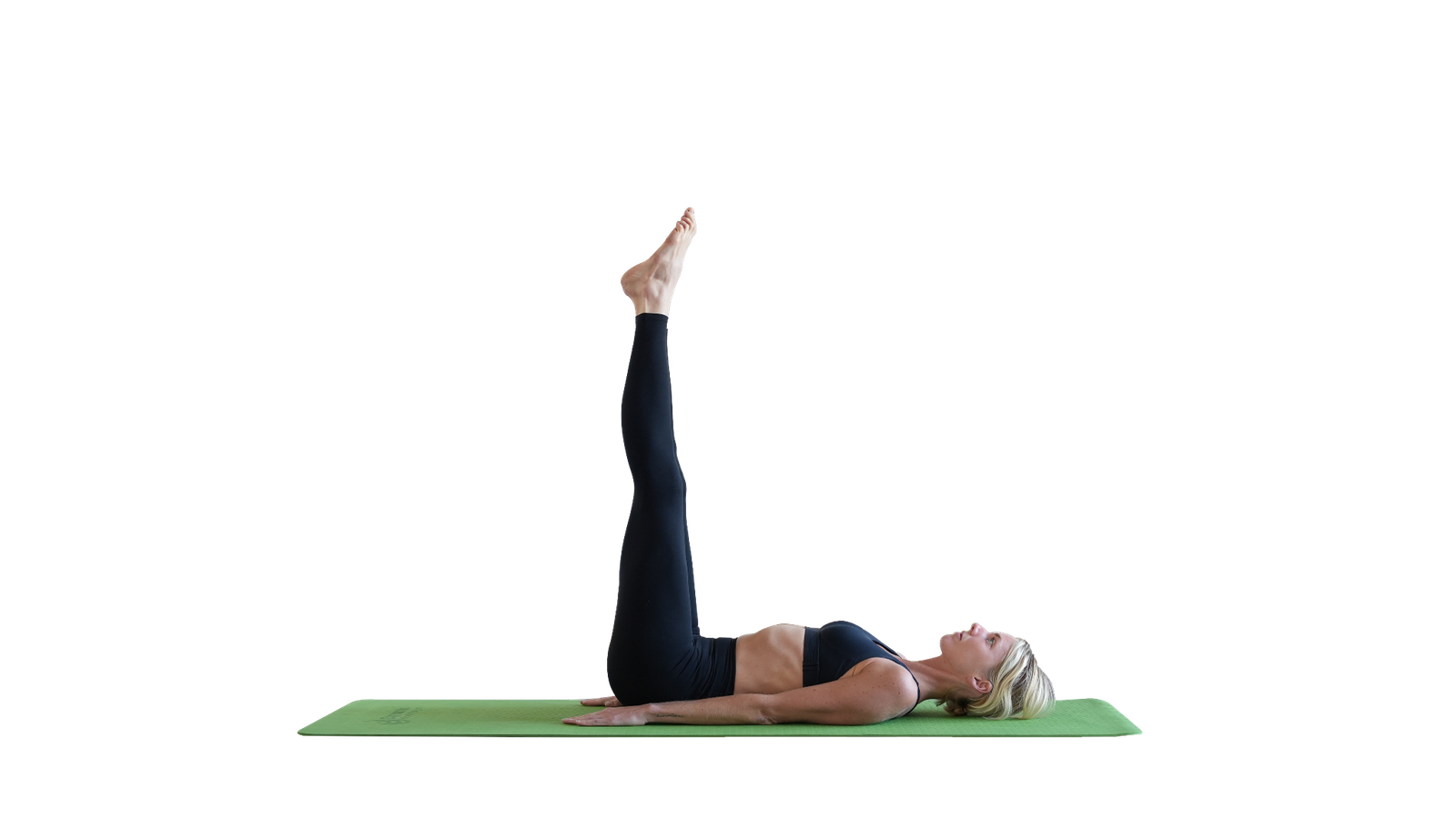 Step 2
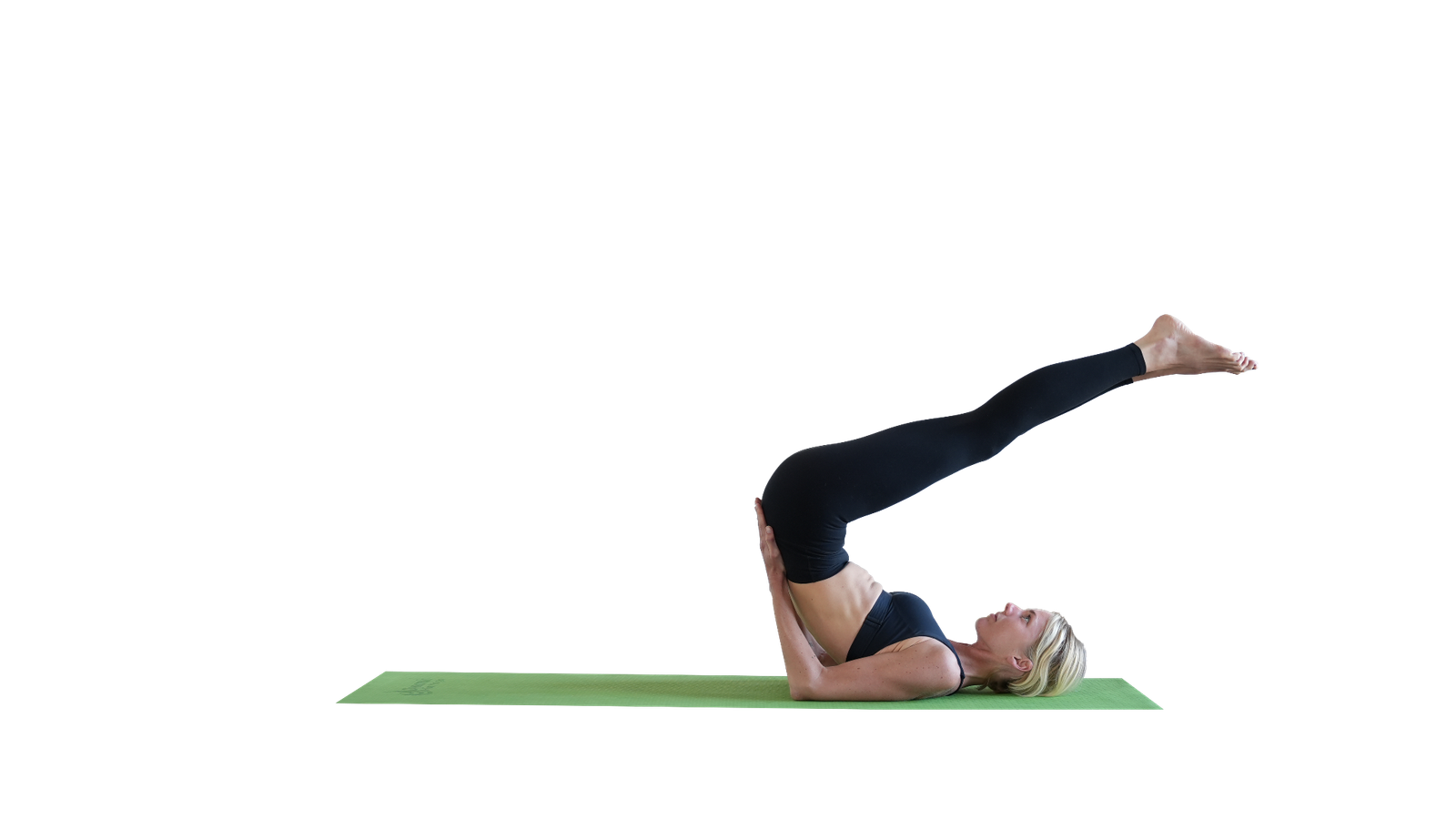 Step 3
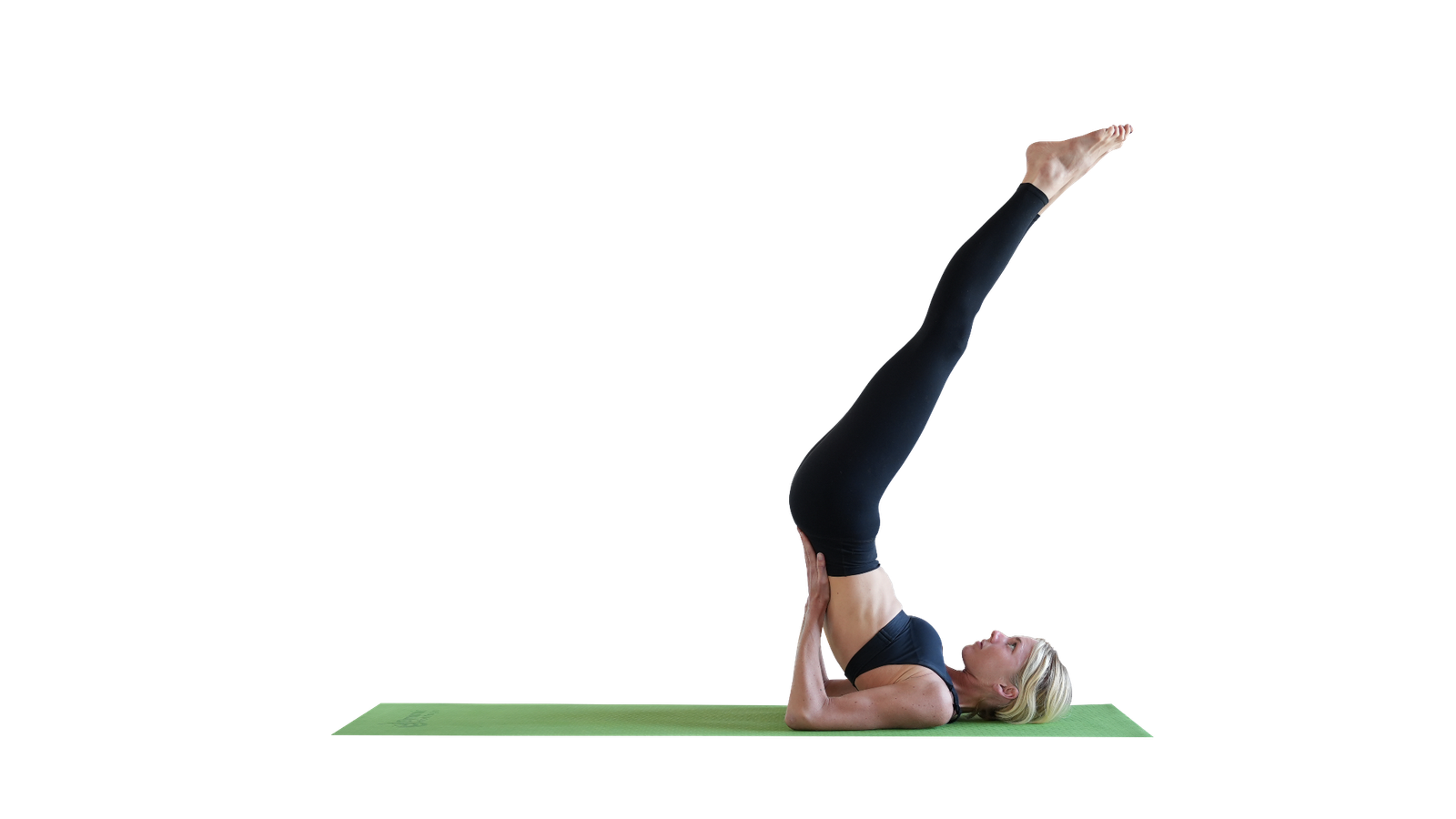 Step 4
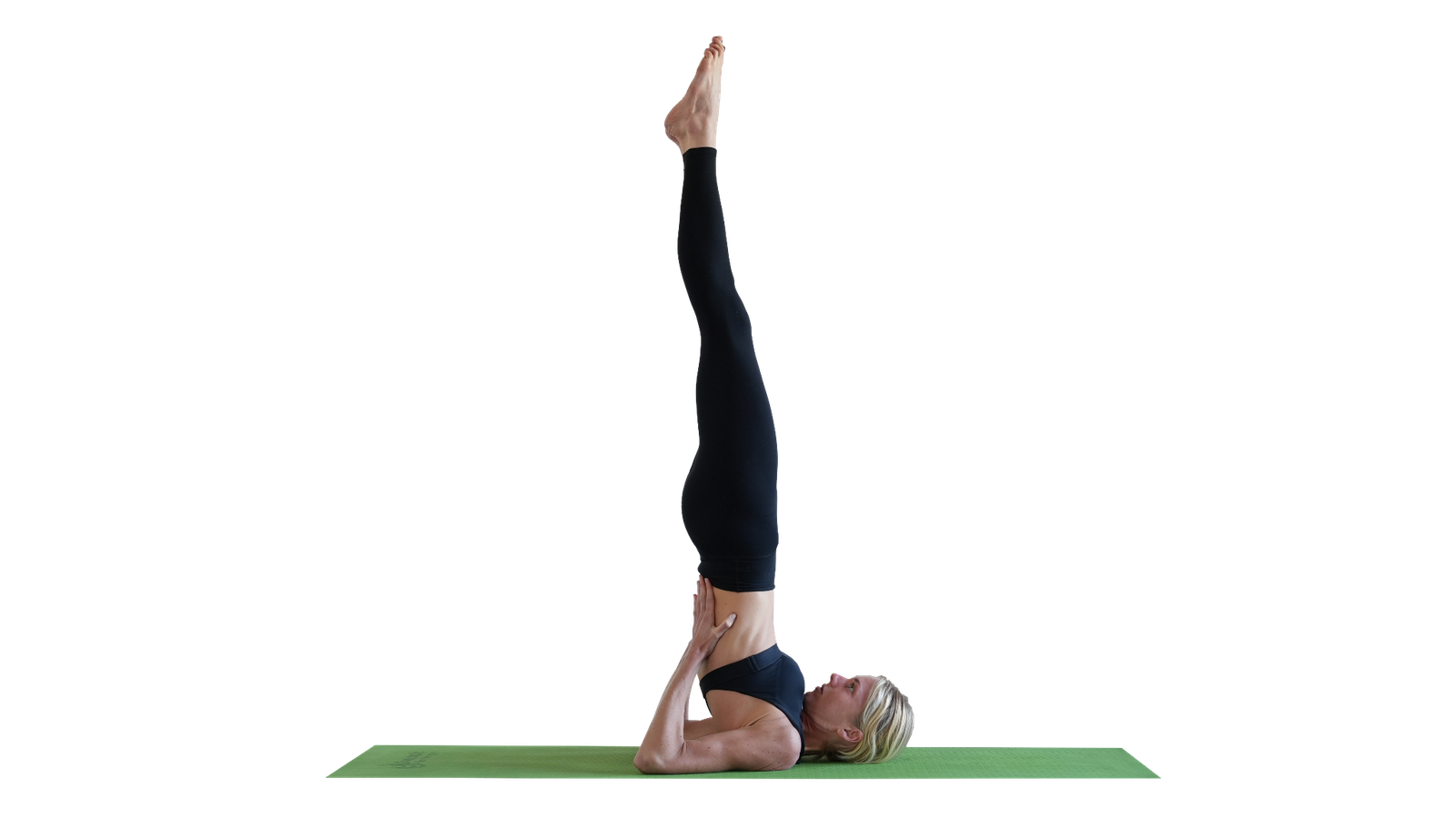 Step 5
Tips
- Keep the elbows shoulder-distance apart and pressed into the floor for stability.
- For better alignment, slightly bend or separate the legs initially to straighten the torso, then extend the legs upward.
- Keep the weight on the shoulders and upper arms, not on the head and neck, and avoid compressing the throat.
- If any strain is felt in the neck, carefully come out of the pose.
- Focus the gaze on the toes for balance.
Beginners Tips:
- If you find difficulties in lifting the body into Sarvangasana, better practice with support. Such as, by placing a folded blanket/towel or soft cushion under the shoulders.
- Use wall support by keeping the legs resting on the wall while gradually learning to lift the hips and lower back upward.
- If you cannot keep the legs straight while maintaining alignment with the torso, then first practice viparita karani asana and try to get into the main posture.
Alignment & Key Actions
Video tutorial
Precautions & Benefits
Precautions for Sarvangasana
Avoid
- If you have chronic or serious neck or heart problems, high blood pressure, a herniated (slipped) disc, recent ear or eye injuries, or stomach ulcers.
- During pregnancy or immediately after abdominal or spinal surgery.
Be Careful
- If you have diarrhea, headache or migraine, are menstruating, or have head, neck, shoulder, or spinal discomfort.
Benefits of Sarvangasana
General
- Stretches the neck.
- Strengthens the shoulders, upper back, abdominal muscles, glutes, and legs.
- Increases blood flow to the head and brain and stimulates the thyroid and parathyroid glands.
- Enhances endocrine function, improves venous return and lymphatic circulation, and supports metabolic balance.
- Reduces fatigue.
- Relieves constipation and indigestion.
Therapeutic
- Helpful for asthma, infertility, sinusitis, insomnia, and hormonal imbalance, and supports reproductive health.
Postural Effects on the Body Systems
Nervous System and Brain
- Stimulates the parasympathetic nervous system, which may help reduce mental stress/fatigue, anxiety, and nervous agitation.
- Enhances mental relaxation, internal awareness and promotes emotional stability and clarity by prolonged inverted positioning.
- Improves nervous system balance by reducing overstimulation and encouraging deep restorative rest after practice.
- Improves proprioceptive awareness and neuromuscular coordination through postural control and balance.
- May improve sleep quality when practiced regularly.
Musculoskeletal System
- Strengthens the arms, shoulders, neck muscles, upper back, and core muscles which are responsible for supporting the body weight.
- Improves flexibility of the upper back and shoulder girdle mobility when practiced regularly.
- Activates deep stabilizing muscles of the trunk.
Respiratory System
- Encourages deeper and controlled breathing by supporting diaphragmatic function in this inversion posture.
- Supports oxygen exchange efficiency because of increased blood flow toward the upper body and lungs.
- Helps calm respiratory rhythm, supporting relaxation of the heart rate and nervous system.
- Encourages improved breath retention capacity and conscious breathing patterns in regular practitioners.
- Contributes to relaxation by calming and slowing the respiratory rate.
Core and Abdominal Organs
- Gently compresses the abdominal region which stimulates internal digestive organs (i.e., liver, spleen, and intestines).
- Improves metabolic function and digestive efficiency, relieving mild digestive sluggishness when practiced consistently.
- This inverted position supports healthy venous return from the abdominal region.
- Activates deep abdominal muscles to stabilize the pelvis which help maintain vertical alignment.
Circulatory and Lymphatic Systems
- Promotes venous return from the lower body to the heart, by encouraging healthy cardiovascular function and improving circulation efficiency.
- Encourages lymphatic drainage from the lower extremities, supporting detoxification and fluid balance.
- Improves blood circulation to the thyroid and brain area, supporting hormonal balance and cognitive function.
- May support reduction of mild lower-limb fatigue caused by prolonged standing or sitting.
In summary, Sarvangasana is not just an inversion but also an advanced balancing posture that unifies control, strength, and inner stillness. People who practice this posture regularly and mindfully can achieve physical rejuvenation and mental calmness while enhancing stability, patience, and a deeper sense of harmony among the body, breath, and consciousness.
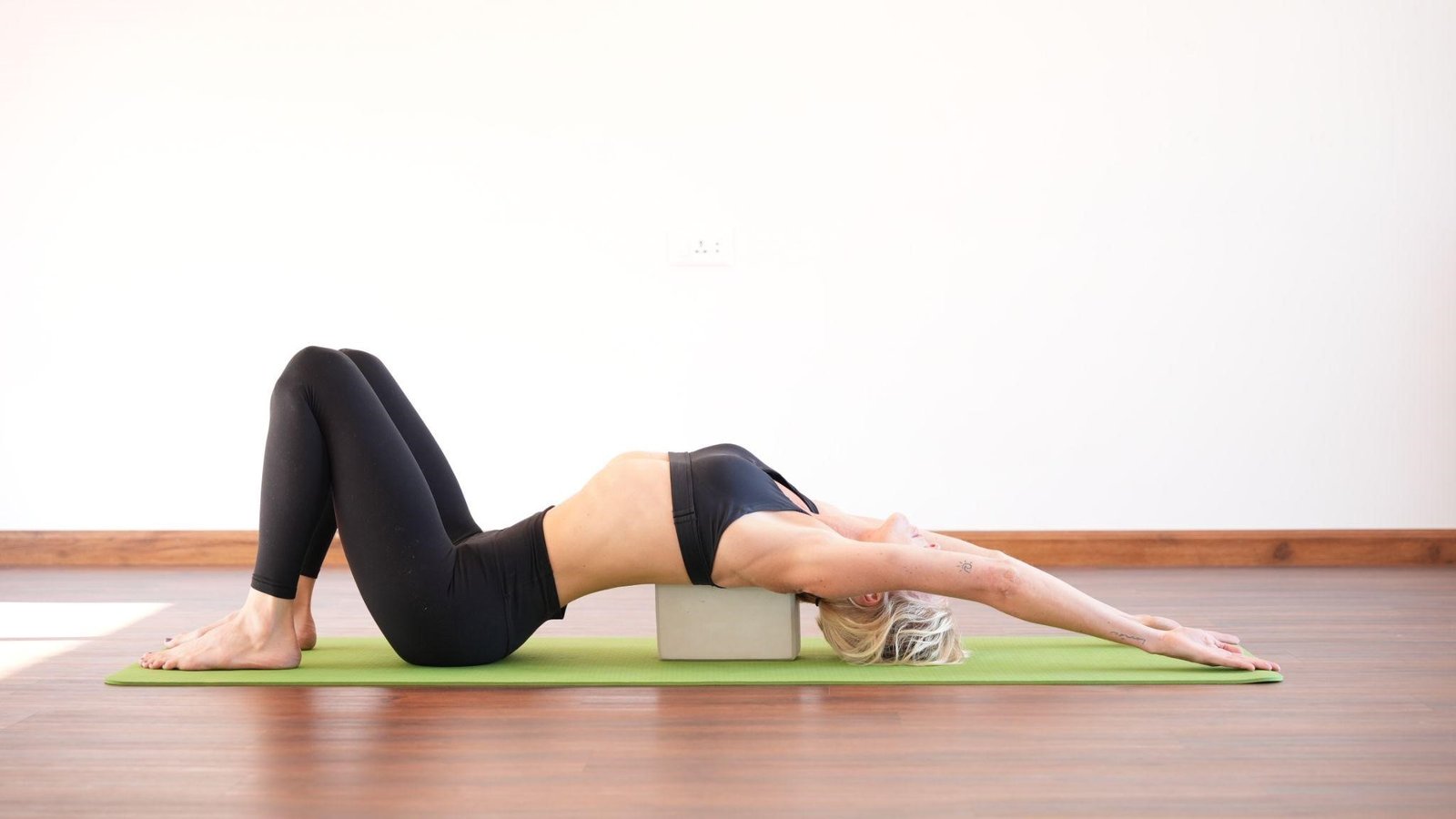
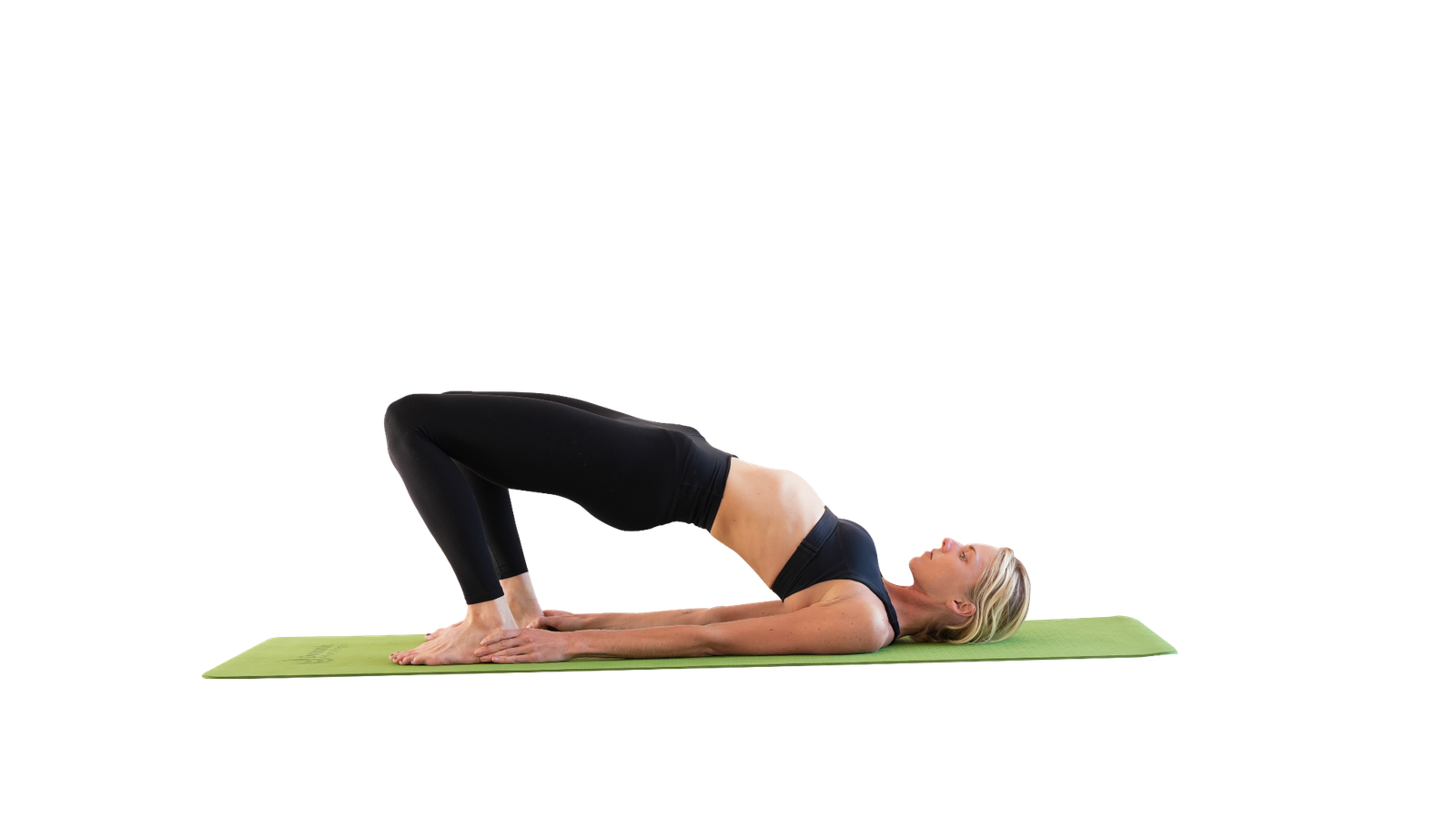
Preparatory Poses
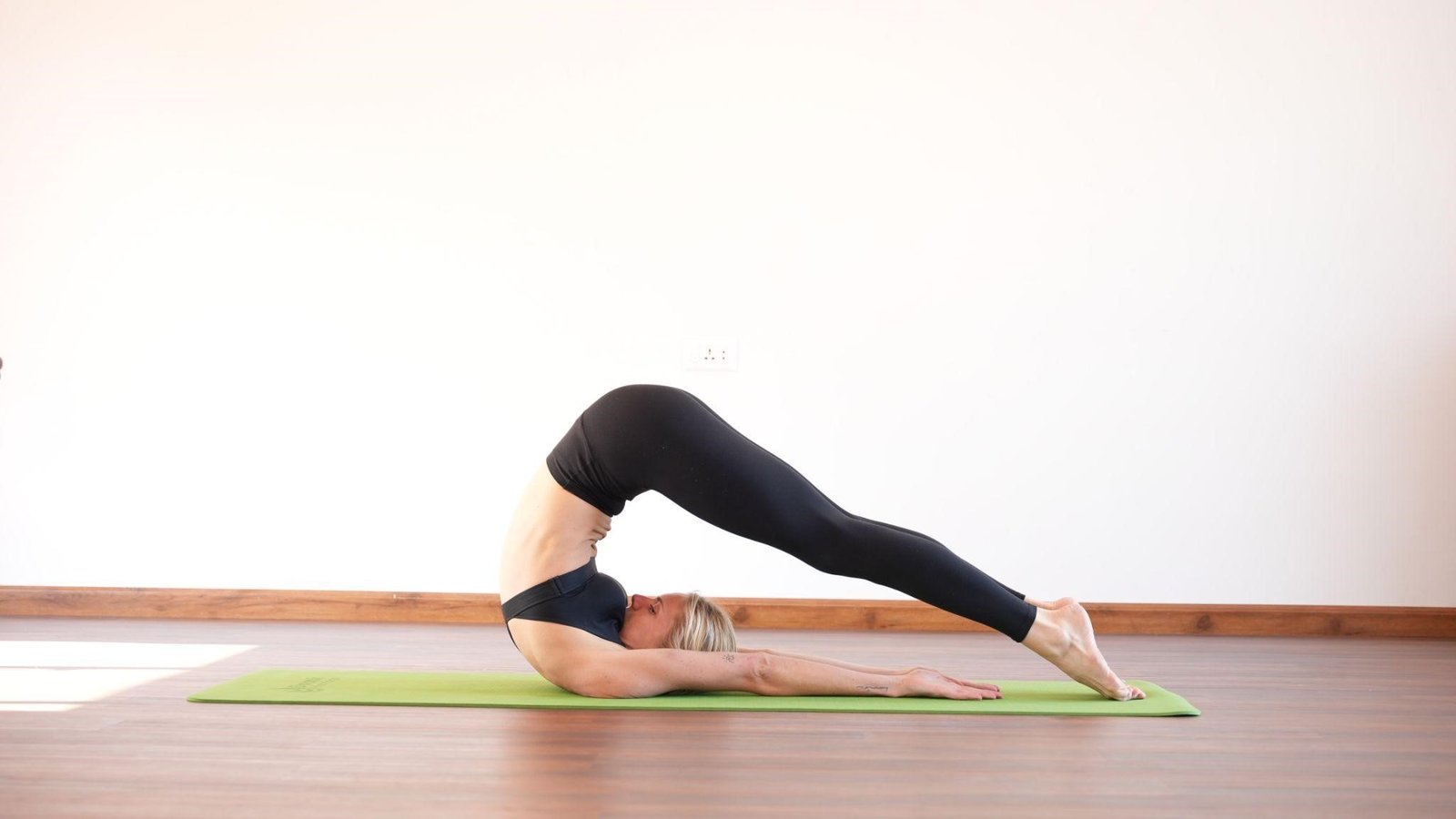
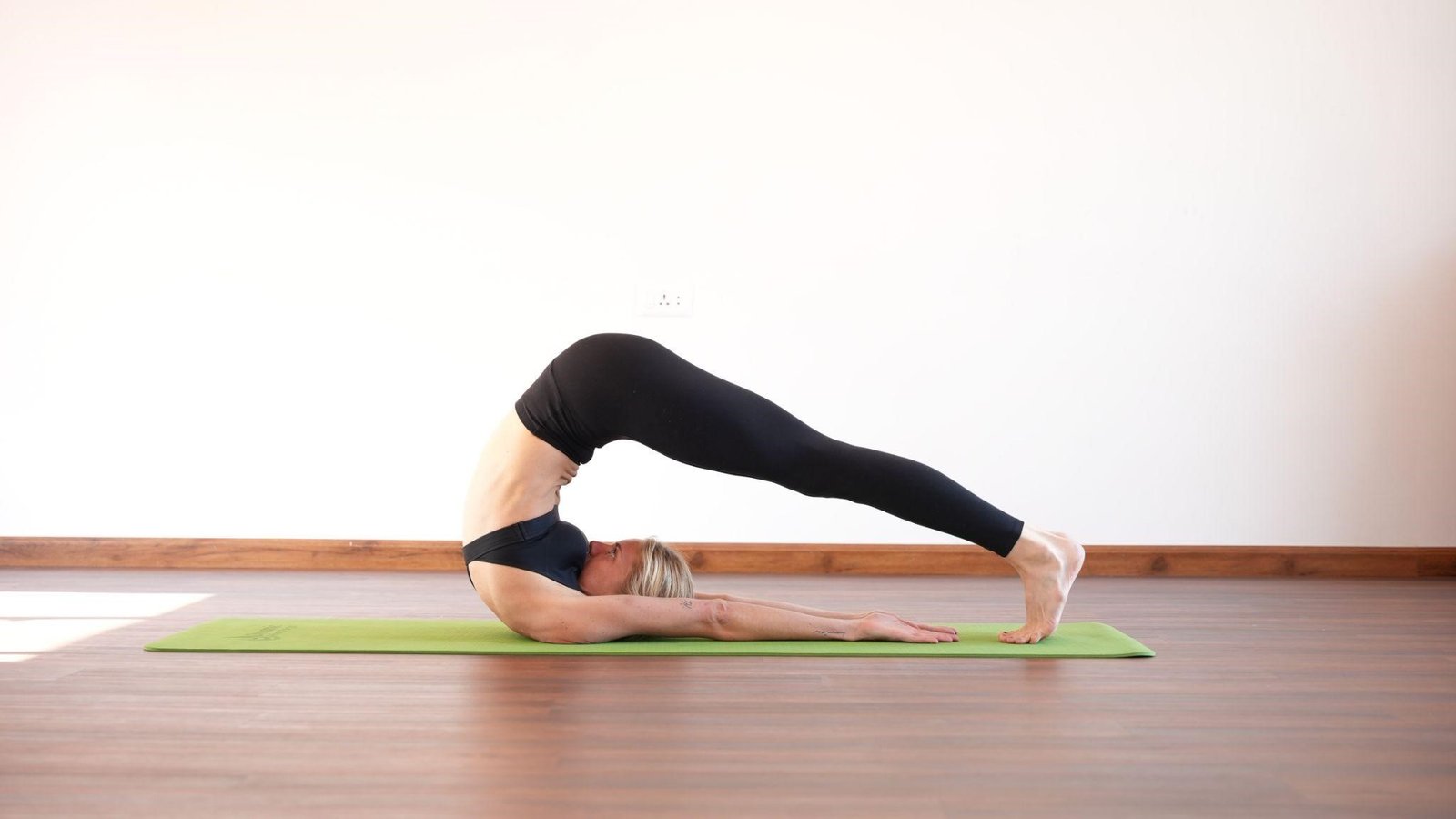
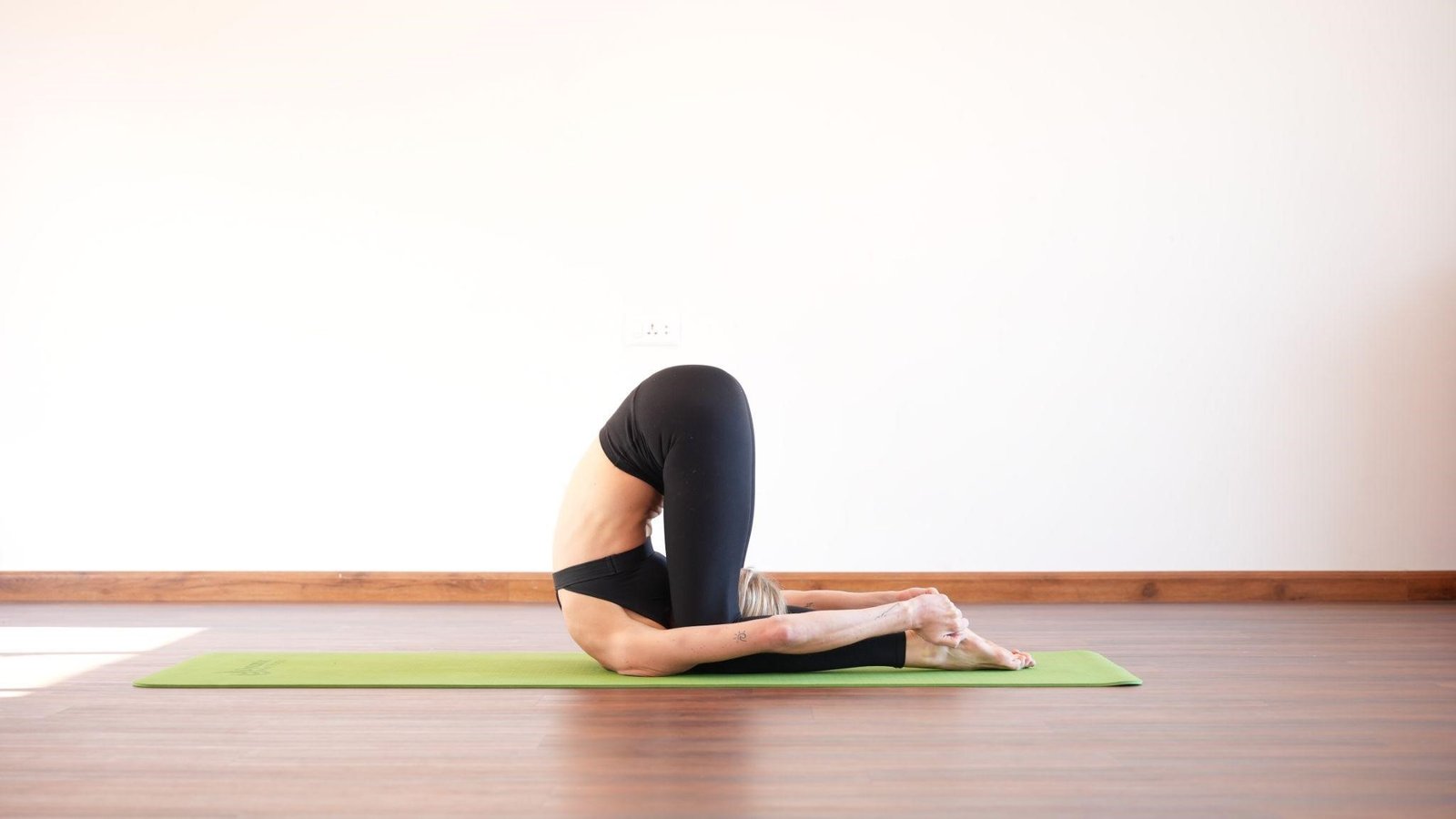
Modifications and Variations